

Tactical Drop Leg Holster Guide: Everything You Need to Know
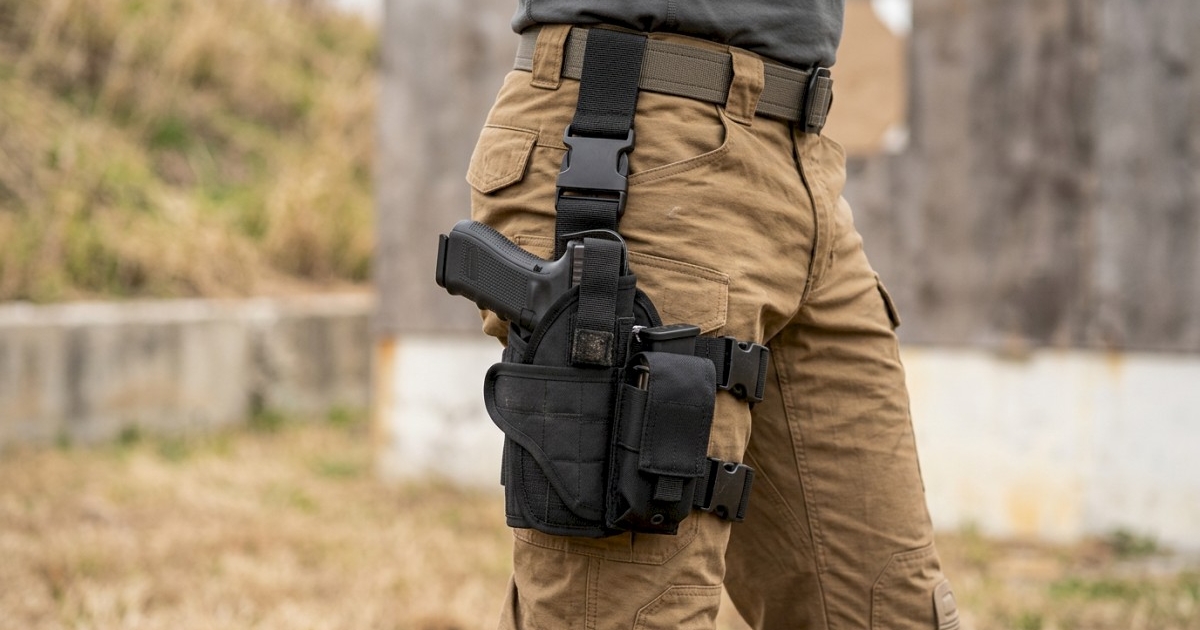
 A drop leg holster—sometimes called a thigh holster—is an outside‑the‑waistband (OWB) platform that mounts a pistol to the upper thigh. Unlike a traditional belt holster that rides the waistline, the drop leg system uses a combination of a belt‑mounted base plate and one or more thigh straps to lock the gun in place low on the leg. The result is a firearm that hangs roughly mid‑thigh, ready for a downward draw.
The concept dates back to the 1980s when tactical units needed a solution for drawing a sidearm while wearing bulky plate carriers or chest rigs. A hip‑mounted holster simply couldn’t be accessed without first removing or shifting the armor. By dropping the gun onto the thigh, operators cleared the torso‑mounted gear and regained a fast, reliable draw. Today, drop leg thigh holsters are popular among military, law‑enforcement, motorcycle officers, hunters, and civilians who train in tactical scenarios.
Drop Leg Holster vs. Belt Holster: Core Differences
Positioning and Draw Angle
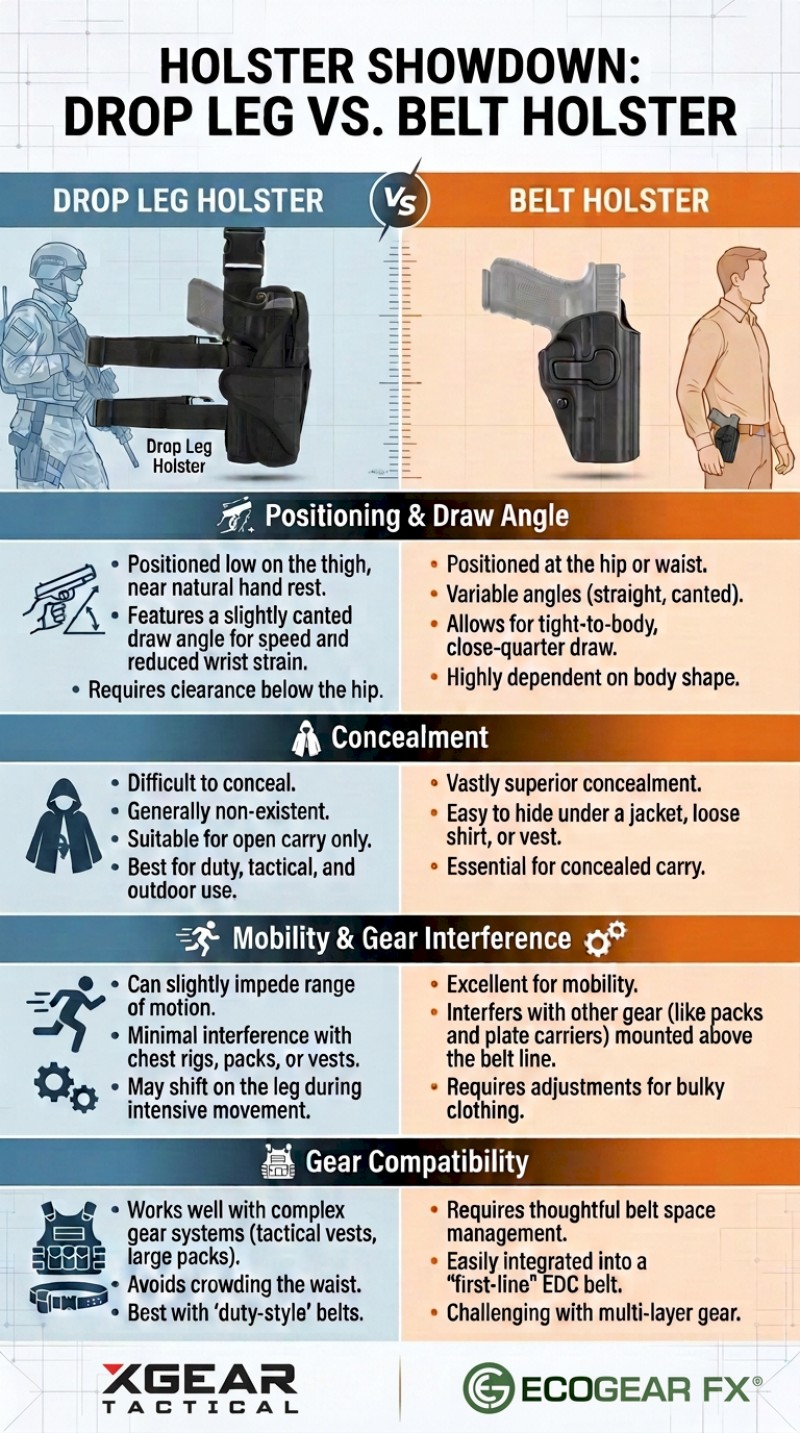
Belt holsters sit high on the waist, making them ideal for a quick upward or outward draw when standing. The draw path is short, and the pistol stays close to the body, which helps with concealment. In contrast, a drop leg thigh holster positions the gun lower and further from the torso, creating a natural downward draw. This angle shines when you’re seated, crouched, or wearing a vest that blocks a waist‑draw. The trade‑off is a slightly longer pull‑out motion when you’re upright, and the draw can feel less fluid if the platform isn’t tightly tensioned.
Concealment
Because the thigh rig protrudes from the outer leg, printing is virtually unavoidable. Even long coats or tactical pants will show the bulk of the platform. Belt holsters, especially those designed for compact pistols, can be hidden under shirts, jackets, or even inside a concealed‑carry holster. If covert carry is a priority, a drop leg thigh holster is generally the wrong choice.
Mobility and Gear Interference
A well‑fitted belt holster moves with the body and rarely gets in the way of other equipment. A drop leg rig, however, adds a low‑profile protrusion that can snag on door frames, vehicle seatbelts, or dense brush. Proper strap placement and a low‑profile design mitigate most of these issues, but the risk remains higher than with a waist‑mounted system.
Gear Compatibility
Modern drop leg platforms often incorporate MOLLE webbing, rail slots, or attachment loops, allowing users to tack on spare magazines, flashlights, tourniquets, or utility knives. This modularity is a distinct advantage for operators who need a fully integrated loadout. Belt holsters can also have attachment points, but the space on the waist is usually already saturated with pouches, dump magazines, and other mission‑critical gear.
Advantages of Drop Leg Thigh Holsters
1. Clearance from Torso Gear
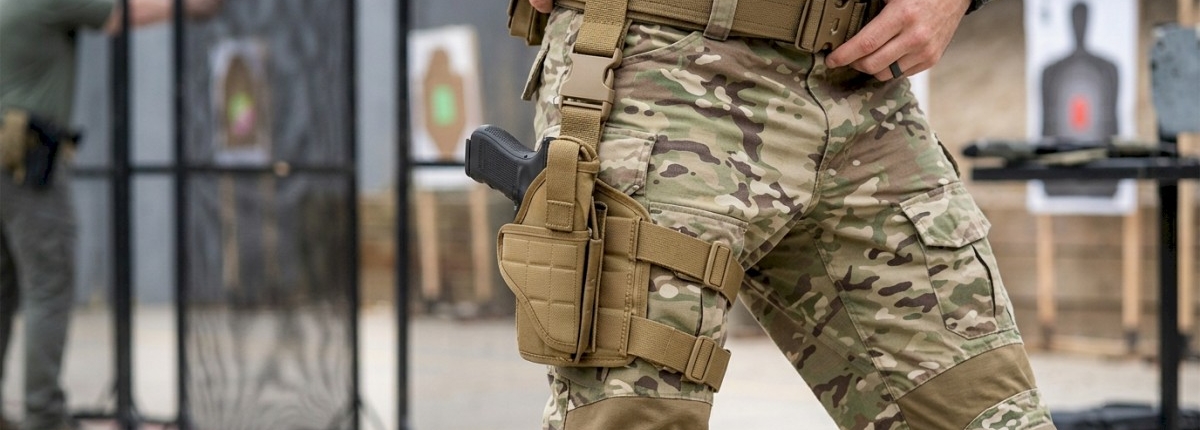
When you’re wearing a plate carrier, chest rig, or a heavy load‑bearing vest, the waist quickly becomes a congested zone. Rifle magazines, IFAK kits, radios, and admin pouches create a barrier that blocks a traditional hip draw. A thigh‑mounted holster sits beneath this gear, offering a clear, unobstructed path to the firearm regardless of whether you’re standing, kneeling, or crawling.
2. Superior Access While Seated or Mounted
Drawing from a belt holster inside a vehicle is notoriously awkward. Seatbelts, the car seat, and the steering column all restrict arm movement. A drop leg holster lets you reach down with a natural motion, even with the seatbelt across your waist. Motorcycle officers, ATV riders, and pilots find the thigh draw especially intuitive because the gun remains within easy reach without interfering with the handlebars or harness.
3. Modular Platform for Mission‑Specific Customization
Many drop leg rigs feature MOLLE panels or rail sections. This means you can attach a spare mag pouch, a tactical flashlight, or a small utility knife directly to the thigh platform. Adjusting ride height, cant angle, and strap tension lets you fine‑tune the system for speed, comfort, or specific equipment needs. For example, a SWAT operator might mount a tourniquet next to the holster for rapid bleed control, while a hunter could add a small game‑bag pouch.
4. Better Weight Distribution for Full‑Size Handguns
Carrying a heavy, metal‑framed pistol on the hip can cause hip fatigue and lower‑back strain over long patrols. By moving the weight down onto the thigh, the load is shared across a larger muscle group. When dual thigh straps are used, the pistol’s center of gravity aligns more closely with the leg’s natural support, reducing the torque on the hip joint and minimizing lower‑back pressure.
5. Accessibility in Unorthodox Positions
In close‑quarters battle (CQB) or dynamic movement drills, you often find yourself kneeling, rolling, or moving laterally. A belt‑mounted holster can shift or become blocked by armor plates in these positions. A properly tensioned drop leg rig stays anchored to the leg, while attached to a tactical riggers belt or standard nylon belt. This allows movement with you and maintaining a consistent draw angle even when you’re off‑balance.
Disadvantages of Drop Leg Holsters

1. Lack of Concealability
The thigh position is inherently visible. Even with long jackets or tactical pants, the platform’s bulk and the outline of the firearm are hard to hide. For civilians who need an open‑carry solution that doesn’t draw attention, this can be a liability. In jurisdictions where open carry is scrutinized, the conspicuous nature of a drop leg holster may attract unwanted attention.
2. Potential for Snags and Restricted Movement
Because the rig extends outward, you may catch it on door frames, vehicle seats, or dense foliage. This is especially problematic in tight‑quarters environments like building interiors or crowded vehicles. Selecting a low‑profile design and keeping straps snug reduces the chance of snagging, but the risk can never be eliminated entirely.
3. Comfort and Fatigue Over Long Periods
Improper strap placement or low‑quality padding can cause chafing, pressure points, and thigh fatigue, particularly on leaner builds. Single‑strap rigs are more prone to sliding, while dual‑strap systems that curve around the thigh distribute pressure more evenly. Investing in a holster with padded straps and a lightweight polymer base helps mitigate these issues.
4. Slightly Slower Draw in Certain Scenarios
While a thigh draw excels when seated, it can feel slower if you’re on the move, especially if the platform shifts during rapid motion. A belt holster typically offers a more consistent draw speed across a variety of stances because the gun stays close to the body’s center of mass. Competitive shooters who time every millisecond may favor a belt‑mounted system for that reason.
5. Added Complexity and Setup Time
A drop leg system requires multiple adjustments: belt attachment, thigh strap tension, ride‑height tuning, and possibly additional pouches. For minimalist carriers who want a “grab‑and‑go” solution, this extra setup can be a deterrent. However, for duty‑oriented users who have time to kit up before a shift, the modular benefits often outweigh the initial complexity.
Ideal Scenarios for a Drop Leg Holster
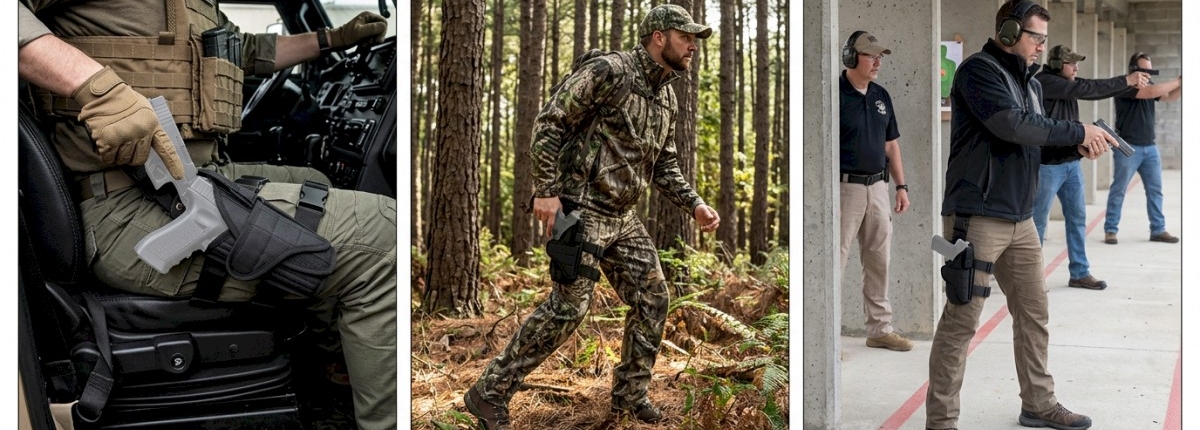
Body Armor and Chest Rig Users
If your daily load includes a plate carrier, tactical vest, or chest rig packed with magazines, radios, and medical kits, the waist becomes a no‑go zone. A drop leg holster bypasses that obstacle, giving you a clear, repeatable draw path that isn’t blocked by torso gear. Units like the U.S. Army’s Rangers, SWAT teams, and tactical instructors routinely employ thigh rigs for exactly this reason.
Vehicle‑Centric Roles
Patrol officers, security details, and off‑road operators spend a lot of time seated in vehicles. Drawing from a belt holster while the seatbelt is latched can be slow and awkward. A thigh‑mounted platform allows a natural downward reach, making it easier to draw and re‑holster without compromising the seatbelt or having to shift positions.
Motorcycle and Equestrian Riders
Riders need a holster that won’t interfere with the tank, foot pegs, or riding posture. A drop leg rig stays low and centered, avoiding the bulk that a belt holster adds to the hips. Many police motorcyclists use thigh rigs because they remain stable during high‑speed maneu‑vers and don’t impede balance.
Hunters and Outdoor Enthusiasts
When hunting or hiking, you often wear a backpack, chest pack, military boonie hat, and utility belt. A drop leg holster can be positioned under the pack, keeping the pistol accessible without adding extra bulk to the waist. The lower center of gravity also helps maintain balance on uneven terrain.
Competitive Shooters in Specific Stages
While most stages favor a traditional belt or appendix carry, certain dynamic or “low‑crawl” stages benefit from a thigh rig. The ability to draw while staying low to the ground can shave seconds off a run, provided the shooter practices the specific draw technique.
How to Choose the Right Drop Leg Holster
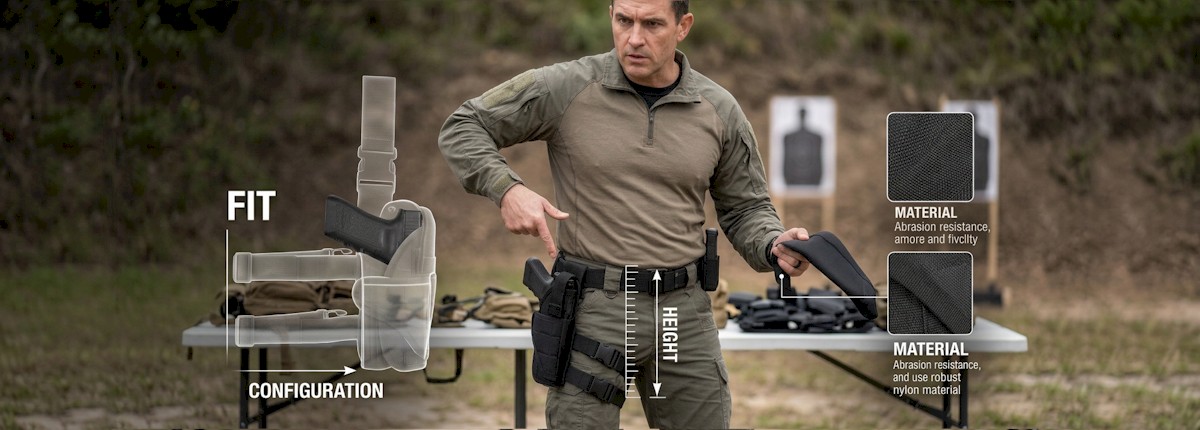
Fit for Your Firearm
Not all drop leg platforms accommodate every pistol size. Full‑size 9mm, .40, or .45 pistols need a larger cradle, while compact or sub‑compact models can fit into smaller, lower‑profile rigs. Verify the manufacturer’s compatibility chart and, if possible, test the holster with your actual firearm before buying.
Strap Configuration
Look for dual thigh straps that cross the front of the thigh and a secure belt attachment. Adjustable buckles let you fine‑tune tension, preventing the rig from sliding during movement. Some models also offer a rear strap that adds extra stability for high‑impact activities.
Ride‑Height and Cant Adjustment
A good drop leg holster will allow you to raise or lower the pistol’s ride height and adjust the cant angle (the tilt of the gun). Lower ride height reduces the draw distance but may interfere with knee pads; higher ride height improves comfort when kneeling. Cant adjustment lets you align the grip for a natural draw posture.
Material and Padding
Polymer and high‑impact thermoplastic shells are common for the holster body; they’re lightweight and resistant to weather. Look for padded straps—usually neoprene or molded foam—to reduce chafing. Some premium rigs feature a quick‑release strap system for rapid removal in emergencies.
Modularity
If you need extra mags, a flashlight, or a tourniquet, choose a platform with MOLLE or rail sections. This eliminates the need for separate belt‑mounted pouches, keeping your loadout compact and centered on the thigh.
Setting Up and Tuning Your Drop Leg Holster
- Attach the Base Plate to Your Belt – Most rigs use a sturdy metal or polymer base that clips onto a standard 1‑inch tactical belt. Ensure the base sits centered on the belt and lock the buckle tightly.
- Thread the Thigh Straps – Feed the straps through the designated slots on the base plate, then pull them around the front of the thigh. The straps should cross just above the knee for optimal stability.
- Adjust Ride Height – Most platforms have a sliding rail that lets you raise or lower the holster. Start with the gun positioned just above the knee and test the draw. If you feel the gun is too low, raise it a few centimeters until the pull feels smooth.
- Set Cant Angle – Rotate the holster slightly outward or inward until the grip aligns naturally with your hand when your elbow is at a 90‑degree angle.
- Tighten All Buckles – Ensure each strap is snug but not so tight that it cuts circulation. Walk, squat, and sit to confirm the rig stays in place without shifting.
- Practice the Draw – Perform dry‑fire draws from seated, standing, and kneeling positions. Adjust straps as needed to eliminate any snagging or wobble.
Maintenance and Longevity
- Clean the Shell after exposure to mud, sand, or salt water. A mild soap and water rinse followed by a dry wipe prevents corrosion.
- Inspect Straps regularly for fraying or stretched buckles. Replace worn components promptly to avoid accidental release.
- Lubricate the Metal Parts (if any) with a light PTFE spray to keep moving components smooth.
- Check Belt Compatibility; heavy-duty belts can stretch over time, altering tension. Re‑tighten or replace the belt if you notice excessive slack.
Frequently Asked Questions
Q: Can I conceal a drop leg holster under a long coat? A: While a long coat can hide the bulk to some degree, the thigh position is still highly visible from the side and back. It’s not a reliable method for covert carry.
Q: Will a drop leg holster work with a pistol that has a mounted optic? A: Yes, provided the holster’s cavity is sized for the added bulk. Look for models marketed as “optic‑ready” or verify clearance by test‑fitting.
Q: How does a drop leg holster affect shooting stance? A: The pistol’s weight sits lower, which can improve balance when standing but may feel different when transitioning to a firing stance. Some shooters report a more stable platform for low‑profile shooting positions.
Q: Is a drop leg holster legal for civilian open carry? A: Legality varies by jurisdiction. In most U.S. states that permit open carry, a thigh holster is legal, but always check local regulations regarding visible firearms.
Q: Can I wear knee pads with a drop leg holster? A: Yes, but make sure the pad thickness doesn’t interfere with the rig’s straps or cause the pistol to sit too high. Adjustable straps help accommodate different pad sizes.
Bottom Line: When to Choose a Drop Leg Holster
A drop leg holster isn’t a universal replacement for a belt holster; it’s a specialized tool that shines in niche environments. If you regularly wear body armor, spend a lot of time seated in vehicles, ride motorcycles, or need a modular platform that stays out of the way of a fully loaded duty belt, a thigh‑mounted system can dramatically improve accessibility and comfort.
Conversely, if your primary goal is concealed carry, you value a minimalist kit, or you operate mainly in tight indoor spaces, a traditional belt or appendix holster will likely serve you better. Evaluate your daily loadout, typical posture, and the environments you operate in before committing to a drop leg rig.
In short: the drop leg holster offers superior clearance, modularity, and weight distribution for tactical or vehicle‑centric roles, but it sacrifices concealability and can introduce comfort challenges. Choose wisely, fit it correctly, and practice the draw until it becomes second nature.