

Military Boonie Hat: History, Features & Buying Guide

The term boonie (or boondoggle) comes from the Tagalog word buhun, meaning “swamp” or “bog.” The military boonie hat was common for American soldiers fighting in the dense jungles of Vietnam in the 1960s. This headgear could keep the scorching sun off their faces while remaining low‑profile enough not to give away their position. The solution was a wide‑brimmed, soft‑structured hat originally issued to the U.S. Army’s Special Forces and later adopted by the Marine Corps, Air Force, and even allied forces.
Early versions were simple cotton canvas with a six‑panel construction and a detachable chin strap. Their popularity spread quickly because the hat provided three core benefits: shade, camouflage, and comfort. By the early 1970s, the design had migrated into civilian markets, where outdoor enthusiasts, hunters, and fishermen embraced it for the same practical reasons it served soldiers. Today, the men’s military boonie hat is a staple in both tactical gear kits and everyday adventure wardrobes perfect for hunting, fishing, hiking tactical use and more.
Core Design Features That Set the Boonie Hat Apart
Wide Brim for Sun and Rain Protection
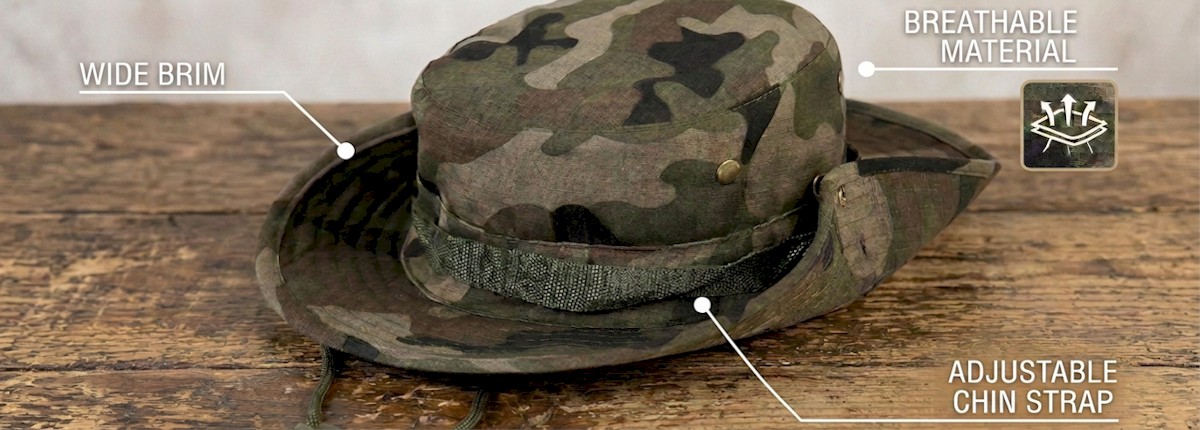
A hallmark of the wide brim boonie hat is its 4‑ to 6‑inch brim that circles the head. Unlike a baseball cap, the brim extends all the way around, shielding the neck, ears, and the back of the head from direct sunlight. In tropical climates, this extra coverage can prevent heat‑related fatigue and reduce the risk of sunburn. The brim also sheds rain, helping the wearer stay dry during sudden downpours.
Breathable, Quick‑Dry Materials
Most modern boonie hats are woven from cotton‑polyester blends or nylon ripstop. These fabrics are lightweight, breathable, and resistant to tearing. Some models incorporate moisture‑wicking treatments that pull sweat away from the skin, keeping the head cool during high‑intensity activities. For hot, humid environments, a ripstop nylon with a water‑repellent coating is often preferred because it dries in minutes.
Adjustable Chin Strap and Sweatband
A reinforced chin strap—usually made of nylon webbing with a metal buckle—keeps the hat secure when moving through dense foliage or while sprinting. Many versions also feature an elastic sweatband that sits just above the forehead, absorbing perspiration and preventing it from dripping into the eyes. The combination of chin strap and sweatband ensures the hat stays put without sacrificing comfort.
Camouflage Patterns Tailored to Terrain
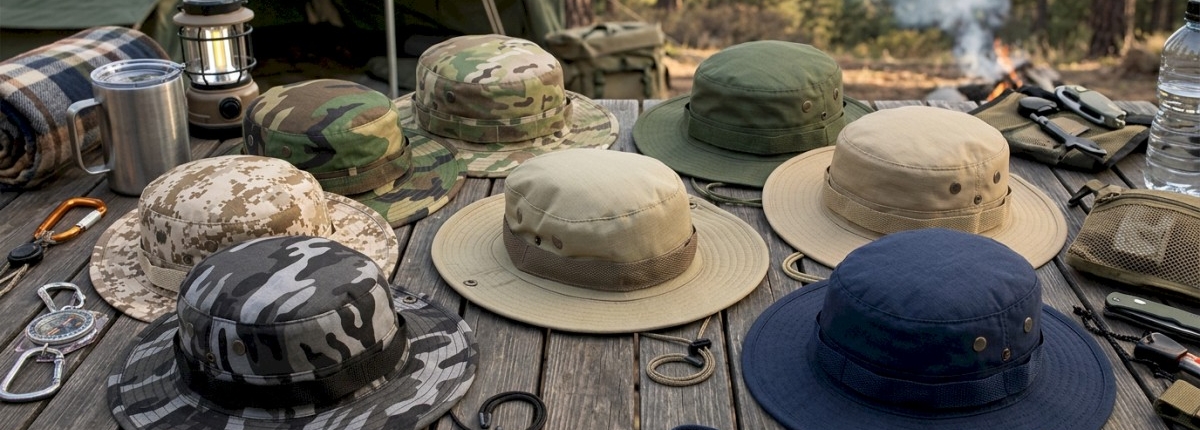
The military boonie hat come in a wide array of camouflage prints: U.S. Woodland, U.S. Marine MARPAT, U.S. Army Universal Camouflage Pattern (UCP), MultiCam, and Desert MARPAT, among others. The pattern is printed using high‑definition digital printing that retains its colorfastness after repeated washes. For civilian buyers, the same patterns can be used for hunting or tactical training, while some manufacturers offer civilian‑only designs that mimic the look without the official insignia.
How the Boonie Hat Performs in Real‑World Situations
Tactical Operations and Military Use
In combat, the boonie hat is valued for its low silhouette and ability to break up the outline of the head. Soldiers can wear it under helmets for extra sun protection or on its own when operating in open terrain where a helmet isn’t required. The chin strap prevents the hat from blowing off during high‑speed vehicle movement or while navigating rough terrain. Moreover, its fabric can be treated with IR‑reflective coatings that reduce the wearer’s signature on night‑vision equipment.
Outdoor Recreation and Hunting
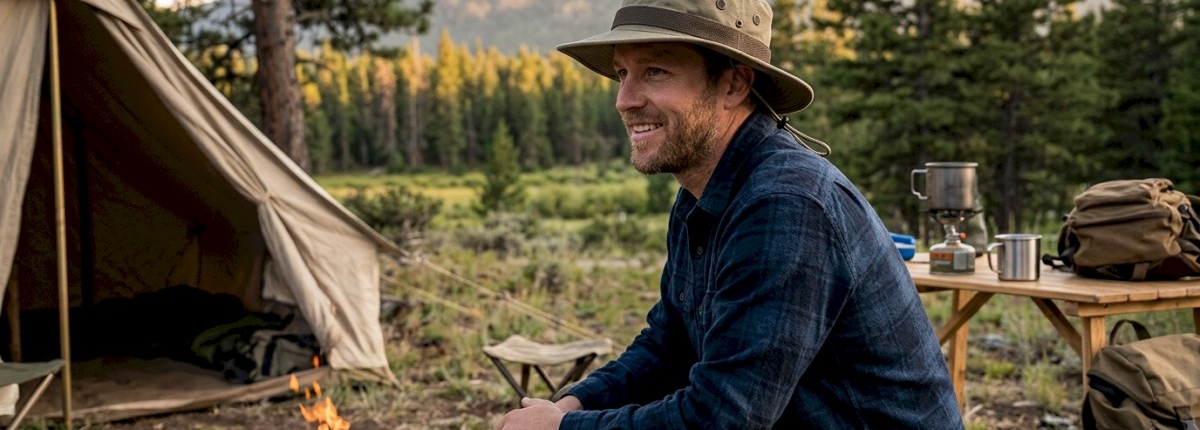
For hunters, the hat’s camouflage blends with foliage, and the brim keeps the eyes from glare when spotting game. Anglers appreciate the water‑repellent properties, as the hat can stay on during light rain without becoming saturated. Trail runners and hikers love the lightweight construction that doesn’t add bulk, allowing them to pack the hat in a daypack and pull it out when the sun peaks.
Everyday Urban Use
Even in city environments, the camo boonie hat can be a practical accessory. Its wide brim offers shade during summer commutes, and its casual, rugged aesthetic pairs well with streetwear. Many urban dwellers choose neutral patterns—like solid olive or desert tan—to avoid standing out while still enjoying the functional benefits.
Choosing the Right Boonie Hat for Your Needs
Material Considerations
- Cotton‑Polyester Blend: Soft, breathable, and affordable. Ideal for moderate climates and casual wear.
- Nylon Ripstop: Durable, water‑resistant, and quick‑dry. Best for heavy rain, high humidity, or rugged field use.
- Polyester Mesh: Offers maximum airflow; perfect for extremely hot conditions but provides less protection against rain.
Fit and Sizing
Most manufacturers use a one‑size‑fits‑most approach with an adjustable drawstring at the back. However, if you have a larger head or prefer a tighter fit for tactical purposes, look for models that list specific circumference measurements. Trying the hat on before purchase—or ordering from a retailer with a hassle‑free return policy—ensures you get the right balance of comfort and security.
Camouflage Pattern vs. Solid Color
If you intend to use the hat for hunting or tactical training, choose a pattern that matches your typical operating environment. For general outdoor recreation, solid colors like olive drab, coyote brown, or khaki are versatile and less likely to draw unwanted attention. Some brands also offer reversible hats with a camo side and a solid side, giving you two options in one piece of gear.
Additional Features to Look For
- Ventilation Grommets: Small eyelets or laser‑cut holes around the crown increase airflow.
- UV Protection Rating: Some hats are rated UPF 30+ for added sun safety.
- Integrated Loops for Gear: Metal or fabric loops allow you to attach a lightweight headlamp or a small pouch.
- Stitch‑Down Reinforcement: Double‑stitched seams that prevent tearing at stress points.
Caring for Your Military Boonie Hat
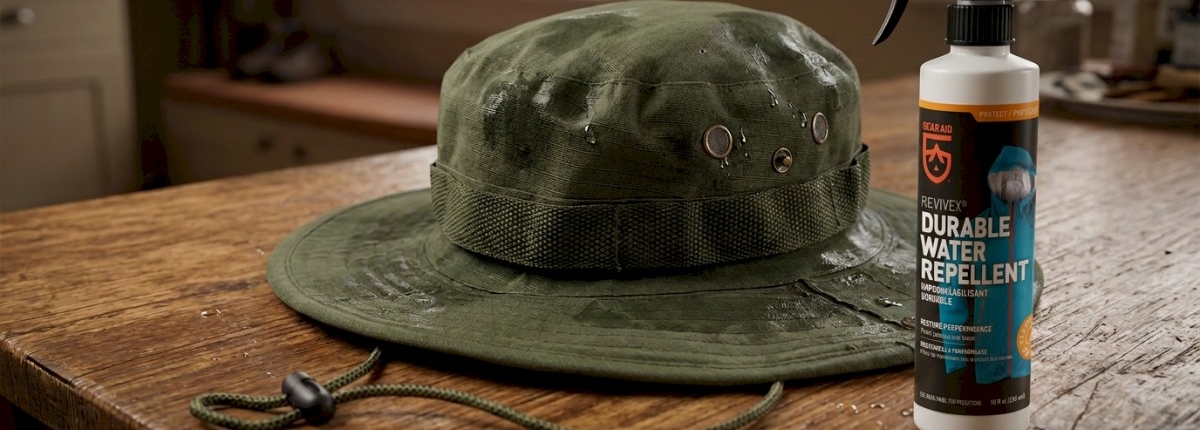
Proper maintenance extends the life of the hat and preserves its camouflage pattern. Machine wash cold on a gentle cycle, then tumble dry low or air‑dry. Avoid bleach, as it can break down the fabric’s UV‑resistant coating. If the hat becomes heavily soiled with mud or insects, pre‑rinse it in fresh water before washing. For hats with a water‑repellent finish, re‑apply a spray‑on DWR (Durable Water Repellent) treatment every few months to maintain its water‑shedding ability.
Frequently Asked Questions
Q: Can I wear a boonie hat under a helmet? A: Yes. The thin profile allows it to sit comfortably beneath most combat helmets, providing extra shade without compromising fit.
Q: Are there gender‑specific boonie hats? A: Most designs are unisex, but some brands offer a slightly narrower cut for women or provide adjustable sizing options that accommodate different head shapes.
Q: How does a boonie hat compare to a patrol cap? A: A patrol cap has a shorter brim and is more formal, while a boonie hat offers broader sun coverage and a more tactical silhouette. Choose based on the level of sun protection and camouflage you need.
Q: Is the chin strap mandatory? A: For tactical use, the chin strap is highly recommended to keep the hat secure during rapid movement. For casual wear, you can detach it if you prefer a looser fit.
Bottom Line: Why the Military Boonie Hat Remains a Top Choice
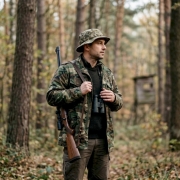 From its humble beginnings in Vietnam’s swamps to today’s high‑tech outdoor gear aisles, the military boonie hat has proven its worth across multiple domains. Its blend of wide‑brim sun protection, durable, breathable fabric, and terrain‑specific camouflage makes it a versatile tool for soldiers, hunters, hikers, and everyday adventurers alike. By understanding the material options, fit considerations, and care requirements, you can select a hat that not only looks rugged but also performs reliably in the conditions you face.
Whether you’re heading into a tropical forest, fishing, hunting, trekking a desert trail, or simply navigating a sunny city street, a well‑chosen boonie hat can keep you comfortable, protected, and ready for whatever lies ahead.