

Everything You Need to Know About Sling Bags – A Complete Guide
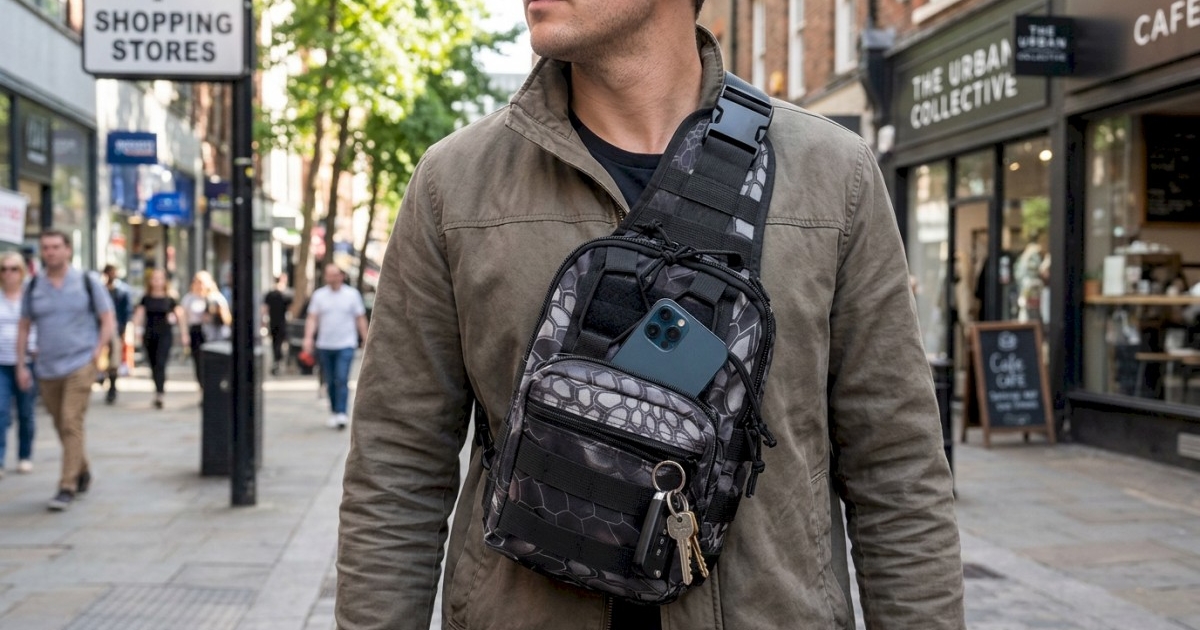
If you’ve ever found yourself wrestling with a bulky backpack just to grab a phone or wallet, you’ve probably wished for something lighter, quicker, and still secure. That wish is answered by the sling bag—a single‑strap carry solution that rests across the chest or back, allowing you to swing it around with a single motion. Unlike traditional backpacks that spread weight over two shoulders, a sling bag concentrates the load on one side, but its ergonomic design keeps the weight close to the body’s center of mass, reducing strain while still offering easy access. The core idea is simple: a compact, hands‑free pouch that can be flipped forward in a split‑second, keeping your essentials within arm’s reach.
The typical sling bag ranges from about 5 to 15 liters in capacity. While the smaller end of that spectrum can hold just a phone, keys, and a slim wallet, the larger models can comfortably accommodate a tablet, a small water bottle, and a few personal care items. The defining features are the single adjustable strap, a top‑loading or side‑zip entry, and a series of internal and external pockets designed for organization. Many modern sling bags also incorporate weather‑resistant fabrics, reinforced stitching, and tactical hardware that make them suitable not only for daily commuting but also for light travel, festivals, and outdoor adventures.
Why Sling Bags Have Become a Favorite for Everyday Carry
The rise of the “everyday carry” (or EDC) movement has placed a premium on items that are both functional and minimalist. Sling bags hit that sweet spot because they blend the portability of a messenger bag with the security of a backpack. When you’re navigating a crowded subway platform, pulling a full‑size backpack over your head to retrieve a ticket can be awkward. A sling bag, however, can be swung forward to your chest, letting you grab that ticket without missing a beat. This quick‑access capability is especially valuable for commuters, cyclists, and anyone who spends a lot of time in transit.
Beyond convenience, sling bags also excel at weight distribution. Because the strap is worn across the torso, the bag sits snugly against the body, reducing the swing and bounce that can occur with a shoulder bag that hangs on one side. This makes it a comfortable option for longer walks or short hikes where you might be moving over uneven terrain. The design also discourages over‑packing; the limited interior volume forces you to think critically about what you truly need, which aligns perfectly with the minimalist ethos of modern EDC.
How Sling Bags Organize Your Gear
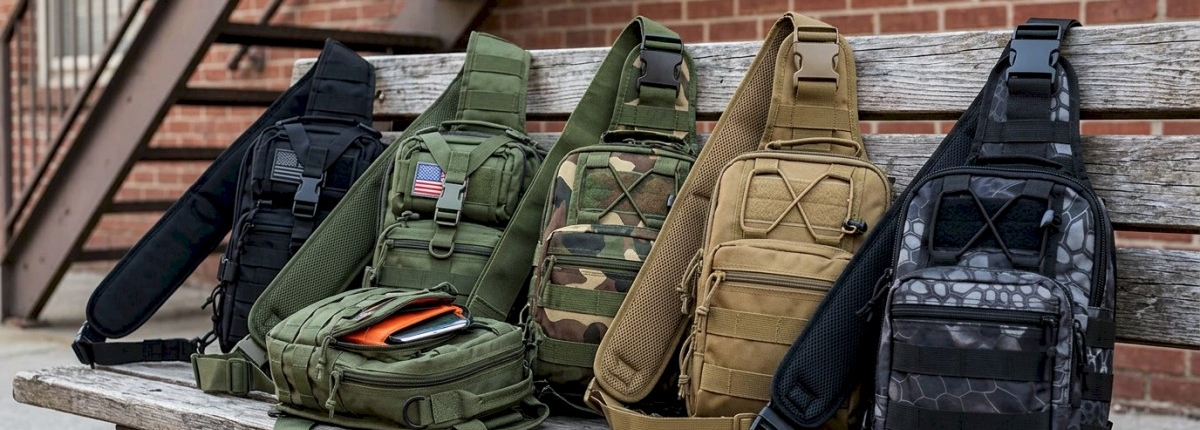
Even though sling bags are smaller than backpacks, a well‑designed model can feel surprisingly spacious. Most feature a main compartment that opens via a large zipper, often lined with a soft fabric to protect delicate items. Inside, you’ll typically find a series of mesh pockets, zippered slots, and elastic loops. These compartments are strategically placed to separate items like a phone, wallet, and keys, ensuring you don’t have to rummage through a jumble of belongings.
External organization is equally important. Many sling bags sport a quick‑access zip pocket on the front or side, perfect for a transit card or a set of earbuds. Some models add a hidden RFID‑blocking pocket for credit cards and passports, while others include a detachable key ring or a carabiner loop for added versatility. The combination of internal dividers and external pockets means you can keep your most used items on the surface for fast retrieval while storing less‑frequent items safely inside.
Materials That Keep a Sling Bag Durable
Durability is a top concern for any bag that will see daily use. The most common fabrics for sling bags are high‑denier nylon and polyester blends. These materials are lightweight yet resistant to abrasion, which is crucial when the strap rubs against clothing or when the bag brushes against rough surfaces. Look for reinforced ripstop patterns—tiny crosshatch threads woven into the fabric—that prevent small tears from spreading.
Hardware also plays a big role. Heavy‑duty YKK zippers are the industry standard because they glide smoothly and resist snagging. Metal D‑rings, buckles, and adjustable sliders add strength to the strap and attachment points. Some premium models even use aircraft‑grade aluminum for frame reinforcements, which adds structure without a noticeable weight penalty. When you combine robust fabrics with solid hardware, the sling bag can withstand daily friction, sudden impacts, and the occasional drop.
Weather Resistance: Keeping Your Gear Dry

A sling bag’s compact size doesn’t mean it should sacrifice protection from the elements. Water‑resistant treatments—such as polyurethane (PU) coatings or DWR (Durable Water Repellent) finishes—help repel light rain and splashes. For those who need extra protection, many manufacturers offer a rain cover that folds into a pocket, ready to deploy when a sudden downpour hits.
Beyond water resistance, look for reinforced stress points. The strap’s attachment area, zipper pulls, and the bag’s corners endure the most strain. Double‑stitched seams and bar‑tacked corners add extra reinforcement, preventing seam failure under load. A well‑constructed sling bag will stay functional in a drizzle, a brisk wind, or even a brief submersion without compromising the safety of your electronics or documents.
When a Sling Bag Beats a Backpack
Choosing the right bag often comes down to the specific scenario. If your day consists of a quick coffee run, a short commute, or a weekend music festival, a sling bag is typically the smarter choice. It offers enough room for a phone, wallet, keys, a slim power bank, and perhaps a small water bottle, all while staying lightweight and unobtrusive. The single‑strap design also makes it easier to slip on and off in tight spaces—think crowded trains or bustling airport security lines.
Another advantage appears in situations that demand rapid access. Imagine you’re waiting for a boarding call and need to pull out a boarding pass instantly; a sling bag can be swung to the front of your chest, letting you retrieve the pass without removing the entire bag. This speed factor is a subtle but powerful benefit for anyone who values efficiency.
When a Backpack Still Reigns Supreme

Despite their many benefits, sling bags have clear limits. Their capacity caps out at roughly 15 liters, which means they’re not suited for heavy laptops, large textbooks, gym clothes, or bulky food containers. For longer trips, extended workdays, or activities that require heavier gear—like hiking with a hydration bladder—a backpack’s dual‑strap system distributes weight more evenly, reducing fatigue on a single shoulder.
Additionally, backpacks often feature external attachment points for items like trekking poles, a sleeping pad, or a bike helmet. If your lifestyle includes regular outdoor adventures that need these extras, a backpack will likely serve you better. The key is to match the bag to the load: sling bags excel at light, mobile loads; backpacks dominate when you need to carry more weight over longer periods.
Popular Uses for Sling Bags
Because they sit between a pocket and a full‑size bag, sling bags have become the go‑to option for a variety of everyday activities. Commuters love them for the quick‑access to transit cards and phones. Travelers appreciate the ability to keep passports, boarding passes, and a small tablet within reach while navigating airports. Festival‑goers enjoy the secure, hands‑free design that leaves their hands free for dancing or holding a beverage. Cyclists benefit from the low‑profile silhouette that doesn’t interfere with handlebars. Even students use sling bags to store notebooks, pens, and a compact laptop during short classes.
The versatility extends further when you consider specialized models. Some sling bags incorporate built-in USB charging ports, allowing you to connect a power bank inside the bag while the cable runs to the outside. Others feature modular attachment systems—like MOLLE or snap‑on pouches—that let you customize the bag for tactical or photography gear. This adaptability makes the sling bag a true multipurpose companion.
Picking the Right Size for Your Lifestyle
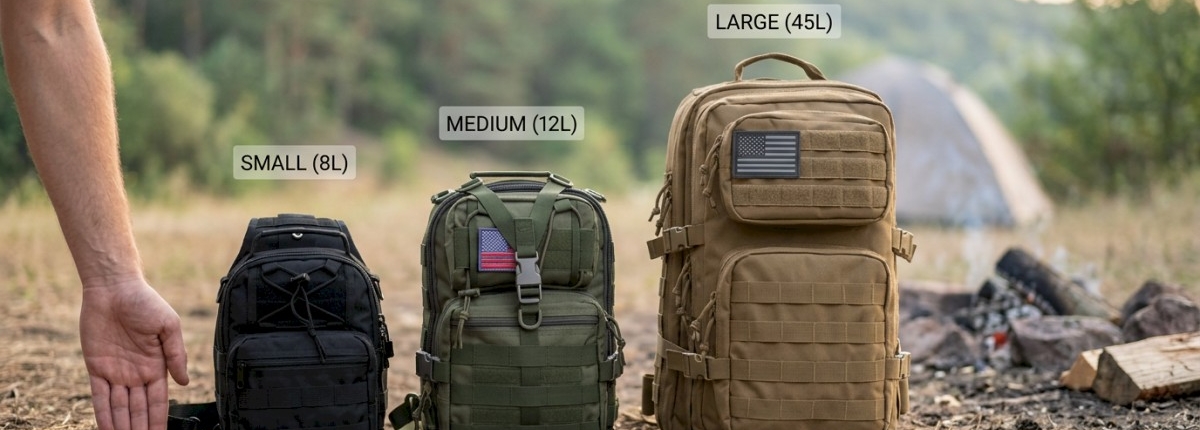
Before you buy, take inventory of what you actually carry day‑to‑day. A 5‑liter sling bag is perfect for minimalists who need only a phone, keys, and a slim wallet. If you also carry a tablet, a small water bottle (around 500 ml), and a few personal care items, aim for a 10‑liter model. Larger 12‑15 liter versions can accommodate a compact DSLR, a paperback, and a light lunch.
Fit is equally important. The strap should be fully adjustable, allowing you to wear the bag low on the hips for a casual look or higher on the chest for added security. Padding on the strap adds comfort, especially when the bag is fully loaded. Test the bag’s balance by loading it with your typical items—if it feels lopsided or pulls heavily on one shoulder, consider a model with a wider, more ergonomic strap.
How to Choose the Ideal Sling Bag for Everyday Use
When evaluating options, keep these criteria in mind:
- Organizational Layout – Look for a mix of internal compartments and external pockets that match your most‑used items. A dedicated laptop sleeve, a hidden RFID pocket, and a quick‑access front zip are all worth considering.
- Material & Build Quality – High‑denier nylon with reinforced stitching and YKK zippers will outlast cheaper polyester blends. Check reviews for durability claims.
- Weather Protection – A water‑resistant coating or an included rain cover can be a game‑changer in wet climates.
- Comfort Features – Padded, breathable straps and a ergonomic shape prevent shoulder fatigue.
- Style & Aesthetics – While function leads, a design that fits your personal style encourages you to use the bag consistently.
By aligning these factors with your routine, you’ll find a sling bag that not only meets your practical needs but also feels like a natural extension of your everyday wardrobe.
Maintaining Your Sling Bag for Longevity
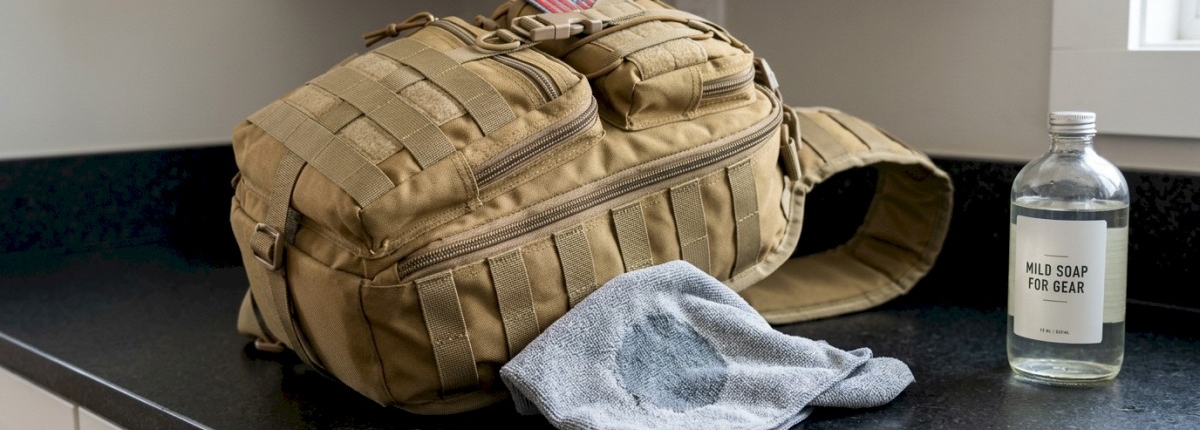
A sling bag is an investment in convenience, so treating it right will extend its life. Regular cleaning is simple: wipe the exterior with a damp cloth and mild soap, then let it air‑dry. For fabric interiors, a gentle vacuum can remove dust. Check the strap and hardware periodically for signs of wear; tightening loose buckles or re‑stitching frayed seams early prevents bigger failures later. If your bag includes a removable rain cover, store it folded in a dedicated pocket so it’s ready for the next storm.
Lastly, avoid overloading. Even the strongest sling bag has a weight limit—usually indicated by the manufacturer. Consistently exceeding that limit can stretch seams, deform the strap, and reduce the bag’s ergonomic benefits. By keeping the load within the recommended range, you preserve both comfort and durability.
Final Thoughts: Is a Sling Bag Right for You?
Sling bags strike a compelling balance between portability, accessibility, and organization. They’re ideal for anyone who wants to streamline their daily carry without sacrificing protection for their essentials. Whether you’re a commuter, a traveler, a student, or simply someone who enjoys a light, hands‑free bag, a sling bag can simplify your routine and keep you moving efficiently.
If you’re ready to upgrade your everyday carry, browse our collection of tactical bags to find sling bags constructed of durable materials that support your activities wherever you go. A quality sling bag will not only meet today’s needs but also adapt as your lifestyle evolves, offering a reliable, stylish solution for years to come.
Key Takeaways
- Sling bags provide quick, hands‑free access while keeping weight close to the body, reducing fatigue compared to shoulder bags.
- Look for high‑denier nylon, reinforced stitching, and YKK zippers for lasting durability.
- Weather‑resistant fabrics and reinforced stress points protect your gear in rain and everyday wear.
- Ideal for light loads such as phones, wallets, tablets, and small water bottles; not suited for heavy or bulky items.
- Choose size, strap comfort, and organizational features that match your daily routine for the best experience.