

Daypacks vs Backpacks: Key Differences Explained
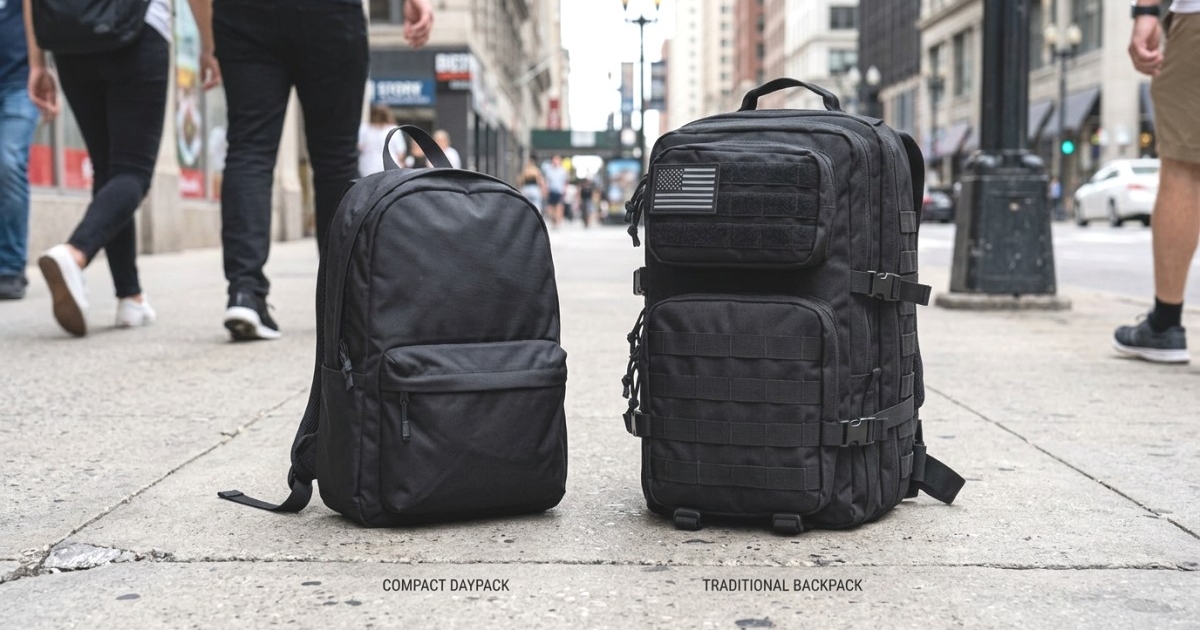
A daypack is essentially a mini‑backpack designed for short‑duration outings. Think of a Saturday morning market run, a quick hike to a scenic overlook, or a commute that only requires a laptop, a water bottle, and a few personal items. Typical daypacks range from 15 to 30 liters in capacity, which forces the wearer to be selective about what gets packed. This size constraint is intentional—it promotes a minimalist packing mindset, stripping away the “just in case” items that can weigh you down.
The construction of a daypack mirrors its purpose. Most models feature a single main compartment with a few auxiliary pockets for keys, a phone, or a small snack. The lack of a complex internal framework keeps the bag lightweight, often under 1.5 pounds when empty. Straps are usually slim, sometimes padded, but they rarely incorporate the sophisticated suspension systems you’ll find on larger backpacks. The result is a bag that feels almost invisible on the shoulders, allowing for unrestricted movement whether you’re navigating crowded city streets or scrambling over a short trail.
Because daypacks are built for agility, they often include quick‑access features like a front zip pocket, a hidden stash for a passport, or a side mesh pocket for a water bottle. These design touches are meant to keep the most frequently used items within arm’s reach, eliminating the need to dig through the main compartment. If you’re someone who values speed and simplicity, a daypack can become a seamless extension of your daily routine.
Defining the Traditional Backpack
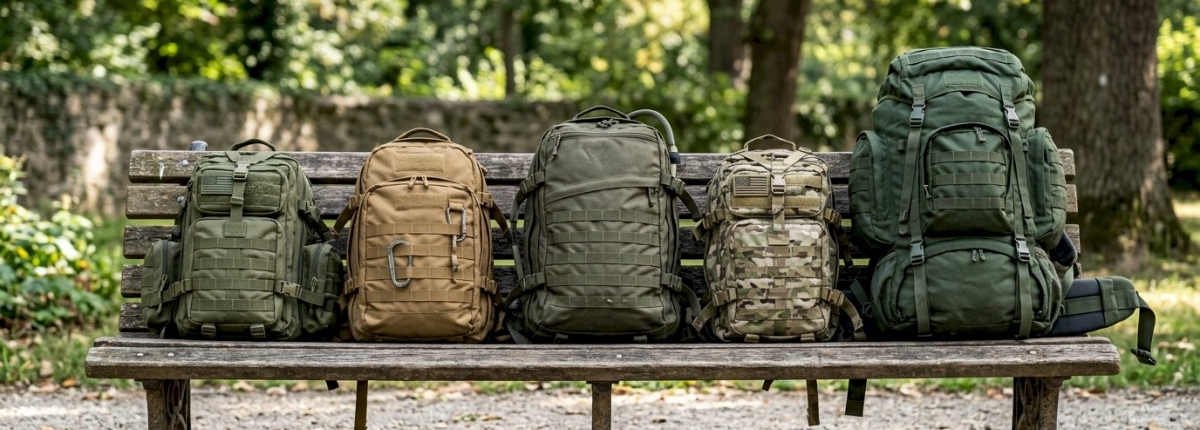
When we talk about a traditional military style or tactical backpack, we’re usually referring to a bag that sits in the 30‑ to 60‑liter range, though many specialized models push well beyond that. These backpacks are built to handle full‑day to multi‑day loads, making them popular among commuters, students, and outdoor enthusiasts alike. The extra volume isn’t just about fitting more stuff; it’s about providing dedicated spaces for a wide variety of gear.
A typical full‑size backpack will include a dedicated laptop sleeve, a hydration‑compatible main compartment, multiple interior pockets, and often external attachment points for items like trekking poles or a sleeping pad. The internal structure is reinforced with a frame—either internal, external, or semi‑rigid—which helps distribute weight evenly across the shoulders, hips, and back. Padded shoulder straps, a ventilated back panel, and a waist belt are common, creating a suspension system that can comfortably carry 15‑30 pounds for extended periods.
Durability is another hallmark of traditional backpacks. Materials such as Cordura nylon, ripstop polyester, or even high‑tenacity ballistic fabrics are used to resist abrasion, rain, and everyday wear. Reinforced stitching, YKK zippers, and water‑resistant coatings further extend the bag’s lifespan, making it a reliable companion for everything from a day at the office to a weekend backpacking trip.
Volume, Intent, and Packing Philosophy
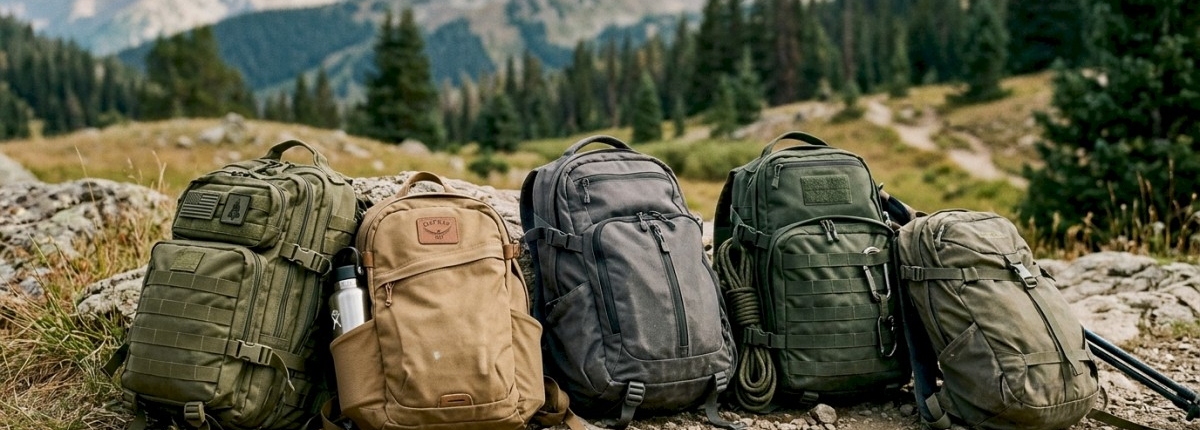
The most obvious distinction between daypacks and backpacks is how much you can carry. A daypack’s limited capacity forces you to adopt a curated packing philosophy—only the essentials make the cut. This can be liberating; you learn to prioritize items that truly add value to your day, whether that’s a reusable coffee cup, a compact notebook, or a pair of wireless earbuds.
Conversely, a traditional backpack offers the freedom to over‑prepare. You can pack a change of clothes, a full‑size lunch, a spare pair of shoes, and still have room for a tablet, a paperback, and a small first‑aid kit. While this can feel comforting, it also opens the door to over‑packing, which can lead to unnecessary weight and fatigue. The key is to balance capacity with intention—use the extra space for items that genuinely support your daily routine, not just for “just in case” scenarios.
Both bag types encourage a different mental approach to daily organization. Daypacks nudge you toward lean, purposeful travel, often resulting in a lighter, more energetic day. Backpacks allow for comprehensive preparedness, which can be a lifesaver on longer commutes or when transitioning between multiple activities (e.g., office → gym → after‑work meetup).
Organizational Architecture: Simplicity vs. Complexity
Inside a daypack, you’ll typically find a large, open main compartment that can hold a few books, a slim laptop sleeve, and perhaps a small pouch. Secondary pockets are limited to a front zip pocket, a side water‑bottle pocket, and maybe a hidden internal zip for valuables. This layout works well when you only need to access a handful of items quickly. The downside is that everything shares the same space, which can lead to scrambling for a charger or a pen if you’re not disciplined about placement.
Traditional backpacks, on the other hand, are designed like mini‑wardrobes. A dedicated laptop compartment protects electronics with a padded sleeve, while a separate tablet sleeve or document organizer keeps paperwork flat and accessible. Many models feature a front organizer panel with zippered pockets, pen loops, and card slots, plus internal mesh dividers that let you segment clothing from electronics. External compartments, such as a quick‑grab top pocket or a fleece‑lined sleeve, add another layer of convenience for items you need on the fly.
This complexity can be a double‑edged sword. For users who thrive on order, the multitude of compartments means instant retrieval and protected gear. For those who prefer a straightforward approach, the extra pockets can feel unnecessary. The trick is to match the bag’s internal architecture to your personal organization style and daily demands.
Ergonomics: How the Design Affects Your Body
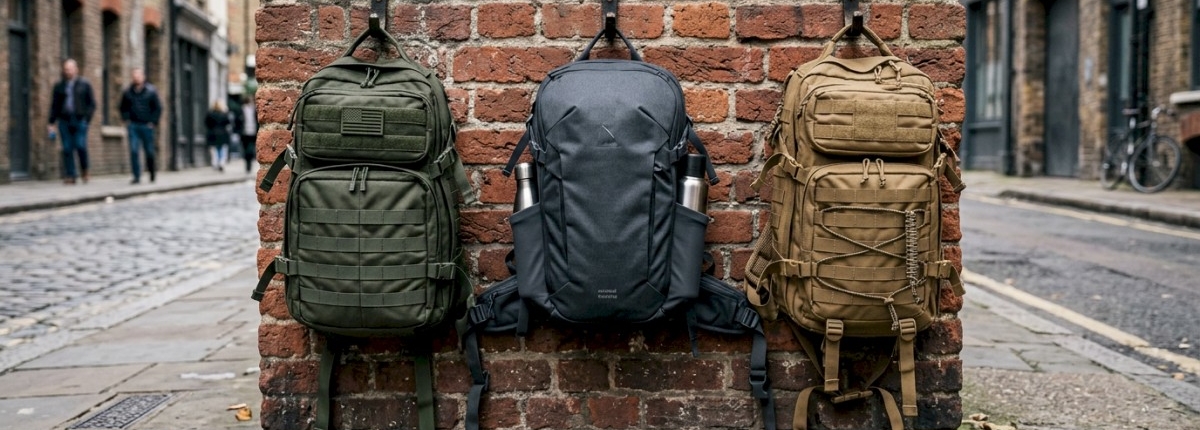
Carrying weight without proper support can quickly turn a pleasant day into an uncomfortable ordeal. Daypacks, with their minimalist straps and lack of a frame, are best suited for light loads—typically under 10 pounds. When you stay within this weight range, the bag behaves like a simple sling, allowing free movement and minimal strain on the shoulders.
However, once you exceed that threshold, the absence of a suspension system becomes apparent. The weight is borne directly by the shoulders, which can lead to shoulder fatigue, neck tension, and uneven pressure on the spine. This is why daypacks are rarely recommended for heavy laptops, large water reservoirs, or any gear that pushes the load beyond the “light” category.
Traditional backpacks mitigate these issues with padded, adjustable shoulder straps, a sternum strap, and often a hip belt that transfers a portion of the load to the pelvis. The internal frame—whether a lightweight plastic sheet, aluminum stays, or a semi‑rigid composite—helps maintain the bag’s shape, preventing it from sagging and ensuring that weight stays close to the body’s center of gravity. The result is a balanced carry that reduces strain on the back and shoulders, even when the bag is loaded to its full capacity.
For anyone who spends more than an hour with a loaded bag, investing in a well‑engineered backpack is not a luxury; it’s a health consideration.
Hybrid and Tactical Options: The Best of Both Worlds
If you find yourself stuck between the minimalist appeal of a daypack and the capacity of a full‑size backpack, hybrid or tactical backpacks may be the solution. These bags often hover around the 20‑ to 35‑liter mark, offering a compact silhouette while incorporating reinforced frames, modular attachment systems, and dedicated laptop sleeves.
Tactical designs borrow from military‑grade materials—think 150‑D nylon, waterproof coatings, and MOL‑MEL attachment loops—providing durability without the bulk. They also feature adjustable compression straps that let you shrink the bag’s profile when you’re carrying less, preserving the sleek feel of a daypack. At the same time, they retain ergonomic padding and, in many cases, a sturdy waist belt for added support.
For urban commuters who occasionally need to carry a camera kit, a spare change of clothes, or a small tripod, a tactical hybrid can serve as a versatile, all‑day companion. It offers the quick‑access pockets of a daypack, the structured organization of a traditional backpack, and the rugged durability to survive rain, bumps, and the occasional drop.
How to Choose the Right Bag for Your Lifestyle
- Assess Your Daily Load – List the items you typically carry. If you’re consistently under 10 pounds, a daypack will likely meet your needs. If you regularly transport a laptop, a gym bag, and a lunch, lean toward a traditional backpack.
- Consider Your Environment – Urban settings favor compact, streamlined designs that slip through crowds and onto public transport. Outdoor or campus environments benefit from larger frames that can handle varied terrain and weather.
- Prioritize Ergonomics – If you anticipate long wear periods, look for padded shoulder straps, a ventilated back panel, and a waist belt. Even a mid‑size daypack can incorporate these features, but they’re standard on most backpacks.
- Evaluate Organizational Needs – Do you need separate compartments for electronics, documents, or small accessories? A backpack’s multiple pockets will keep things tidy. If you only need a couple of zip pockets, a daypack suffices.
- Test Fit and Comfort – Whenever possible, try the bag on with weight in it. Adjust the straps and ensure the bag sits high on the back with the weight centered. A well‑fitted bag should feel like an extension of your body, not a burden.
By walking through these steps, you can narrow down the options and select a bag that aligns with both your functional requirements and personal style.
Real‑World Scenarios: Which Bag Wins?
- The Urban Commuter – A 25‑liter daypack with a padded laptop sleeve, a front quick‑grab pocket, and a water‑bottle holder is ideal for riding the subway, grabbing a coffee, and heading to a meeting.
- The College Student – A 35‑liter backpack featuring a dedicated laptop compartment, a hardcover textbook sleeve, and a side mesh pocket for a water bottle accommodates classes, study sessions, and a gym visit.
- The Weekend Hiker – A 45‑liter backpack with an internal frame, hydration reservoir compatibility, and external attachment points for trekking poles offers the capacity and support needed for day‑long treks.
- The Freelance Photographer – A tactical hybrid bag (around 30 liters) with modular MOL‑MEL straps, a padded camera insert, and multiple internal dividers lets the user switch between a camera kit and a laptop without changing bags.
These examples illustrate how the right bag is less about brand or price and more about matching the bag’s features to the specific demands of your daily life.
Maintaining Your Bag for Longevity
![backpack on white table with cleaning supplies [mild detergent, soft brush, water‑repellent spray]](https://www.ecogearfx.com/wp-content/uploads/backpack-white-table-cleaning-supplies-detergent-brush-water-repellent-1200x430.jpg)
Regardless of whether you choose a daypack or a backpack, proper care extends its lifespan. Empty the bag after each use to prevent mildew, especially if you’ve stored damp items. Spot‑clean fabric with a mild detergent and a soft brush; avoid machine washing unless the manufacturer explicitly states it’s safe. For leather straps or reinforced frames, apply a water‑repellent spray periodically to maintain water resistance.
Regularly inspect zippers, stitching, and buckles for wear. Replacing a broken zipper early prevents larger tears. If your bag includes a hydration bladder, clean it after every use to avoid mold buildup. By treating your bag with respect, you’ll ensure it remains a reliable partner for years to come.
Final Thoughts
The debate between daypacks and backpacks isn’t about which is inherently superior; it’s about context, capacity, and comfort. Daypacks excel in situations where speed, minimalism, and agility are paramount. Traditional backpacks dominate when you need volume, structured organization, and ergonomic support for heavier loads. Hybrid tactical designs sit in the middle, offering a blend of durability and compactness for those whose lives demand flexibility.
Take the time to analyze your daily routine, weigh your typical load, and try the bag on before you buy. When the bag’s size, organization, and ergonomics line up with your lifestyle, you’ll experience a noticeable boost in comfort and efficiency—whether you’re navigating city streets, trekking a mountain trail, or hopping from class to the gym.
Ready to upgrade your carry‑all? Explore collections that cater to every need, from sleek daypacks to rugged backpacks, and discover the perfect match for your everyday adventures.