

Different Types of Gym Backpacks Explained – Find Your Perfect Fit
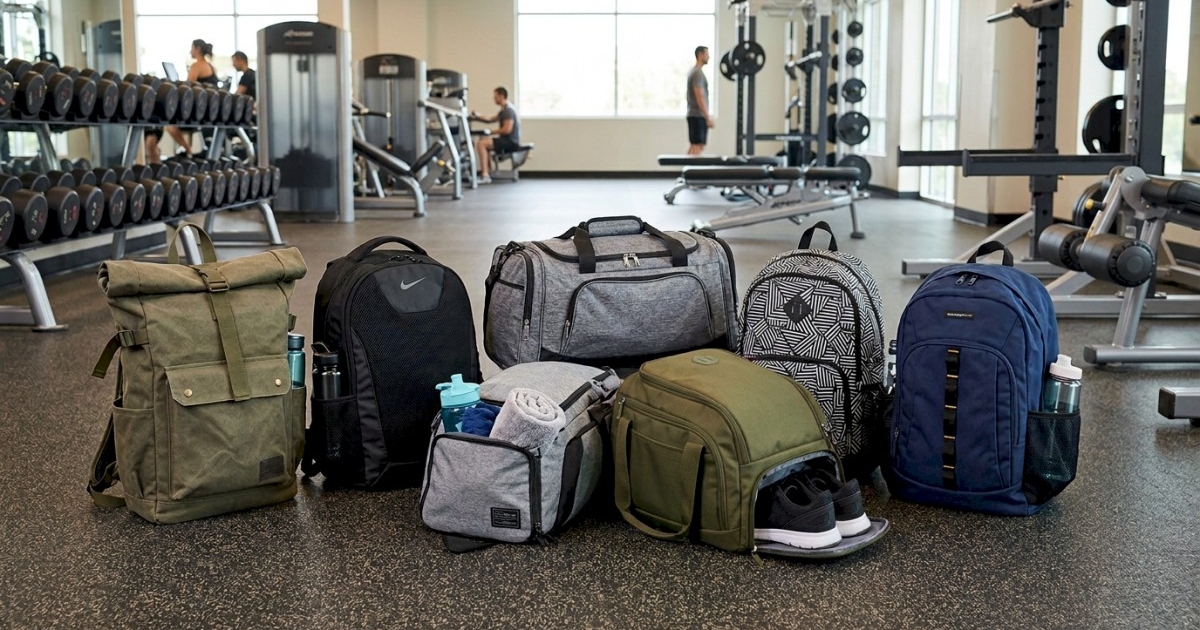
If you’ve ever wrestled with a tangled mess of shoes, towels, water bottles, and a laptop in a single, over‑stuffed gym bag, you know the pain of a poorly designed backpack. The right gym backpack does more than just hold your gear—it streamlines your routine, protects expensive electronics, and can even improve your posture during long commutes. In today’s market, manufacturers have moved well beyond the basic drawstring sack, offering a spectrum of styles that cater to specific training habits, travel schedules, and personal preferences. This guide walks you through the most common types of gym backpacks, breaking down the features that matter, the pros and cons of each design, and who will benefit most from each option. By the end, you’ll have a clear picture of which backpack aligns with your lifestyle and how to evaluate quality beyond flashy marketing claims.
Traditional Gym Backpacks: The All‑Rounder
Traditional gym backpacks are the workhorses of the fitness world. Think of a classic, rectangular workout backpack with a large main compartment, a front zip pocket, side mesh pockets for water bottles, and padded shoulder straps. The design is intentionally simple, aiming to accommodate everything a typical gym‑goer needs: a pair of shoes, a change of clothes, a towel, a water bottle, and a few small accessories like a lock or resistance bands.
Core Features and Benefits
- Spacious Main Compartment – Most models offer 20–30 liters of volume, enough for a full workout outfit plus an extra jacket for cooler evenings. The open‑plan layout makes it easy to toss items in and out without hunting for specific pockets.
- Accessory Pockets – Mesh side pockets keep bottles upright, while a zippered front pocket is perfect for keys, phone, or a small wallet. Some designs add a hidden pocket for a passport or gym membership card.
- Comfort‑Focused Straps – Padded shoulder straps and a breathable back panel distribute weight evenly, reducing shoulder fatigue during longer carries.
Who Should Choose This Style?
If you hit the gym most days, need a bag that doubles as a school or work sack, and don’t require specialized compartments, a traditional or military-style backpack is the safest bet. It’s also a solid entry‑level choice for beginners who want durability without paying a premium for niche features. Some have MOLLE straps so you can attach small items such as a water bottle or gym towel.
Things to Watch Out For
Low‑quality fabrics can fray at the seams when you consistently pack heavy shoes and wet towels. Look for reinforced stitching, double‑stitched seams, and robust zippers. A water‑resistant coating is a plus, but not essential for indoor gym use.
Tactical Gym Backpacks: Rugged Organization for Heavy Load‑Carriers
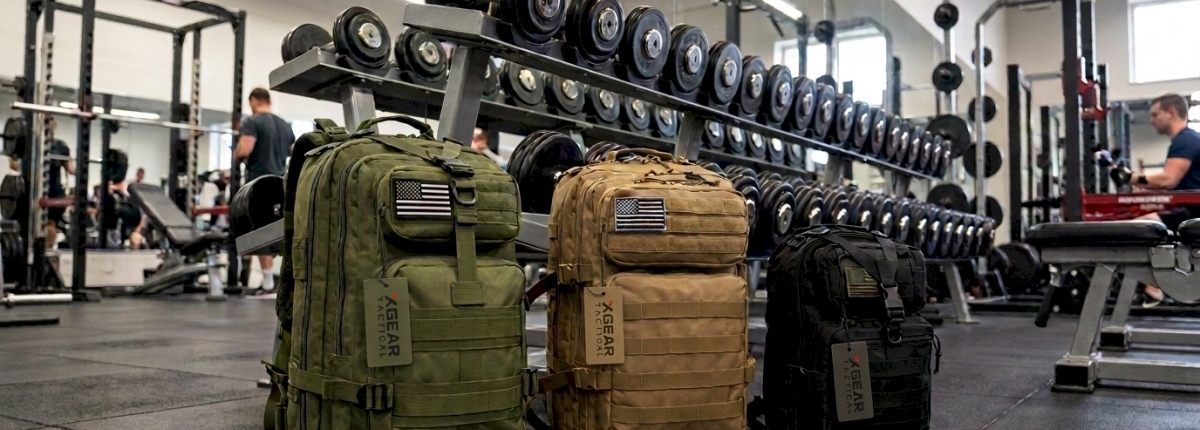
Tactical backpacks borrow design cues from military gear—MOL‑M (Modular Lightweight Load‑Carrying Equipment) webbing, heavy‑duty fabrics, and a structured silhouette. They’re built to survive rough handling, weather extremes, and the constant load of a heavy workout kit.
Key Characteristics
- Multiple Dedicated Compartments – Unlike the single‑large chamber of traditional packs, tactical models feature a series of zip and Velcro pockets. One might be a padded laptop sleeve, another a fleece‑lined shoe compartment, and yet another a detachable utility pouch for small items like charging cables or supplements.
- Heavy‑Duty Materials – Most tactical bags use 600‑denier or higher polyester, often with a waterproof laminate. Reinforced corners and bar‑tacks at stress points keep the bag from tearing under the weight of a weight‑lifting belt, chalk bag, or a pair of heavy boots.
- Structured Shape – A semi‑rigid frame helps the bag keep its form, making it easier to stack on shelves and reducing the “flopping” sensation when the bag is half‑empty.
Ideal Users
- Strength athletes who need to transport plates, chalk, belts, and multiple clothing layers.
- First responders or outdoor enthusiasts who appreciate the durability and modularity for both gym and field work.
- Travelers who want a bag that can pass through airport security while protecting electronics.
Potential Drawbacks
Because of the added structure and extra hardware, tactical backpacks can be heavier out of the box (often 1.5‑2 lb before you add anything). If you primarily need a lightweight bag for a quick cardio session, the bulk might feel unnecessary.
Meal‑Prep Backpacks: Keep Food Fresh on the Move

For athletes who track macronutrients down to the gram, a standard gym bag just won’t cut it. Meal‑prep backpacks incorporate insulated compartments, sometimes with removable ice packs, to keep lunches, protein shakes, and snacks at the right temperature for up to 12‑hours.
What Sets Them Apart?
- Insulated Core – A thick, foam‑lined section runs along one side of the bag, often with a zip‑close or Velcro seal. This compartment can hold a typical 32‑oz meal container, a small thermos, or a set of snack boxes.
- Separate Food and Gear Zones – A built‑in divider stops sweaty gym clothes from contaminating your food. Some models also feature a ventilated shoe pocket to keep odor away from meals.
- Extended Capacity – Because the insulated area adds bulk, these backpacks usually provide extra overall volume (30‑35 L), making them suitable for long workdays or double‑session training.
Who Benefits Most?
- Bodybuilders and powerlifters who consume multiple meals per day and need a reliable way to transport pre‑cooked dishes.
- Personal trainers who move between client locations and require a portable “nutrition hub.”
- Students who want a single bag for both gym gear and lunch.
Caveats
Insulation adds weight and reduces the amount of space available for non‑food items. If you rarely bring meals or prefer a cooler that you can store separately, a regular backpack may be more efficient.
Duffel‑Style Backpack Hybrids: Bulk Meets Comfort

Hybrid designs blend the cylindrical, open‑top shape of a duffel with the back‑carrying comfort of a backpack. The result is a wide‑mouth bag that can accommodate bulky items like a pair of cleats, a yoga mat, or even a spare pair of sneakers without the awkward shoulder strain that a typical duffel creates.
Design Highlights
- Convertible Carry Options – Most hybrids feature both backpack straps and a top handle. Some include a removable waist belt for added stability when the bag is fully loaded.
- Expandable Compartments – Zippers along the side often allow the bag to expand an extra 5‑10 L, perfect for a weekend training camp.
- Reinforced Bottom Panel – Heavy‑duty tarpaulin or reinforced canvas prevents wear from sitting on rough gym floors.
Best For
- Strength and power athletes who need space for weight plates, lifting straps, and extra clothing.
- Team sport players (soccer, rugby, martial arts) who bring protective gear, helmets, and pads.
- Weekend travelers who want one bag to cover both gym and overnight essentials.
Drawbacks
The larger footprint can be cumbersome on public transportation or in crowded locker rooms. If you primarily attend a boutique studio with limited gear, a hybrid may feel overkill.
Compact Gym Backpacks: Minimalist Efficiency
Compact backpacks target the “less‑is‑more” crowd. Typically ranging from 10‑15 L, these bags focus on lightweight construction, streamlined storage, and a sleek aesthetic that fits into tight spaces like bike racks or commuter lockers.
Core Attributes
- Slim Profile – Narrow shoulders and a tapered bottom keep the bag from bulging, making it comfortable for short walks and quick trips.
- Smart Internal Layout – Even with limited space, designers incorporate a shoe sleeve, a small insulated pocket for a protein bar, and a dedicated laptop or tablet sleeve for the modern fitness‑tech enthusiast.
- Lightweight Materials – Ripstop nylon or polyester blends keep the bag under 1 lb when empty.
Ideal Users
- Casual gym goers who attend a 45‑minute class and only need a change of clothes, shoes, and a water bottle.
- Students who need a bag that slips into a locker and also carries a laptop.
- Urban commuters who cycle or walk to the gym and value a low‑profile design.
Limitations
You won’t be able to jam in a large towel, a spare hoodie, or multiple pairs of shoes. If your routine involves heavy gear or you need to pack a full day’s worth of meals, a compact bag will feel restrictive.
Waterproof Gym Backpacks: Defense Against Moisture
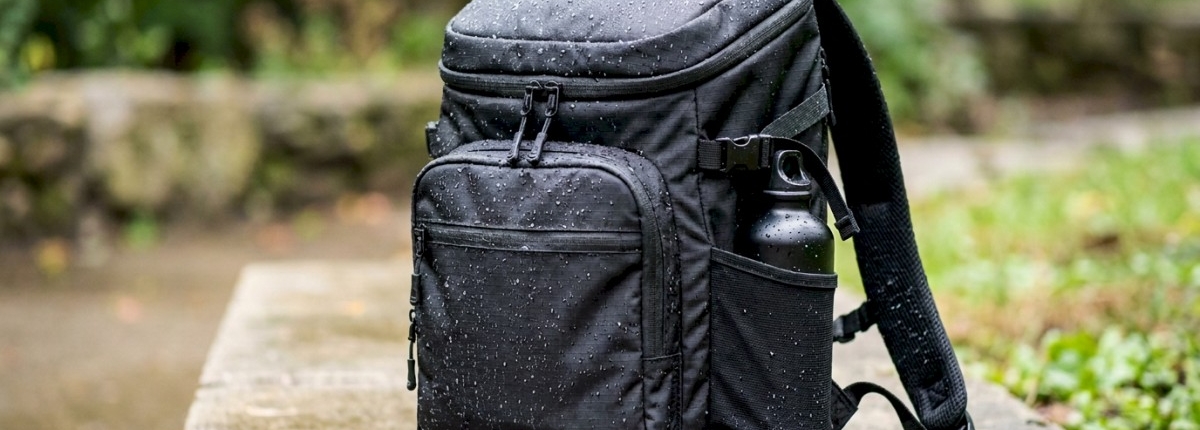
Gym environments are humid, sweaty, and occasionally rainy. A waterproof backpack protects electronics, dry clothing, and any paper documents you might be carrying (think training logs or a passport for a competition trip).
Features to Look For
- Fully Laminated Fabric – A 1000 mm waterproof rating ensures the bag can handle heavy rain and accidental spills.
- Sealed Zippers – Water‑tight YKK zippers with a rubber flap prevent seepage.
- Drainage Ports – Small vent holes at the bottom allow any trapped water to escape, avoiding a soggy interior after a rainy commute.
Who Needs It?
- Outdoor athletes (trail runners, cross‑fitters, parkour) who train in variable weather.
- Travelers who transition from airport to hotel to gym without a chance to dry out.
- Tech‑savvy users who carry a laptop, tablet, or smartwatch that could be damaged by moisture.
Potential Trade‑offs
Waterproof fabrics can feel less breathable, leading to a hotter back panel during intense cardio sessions. Many brands mitigate this with mesh padding that still allows airflow while keeping the exterior waterproof.
Shoe Compartment Backpacks: Hygiene First
One of the most common complaints about gym bags is the mingling of dirty shoes with clean clothes, causing odors and bacteria transfer. Shoe‑compartment backpacks solve this with a separate, often ventilated pocket that isolates footwear.
Design Details
- Ventilated Mesh Sleeve – Allows air circulation, reducing odor buildup.
- Zipper‑Lock or Flap Closure – Keeps shoes from spilling out during transport.
- Water‑Resistant Lining – Prevents sweat or mud from soaking into the rest of the bag.
Perfect For
- Runners who switch between road shoes and trail shoes.
- Cross‑fitters who use different footwear for rope climbs versus weightlifting.
- Gym‑goers who share lockers and need a quick, hygienic solution.
Downsides
The shoe compartment consumes a portion of the bag’s total volume, meaning you may have less space for clothing or accessories. If you rarely bring shoes (e.g., you store them at the gym), a dedicated compartment may be unnecessary.
Travel‑Friendly Gym Backpacks: The Dual‑Purpose Hero
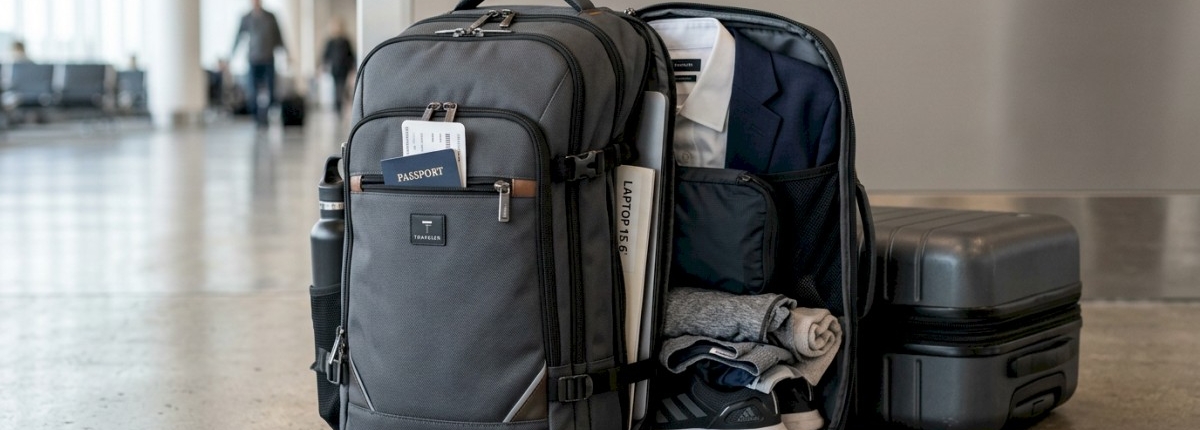
Frequent flyers, competition athletes, and business travelers need a bag that works as a gym sack and a carry‑on. Travel‑friendly gym backpacks blend the organization of a tactical pack with airline‑approved dimensions (usually 22 × 14 × 9 in).
What Makes Them Travel‑Ready?
- Expandable Main Compartment – Allows you to compress clothing for a short trip or expand for a full training week.
- Hidden Security Pockets – RFID‑blocking pockets safeguard passports, credit cards, and boarding passes.
- Laptop Sleeve – A padded compartment fits a 15‑inch laptop, eliminating the need for a separate tech bag.
- Comfort‑Centric Straps – Ergonomic shoulder straps and a lumbar pad make it comfortable to carry through an airport terminal.
Who Should Invest?
- Athletes competing in regional or international events who need to transport gear, uniforms, and personal items.
- Business professionals who hit the gym before or after work and prefer a single bag for everything.
- Digital nomads who need a versatile bag that can transition from a coworking space to a training session.
Possible Cons
Because they try to be a jack‑of‑all‑trades, travel‑friendly bags can be more expensive and may include features you never use (e.g., a built‑in laundry bag). Evaluate which features you truly need before splurging.
How to Choose the Perfect Gym Backpack for Your Lifestyle
- Define Your Primary Use‑Case – List the items you carry most often. If you need a shoe sleeve, prioritize that. If you bring a laptop, look for a padded sleeve.
- Consider Load Capacity – A 10‑L bag works for a quick spin class, while a 30‑L hybrid is better for weight‑lifting sessions that involve belts, chalk, and extra clothing.
- Evaluate Material & Construction – Look for high‑denier polyester or Cordura, reinforced stitching, and durable zippers. For waterproof needs, a laminated coating is a must.
- Test Comfort – If possible, try the bag on with weight. Shoulder straps should be padded and adjustable; a breathable back panel prevents sweating.
- Check Compatibility with Travel Rules – If you’ll be flying, ensure the bag meets carry‑on dimensions and has a sturdy handle for easy lifting.
- Budget vs. Features – High‑end tactical models can cost $120‑$180, while compact nylon backpacks may be under $50. Match your budget to the features you truly need.
Maintenance Tips to Extend Your Backpack’s Life
- Clean Regularly – Empty the bag, shake out debris, and wipe the interior with a mild detergent solution. For waterproof bags, use a specialized cleaner that won’t break the coating.
- Dry Properly – After a sweaty workout, open all compartments of your workout backpack and let the bag air‑dry before storing it in a locker.
- Repair Small Tears – Use fabric patches or a sewing kit to fix minor rips before they enlarge.
- Check Zippers – Apply a silicone‑based lubricant to keep them sliding smoothly, especially on waterproof models where rust can develop.
Final Thoughts: Your Backpack, Your Routine
There are a variety of gym backpacks and they have evolved from simple sacks to highly engineered pieces of gear that can handle everything from icy protein shakes to airport security checks. Whether you gravitate toward the rugged, compartment‑heavy tactical style, the temperature‑controlled meal‑prep option, or the sleek, minimalist compact model, the key is aligning the bag’s strengths with your daily habits.
Investing in a well‑designed workout backpack not only protects your equipment but also saves you time—no more digging for that missing sock or worrying about a wet laptop. Take the time to evaluate the features outlined above, test the fit on your shoulders, and you’ll find a bag that becomes an invisible partner in achieving your fitness goals.
Remember: the best gym backpack is the one you actually want to carry every day. Choose wisely, care for it, and let it help you stay organized, motivated, and ready for the next rep.