

Smart Tips for Packing a Carry-On on an Extended Trip
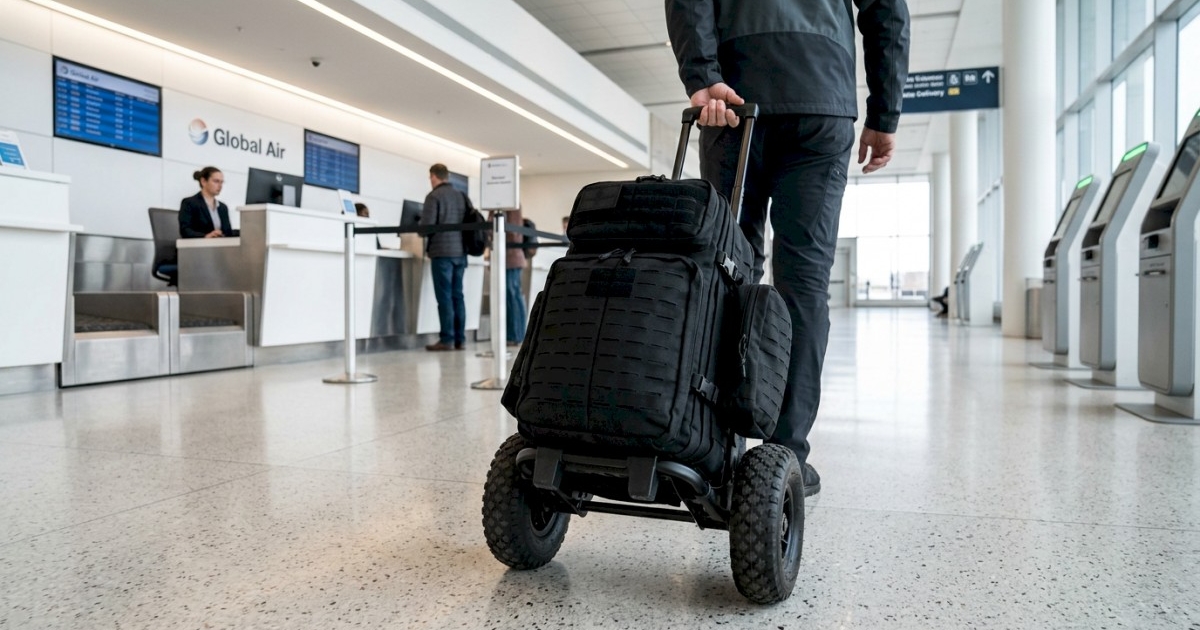
The first step to packing a carry‑on for a trip that lasts more than a weekend is to stop guessing and start writing. Grab a notebook or a notes app and jot down every category you’ll need. This includes items such as clothing, toiletries, electronics, documents, and any activity‑specific gear (like a yoga mat or a hiking helmet). Once you have the categories, break each one down into the absolute essentials. For clothing, ask yourself how many days you’ll actually be wearing each piece. If you’re traveling for two weeks, you probably don’t need 14 shirts. Instead, three to four versatile tops can be rotated if you do laundry.
Writing the list forces you to confront the reality of limited space. It also gives you a checklist to refer back to while you’re pulling items out of your closet, which helps keep impulse additions at bay. Keep the list visible as you pack; cross off each item as it goes into the bag. The satisfaction of a completed checklist is motivating and sets a tone for the rest of the packing process.
Build Outfits, Not Individual Pieces
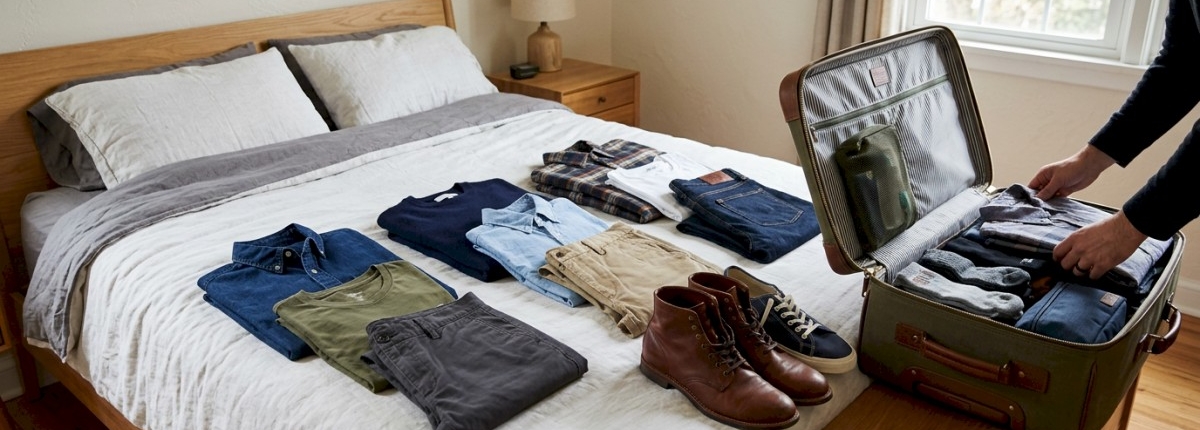
When you’re limited to a single carry‑on, the most efficient wardrobe strategy is to think in outfits, not single garments. Choose a base palette—neutrals like black, navy, gray, and white work well together—and select pieces that can be mixed and matched. A lightweight, zip‑off jacket, for instance, can serve as a cool‑weather layer on a train and as a breezy top for a beachside dinner when you remove the inner lining.
Plan each day’s look on paper before you pack. If you have a conference, a casual sightseeing day, and a night out, you might need just one pair of smart trousers, one pair of comfortable joggers, and a couple of interchangeable tops. By visualizing outfits, you’ll quickly see that you can get away with fewer items than you originally thought. This method also reduces the risk of packing “just in case” clothing that never sees the light of day.
Prioritize Lightweight, Quick‑Dry Fabrics
Fabric choice is a silent weight‑gainer that many travelers overlook. Heavy denim or thick wool sweaters may feel cozy, but they take up valuable volume. It can also become a nightmare when you need to wash them on the road. Instead, opt for performance fabrics—think merino wool, nylon blends, or polyester blends—that are both lightweight and moisture‑wicking.
Merino wool, for example, is naturally odor‑resistant and dries in under an hour, making it perfect for extended trips where you plan to wash clothes every few days. Synthetic blends are often even lighter and can be folded into a fraction of their size. Pack a couple of these technical tees, a couple of slim‑fit travel pants, and a versatile fleece or soft‑shell jacket, and you’ll have a wardrobe that stays comfortable in a range of climates while keeping your bag light.
Use Packing Cubes Strategically
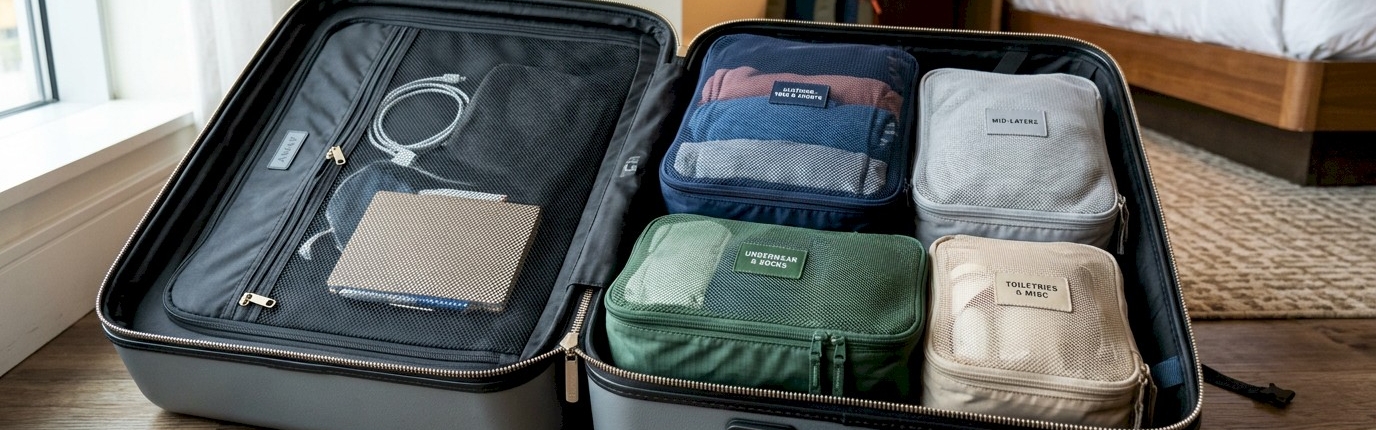
Packing cubes are more than just decorative compartments; they are space‑optimizing tools that can transform a chaotic bag into a structured system. Choose cubes that fit snugly inside a small outdoor backpack or standard carry‑on—usually a medium‑size cube for tops, a small one for underwear, and a larger one for pants or bulkier items. By compartmentalizing, you not only keep similar items together, but you also create a “stackable” effect that maximizes the interior volume.
A pro tip is to roll clothing before placing it in the cubes. Rolling reduces creases and compresses the fabric, allowing you to fit more into each cube. If you have a waterproof cube, stash toiletries or electronics inside it to protect them from leaks. The key is to keep the number of cubes minimal; too many small cubes can waste space the same way a disorganized mess does.
Make the Most of Your Personal Item
Most airlines let you bring a personal item—usually a backpack, tote, or large laptop bag—in addition to your main carry‑on. Treat this smaller bag as a “quick‑access” zone. Pack travel documents, passport, wallet, phone, chargers, a reusable water bottle, and any in‑flight essentials (snacks, headphones, a neck pillow) here. By keeping these items separate, you won’t have to rummage through your main bag every time you need to pull out a boarding pass or charge your phone.
If you’re a digital nomad, consider a slim, organized tech organizer that fits inside your personal item. It can hold cables, a power bank, SD cards, and a compact mouse—all neatly separated. This arrangement not only speeds up security checks but also reduces stress during layovers, where you often need to locate a specific gadget fast.
Plan for Laundry on the Road
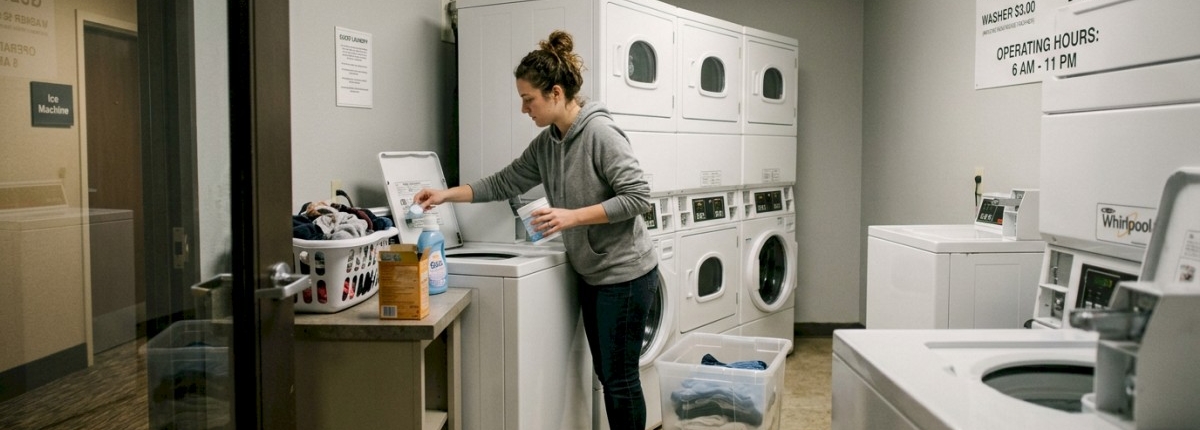
One of the most effective ways to keep your carry‑on light is to rely on laundry services during your trip. Research your accommodation ahead of time—many hotels, hostels, and Airbnbs offer washing machines, or there may be nearby laundromats. Pack a small travel detergent packet and a collapsible laundry bag; you’ll be surprised how often a quick wash can free up space.
When you know you’ll be washing clothes, you can adopt a “two‑day rotation” system: wear a shirt for two days, then toss it in the wash while you wear the next one. This method reduces the total number of tops you need to bring. For longer trips, consider a lightweight, quick‑dry travel towel that can double as a beach blanket or a makeshift pillow.
Keep Important Items Accessible
Accessibility is a hidden cost of poor packing. Imagine you’re at security and need to pull out your laptop, or you’re on a long flight and want to grab a medication. If those items are buried under layers of clothing, you’ll waste time and increase the risk of spilling or damaging other belongings.
Create dedicated pockets for high‑frequency items. Many carry‑ons have front zip pockets—use them for passports, boarding passes, and travel insurance cards. Inside the main compartment, place a small zippered pouch for chargers, earbuds, and a portable charger. If your bag has a side mesh pocket, stash a refillable water bottle there for easy hydration.
Leave Room for Souvenirs and Unexpected Purchases
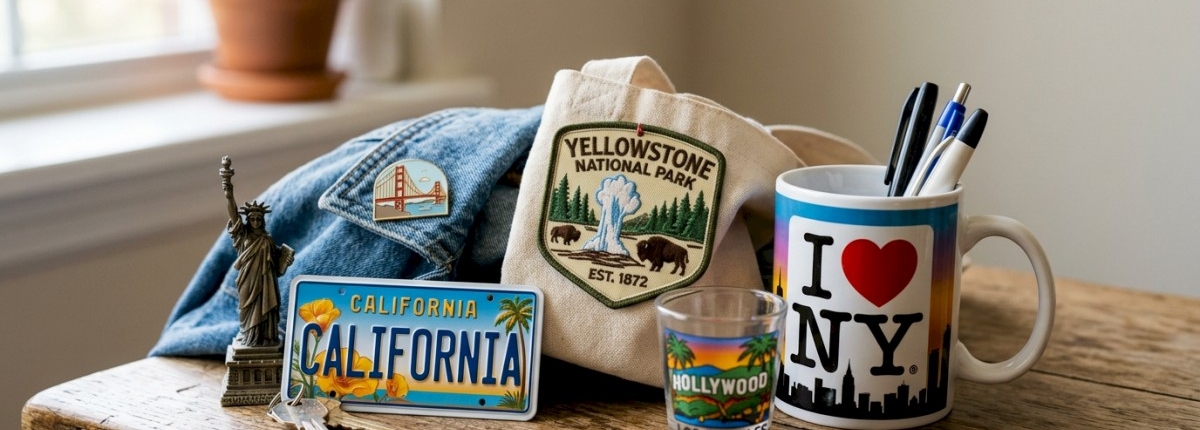
A common mistake is packing the bag to the brim before departure. While it feels efficient, it leaves no breathing room for souvenirs, a rainy‑day jacket, or a new pair of shoes you might pick up on the road. Aim to leave at least a 10‑15% volume buffer in your carry‑on.
One practical trick is to pack a fold‑out tote or a lightweight duffel that can be tucked into your personal item. If you return with extra items, you can simply shift them into this secondary bag without having to check a suitcase. This flexibility reduces post‑trip stress and keeps your travel experience fluid.
Layer, Don’t Bulk
When you’re limited to a single bag, layering becomes a strategic tool for both packing and dressing. Instead of a heavy coat, bring a lightweight, packable down jacket that compresses into its own pouch. Pair it with a base layer of a merino tee and a mid‑layer fleece. This system lets you add or remove warmth without taking up much space.
During packing, place heavier items at the bottom of the bag (closest to your back) to improve balance, and keep lighter items on top. This distribution makes the bag feel more stable when you’re walking, reducing shoulder fatigue.
Choose the Right Carry‑On Size and Shape
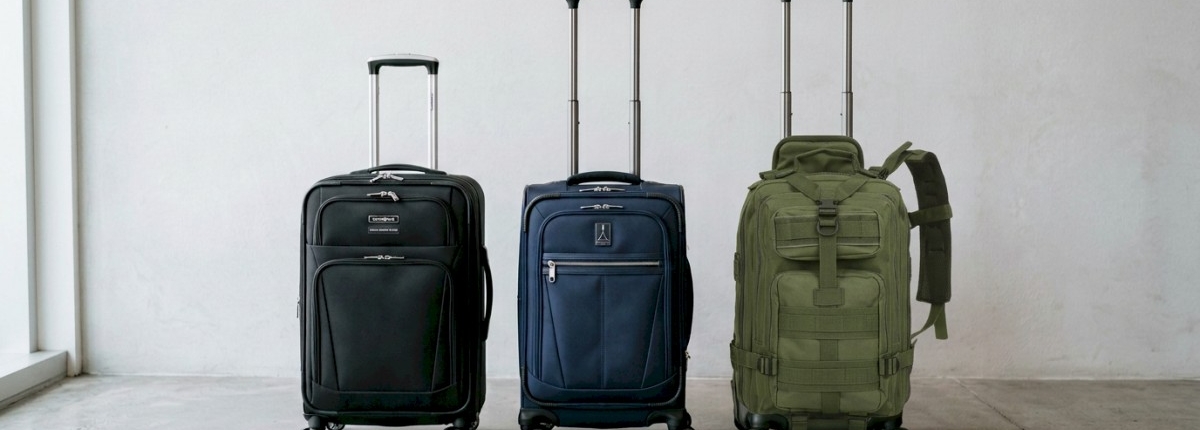
Even the best packing strategies falter if the bag itself isn’t suited for the journey. Look for a carry‑on that meets most airline size restrictions (typically 22 × 14 × 9 inches) while offering a structured interior. A semi‑rigid frame helps keep clothes from shifting and makes the bag easier to stand upright for quick access.
Features to prioritize include: multiple internal compartments, a dedicated laptop sleeve, compression straps, and a water‑resistant exterior. If you travel frequently, investing in a high‑quality, durable backpack with ergonomic shoulder straps and a breathable back panel will pay off in comfort during long airport walks and train rides.
Final Checklist Before You Zip It Up
- Verify airline size limits – Measure your bag with a tape measure.
- Re‑check your packing list – Ensure nothing essential is missing.
- Test the weight – Lift the bag; it should feel manageable for extended periods.
- Secure liquids – Pack toiletries in a clear quart‑size bag, sealed with zip‑top bags to prevent leaks.
- Leave that buffer – Keep a small pocket or tote empty for souvenirs.
By following these steps, you’ll arrive at the airport feeling confident that you have everything you need without the burden of excess weight. The freedom of traveling with just a carry‑on translates into smoother connections, fewer worries about lost luggage, and more room in your budget for experiences rather than baggage fees.
Embrace the Carry‑On Mindset
Packing a carry‑on for an extended trip isn’t about sacrificing comfort; it’s about mastering the art of intentional travel. When each item serves a clear purpose—whether it’s a quick‑dry shirt that can be washed on day three, a packing cube that keeps your socks from disappearing, or a personal item that houses your passport and chargers—you free up mental and physical space.
The ultimate reward is the ability to move swiftly from city to city, hop on a train with a single bag, and spend less time worrying about where your luggage is. With the right preparation, a well‑chosen backpack, and a few smart packing strategies, you’ll discover that you can travel farther, lighter, and happier—all while keeping a smile on your face.
Ready to upgrade your travel gear? Explore our collection of 45L backpacks designed for efficient packing, durability, and comfort, perfect for the extended‑trip carry‑on lifestyle.