

Backpacks vs. Rucksacks: Understanding the Key Differences
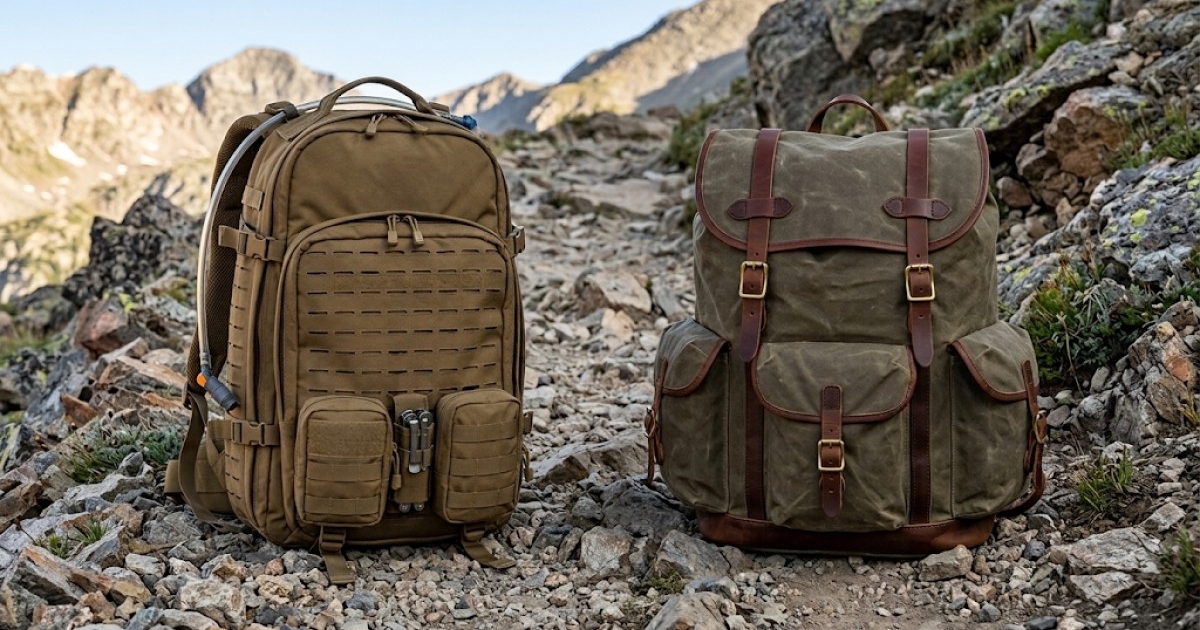
When you hear the word backpack, most people picture a simple, two‑strap bag slung over school‑age shoulders or a sleek commuter pack with a laptop sleeve. In the United States the term has become a catch‑all for any bag that rests on your back with two shoulder straps, regardless of size, material, or purpose. Backpacks can be ultra‑light for hiking, often used as hunting backpack, and padded to protect gear such as electronics for the tech‑savvy commuter. The unifying factor is convenience: easy on‑and‑off, generally zip‑closed, and designed for quick access to the contents inside.
The modern backpack evolved from the early 20th‑century canvas packs used by schoolchildren. Over the decades, manufacturers added ergonomic padding, internal frames, and dedicated compartments. Today you’ll find a backpack for virtually every niche – from minimalist urban carry to full‑blown tactical gear. The core idea, however, stays the same: a versatile, everyday carrier that balances weight distribution with accessibility.
Defining a Rucksack: History and Original Purpose
The word rucksack comes from the German Rücken (back) and Sack (bag). Historically it described a rugged, military‑grade pack designed to haul heavy loads across rough terrain. British soldiers adopted the term during World War I, and it has persisted in military, outdoor, and tactical circles ever since. Unlike the generic backpack, a rucksack was built with a purpose: to survive harsh weather, abrasive surfaces, and the constant jostle of marching or rucking (the act of walking with a weighted pack).
Rucksacks traditionally feature a top‑loading design – a large main compartment that opens from the top, often closed with a drawstring, flap, or a combination of buckles. This construction minimizes seams and zippers, which are typical points of failure in extreme conditions. Early rucksacks were made from heavy‑weight canvas or cotton, later upgraded to high‑denier nylon and Cordura. The design also includes load‑bearing accessories like external frames, sternum straps, and hip belts, all engineered to transfer weight from the shoulders to the hips and lower back.
Key Design Differences You Should Notice
Closure Systems and Accessibility
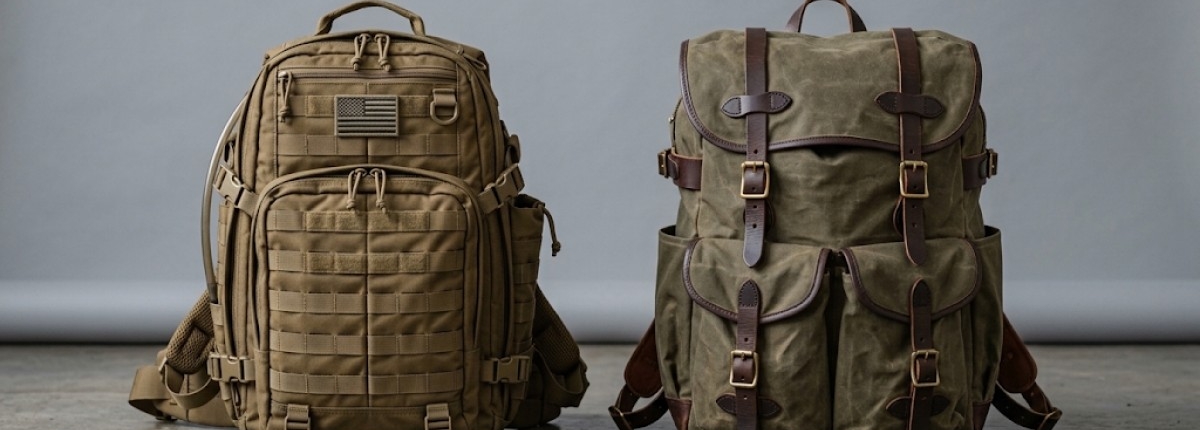
A standard backpack usually relies on zippers for both the main compartment and auxiliary pockets. Zippers provide fast, one‑handed access and are ideal for city dwellers who need to pull out a laptop, wallet, or water bottle in a hurry. Some backpacks also have side mesh pockets or hidden zip pockets for security.
Rucksacks, on the other hand, favor top‑loading designs. A common configuration is a drawstring that cinches the pack shut, covered by a protective flap secured with buckles or Velcro. Because there are fewer moving parts, the closure tends to be more water‑resistant and less prone to snagging. However, the trade‑off is slower access – you usually need to unzip the flap, release the drawstring, and then dig into the main compartment. For users who prioritize durability over speed, this is a worthwhile compromise.
Materials and Build Quality
Everyday backpacks are often constructed from lightweight polyester, ripstop nylon, or even recycled fabrics. These materials keep the pack light and affordable, making them perfect for daily commutes, school, or light travel. The downside is that they may not hold up under abrasive contact or heavy loads for prolonged periods.
Rucksacks are engineered for toughness. High‑denier (often 1000 D or higher) Cordura, ballistic nylon, and waxed canvas dominate the market. These fabrics resist tearing, abrasion, and UV degradation. Many rucksacks also incorporate a D‑cell waterproof coating or a separate rain cover, giving them a distinct edge in wet or muddy environments.
Load‑Bearing Features
A basic backpack typically offers padded shoulder straps and perhaps a small lumbar cushion. This is sufficient for loads under 15 lb, which covers most school or commuter needs. Some models include a simple sternum strap for added stability.
Rucksacks step up the support game dramatically. You’ll find internal or external frames (often aluminum or lightweight composite), padded hip belts, load‑lifter straps, and a sternum strap that all work together to shift weight to the hips. This system reduces shoulder fatigue and protects the spine during long hikes, tactical missions, or intense rucking workouts. Many rucksacks also feature adjustable suspension systems that let you fine‑tune the fit for different torso lengths and load sizes.
Modularity and Expansion
Backpacks often come with fixed pockets: a laptop sleeve, a front organizer, and maybe a few side pockets. Some modern tactical backpacks incorporate modular panels, but they are usually limited to internal dividers.
Rucksacks frequently sport MOL‑L (Modular Lightweight Load‑carrying Equipment) webbing on the exterior. This grid of heavy‑duty straps lets you attach pouches, ammo carriers, water bladder holders, or a sleeping bag frame. The modularity makes a rucksack a true platform that can be customized for a specific mission, sport, or hobby. Whether you need a first‑aid kit for a volunteer fire department or a hydration bladder for a marathon, the webbing gives you the flexibility to adapt.
Who Should Choose a Backpack?
If your day revolves around short trips, classroom settings, or office commutes, a backpack is likely the better fit. The lighter weight, quick‑access zippers, and sleek profile make it ideal for: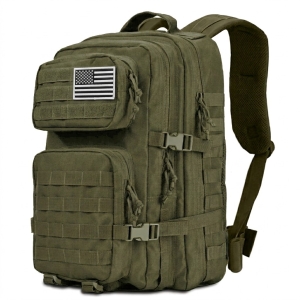
- Students – Carrying textbooks, notebooks, and a laptop.
- Urban commuters – Navigating crowded subways with a padded laptop sleeve and a hidden anti‑theft pocket.
- Casual hikers – Day‑trips of 5‑10 miles where you need a water bottle, snack, and light rain jacket.
- Gym‑goers – A small compartment for shoes, a change of clothes, and a phone.
For these scenarios, the convenience of a zipper‑front opening and the lower overall weight outweigh the rugged features of a rucksack.
Who Should Opt for a Rucksack?
When the terrain gets rough, the load gets heavy, or the environment becomes unpredictable, a rucksack shines. Consider a rucksack if you:
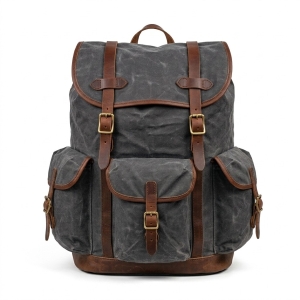
- Hike long distances (10 + miles) or engage in backpacking trips that require multi‑day supplies.
- Participate in tactical training – Military, law‑enforcement, or security work that demands load‑bearing frames and modular attachment points.
- Practice rucking – The fitness discipline of walking with a weighted pack for endurance training.
- Work in demanding fields – Firefighters, EMTs, and outdoor guides who need a pack that can survive drops, mud, and rain.
In each of these cases, the added weight of a frame, hip belt, and durable fabric is justified by the performance gains and protection they provide.
Comparing Comfort: Ergonomics in Practice
Ergonomic design is a crucial differentiator. A well‑designed backpack will have contoured shoulder straps, a breathable back panel, and a sternum strap that prevents the bag from sliding. However, because the weight rests primarily on the shoulders, prolonged heavy loads can lead to shoulder strain and poor posture.
Rucksacks mitigate this issue with a suspension system that distributes weight across the hips. The padded hip belt acts like a second set of straps, taking roughly 60‑70 % of the load off the shoulders. Load‑lifter straps pull the pack forward, preventing it from sagging and keeping the center of gravity close to your body. For anyone carrying more than 20 lb for extended periods, this system dramatically reduces fatigue and the risk of injury.
Durability Tested: Real‑World Scenarios

Imagine a rainy weekend trek in the Pacific Northwest. A standard backpack made of lightweight polyester might soak through, its seams leaking and zippers sticking. The fabric could also snag on thorny underbrush, leading to tears.
A rucksack built from 1000 D Cordura with a D‑cell coating would shrug off the rain, and the top‑load drawstring would stay sealed even when the pack is fully submerged. The reinforced stitching and bar‑tack seams would survive the occasional brush against jagged rocks. In field tests conducted by several outdoor gear reviewers, rucksacks consistently outlasted backpacks when subjected to abrasion, water exposure, and heavy loading.
The Hybrid Trend: Tactical Backpacks That Borrow From Rucksacks
Manufacturers have recognized the growing demand for a bag that blends the sleek accessibility of a backpack with the rugged load‑bearing features of a rucksack. These hybrid tactical backpacks often feature a zip‑front main compartment for quick access, while still offering an external frame, hip belt, and MOL‑L webbing.
One popular example is the WOLFpak Tactical Hybrid line. It uses a high‑denier Cordura exterior, a waterproof rain cover, and a padded hip belt, but retains a zip‑front access panel for laptop and daily essentials. The interior includes modular dividers, a fleece‑lined pocket for electronics, and a dedicated shoe compartment. For users who need both daily organization and weekend expedition capability, such hybrids provide a compelling middle ground.
How to Choose the Right Pack for Your Lifestyle
- Assess Your Load – Estimate the typical weight you’ll carry. Under 15 lb? A standard backpack works. Over 20 lb? Look at rucksacks or hybrids with a frame.
- Consider the Environment – Urban settings favor water‑resistant zip backpacks; wet or muddy trails demand top‑load, waterproof rucksacks.
- Think About Access Needs – If you need to grab a laptop or passport quickly, a zip‑front bag is ideal. If security and weather protection matter more, a drawstring‑top design wins.
- Check Modularity – Do you need to attach extra pouches, a hydration bladder, or a sleeping bag? MOL‑L webbing is a hallmark of rucksacks.
- Test Fit and Comfort – Try the pack on with weight inside. Adjust the shoulder straps, hip belt, and load‑lifter straps. The bag should sit snugly against your back without digging into your shoulders.
Maintenance Tips to Extend Lifespan
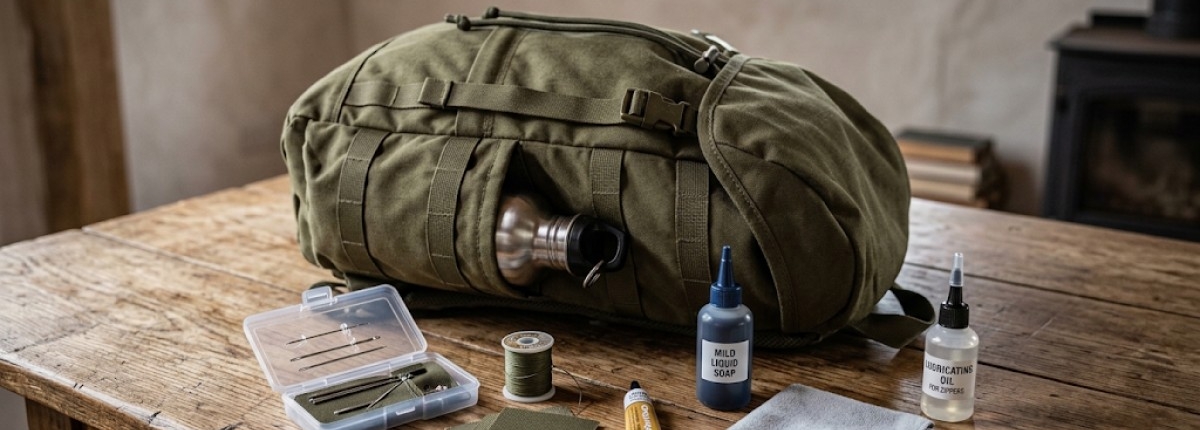
- Clean Regularly – Brush off mud, then wipe the fabric with a mild soap solution. For Cordura, avoid harsh detergents that can break down the D‑cell coating.
- Dry Properly – Never store a wet pack; air‑dry it completely to prevent mildew.
- Repair Small Tears – Use a fabric repair kit with a patch and strong adhesive. Reinforce high‑stress points with bar‑tacks.
- Lubricate Zippers – Apply a silicone‑based lubricant to keep backpack zippers smooth.
- Check Webbing – Inspect MOL‑L straps for fraying; replace if needed to maintain load‑bearing integrity.
Frequently Asked Questions
Q: Can I use a rucksack for daily commuting? A: Yes, but it may feel bulkier than a slim commuter backpack. If you need a larger water‑proof compartment for a laptop and documents, a rucksack can work, especially in rainy cities.
Q: Are backpacks less durable than rucksacks? A: Not necessarily. High‑quality backpacks made from ripstop nylon or ballistic fabric can be very durable. The key difference lies in design intent – backpacks prioritize convenience, while rucksacks prioritize ruggedness.
Q: Do I need a frame for a backpack? A: For loads under 20 lb, a frame is optional. However, many modern backpacks include a lightweight internal frame or a structured back panel to improve load distribution.
Q: What’s the best way to pack a rucksack for a multi‑day hike? A: Place heavy items (food, water, stove) close to your back and near the hip belt, use compression straps to stabilize the load, and keep frequently used items in top‑load pockets for easy access.
Final Thoughts: Matching the Bag to Your Mission
The debate between backpacks and rucksacks isn’t about semantics – it’s about function. A backpack offers speed, style, and lightweight convenience for everyday tasks. A rucksack delivers durability, load‑bearing efficiency, and modular adaptability for demanding environments. Understanding where you spend most of your time, how much you carry, and what conditions you face will guide you to the right choice.
If you find yourself constantly switching between a commute and weekend trail, a hybrid tactical backpack may be the sweet spot. Otherwise, let the primary use‑case dictate the design: zip‑front for quick city access, top‑load for rugged, weather‑proof performance. Investing in the appropriate pack not only protects your gear but also safeguards your body from unnecessary strain.
Bottom line: Choose the bag that aligns with your daily grind and your adventure goals, and you’ll have a reliable partner for years to come.