

A Guide to Choosing a Good Hunting Backpack – Tips & Reviews
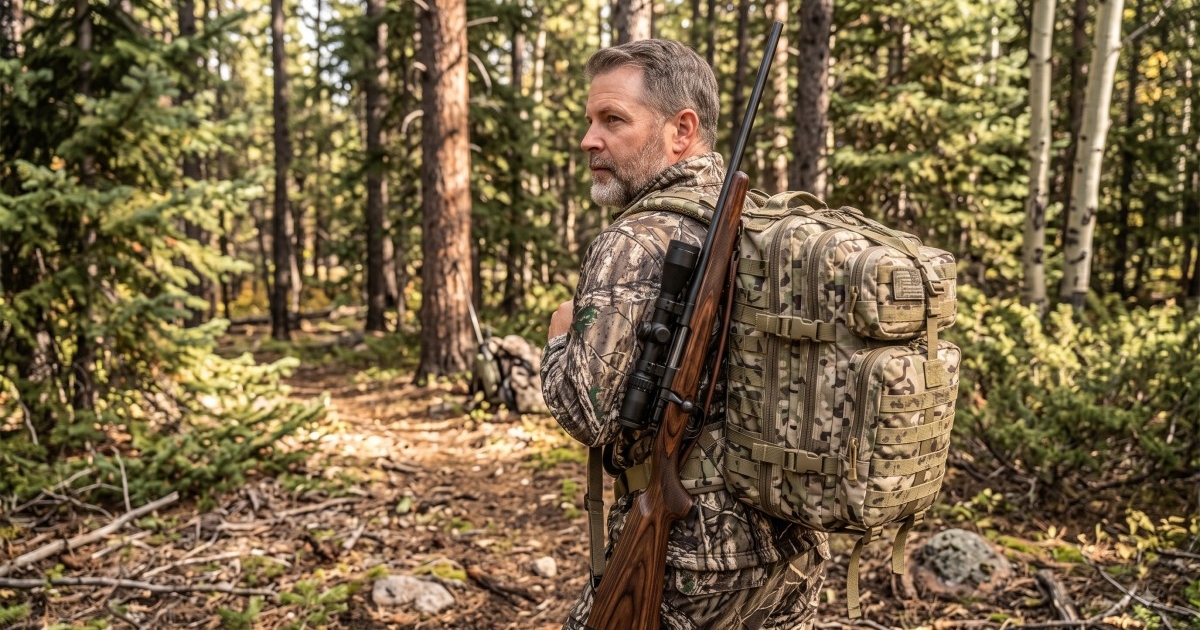
When you step into the woods, your backpack becomes an extension of you. It’s not just a bag; it’s the vessel that holds your food, water, safety gear, and, most importantly, your weapon. A well‑chosen pack can keep you agile, silent, and comfortable, while a poorly fitted one can sap your energy, make noise that spooks game, and even cause injury on long treks. In this guide we’ll walk you through every consideration you need to make so you can walk out of the store with a pack that feels custom‑built for your hunting style.
Assess Your Hunting Style and Terrain
Before you even glance at a product page, think about the type of hunt you’ll be doing most often. Day‑time deer hunts in temperate forests look very different from multi‑day elk trips in high‑altitude backcountry. The first factor to nail down is the typical length of your outings. A short, 4‑hour walk to a stand calls for a lightweight 20‑30‑liter pack that won’t weigh you down. An overnight or 3‑day hunt, however, needs space for extra layers, a sleeping system, and a larger water supply, pushing you into the 50‑80‑liter range.
Next, consider the weapon you carry. Bowhunters often need a low‑profile, quick‑release system that keeps the bow out of the way while still allowing a smooth draw. Rifle hunters, on the other hand, look for a secure cradle that can hold a bolt‑action or a semi‑auto safely, with easy access for a quick shoulder‑up. Some modern packs even feature modular weapon slots that can be swapped out without a full‑pack redesign.
Finally, think about the terrain and climate. If you’re hunting in dense brush, a pack made from quiet, low‑profile fabric will reduce the chance of snapping twigs. In wet, marshy areas a pack with a built‑in rain cover or a high‑denier water‑repellent coating becomes essential. Matching your backpack to the environment you’ll be in most often helps you stay comfortable and undetected.
Choose the Right Capacity (Liters vs. Cubic Inches)
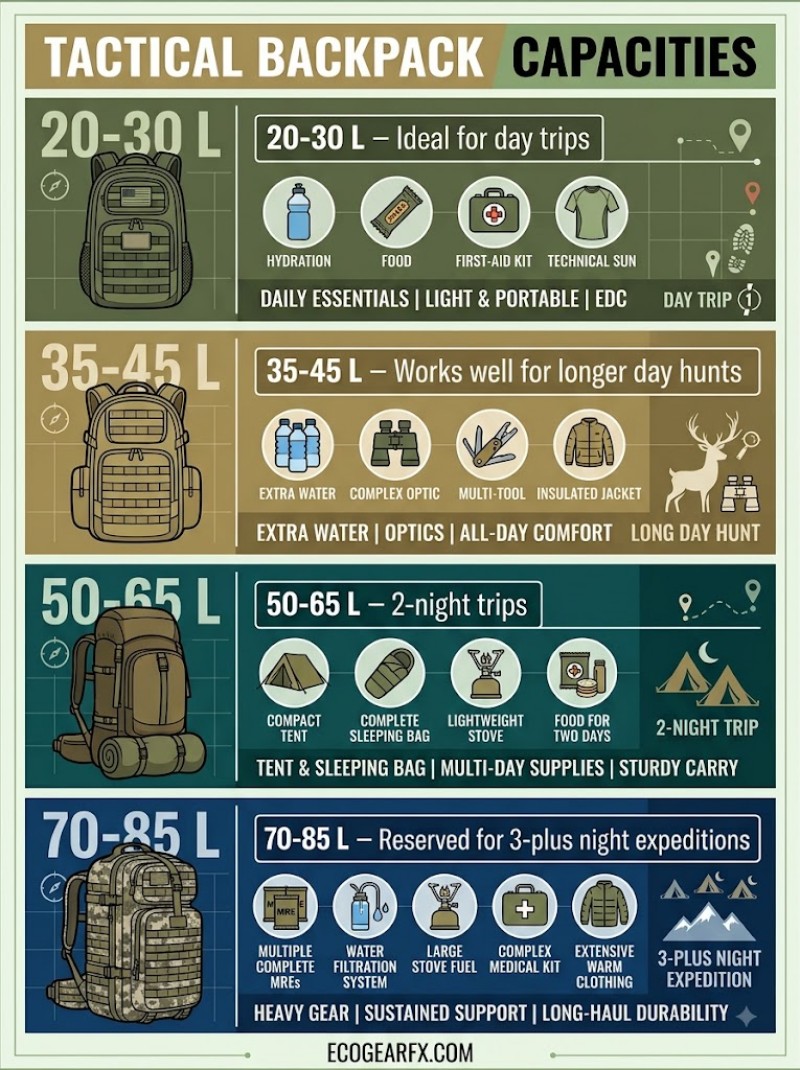
Backpack capacity is usually quoted in liters, but many manufacturers also list cubic inches for the U.S. market. The rule of thumb is simple: the longer you’ll be out, the larger the pack you need. Here’s a quick breakdown:
- 20‑30 L (1,200‑1,800 in³) – Ideal for day trips, scouting trips, or short bow hunts where you only need water, a light snack, a small first‑aid kit, and perhaps a compact binoculars case.
- 35‑45 L (2,100‑2,700 in³) – Works well for longer day hunts that involve a lot of walking, or for hunters who like to bring a small tarp and extra clothing.
- 50‑65 L (3,000‑4,000 in³) – The sweet spot for 2‑night trips. You’ll have room for a sleeping bag, a lightweight sleeping pad, extra layers, a cooking system, and still have space for your weapon and ammunition.
- 70‑85 L (4,300‑5,200 in³) – Reserved for 3‑plus night expeditions or for hunters who need to carry big game carcasses, a large game bag, or extra hunting accessories like a spotting scope, a tripod, and multiple weapon systems.
Choosing a pack that’s too large means you’ll carry unnecessary weight, which can tire you out before you even spot your first animal. Conversely, a pack that’s too small forces you to leave essential items behind, jeopardizing safety and comfort.
Material, Durability, and Noise Reduction
A hunting backpack will face everything nature can throw at it: sharp pine needles, jagged rocks, sudden rain, and the occasional brush snag. Look for fabrics that combine tear‑resistance with quietness. Cordura 500D and 1000D are industry standards; they’re rugged enough to survive a tumble over a boulder but still soft enough that they don’t rustle loudly when you move.
Many manufacturers now treat their fabrics with a Durable Water Repellent (DWR) coating. This treatment causes water to bead and roll off the surface, keeping the interior dry even in a downpour. Some packs also include a stow‑away rain cover that can be deployed in a minute—handy for sudden storms.
Don’t forget about abrasion‑resistant panels on high‑wear zones like the shoulder straps and hip belt. Reinforced stitching, often using bar‑tack or double‑needle seams, prevents seam failure under heavy loads. If you plan to hunt in an area with a lot of brush, consider a low‑profile, matte finish that won’t reflect light or create a visual cue for wary game.
Camouflage and Concealment
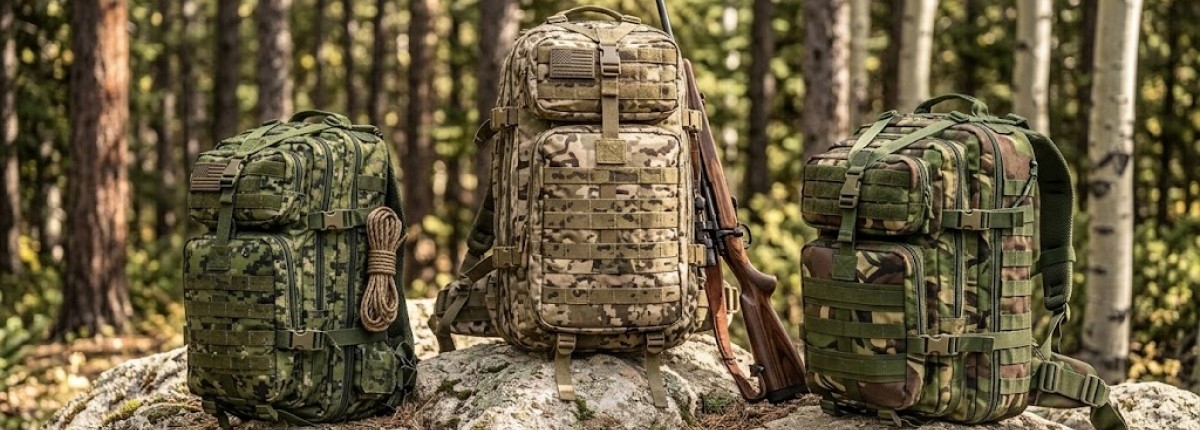
Your pack is one of the largest silhouettes you’ll present to wildlife, so camouflage matters. Choose a pattern that matches the predominant terrain of your hunts: Mossy Oak Break-Up, Realtree 3‑D, or a plain earth tone for open plains. Some packs come with removable cover shells, allowing you to swap patterns seasonally.
If you hunt in mixed terrain, a neutral gray or tan can be a versatile compromise. Remember that silence is as important as visual camouflage; a noisy pack can alert deer from hundreds of yards away. Test the pack by moving it through dry leaves—if you hear a crinkling sound, it’s not ideal for stealth.
Comfort, Fit, and Load Distribution
Even the toughest, most feature‑rich pack is useless if it doesn’t fit your body. A good hunting backpack should have an adjustable suspension system that lets you fine‑tune shoulder strap length, sternum strap height, and hip belt position. The hip belt does the heavy lifting, transferring the bulk of the weight from your shoulders to your pelvis, the strongest part of your skeletal system.
Look for padded, breathable back panels with ventilation channels. These channels create airflow between your back and the pack, reducing sweat buildup on hot days. A contoured lumbar pad helps fill the gap between your lower back and the pack, preventing pressure points.
When you first try a pack on, load it with a few pounds of weight (most stores have a weight‑loading system). Walk around, climb a short set of stairs, and notice how the weight feels. If the pack constantly slides forward or you feel a pulling sensation on your shoulders, you’ll need a different size or a more adjustable system.
Hydration Solutions and Accessibility
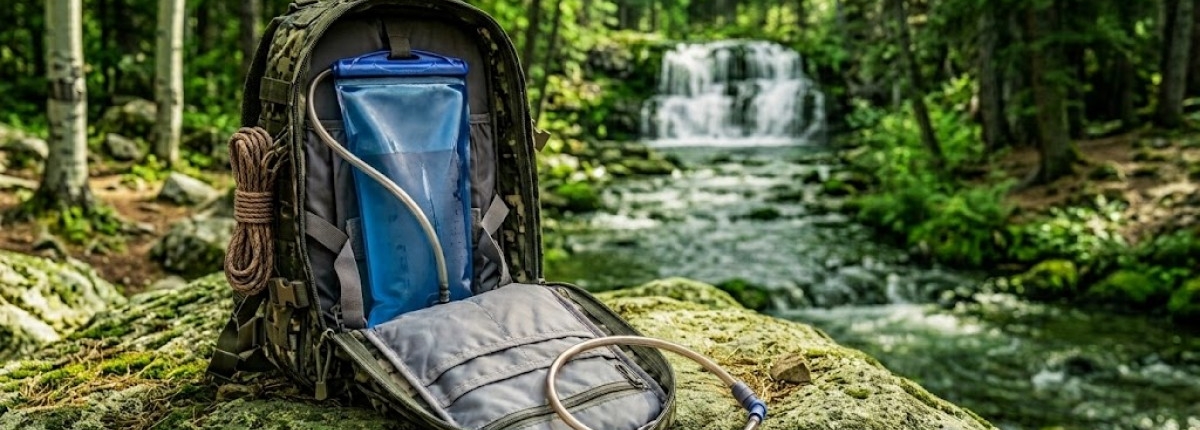
Staying hydrated can be the difference between a successful hunt and a miserable one. Many hunting packs now come pre‑routed for hydration bladders, typically 2‑ or 3‑liter capacities. Look for a hose port that sits near the chest strap so you can sip without removing the pack. Some models even have a bite valve that can be used with gloves on.
In addition to a bladder, external water bottle pockets are handy for quick access to a spare bottle, electrolyte drinks, or a hot coffee on a cold morning. These pockets should be located on the side or front of the pack, secured with elastic loops or zippered flaps to prevent bounce.
Internal vs. External Frame Systems
Backpacks fall into two main categories: internal‑frame and external‑frame. Internal frames hug the body, creating a streamlined profile that’s great for moving through dense brush and maintaining balance on uneven terrain. They also keep the load close to your center of gravity, reducing fatigue.
External frames, by contrast, sit on the outside of the pack and provide a skeleton that you can strap bulky items to—think large game bags, extra ammunition boxes, or a heavy-duty tripod. The trade‑off is a bulkier silhouette and a slightly louder profile, which can be a concern in stealth‑focused hunts.
If you anticipate hauling large game carcasses or need to attach a lot of external gear, an external‑frame pack with sturdy compression straps and MOLLE webbing may be the better choice. For most upland, bow, and rifle hunts where stealth and mobility are paramount, an internal‑frame system is the way to go.
Storage, Organization, and Quick‑Access Features
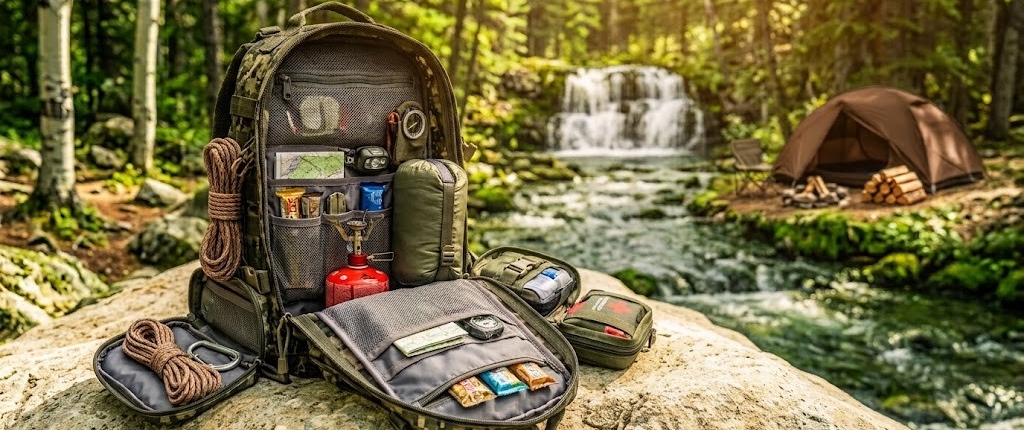
A chaotic pack can turn a short hunt into a frustrating scavenger hunt. The best hunting backpacks incorporate multiple compartments that let you separate gear logically. A spacious main compartment holds bulk items like clothing and sleeping gear. Smaller zippered pockets on the front or sides are perfect for a first‑aid kit, LED flashlight, map, or spare batteries.
Look for dedicated weapon slots—often a padded sleeve on the side of the pack that can be accessed without removing the pack. Some designs feature a quick‑release flap that lets you swing the weapon into position with one hand. For bowhunters, a low‑profile bow cradle that sits flush against the back can keep the bow stable while you climb a ridge.
MOLLE webbing and gear loops give you the flexibility to attach a spotting scope, a tripod, or a small game‑bag on the outside. Compression straps not only stabilize the load but also let you tighten the pack around awkward shapes, reducing sway as you move.
Weapon‑Carrying Systems: Safety First
Carrying a firearm or bow in your pack demands both security and accessibility. A weapon compartment should feature a reinforced strap or quick‑release buckles that lock the weapon in place, preventing it from shifting during vigorous movement. At the same time, the system should allow you to draw the weapon with minimal fuss—a slow, cumbersome release can cost you a shot.
If you hunt with a rifle, consider a padded rifle cradle that cradles the barrel and stock, protecting the finish while distributing weight across the pack. For a bow, a horizontal bow sleeve that keeps the limbs parallel to your torso reduces wind resistance and keeps the bow from knocking against branches.
Never compromise on safety: ensure the weapon is unloaded while packed, and always double‑check that the retention system is fully engaged before heading into the field.
Putting It All Together: How to Test a Pack Before Buying
- Load the pack with the gear you plan to take. Most retailers let you add weighted sandbags or water bottles to simulate real load.
- Adjust every strap—shoulder, sternum, hip belt—so the pack sits snugly against your body. The bottom of the pack should sit just above your hips.
- Walk, squat, and climb a few steps. Pay attention to pressure points, bounce, and how the weight feels on your hips vs. shoulders.
- Listen for noise. Move through dry leaves and listen for fabric rustle. If it’s loud, you may need a quieter fabric or a different design.
- Check accessibility. Open the main compartment, reach into the weapon sleeve, and practice pulling a water bottle from the side pocket while the pack is on.
A pack that passes these simple tests will likely serve you well for many seasons.
Maintenance Tips to Extend Your Pack’s Life
![bag on wood outdoor camp table with cleaning supplies [drw coating, small soft brush, mild liquid soap] at a small camp site](https://www.ecogearfx.com/wp-content/uploads/bag-wood-camp-table-ceaning-supplies-brush-soap-1200x430.jpg)
- Clean after each hunt: Brush off mud and debris, then wipe the exterior with a damp cloth. Avoid submerging the pack unless it’s fully waterproof.
- Reapply DWR coating: On an annual basis or more often if needed, spray a DWR treatment on the fabric to restore water‑repellent properties.
- Inspect stitching and zippers: Tighten loose threads and lubricate zippers with a silicone‑based spray.
- Store loosely: Hang the pack in a cool, dry place; avoid stuffing it tightly for months as this can deform the frame.
By caring for your pack, you keep it functional, quiet, and ready for the next outing.
Final Thoughts: Your Pack as an Investment
Choosing a hunting backpack isn’t just about checking boxes; it’s about aligning the pack’s features with the specific demands of your hunting style, terrain, and comfort preferences. A well‑fitted, durable, and thoughtfully organized pack will keep you light on your feet, quiet in the brush, and prepared for anything the wilderness throws at you.
Take the time to try on several models, load them with realistic weight, and consider including a hunting fanny pack to quickly access small items you use often. The right pack will become a trusted companion, lasting season after season, and ultimately improving your success rate in the field.
Ready to upgrade? Look for packs that score high in durability, have a modular weapon system, and include a built‑in rain cover. Your next hunt will thank you.
Key Takeaways
- Match the capacity needed to hunt length: 20‑30 L backpack for day trips, 50‑80 L for multi‑day excursions.
- Prioritize quiet, tear‑resistant fabric (Cordura, rip‑stop) with DWR coating for weather protection.
- Ensure a fully adjustable suspension system and padded hip belt for proper load distribution.
- Choose a weapon‑carrying system that secures the firearm or bow while allowing fast, safe deployment.
- Test the pack loaded with gear, walk, and listen for noise before purchasing.