

Clip-On Rechargeable Book Lights: Everything You Need to Know
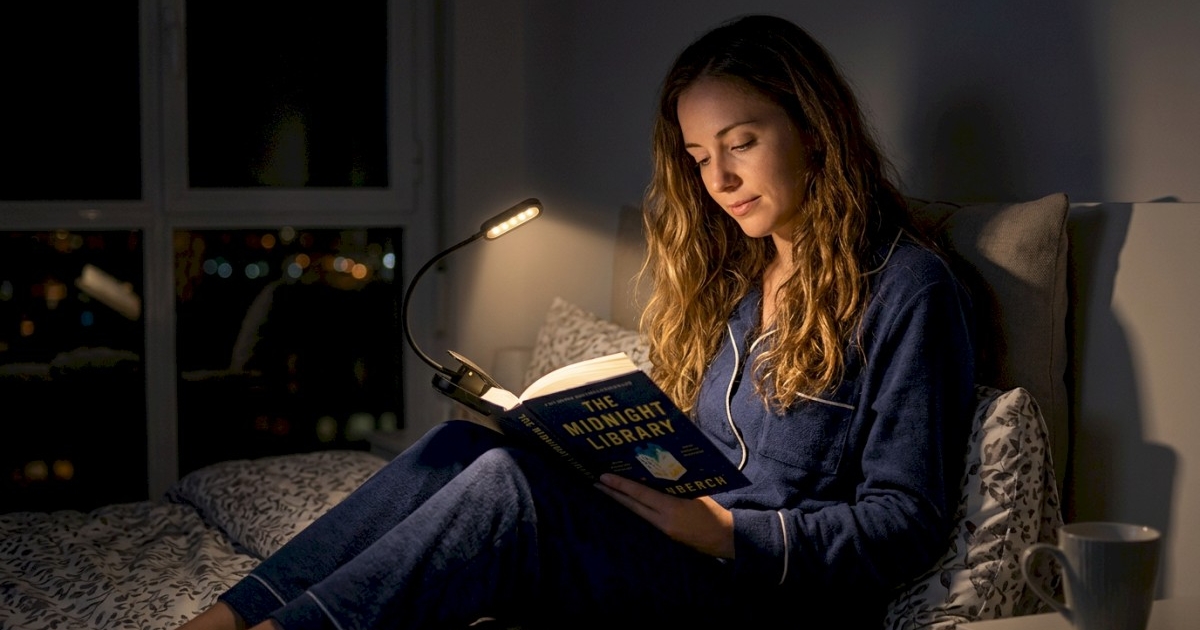
If you’ve ever tried to read a paperback at 2 a.m. using the flashlight on your phone, you know the struggle: the harsh, focused beam, the wobble as you shift the phone, and the inevitable glare that wakes up anyone sharing the bed. A clip‑on rechargeable book light solves that problem in one elegant package. It’s a tiny LED fixture that snaps onto the spine or cover of a book, directing a focused pool of light exactly where you need it—onto the page—while leaving the rest of the room in darkness. The “rechargeable” part means you ditch disposable batteries for a built‑in lithium‑ion cell that charges via a USB cable, just like your phone or tablet. The result is a low‑maintenance, eco‑friendly gadget that can keep you turning pages for hours on end.
Why Rechargeable Beats Battery‑Powered Models
Traditional clip‑on lights rely on AAA or AA batteries. Those tiny power sources are cheap, but they come with hidden costs: you have to remember to buy spares, you risk a sudden loss of light mid‑chapter, and you end up tossing dead cells into the trash. A rechargeable unit eliminates all of that. Most modern models use a 500‑mAh to 800‑mAh Li‑ion cell that, when fully charged, delivers anywhere from 15 to 30 hours of illumination depending on the brightness setting you choose. Because the light draws very little current—LEDs are incredibly efficient—the battery life is surprisingly long. A quick 1‑hour charge via USB‑C or micro‑USB is often enough for a full night’s reading, and you can top it up during the day without any hassle.
Beyond convenience, there’s an environmental angle. According to an EPA report, the average household discards about 2.5 million batteries each year. Switching to a rechargeable light reduces that waste dramatically, making it a small but meaningful step toward a greener reading habit.
Brightness Levels and Color Temperature: What to Look For
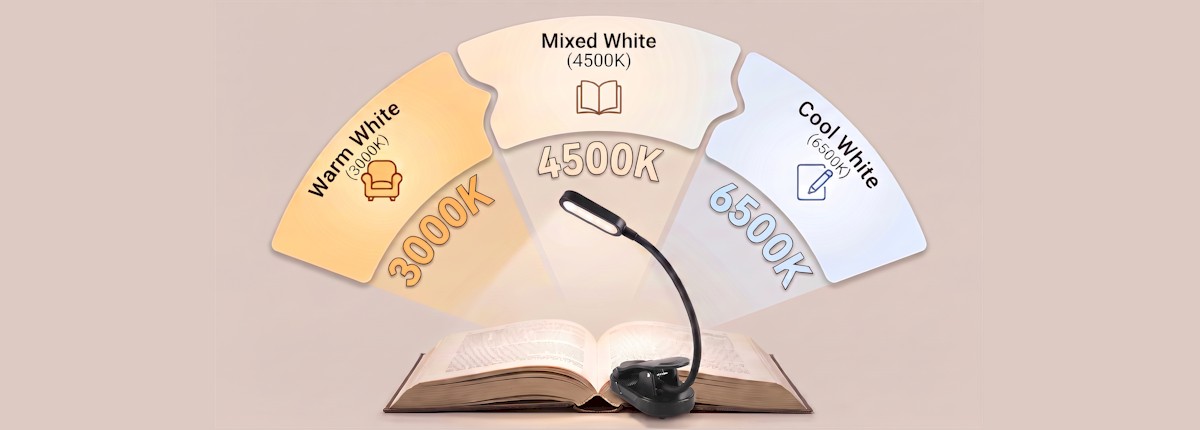
A good clip‑on book light isn’t just a single‑intensity bulb. Look for models that offer at least three brightness levels—low, medium, and high—so you can tailor the illumination to the ambient lighting and your personal comfort. The low setting (often around 5 lumens) is perfect for late‑night reading when you don’t want to disturb a partner. The medium (10‑15 lumens) works well for a dark bedroom, while the high setting (20‑30 lumens) is useful when reading in a slightly brighter environment, such as a dorm room or a campsite.
Color temperature matters just as much as brightness. Warm amber light (around 2,700–3,000 K) mimics the glow of a bedside lamp and is gentler on your eyes. It also has a minimal impact on melatonin production, the hormone that regulates sleep. Cool white light (5,000–6,500 K) feels more “daylight” and can keep you alert, which is handy for studying or working on a manuscript before bedtime. Many readers prefer a model with a toggle switch that lets them move between warm and cool modes, giving them control over both ambiance and alertness.
The Clip Mechanism: Protecting Your Books
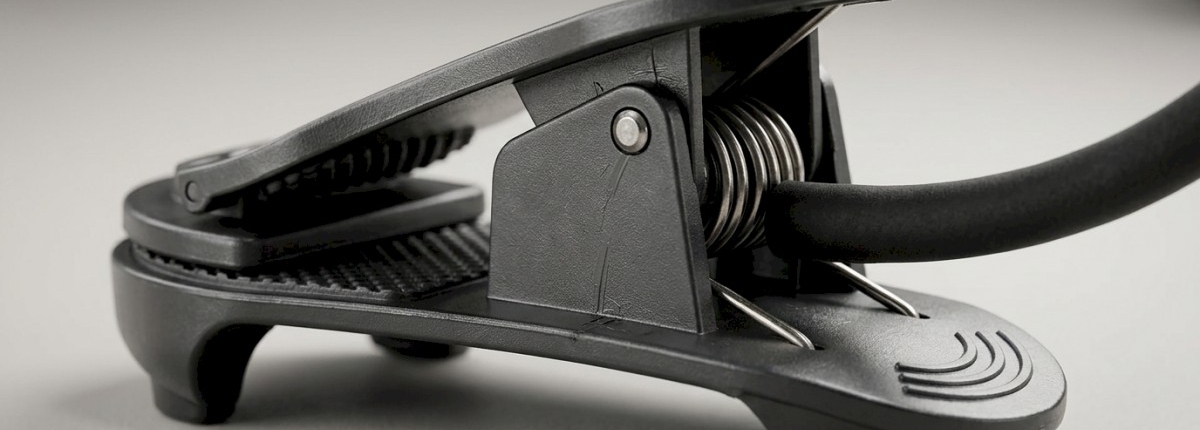
One of the biggest fears for avid readers is that a clip might leave unsightly marks on beloved spines. The best designs address this with a wide, padded jaw that distributes pressure evenly across the cover. Silicone or rubber padding is common and prevents the metal clip from digging into paperbacks or hardcovers. Some models feature a spring‑loaded mechanism that grips securely yet releases gently, meaning you can clip and unclip without a struggle. For larger hardcovers, a flexible gooseneck arm lets you position the light precisely where you need it without stressing the clip.
If you’re reading a tablet or an e‑reader housed in a protective case, look for a clip that can latch onto the case’s edge rather than the thin screen itself. This keeps the device safe while still delivering focused illumination.
Who Actually Benefits From a Clip‑On Light?
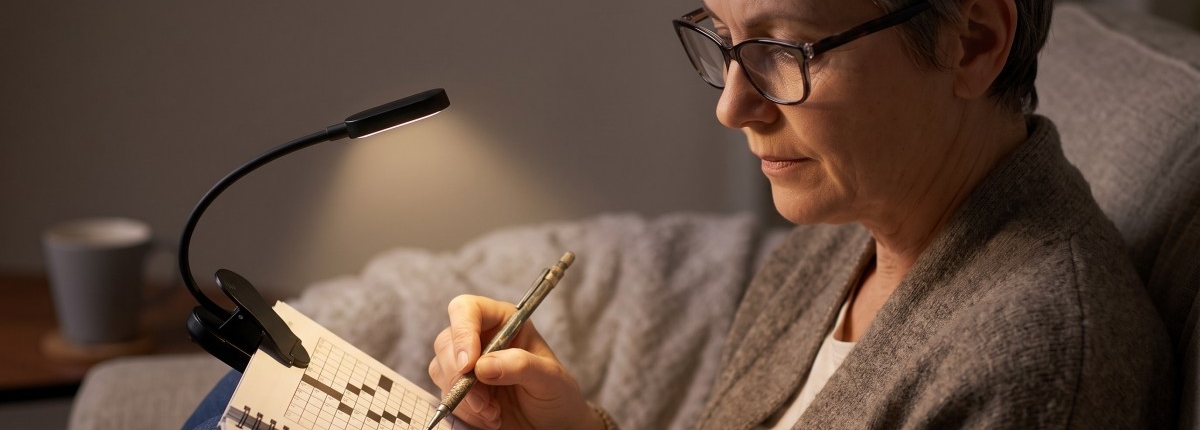
The audience for a clip‑on rechargeable book light is surprisingly broad. Late‑night novel enthusiasts are the most obvious group, but consider these other scenarios:
- Travelers – Whether you’re sharing a cramped hotel room or a midnight flight, a compact light won’t disturb a seatmate and won’t take up valuable luggage space.
- Students – Studying in a dorm or library at odd hours becomes less intrusive when you can direct light only to your textbook.
- Parents – Reading bedtime stories with a dim, warm light helps soothe children without flooding the entire bedroom.
- People with visual impairments – Adjustable brightness and color temperature can make reading more comfortable for those who need extra illumination.
In short, anyone who reads after dark and values a quiet, personalized lighting solution will find a clip‑on rechargeable light indispensable.
How Long Does the Battery Actually Last?
Battery life is a common question, and the answer depends on three variables: brightness level, color temperature, and the efficiency of the LED driver. Most reputable models claim 20‑30 hours on low brightness, 12‑18 hours on medium, and 6‑10 hours on high. Real‑world tests by users on Amazon and tech forums often confirm these numbers, with many reviewers noting they can go an entire month between charges when using the low setting for bedtime reading.
To maximize longevity, charge the light fully before the first use and avoid letting the battery sit at 0 % for extended periods. Li‑ion cells perform best when kept between 20 % and 80 % charge.
How to Choose the Right Model for You
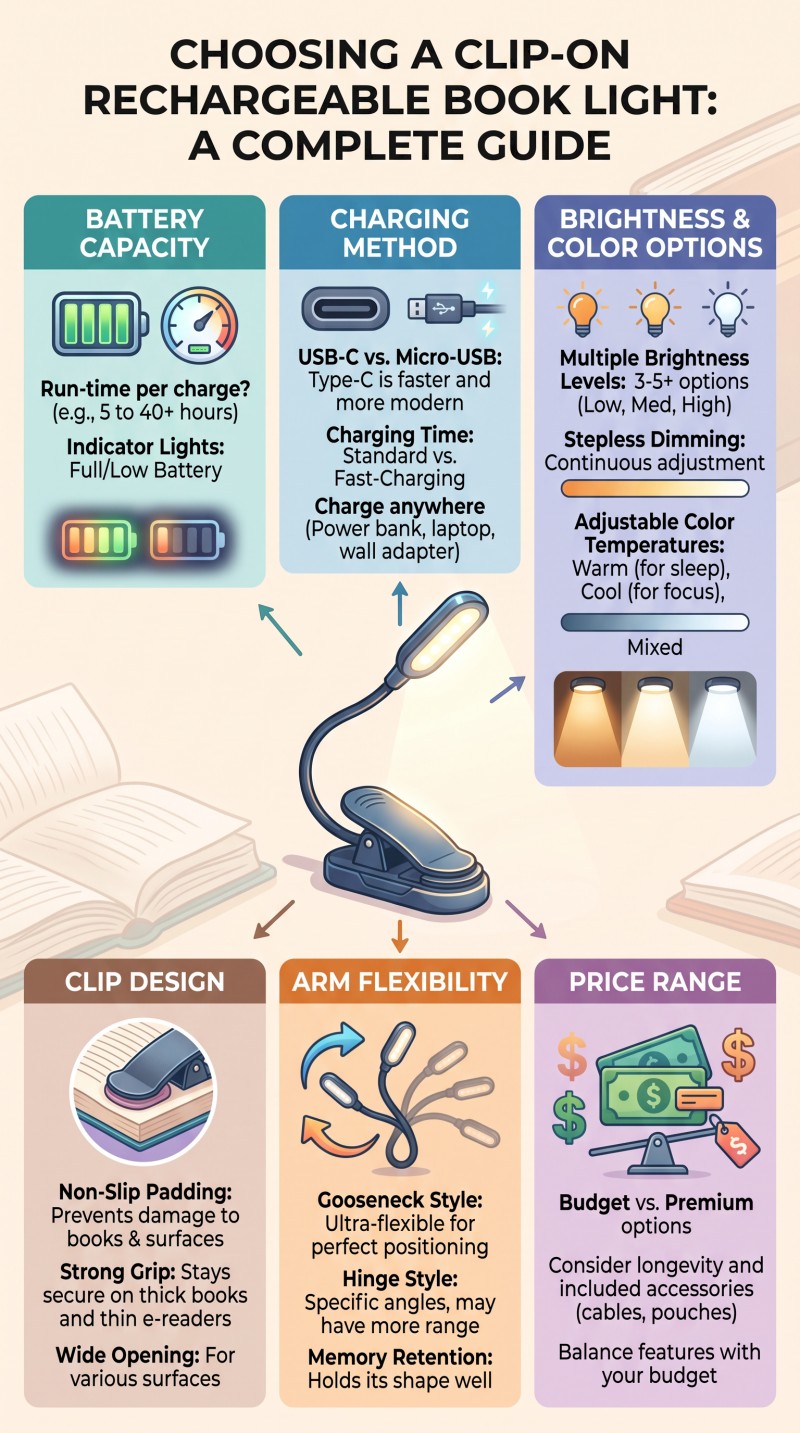
When shopping for a clip‑on rechargeable book light, keep the following checklist in mind:
- Battery capacity – Aim for at least 500 mAh for a full night’s reading.
- Charging method – USB‑C is future‑proof; micro‑USB is still common but less convenient.
- Brightness & color options – Minimum three levels and a warm/cool toggle.
- Clip design – Wide, padded, and spring‑loaded for gentle grip.
- Arm flexibility – A gooseneck that holds its shape prevents constant readjustment.
- Price range – $15–$20 typically balances quality and cost; anything below $12 may be flimsy, while over $25 often adds branding rather than functionality.
Real‑World Performance: A Hands‑On Review
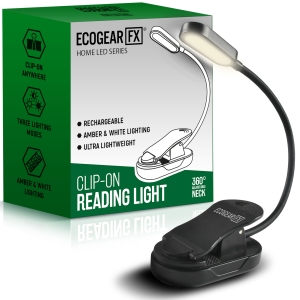 When testing a $16 clip‑on rechargeable light that ticks all the boxes above. The light clipped onto a 300‑page paperback without leaving any indentations, thanks to its silicone‑lined jaws. The gooseneck stayed firm even after I slept on the book, which is a testament to its internal spring tension. Charging was a breeze: a standard USB‑C cable from my nightstand charger filled the battery in 90 minutes, and the indicator light turned green to signal a full charge.
Brightness-wise, the low setting was perfect for bedtime; I could read for an hour before my eyes started to tire, and my partner reported no disturbance. Switching to medium for a late‑night study session gave me the clarity I needed without the harsh blue glare of my phone’s flashlight. The warm‑to‑cool toggle proved handy: warm light for winding down, cool light when I needed to stay alert for a work‑related chapter.
After 14 nights, the battery still held a solid 85 % of its original capacity, and the LED showed no dimming. The clip remained snug, and the silicone padding never hardened or cracked. In short, the light lived up to its $16 price tag and proved that a simple, well‑engineered product can dramatically improve a nightly routine.
Common Misconceptions About Clip‑On Lights
- “They’re only for paperbacks.” – Modern designs work on hardcovers, spiral notebooks, and even e‑reader cases. The key is a wide, adaptable clip.
- “LED light will damage my eyes.” – LEDs emit far less UV radiation than incandescent bulbs. When paired with a warm color temperature, they are actually easier on the eyes.
- “Rechargeable lights are too expensive.” – While the upfront cost is higher than a disposable‑battery model, the long‑term savings on batteries and the reduced environmental impact make them more economical.
- “I can’t read in total darkness.” – Warm amber light mimics candlelight and is sufficient for most reading tasks without needing a fully lit room.
FAQs
How long does a rechargeable clip‑on book light hold its charge? Most quality lights provide 20 + hours on the lowest setting, with lower brightness extending runtime even further.
Will a clip‑on book light damage my book? A well‑designed model uses a padded, wide‑jaw clip that distributes pressure evenly, preventing creases or dents.
What color light is best for reading at night? Warm amber (2,700–3,000 K) is ideal; it minimizes melatonin suppression and reduces eye strain.
Can a clip‑on book light be used on a Kindle or e‑reader? Yes, provided the case has a sturdy edge for the clip. Most e‑readers have built‑in lighting, so the clip‑on is most useful for physical books.
Is a $14 book light actually good quality? Absolutely. The $12–$18 bracket is where reliable, feature‑rich models sit. Below $10 often compromises durability; above $25 tends to add unnecessary branding.
How do I charge a rechargeable book light? Plug the included USB (or USB‑C) cable into any standard charger. A full charge typically takes 1–2 hours.
Does a book light disturb a sleeping partner? Because the light shines directly onto the page rather than flooding the room, it’s far less likely to wake someone else.
Maintenance Tips to Keep Your Light Working
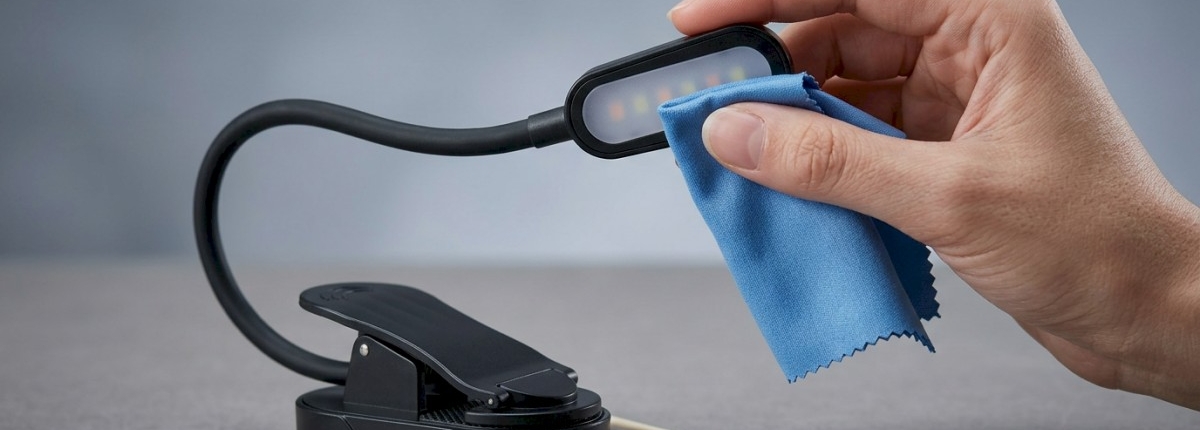
- Clean the LED lens – Use a soft, lint‑free cloth to wipe away dust; avoid abrasive cleaners.
- Store it in a case – Many lights come with a small pouch; this protects the clip and gooseneck from bends.
- Avoid extreme temperatures – Store the light at room temperature; extreme cold can temporarily reduce battery performance.
- Charge regularly – Even if you’re not using it daily, plug it in every few weeks to maintain battery health.
The Bottom Line: Is It Worth the Investment?
For anyone who reads after dark, a clip‑on rechargeable book light is more than a convenience—it’s a small lifestyle upgrade. It eliminates the need for a phone flashlight, reduces eye strain, protects your reading partner’s sleep, and preserves the condition of your books. At a price point of $14, you’re paying for durable construction, adjustable illumination, and a battery that will last months, if not years. In the grand scheme of home gadgets, it’s a modest spend that yields high returns in comfort and sleep quality.
If you’re still using a bedside lamp that spills light across the room or a phone flashlight that blinds you, consider making the switch. The investment is tiny, the impact is big, and the joy of reading in peace at 2 a.m. is priceless.
How to Buy the Best Clip‑On Rechargeable Book Light
When you’re ready to purchase, start by checking the product specifications for battery capacity, charging port type, and clip dimensions. Long‑term durability and battery life is important so look for a product that meets your needs. By following these guidelines, you’ll secure a reliable companion for all those late‑night literary adventures. Happy reading!
This article is for informational purposes only. Prices and availability are accurate as of July 2026.