

Important Factors to Keep in Mind When Buying a Gym Bag
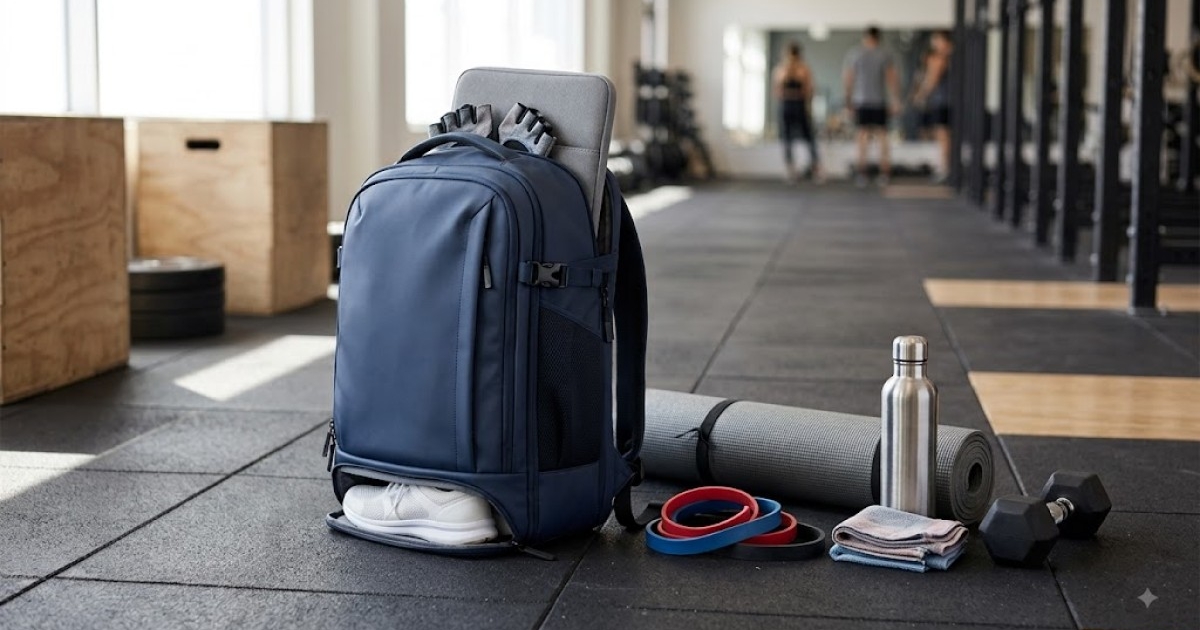
If you’ve ever juggled a water bottle, a pair of shoes, a sweaty hoodie, and your phone while trying to sprint to the locker room, you know that a good gym bag is the unsung hero of any workout routine. It’s not just a tote for your gear; it’s a mobile organizer, a moisture barrier, and sometimes even a style statement. Picking the right one can save you time, keep your clothes fresh, and protect expensive tech from the inevitable post‑workout sweat. In this guide we’ll walk through the most important factors to keep in mind when buying a gym bag, so you can walk into the gym (or office) feeling confident that every piece of equipment has a home.
1. Assess Your Daily Storage Needs
 Before you get lost in a sea of colors and fabrics, take a realistic inventory of what you actually carry on a typical training day. Are you a morning‑runner who heads straight to the office? That means you’ll need space for a dry change of clothes, a laptop or tablet, toiletries, and perhaps a lunch box. If you’re a weight‑lifter, you might need extra room for a belt, wrist wraps, exercise resistance bands and a pair of heavy shoes. Yoga enthusiasts often bring a mat, block, and a reusable water bottle. The key is to match the bag’s capacity to your routine.
A common mistake is buying a bag that’s too small. You’ll end up stuffing items into pockets until the zippers scream, which shortens the bag’s lifespan. On the flip side, an oversized duffel can feel like you’re lugging around a small suitcase for a 30‑minute cardio session. Aim for a bag that offers enough interior volume for your core items plus a 10‑15% buffer for unexpected extras – think an extra pair of socks or a protein bar.
2. Material Durability and Water Resistance
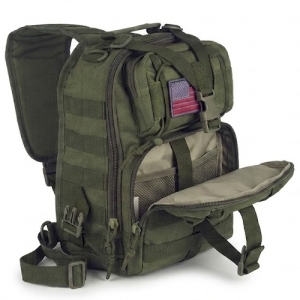
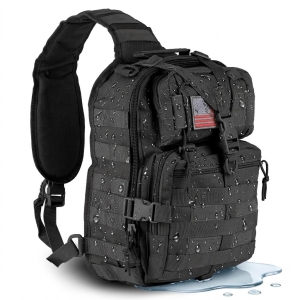 Gym bags face daily abuse: rough locker handles, abrasive gym floors, occasional rain, and the inevitable sweat spill. The best performers are made from heavy‑duty polyester or ballistic nylon. Military-style or tactical backpacks are good choices for many as these fabrics resist tearing, UV fading, and friction‑induced wear. Look for a denier rating of at least 600 D; the higher the number, the thicker and tougher the material.
Water resistance is a must, even if you don’t live in a rainy climate. A bag with a DWR (Durable Water Repellent) coating will shed moisture from a sudden downpour or a sweaty hoodie. Some premium models even feature a laminated waterproof liner, which creates a sealed compartment for electronics and dry clothes. If you plan to use the bag for outdoor activities like trail runs, consider a fully waterproof zippered system with a taped seam.
3. Ventilation and Odor Control
Nothing is more off‑putting than a gym bag that smells like a locker room after a week of use. Good airflow is the secret weapon against lingering odors. Look for mesh panels on the side or back of the main compartment. These allow air to circulate, drying damp gear faster and preventing mildew.
Some brands go a step further with antimicrobial linings that inhibit bacterial growth. While these treatments aren’t a substitute for regular cleaning, they do buy you extra days between washes. Speaking of cleaning, a removable, washable liner is a bonus – simply toss it in the washing machine and the bag stays fresh.
4. Organizational Features and Specialized Compartments
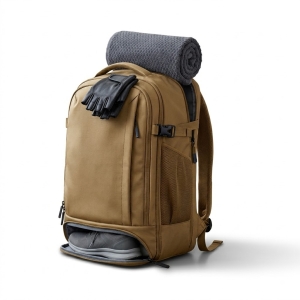 A chaotic bag forces you to dig around for keys, headphones, or that tiny bottle of pre‑workout. The most functional gym bags include a mix of internal and external pockets:
- Dedicated shoe compartment – usually a separate zippered pocket on the bottom or side, keeping wet sneakers away from clean clothes.
- Wet‑gear pocket – a mesh or waterproof sleeve for damp towels and swimwear.
- Tech pocket – a padded sleeve positioned against the back panel to protect laptops, tablets, or a smartwatch.
- Quick‑access front zip – perfect for a gym card, cash, or a lock.
- Small zippered interior pockets – ideal for phones, wallets, and keys.
When these compartments are thoughtfully placed, you’ll spend less time rummaging and more time focusing on your workout.
5. Comfort and Carrying Style
How you carry the bag influences both your posture and your overall experience. Two main styles dominate the market:
Backpack
A backpack distributes weight evenly across both shoulders, reducing strain on the neck and back. Look for padded, contoured shoulder straps and a breathable back panel (often a mesh lattice) to keep you cool. Some models also include a sternum strap for added stability during high‑impact activities.
Duffel/Shoulder Bag
A classic duffel offers a wide opening, making it easy to toss in bulky items like a yoga mat. Adjustable shoulder straps provide the flexibility of a tote, while a single grab handle allows quick lifts. If you prefer a shoulder bag, make sure the strap is padded and adjustable to accommodate different body types.
Regardless of the style, a reinforced base (often a rigid plastic or thick canvas strip) prevents the bag from sagging when it’s fully loaded.
6. Security Features
Gym lockers can be a target for opportunistic theft, especially in high‑traffic facilities. A few security-minded details can give you peace of mind:
- Heavy‑duty Y‑ or coil zippers that can accommodate a small padlock.
- Lockable compartments – some high‑end bags feature lockable zip sections for valuables.
- Hidden pockets – discreet zip pockets inside the main compartment keep wallets and keys out of sight.
If you commute via public transport or bike to the gym, consider a bag with reflective details for added visibility during early‑morning or late‑evening rides.
7. Aesthetic Appeal and Personal Style
While functionality should lead the decision, you’ll be carrying this bag daily, so it should also match your personal vibe. Modern gym bags come in a spectrum of colors—from muted greys and blacks to bold neons and camo prints. Some brands offer interchangeable straps or removable patches, allowing you to customize the look.
Choosing a distinctive color or pattern can also serve a practical purpose: it makes your bag instantly recognizable in a crowded locker room, reducing the risk of accidental swaps.
8. Budget and Value Proposition
It’s tempting to snag the cheapest bag off a discount shelf, but a low‑price bag often skimp on durability, zippers, and stitching quality. In the long run, a $30 bag that tears after a few months costs more than a $80‑$120 bag that lasts years.
When budgeting, prioritize the features that matter most to you—water resistance, a shoe compartment, or a padded tech sleeve. If you find a bag that checks all the boxes but is slightly above your budget, consider it an investment in longevity and convenience. Many reputable brands also offer limited‑time warranties (often 1–2 years) that cover zipper failures and seam splits, further boosting value.
9. Warranty, Brand Reputation, and Reviews
A solid warranty is a signal that the manufacturer stands behind its product. Look for at least a one‑year warranty covering hardware (zippers, straps, buckles) and a longer warranty on the fabric itself. Reading user reviews can reveal real‑world performance—pay attention to comments about strap comfort, zipper durability, and how the bag handles heavy loads.
Brands that specialize in tactical or outdoor gear (e.g., 5.11, Patagonia, Osprey) often translate their rugged engineering into gym‑ready bags. However, newer niche brands may offer innovative features at a lower price point; just verify they have transparent return policies and responsive customer service.
10. Maintenance and Cleaning Tips
![backpack on white table with cleaning supplies [mild detergent, soft brush, water‑repellent spray]](https://www.ecogearfx.com/wp-content/uploads/backpack-white-table-cleaning-supplies-detergent-brush-water-repellent-1200x430.jpg)
Even the toughest bag needs regular upkeep to stay fresh. Here are quick steps to extend its life:
- Empty and shake out – Remove all items and give the bag a good shake to dislodge debris.
- Spot clean – Use a mild detergent and a soft brush on stains; avoid harsh chemicals that can break down DWR coatings.
- Air dry – Hang the bag upside down in a well‑ventilated area; never toss it in a dryer.
- Reapply DWR – After several washes, a spray‑on DWR treatment restores water resistance.
- Inspect hardware – Check zippers and straps for wear; replace or repair before they fail completely.
A well‑maintained bag not only looks better but also preserves the integrity of the materials, keeping it functional for years.
11. Putting It All Together – How to Choose the Right Bag for You
Now that you’ve explored each factor, narrow your options with a quick checklist:
- Capacity – Does it fit your typical load plus a safety margin?
- Material – Heavy‑duty polyester or nylon with DWR?
- Ventilation – Mesh panels or antimicrobial lining?
- Compartmentalization – Shoe, wet‑gear, tech, and small pockets?
- Carry style – Backpack vs. duffel based on comfort preference.
- Security – Lockable zippers or hidden pockets?
- Style – Color and design that you’ll enjoy daily.
- Price vs. features – Does it meet your budget while delivering durability?
- Warranty – At least one year covering hardware.
Test the bag in person if you can—lift it fully loaded, feel the strap pressure, and open every pocket. If you’re buying online, look for detailed product information with multiple product images.
12. Final Thoughts
Your gym bag is more than a storage solution; it’s a partner in your fitness journey. By paying attention to capacity, material quality, organization, comfort, and style, you can choose a typical gym bag or a backpack for your gear that not only meets your practical needs. The right bag reduces friction in your routine, protects your equipment, and keeps you looking sharp from the squat rack to the boardroom.
Invest wisely, maintain it regularly, and you’ll find that a well‑chosen gym bag can last you for many training cycles, saving you both time and money. Happy hunting, and may your next workout be as organized as your new bag!
Key Takeaways
- Match bag capacity to your typical workout load, adding a 10‑15% buffer for extras.
- Choose heavy‑duty polyester or nylon with a DWR coating for durability and water resistance.
- Prioritize ventilation (mesh panels) and antimicrobial linings to combat odor.
- Look for dedicated shoe, wet‑gear, and padded tech compartments for organized storage.
- Comfort matters – padded, adjustable straps and a reinforced base reduce strain.