

Nylon Belt with Plastic Buckle: Benefits, Care & Styling Tips
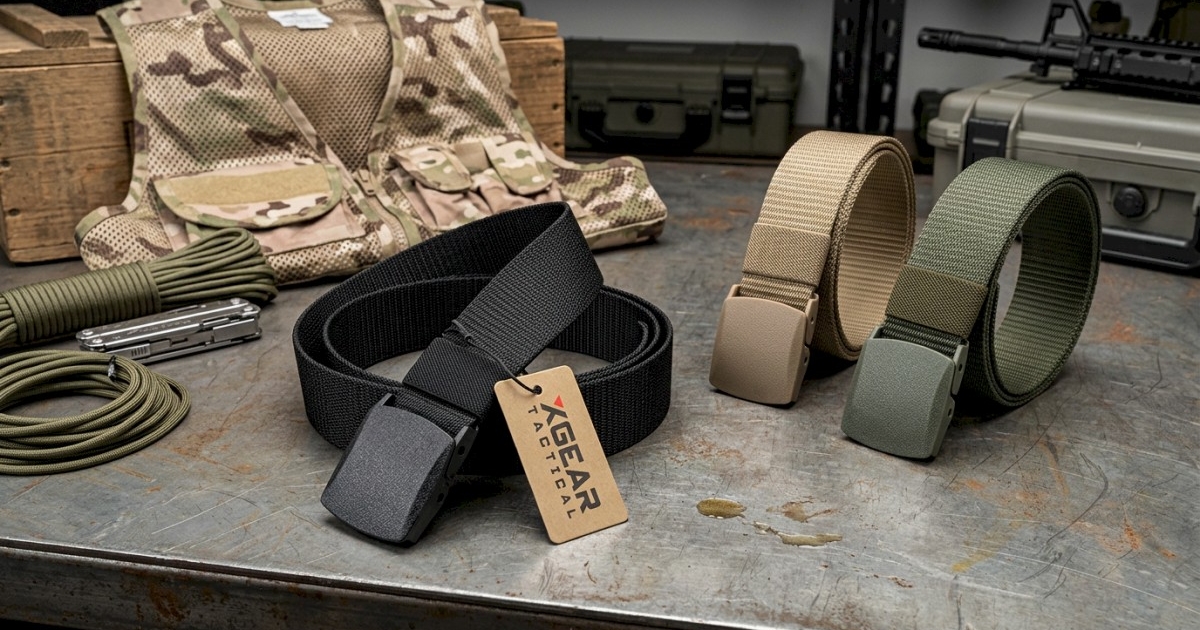
If you’ve ever stared at a rack of belts and wondered why some look so much more practical than others, you’re not alone. The market is flooded with leather, woven fabric, and even metal‑studded options, each promising its own set of perks. Among these, the nylon belt with a plastic buckle has quietly earned a reputation for being the unsung hero of everyday wardrobes. It strikes a balance between performance and price, making it a go‑to accessory for commuters, hikers, and fashion‑forward casuals alike. In this guide we’ll unpack what makes this belt tick, dive into the concrete benefits it offers, walk you through a straightforward care routine, and finish with a styling playbook that shows how to dress it up—or down—without breaking a sweat.
What Exactly Is a Nylon Belt with a Plastic Buckle?
At its core, a nylon belt is a strip of woven or knit nylon fibers that have been coated or laminated for added strength. The material itself is a synthetic polymer known for its high tensile strength, flexibility, and resistance to moisture. The plastic buckle—often made from injection‑molded polycarbonate, acrylic, or ABS—acts as the fastening mechanism. Unlike metal buckles, which can add weight and sometimes scratch delicate fabrics, plastic buckles are lightweight, smooth, and can be molded into a variety of shapes and colors.
These belts are typically produced in a range of widths (from 1‑inch to 1.5‑inch) and finishes, from matte to glossy, and they often feature a micro‑adjustable sliding mechanism that allows for fine‑tuned sizing. The combination of a resilient webbing and a low‑profile buckle makes the belt ideal for activities that demand movement, such as cycling, hiking, or even a day at the office when you need to look polished without the stiffness of leather.
Core Benefits
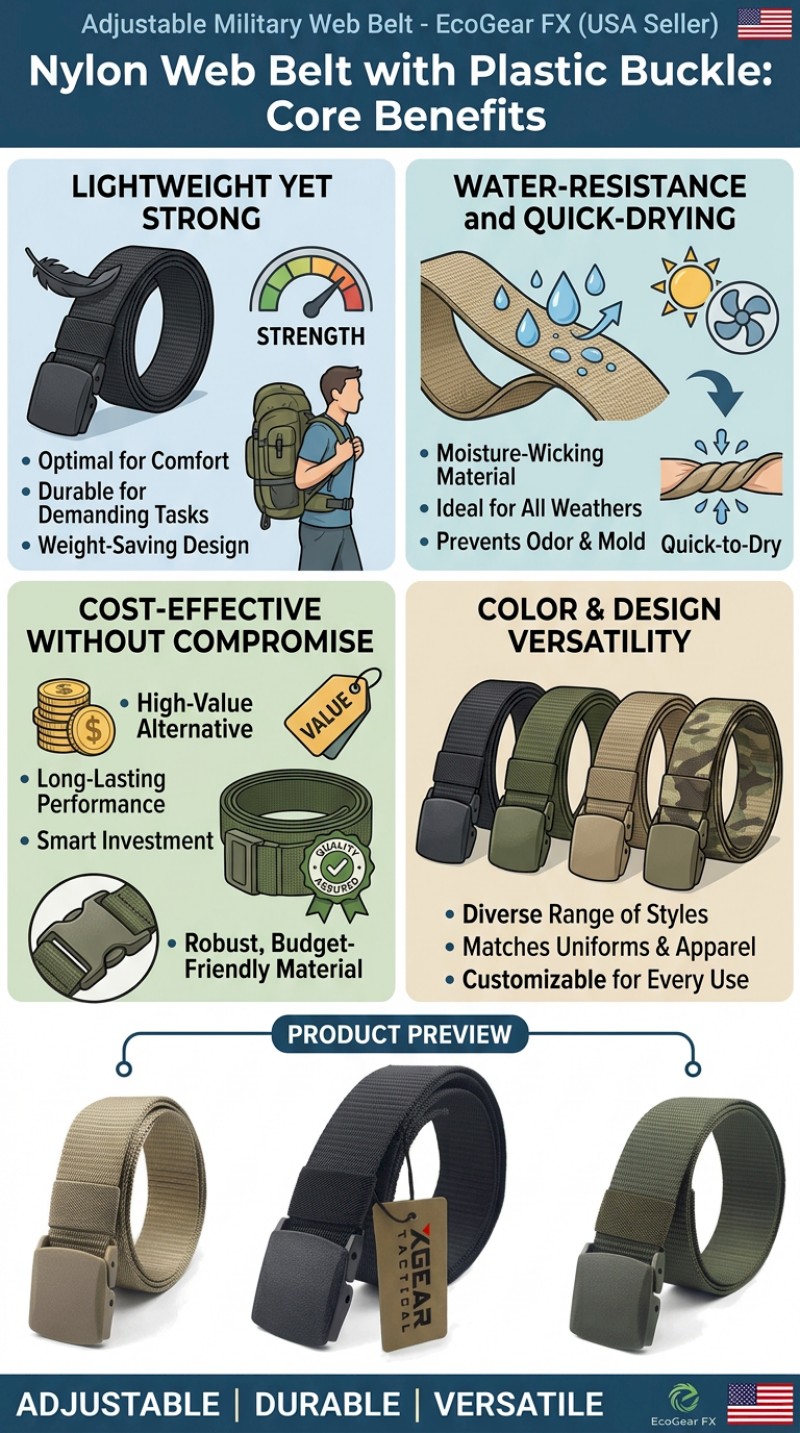
1. Lightweight Yet Strong
One of the most immediate advantages you’ll notice is the belt’s feather‑light feel. A typical nylon belt with a plastic buckle can weigh as little as 30‑40 grams, compared to 150‑200 grams for a comparable leather belt with a metal buckle. This reduction in weight translates directly into comfort, especially when you’re wearing it for long periods. Despite the lightness, nylon’s high tensile strength means the belt can support a considerable amount of tension without stretching or snapping, making it reliable for heavier pants or utility wear.
2. Water‑Resistance and Quick‑Drying
Nylon is inherently water‑repellent. A quick spill or unexpected rain shower won’t soak the belt, and it dries within minutes when hung up. This is a game‑changer for outdoor enthusiasts who need gear that won’t become soggy, heavy, or develop mold. Plastic buckles share this property; they don’t rust and won’t corrode if exposed to salt water, making the belt suitable for beach trips or kayaking adventures.
3. Cost‑Effective Without Compromise
Because both nylon and plastic are mass‑produced materials, these belts are generally priced between $10 and $30, a fraction of the cost of high‑end leather belts. Yet the performance gap is minimal for everyday use. You get a product that looks sleek, performs reliably, and can be replaced affordably if it ever wears out.
4. Color & Design Versatility
Manufacturers can dye nylon fibers and mold plastic buckles in virtually any hue. From classic black and navy to vibrant neon or patterned options, the belt can act as a subtle accent or a bold statement piece. This palette flexibility means you can coordinate it with seasonal wardrobes or use it as a pop‑of‑color against neutral outfits.
How to Care for Your Nylon Belt
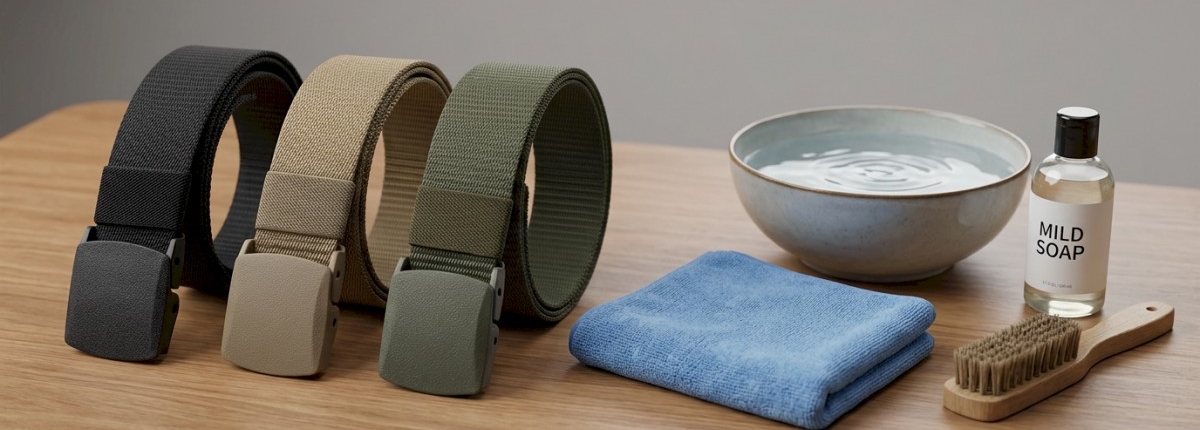
Proper maintenance extends the life of any accessory, and nylon belts are no exception. Fortunately, caring for them is straightforward and doesn’t require a trip to the dry cleaner.
Spot Cleaning
For everyday dirt or sweat stains, simply wipe the belt with a damp microfiber cloth. If the stain is stubborn, mix a few drops of mild dish soap with lukewarm water, dip the cloth, and gently rub the affected area. Avoid soaking the belt; excessive water can weaken the adhesive that holds the coating to the nylon fibers.
Deep Cleaning (Occasional)
When the belt needs a more thorough cleanse—say after a muddy hike—use a soft brush (an old toothbrush works well) to scrub the webbing with the same mild soap solution. Rinse quickly under a gentle stream of lukewarm water, being careful not to submerge the plastic buckle for too long, as some plastics can become brittle with prolonged exposure to heat.
Drying & Storage
After cleaning, pat the belt dry with a clean towel and hang it in a well‑ventilated area. Do not tumble dry or use a hair dryer, as high heat can warp the plastic buckle and cause the nylon to shrink. When you’re not wearing it, store the belt loosely coiled or draped over a hanger rather than folded sharply; this prevents creases that can become permanent over time.
Minor Repairs
If the buckle’s prong becomes loose, most plastic buckles can be snapped back into place with a small pair of pliers—just be gentle to avoid cracking. For frayed webbing, a quick fix is to use a heat‑shrink tube (available at most hardware stores). Slip the tube over the frayed end, apply gentle heat, and the tube will contract, sealing the fibers together.
Styling Guide: From Street Casual to Office‑Ready
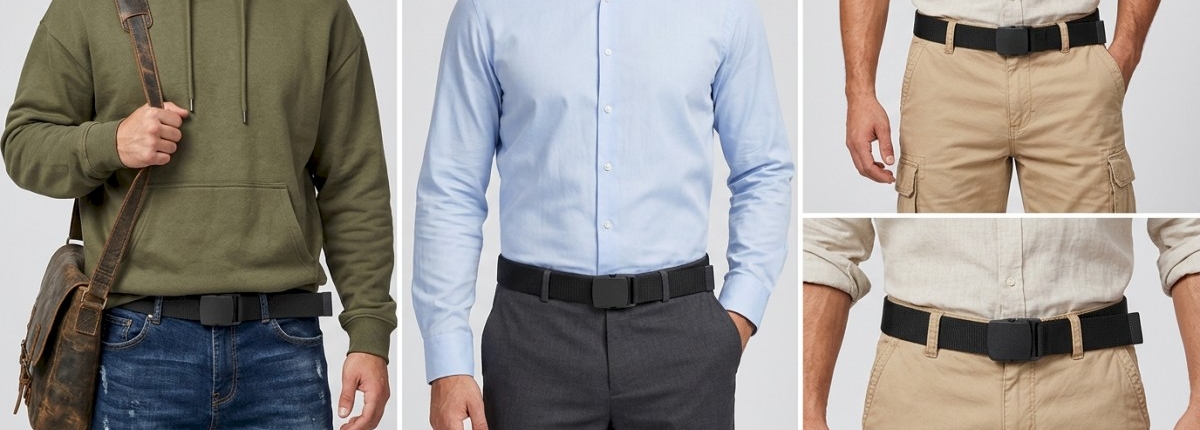
A nylon belt with a plastic buckle may sound utilitarian, but it can be a surprisingly stylish accessory when paired thoughtfully.
Casual Everyday Looks
For a laid‑back vibe, match a black or charcoal nylon belt with slim‑fit jeans and a plain white tee. The belt’s low‑profile buckle keeps the look clean, while the subtle sheen of the nylon adds a modern edge. If you’re aiming for a sporty feel, pair the belt with joggers, a bomber jacket, and high‑top sneakers. The water‑resistant nature means you can wear it on a rainy day without worrying about stains.
Business Casual
Think of a navy or dark green nylon belt paired with chinos and a crisp button‑down shirt. The belt’s sleek finish mimics leather’s formality but brings a relaxed comfort that traditional leather can’t match. Opt for a matte black plastic buckle to keep the outfit looking polished; avoid overly glossy buckles in a professional setting as they can appear too casual.
Summer & Beachwear
Brightly colored belts—think teal, coral, or pastel yellow—pair beautifully with short‑sleeve linen shirts, swim trunks, or lightweight shorts. The quick‑dry nature of nylon means you can slip the belt on after a dip in the pool and it won’t retain moisture, preventing that uncomfortable soggy feeling.
Layering & Accessories
Because the belt is thin and flexible, it works well under jackets, vests, or even over a light cardigan. You can also experiment with layering two belts of different colors for a street‑wear inspired look, though keep the total width under 2 inches to avoid bulk. When choosing accessories, coordinate the belt’s buckle color with other hardware (watch straps, shoe eyelets) for a cohesive finish.
Sustainability Considerations
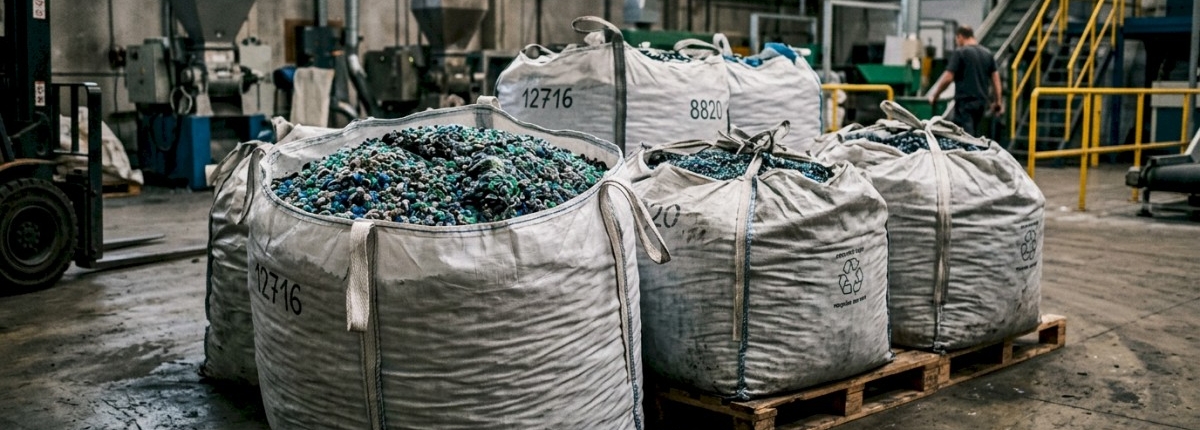
While nylon is a synthetic polymer derived from petroleum, many manufacturers now produce recycled‑nylon using post‑consumer waste such as fishing nets and discarded fabric. Look for belts that carry the “recycled content” label, as they reduce landfill impact and lessen dependence on virgin resources. Plastic buckles can also be made from recycled polymers, further improving the belt’s eco‑footprint. Choosing a durable, long‑lasting belt—rather than constantly replacing cheaper, low‑quality options—also contributes to a more sustainable wardrobe.
Frequently Asked Questions
Q: Can I wear a nylon belt with dress pants? A: Absolutely, provided the belt is a muted color and the buckle is matte. A dark navy belt with a black plastic buckle pairs well with charcoal dress pants and a blazer.
Q: Will the belt stretch over time? A: Nylon does have a small amount of give, but high‑quality belts are reinforced with a polyester backing that minimizes permanent stretching. If you notice a loose fit after a year, simply adjust the sliding mechanism or re‑thread the belt through the belt loops.
Q: Are plastic buckles prone to cracking? A: Modern buckles are typically made from impact‑resistant polymers like polycarbonate, which can withstand everyday flexing. Cracking usually occurs only if the buckle is exposed to extreme temperatures or a hard impact.
Q: How do I size a nylon belt? A: Measure your waist where the belt will sit, then add 2‑3 inches. Most nylon belts have a sliding adjustment, so you can fine‑tune the fit without needing an exact size.
Conclusion
A nylon belt with a plastic buckle may not have the heritage of a hand‑stitched leather classic, but it brings a suite of practical benefits that modern lifestyles demand: lightweight comfort, water resistance, affordability, and a kaleidoscope of style options. By following a simple care routine—spot clean, air dry, store loosely—you’ll keep the belt looking fresh for years. Whether you’re dressing up for a casual Friday, gearing up for an outdoor adventure, or just need a reliable everyday accessory, this belt checks all the boxes. Embrace the versatility, experiment with color, and let this understated hero become a staple in your wardrobe.