

How to Choose the Right Backpack for Climbing – Expert Guide
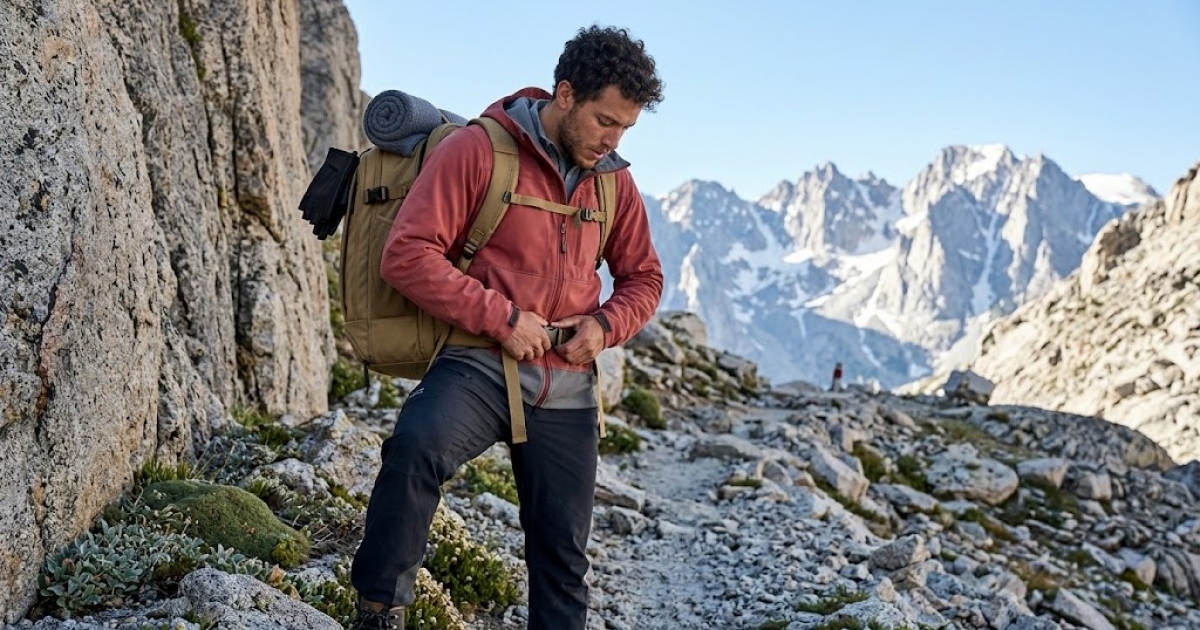
Whether you’re lacing up for a quick bouldering session at the local crag or plotting a multi‑day alpine ascent, the backpack you strap on is more than just a sack for your gear. It’s the bridge between you and the rock, a silent partner that can either keep you focused on the climb or distract you with uncomfortable pressure points, tangled straps, and wasted space. A well‑chosen pack balances durability, weight, capacity, and comfort while providing easy access to the tools you need at a moment’s notice. In this guide we’ll walk you through every consideration you should make before you click ‘add to cart,’ ensuring that the pack you pick enhances your climbing experience rather than hinders it.
Identify Your Climbing Style First
![different types of climbing activities [Bouldering, Trad Climbing, Multi‑Pitch]](https://www.ecogearfx.com/wp-content/uploads/different-types-climbing-activities-bouldering-trad-climbing-multi-pitch-1200x430.jpg)
The very first question you need to answer is, what type of climbing am I doing? The answer will dictate everything from the pack’s overall volume to the placement of specialized pockets.
Bouldering
Bouldering demands minimal gear: a chalk bag, climbing shoes, a crash pad, and perhaps a few brushes. Because you’re often moving quickly between problems, you want a pack that’s lightweight, easy to sling over a shoulder, and equipped with a dedicated shoe compartment that keeps the pad from getting crushed. Packs in the 15‑20 L range are usually sufficient, especially if they feature a dedicated padded sleeve for the pad.
Sport and Trad Climbing
When you’re on a sport route or a trad line, you need room for a harness, a rope (or two), quickdraws, cams, nuts, slings, and a small emergency kit. Accessibility becomes key—you’ll be reaching for gear mid‑pitch, so external loops for a rope, a harness‑carrier strap, and a zip‑away pocket for a first‑aid kit are essential. Most climbers in this category gravitate toward 25‑35 L packs with a streamlined silhouette that won’t snag on overhangs.
Multi‑Pitch and Alpine
If you’re tackling long routes that span several pitches or heading into the high mountains, you’re essentially carrying a mini‑expedition on your back. You’ll need space for a larger rope, extra clothing layers, a bivy sack or lightweight tent, a stove, food, and possibly ice‑axe or crampon holders. In this scenario, a 40‑60 L pack with a robust frame, adjustable torso length, and reinforced attachment points is the sweet spot.
Knowing your primary discipline helps you eliminate packs that are over‑engineered (and heavy) for bouldering or under‑capacity for a week‑long alpine push.
Core Features to Scrutinize
![different features of a climbing backpack [Durability, Material, Capacity, Expandability].](https://www.ecogearfx.com/wp-content/uploads/different-features-climbing-pack-durability-material-capacity-expandability-1200x630.jpg)
Once you’ve narrowed the size range, it’s time to dive into the specifics. Below are the non‑negotiables that separate a decent backpack from a great one.
1. Durability & Materials
Climbing exposes your gear to abrasive rock, sharp edges, and sudden weather changes. Look for ripstop nylon or polyester fabrics with a denier count of at least 600 D; these provide a good balance between weight and tear resistance. Reinforced bar‑tack stitching at high‑stress points—such as the shoulder straps, hip belt, and load‑bearing panels—adds longevity. Waterproof or water‑resistant coatings (e.g., PU laminates) are a plus, especially for alpine routes where you may encounter snow or rain.
2. Weight and Load Distribution
A pack’s own weight is the first load you carry, so aim for a dry weight under 2 lb (≈900 g) for day packs and under 4 lb (≈1.8 kg) for larger expedition packs. More important than the bare weight is how the load is transferred to your body. Look for an internal frame or a semi‑rigid back panel that distributes weight evenly across your hips, not just your shoulders. A padded, adjustable hip belt with a load‑lock system helps keep the pack stable on steep terrain.
3. Capacity and Expandability
Capacity is measured in liters, but the real test is how the space is organized. Packs with modular internal compartments—often using zip‑away dividers—allow you to compartmentalize rope, food, and clothing without sacrificing quick access. Some models feature a ‘stretch‑baffle’ system that expands the volume by 10‑15 % when you need extra room for a bulky item like a sleeping bag.
4. Comfort Features
Beyond padding, consider ventilation. A mesh back panel with a honeycomb or channel design promotes airflow, reducing sweat buildup on hot days. Adjustable shoulder straps with a “floating” system can move slightly to accommodate dynamic movements, while a sternum strap with a quick‑release buckle keeps the pack stable without restricting breathing.
5. Functional Add‑Ons
Climbing‑specific packs often include:
- Rope Carry System: A dedicated strap that slides the rope across the back, keeping it from bouncing.
- Harness Loop: A reinforced hook or strap that lets you sling your harness without removing it.
- Helmet Pocket: An external zip‑per or mesh pocket that holds a helmet securely.
- Ice‑Axe/Crampon Holders: Reinforced loops on the hip belt or side panels for alpine gear.
- Gear Loops & Daisy Chains: Multiple attachment points for carabiners, chalk bags, and quickdraws.
These features may seem minor, but they shave seconds off your transition time and keep you organized in high‑stress situations.
How to Test Fit Before You Commit
Even the most feature‑rich pack will fail if it doesn’t fit your body shape. Here’s a step‑by‑step method to ensure a perfect fit, whether you’re shopping in a brick‑and‑mortar store or buying online.
- Measure Your Torso Length: Stand upright, place a measuring tape at the base of your neck (C7 vertebra) and run it down to the top of your hip bones. Most manufacturers provide a sizing chart that correlates torso length to Small, Medium, or Large frames.
- Load the Pack: Fill the backpack with weight that mimics your typical load—usually your rope, shoes, and a few pounds of extra gear. If you’re buying online, use a set of dumbbells or sandbags that match the expected weight.
- Shoulder Strap Adjustment: Pull the straps tight so the pack sits snug against your back, then fine‑tune the length so the bottom of the pack rests just above your hips. The straps should form a ‘V’ shape from your shoulder to your hips.
- Hip Belt Positioning: Fasten the hip belt low on your hips, not on your waist. The belt should carry 80‑90 % of the weight. Walk, squat, and simulate climbing movements; the pack should stay close to your body without bouncing.
- Check for Pinching: Pay attention to any pressure points on your shoulders, chest, or lower back. Small adjustments to strap padding or the sternum strap can often resolve these issues.
If you’re purchasing online, read user reviews for fit feedback, and choose retailers with a hassle‑free return policy so you can try the pack at home.
Maintenance Tips to Prolong Your Pack’s Life
![backpack on white table with cleaning items [small cloth, mild soap, water proofing spray]](https://www.ecogearfx.com/wp-content/uploads/backpack-white-table-cleaning-items-cloth-soap-water-proofing-1200x430.jpg)
A climbing backpack is an investment that can last a decade or more if you treat it right.
- Regular Cleaning: After each trip, wipe down the exterior with a damp cloth. Spot‑clean stubborn grime with a mild soap solution, but avoid submerging the pack in water or tossing it in the washing machine—this can damage coatings and buckles.
- Dry Properly: Hang the pack in a well‑ventilated area, uncompressed, to let it dry fully. This prevents mildew and keeps the padding from losing its shape.
- Inspect Hardware: Check zippers, buckles, and stitching before each use. Tighten loose straps and replace broken buckles promptly. Most manufacturers sell replacement parts, so keep the model number handy.
- Store Smartly: When not in use for extended periods, store the pack in a dry, cool place—ideally in a breathable sack rather than a sealed plastic bag. This preserves the fabric’s breathability and prevents material degradation.
By following these simple steps, you’ll keep your pack performing at its best and avoid costly replacements.
Top Picks Across Different Climbing Disciplines
Below is a quick reference list of popular models that excel in their respective categories (prices are approximate as of 2026).
| Discipline | Model | Capacity | Weight (dry) | Notable Feature |
|---|---|---|---|---|
| Bouldering | Peak Performance Mini‑Pack | 18 L | 1.4 lb | Dedicated padded crash‑pad sleeve |
| Sport/Trad | AlpineEdge 30 | 30 L | 2.2 lb | Rope‑carry system, quick‑access harness loop |
| Multi‑Pitch | SummitPro 45 | 45 L | 3.5 lb | Ice‑axe holder, ventilated back panel |
| Alpine | EverPeak 60 | 60 L | 4.0 lb | Expandable baffle, removable rain cover |
These suggestions are starting points; the best pack for you will align with the personal checklist you develop using the criteria above.
Final Thoughts: Your Backpack, Your Adventure
Choosing the right climbing backpack isn’t a one‑size‑fits‑all decision. It’s a blend of understanding your climbing style, matching capacity to gear, and ensuring the pack’s ergonomics suit your body. Prioritize durability, weight, comfort, and climbing‑specific features, then test the fit rigorously before committing. With proper care, your chosen pack will become a trusted companion for countless ascents, from camping on a lake side to the world’s most remote summits.
Ready to start your search? Browse reputable outdoor retailers, read user reviews, and don’t be afraid to try on several models before making a final choice. The perfect pack is out there—find it, strap it on, and let the climbing adventure begin.
Key Takeaways
- Match backpack capacity to your climbing discipline; 15‑20 L for bouldering, 25‑35 L for sport/trad, 40‑60 L for alpine.
- Prioritize durability (ripstop nylon, reinforced stitching) and weight; aim for under 2 lb for day packs.
- Fit is critical—ensure the hip belt carries most of the load and that the pack stays stable during movement.
- Look for climbing‑specific features: rope carry, harness loop, helmet pocket, and gear loops.
- Maintain your pack with regular cleaning, proper drying, and hardware inspections to extend its lifespan.