

Tactical Essentials for Your Camping Trip – Gear & Tips
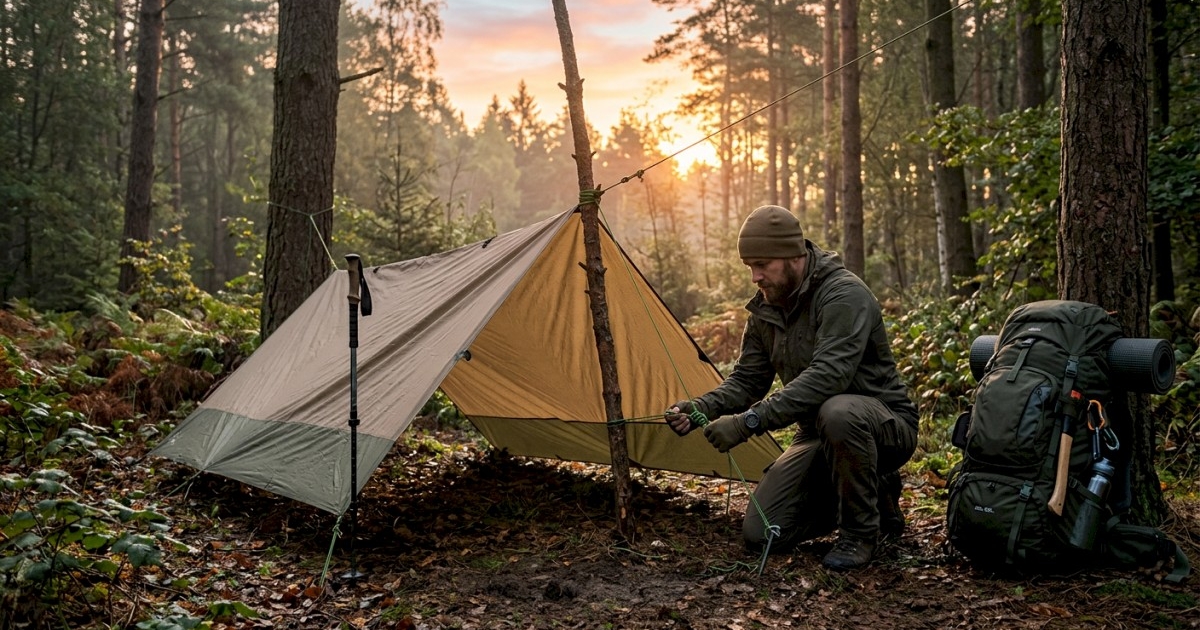
When you think of tactical camping, the first image that often pops up is a rugged, low‑profile shelter that can withstand wind, rain, and the occasional curious wildlife encounter. While a classic canvas tent can do the job, a tactical tarp system offers far more flexibility. A 10‑by‑10‑foot ripstop nylon tarp paired with a set of aluminum poles or paracord can be rigged in multiple configurations – A‑frame, lean‑to, or even a quick‑set c‑shape for steep slopes. The key is to select a tarp with a PU coating; this adds water resistance without the bulk of a fully‑laminated sheet, keeping weight down while ensuring you stay dry.
Installation is surprisingly straightforward. Start by anchoring the tarp’s corners with stakes or heavy rocks, then use guy lines to tension the edges. A taut tarp creates a “fly” that sheds water efficiently, and the space beneath remains ventilated, reducing condensation. For colder nights, line the interior with a compact sleeping pad and an insulated bivy sack. This combo provides a protective barrier from the ground while preserving the lightweight ethos of tactical gear.
Tactical Clothing Layers: Stay Comfortable, Stay Ready
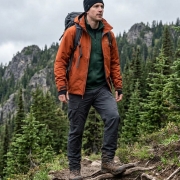
Clothing is the first line of defense against the elements, and a tactical approach means thinking in layers. Begin with a moisture‑wicking base layer—synthetic fabrics like polyester or merino wool work best because they pull sweat away from the skin and dry quickly. Over that, add an insulating mid‑layer such as a fleece or a lightweight down jacket; the goal is to trap heat without adding bulk. Finally, protect yourself from wind and rain with a hard‑shell outer layer that features breathable membranes (e.g., Gore‑Tex® or similar). Look for jackets with sealed seams and storm flaps to prevent water ingress.
Don’t forget the details: a pair of tactical pants with reinforced knees, zip‑off lower legs for converting to shorts, and a wide‑brim hat or neck gaiter. Footwear should be sturdy yet break‑in friendly; a pair of Vibram‑soled hiking boots paired with moisture‑wicking socks gives you traction on slippery terrain while keeping feet dry. In colder climates, consider adding insulated gaiters to keep snow out of the boot’s breathing zone.
Essential Navigation Tools
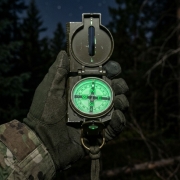 Even if you’re using a smartphone GPS, relying solely on satellite signals is risky. Batteries die, trees block reception, and weather can throw a wrench in the signal. That’s why a tactical compass remains indispensable. Choose a lensatic or mil‑spec compass with a luminous dial for low‑light use. Pair it with a topographic map of the area—preferably a waterproof, laminated version that won’t tear if it gets wet.
Practice the basics before you head out: orient your map to true north using the compass, plot your route, and identify landmarks. Learn to take a bearing and follow it for a set distance, then check your progress against recognizable features like ridgelines or watercourses. For added redundancy, a compact handheld GPS unit with pre‑loaded waypoints can serve as a backup, but always keep your primary navigation skills sharp.
Lighting and Signaling Gear
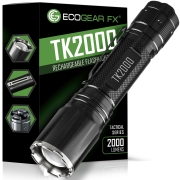 Nighttime in the wilderness can be both magical and dangerous. A reliable light source is non‑negotiable. Headlamps or a USB rechargeable tactical flashlight with multiple brightness settings preserve your night adaptation while you navigate around camp. Look for models powered by rechargeable Li‑ion batteries and that offer a strobe function for emergency signaling.
In addition to personal illumination, carry a lightweight, multi‑color LED flare or a traditional magnesium fire starter. These are crucial for attracting rescue teams if you become stranded. A whistle is another low‑tech but highly effective signaling device—its sound carries farther than a shout, and it’s easy to operate with gloved hands.
Food, Water, and Nutrition Planning
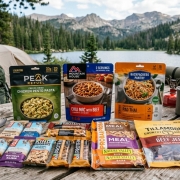 Fueling your body is as tactical as any gear choice. Focus on high‑calorie, low‑weight meals that require minimal preparation. Freeze‑dried entrees, energy bars, and jerky provide protein and carbs without weighing you down. A compact stove—such as a canister or alcohol‑based model—lets you boil water quickly; choose one with an integrated windscreen to improve efficiency.
Water purification cannot be an afterthought. Even a crystal‑clear stream may harbor pathogens. Pack a lightweight filter (like a hollow‑fiber squeeze filter) or chemical tablets for backup. A collapsible water bladder or insulated bottle helps you keep water at a drinkable temperature and reduces the need for bulky containers.
Plan your meals around the day’s exertion level. For a high‑intensity hike, aim for 3,500–4,000 calories, split among breakfast, lunch, dinner, and snacks. Keep electrolytes in mind—add a pinch of salt to meals or sip an electrolyte powder to replace minerals lost through sweat.
First‑Aid and Survival Kit
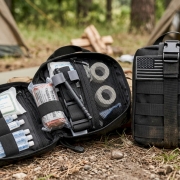 A tactical first‑aid kit is a miniature clinic designed for wilderness scenarios. Include the basics: adhesive bandages, gauze, antiseptic wipes, and medical tape. Add a trauma bandage for severe bleeding, a compact SAM splint for fractures, and a few anti‑inflammatory tablets. Don’t forget personal medications and an epinephrine auto‑injector if you have severe allergies.
Beyond medical supplies, pack a few survival items: a fire‑steel striker, a small paracord bracelet (useful for shelter building, gear repair, or creating a makeshift tourniquet), and a compact multi‑tool with knife, pliers, and screwdriver heads. Store everything in a waterproof, resealable pouch that can be attached to your pack’s exterior for quick access.
Managing Weather and Environmental Hazards
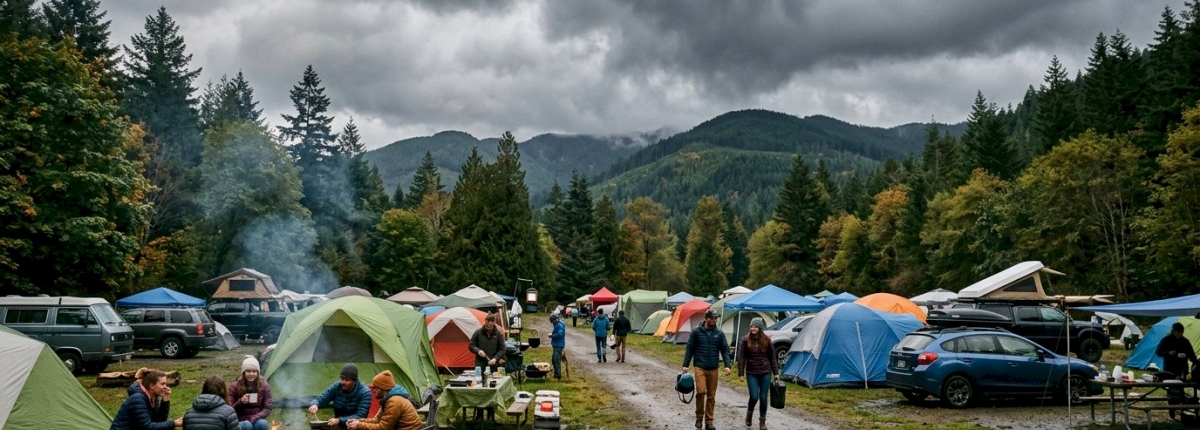
Understanding the local climate before you set out is vital. Check the forecast for temperature swings, precipitation probability, and wind speed. In mountainous regions, weather can change rapidly; be prepared for sudden thunderstorms or dropping temperatures after sunset.
When a storm rolls in, your shelter setup becomes your lifeline. Ensure the tarp is anchored on all sides and that guy lines are tensioned to prevent sagging. If you have a groundsheet, lay it under your sleeping area to create a barrier against ground moisture. For wind, position the low side of the shelter toward the direction the wind is coming from; this reduces pressure on the structure and helps maintain stability.
In areas prone to insects, incorporate a bug net into your shelter or wear clothing treated with permethrin. For sun‑intense locations, use a UV‑blocking tarp layer or a wide‑brim hat and sunscreen. Adaptability is the hallmark of tactical camping—adjust your gear and routine as conditions evolve.
Pack Organization and Load‑Carrying Tips
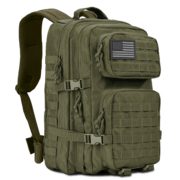 A well‑organized 40-50 liter large backpack not only saves time but also reduces fatigue. Use a modular system: place heavy items (water, stove, food) close to your spine and low in the pack to keep the center of gravity stable. Lighter, bulkier items (clothing, tarp) can sit higher and towards the back. Utilize compression sacks for sleeping gear and zippered pockets for small accessories like map, compass, and headlamp.
Color‑code your gear with small duct‑tape tags or reflective loops. This visual cue helps you locate items quickly, especially in low‑light conditions. Consider a mini backpack for hiking or a waist‑belt pouch for items you’ll need on short hikes—snacks, a compact first‑aid kit, and a water bottle.
Safety Protocols and Leave‑No‑Trace Principles
Tactical camping doesn’t mean ignoring the environment. Follow the Seven Leave‑No‑Trace principles: plan ahead, travel and camp on durable surfaces, dispose of waste properly, leave what you find, minimize campfire impact, respect wildlife, and be considerate of other visitors. Use a portable stove instead of an open fire whenever possible; it reduces charcoal residue and lowers fire risk.
Safety protocols start with communication. File a trip plan with a trusted friend or family member, detailing your route, expected return time, and emergency contacts. Carry a satellite messenger or personal locator beacon (PLB) for areas without cellular coverage. Test your device before departure and familiarize yourself with the distress signal procedures.
Final Checklist: Tactical Camping Essentials
- Shelter: 10×10 ripstop tarp, aluminum poles, guy lines, groundsheet.
- Clothing: Moisture‑wicking base, insulated mid‑layer, waterproof shell, tactical pants, sturdy boots.
- Navigation: Lensatic compass, topographic map, handheld GPS backup.
- Lighting: Multi‑mode rechargeable flashlight, LED flare, whistle.
- Food & Water: Freeze‑dried meals, compact stove, water filter, electrolyte powder.
- First‑Aid: IFAK pouch with trauma bandages, SAM splint, medical tape, personal meds.
- Survival Gear: Fire‑steel, paracord bracelet, multi‑tool, PLB.
- Pack System: Large backpack and compression sacks.
- Safety: Trip plan, satellite messenger, weather check, Leave‑No‑Trace mindset.
By assembling these tactical essentials and honing the associated skills, you’ll transform a routine camping outing into a confident, self‑reliant adventure. Whether you’re navigating rugged backcountry trails or setting up camp under a starlit sky, the right gear and preparation make all the difference. Happy camping!