

How to Choose the Perfect Backpack Size for Teens
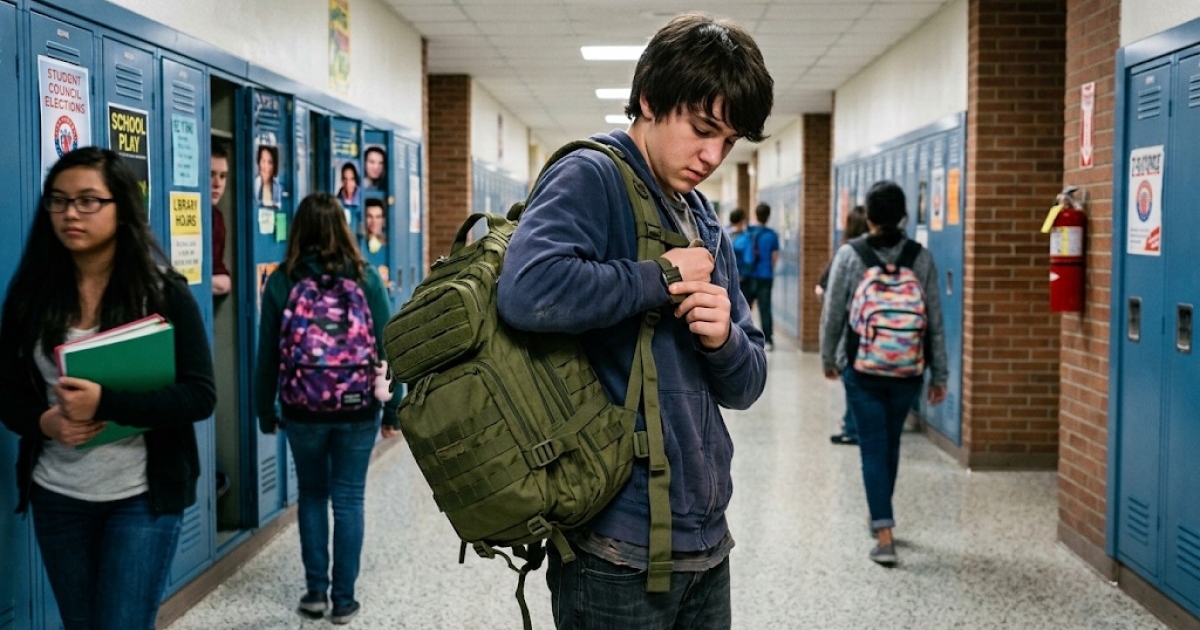
Backpacks have become a teenage staple, but not every pack is created equal. When a backpack is too big, it becomes a clunky burden; when it’s too small, it forces the teen to cram books, laptops, and gym shoes into a space that was never meant for that much weight. The result? Slumped shoulders, sore necks, and a habit of poor posture that can linger into adulthood. Choosing the right size, however, is far more than eyeballing a bag in the store. It’s about matching the teen’s torso length, daily load, activity level, and personal style while keeping health and durability front‑and‑center.
Measure the Torso, Not Just Height
Most parents instinctively reach for a backpack based on a child’s height. While height can give a rough idea, the true fit hinges on torso length – the distance from the base of the neck (the C7 vertebra) to the top of the hip bones. To measure, have your teen stand straight, locate the prominent bump at the base of their neck, then run a soft measuring tape down to the top of their hip bones. Most reputable backpacks list the torso length range they’re designed for. The ideal pack should sit just above the hips, allowing the lower back to curve naturally.
If the pack sits too low, the weight pulls the shoulders forward, creating a hunch. If it rides too high, the straps dig into the shoulders, concentrating pressure on the neck. Adjustability matters, too – straps that can be fine‑tuned in small increments ensure the bag stays snug as the teen grows.
Capacity: Match Liters to Lifestyle
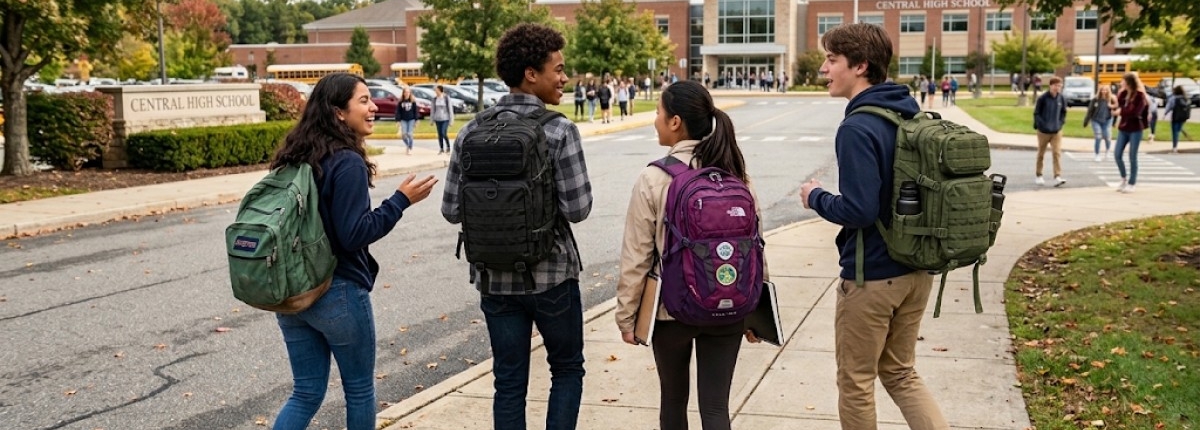
Backpack capacity is measured in liters, and the sweet spot for most high‑school students sits between 20 and 30 liters. A 20‑liter pack comfortably holds a few textbooks, a laptop sleeve, a water bottle, and a lunch box. When a teen participates in sports, band, or after‑school jobs, they often need a 30‑liter pack with the extra room it provides. However, size should never be an excuse to overpack. A bag that’s consistently filled to its brim can strain zippers, seams, and the teen’s shoulders.
How to gauge needed capacity:
- Make a list of everyday items (textbooks, binder, laptop, snack, gym shoes).
- Estimate the volume of each item (a typical laptop is about 2‑3 L, a textbook 4‑5 L).
- Add a buffer of 5‑7 L for miscellaneous items like chargers or a reusable water bottle.
If the total sits comfortably under 30 L, a mid‑size pack is sufficient. Anything larger than 40 L is usually reserved for outdoor enthusiasts who carry tents and sleeping bags, not everyday school gear.
Durability: Materials That Withstand a Teen’s World
Durability isn’t just a buzzword; it’s a cost‑saving feature. Teens toss their packs onto lockers, dump them in gym lockers, and occasionally get caught in rainstorms. Look for backpacks made from 600‑denier (600D) or higher nylon. This fabric resist tears and abrasions while remaining lightweight. Reinforced stitching at high‑stress points—like the bottom corners and strap attachment zones—adds longevity.
Heavy‑duty YKK zippers are another hallmark of quality. They glide smoothly even when the bag is full and are less prone to snagging. Some brands also incorporate a waterproof coating or a removable rain cover, which can protect electronics during sudden showers.
Ergonomic Features: The Backbone of Comfort
A well-designed backpack distributes weight evenly across the shoulders, back, and hips. Key features include:
- Padded, contoured shoulder straps that conform to the teen’s shoulders and reduce pressure points.
- A breathable mesh back panel that promotes airflow, preventing the back from becoming a sweaty slab during a long commute.
- A built‑in lumbar support pad that encourages the natural curve of the spine.
- A sternum (chest) strap that pulls the shoulder straps together, stabilizing the load and preventing the pack from swaying.
When these elements are combined, the teen can carry up to 10‑15 % of their body weight without discomfort. For a 130‑lb teen, that translates to a maximum of 13‑20 lb of gear.
Adjustable Straps: Fine‑Tuning the Fit
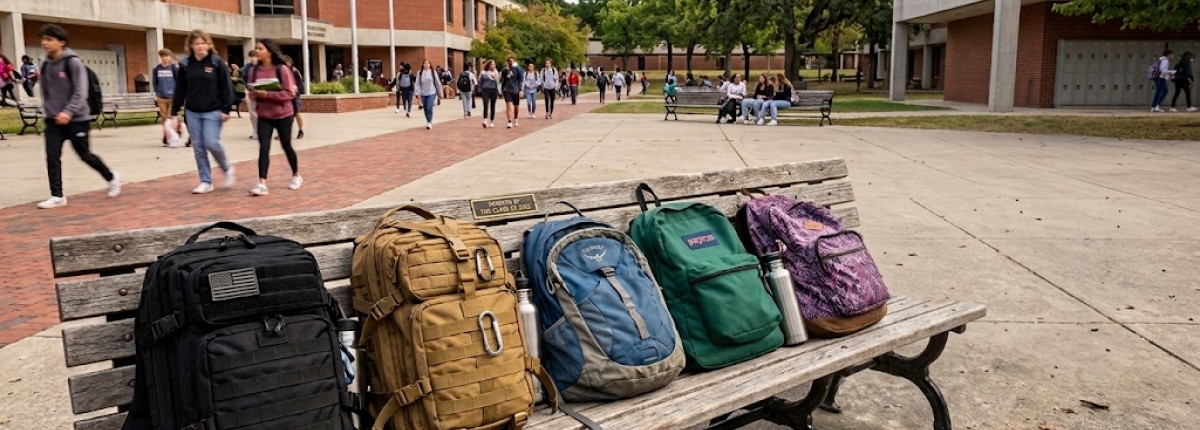
Even the best‑sized backpack can feel wrong if the straps aren’t properly adjusted. Here’s a quick fitting routine:
- Load the pack with the usual school items.
- Pull the straps up so the bag sits high on the back, with the bottom edge resting just above the hips.
- Tighten the shoulder straps until they’re snug but not digging into the shoulders.
- Engage the sternum strap and adjust it so it sits comfortably across the chest, about an inch below the collarbone.
- If the pack has a hip belt, tighten it so the weight shifts from the shoulders to the hips—ideal for packs over 30 L.
Regularly revisit these adjustments as the teen grows; a fit that’s perfect in September may be loose by June.
Smart Compartments: Organization Meets Weight Distribution
A single cavernous compartment forces the teen to toss items in haphazardly, often placing heavy textbooks far from the back. Modern backpacks mitigate this with multiple compartments:
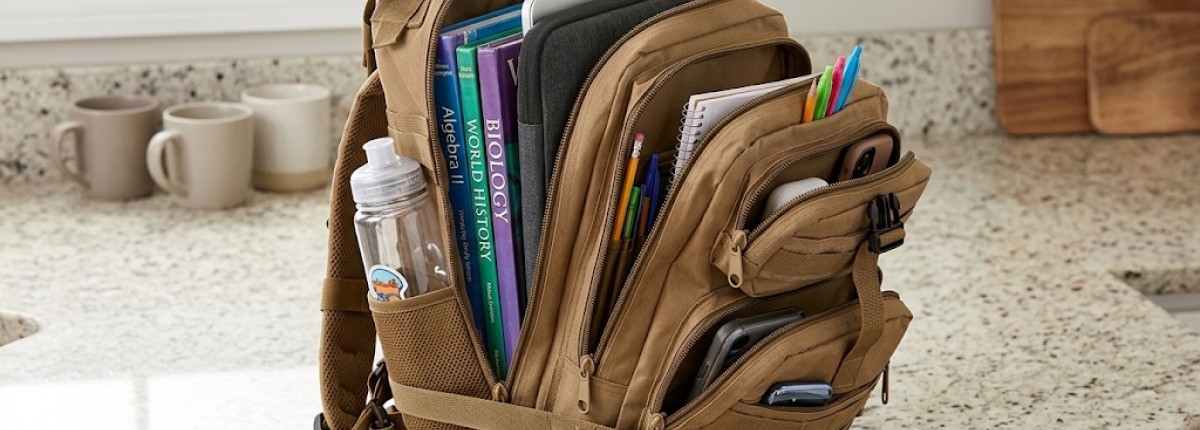
- A padded laptop sleeve (usually 13‑15 in.) keeps the device safe and positions it close to the spine.
- Front zip pockets for small accessories—pens, chargers, snacks.
- Side mesh pockets for water bottles or an umbrella.
- Internal dividers that separate books from notebooks, ensuring heavier items stay near the center.
These compartments not only keep the teen organized but also help maintain a balanced load, reducing the risk of shoulder strain.
Style Without Sacrificing Function
Teenagers are more likely to use a bag where the looks are important such as tactical features. Today’s market offers sleek, minimalist designs that hide some tactical features beneath fashionable exteriors. Think muted camo patterns, solid monochrome colors, or subtle branding. Some brands even let you customize patches or choose from a palette of colors, turning the backpack into a personal statement.
When style meets performance, the teen is motivated to keep the bag in good condition, which indirectly extends its lifespan.
Packing Light: The 10‑15 % Rule in Practice
Even the most ergonomic pack can cause pain if overloaded. The universal guideline is that a loaded backpack should not exceed 10‑15 % of the teen’s body weight. To enforce this:
- Conduct a weekly backpack audit. Remove outdated worksheets, old sports gear, and extra snacks.
- Encourage dual‑strap usage at all times. One‑strap habits create asymmetrical pressure that leads to scoliosis‑like curves.
- Teach the “heavy‑items‑closest” rule: place textbooks and laptops against the back panel; store water bottles and gym shoes in the lower compartments or side pockets.
These habits foster lifelong posture awareness and reduce the likelihood of chronic back pain.
Special Features for the Active Teen
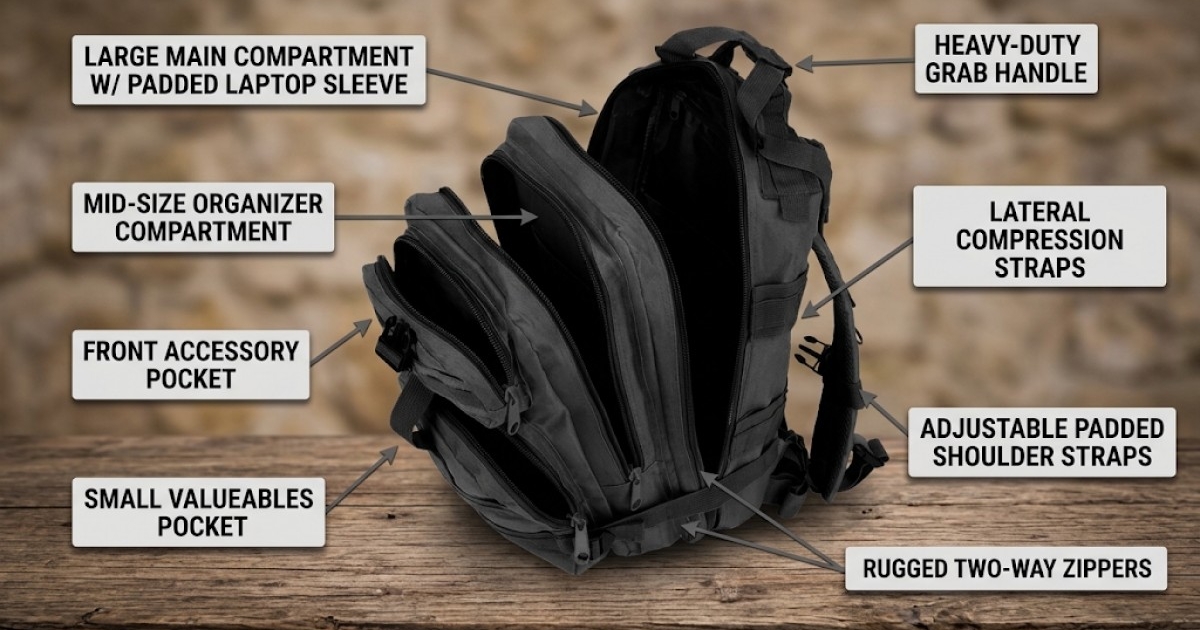
If your teen’s schedule includes sports, music, or part‑time jobs, look for these add‑ons:
- External attachment loops for a gym duffel, bike helmet, or music instrument case.
- Reflective strips for visibility during early‑morning or late‑evening commutes.
- Water‑resistant coating or built‑in rain cover to protect laptops and notebooks.
- Hidden anti‑theft pockets for phones, wallets, or keys.
- Integrated headphone ports for students who listen to audio lessons on the go.
Each feature addresses a real‑world need, turning the backpack from a simple carrier into a multi‑purpose tool.
Choosing the Right Pack: Quality Over Price
While the market is flooded with inexpensive options, the cheapest bags often lack the ergonomic and durability features outlined above. Investing in a durable pack—one that uses high‑denier fabrics and includes ergonomic padding—pays off in fewer replacements and better health outcomes for your teen.
Final Checklist: Picking the Perfect Pack
- Measure torso length and confirm the backpack’s size range matches.
- Select capacity based on daily items (30 L for most, 40 L for extra‑activity teens).
- Verify durability – high‑denier nylon/polyester, reinforced stitching.
- Confirm ergonomic features – padded straps, breathable back panel, lumbar support, sternum strap.
- Test adjustability – ensure straps can be fine‑tuned and hip belt (if present) fits securely.
- Look for smart compartments – laptop sleeve, front pockets, side mesh, internal dividers.
- Consider style – let the teen pick a design they’ll love.
- Check special features – water‑resistance, MOLLE / attachment points.
- Enforce the 10‑15 % weight rule and teach proper packing techniques.
- Choose a good pack with high‑denier fabrics, a solid warranty.
By following this roadmap, you’ll equip your teen with a backpack that protects their posture, endures daily wear, and looks great on the way to class.
Putting It All Together: Real‑World Example
Meet Maya, a 15‑year‑old who loves soccer, the school band, and weekend art classes. Her daily load includes a 1.5 kg laptop, three textbooks (≈5 kg total), a water bottle, a lunch box, and occasionally her saxophone case. Using the steps above, Maya’s parents measured her torso at 18 in. (≈45 cm) and selected a 30‑liter tactical backpack with a padded laptop sleeve, external gear loops, and a breathable mesh back. After adjusting the straps, the pack sat just above her hips, and the sternum strap kept the load stable during her soccer practice.
The result? Maya reports no shoulder pain, her posture stays upright throughout the day, and she loves the sleek, dark‑gray design that matches both her band uniform and her casual wear. This case study illustrates how the right size, capacity, and features translate into tangible comfort and confidence.
Frequently Asked Questions
Q: Can a teen use a standard adult backpack? A: Only if the adult pack offers adjustable torso lengths that match the teen’s measurement and includes ergonomic padding. Most adult packs are too large, leading to excess weight and poor weight distribution.
Q: How often should I replace my teen’s backpack? A: Look for signs of wear—frayed straps, broken zippers, or a sagging frame. High‑quality packs can last 2‑3 years with proper care, but if the teen’s torso length changes significantly, a new size may be needed.
Q: Are waterproof backpacks necessary? A: Not mandatory, but a water‑resistant coating or removable rain cover adds a layer of protection for electronics and paper materials, especially in rainy climates.
Q: Should the backpack be heavier than the teen’s body weight? A: No. Keep the loaded weight under 10‑15 % of the teen’s body weight to prevent chronic strain.
Conclusion
Selecting the right backpack size for a teen is a blend of science and personal preference. By focusing on torso length, matching capacity to daily needs, prioritizing durability, and insisting on ergonomic support, parents can safeguard their teen’s posture and confidence. Add smart compartments, a style they love, and a few performance‑boosting extras, and you’ve got a backpack that will accompany them from the classroom to the soccer field without a hitch. Remember: a well‑chosen pack is an investment in health, organization, and self‑expression—key ingredients for a successful teen years.
Ready to upgrade? Explore our curated selection of teen‑friendly tactical backpacks that meet all the criteria outlined above. Whether you need a sleek 30‑liter option or a versatile 40‑liter backpack with MOLLE, we’ve got you covered.