

IFAK Pouch Guide: Pack for Tactical Activities & Everyday Safety
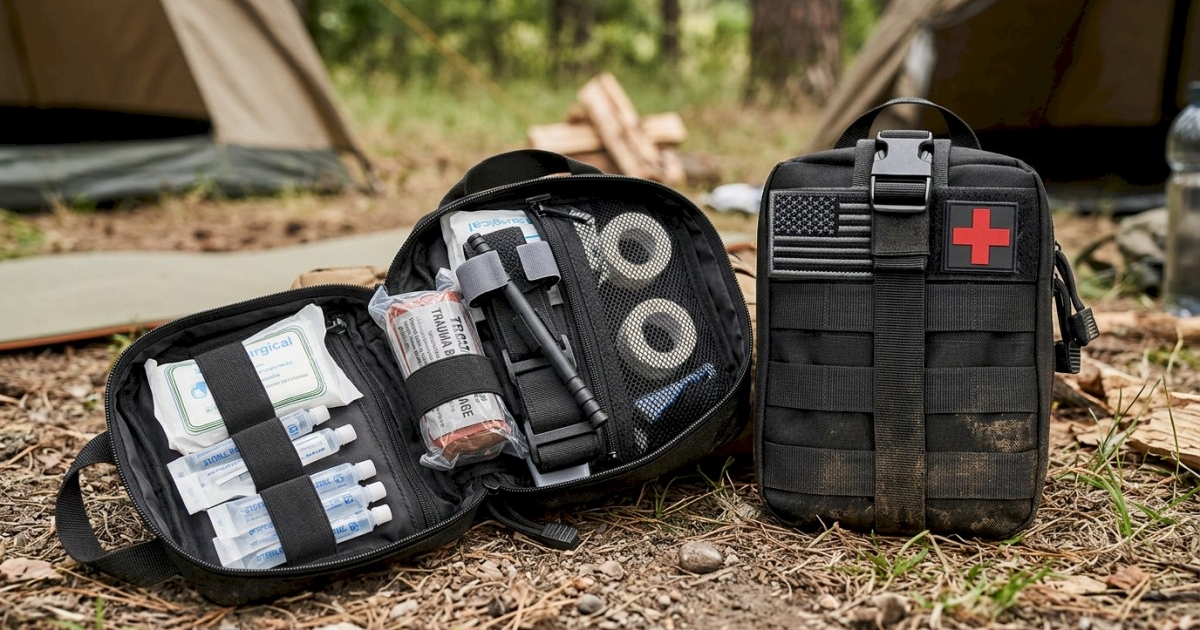
If you’ve ever browsed outdoor gear or watched a tactical video, you might have heard the term IFAK pouch. IFAK stands for Individual First Aid Kit, and the pouch is the rugged container that holds life‑saving medical supplies in a compact, easy‑to‑reach package. Unlike a typical first‑aid box you might keep in a kitchen cabinet, an IFAK pouch is engineered for high‑stress environments—think hiking, hunting, disaster response, or even everyday commuting in a  city. It’s built to survive drops, rain, dust, and the occasional bump against a tree trunk while keeping bandages, tourniquets, and medication organized and accessible.
The modern tactical IFAK pouch is more than just a zip‑up bag. It incorporates modular attachment points, reinforced stitching, and often a low‑profile design that can be clipped to a belt, backpack, or vest. This makes it a staple not only for military and law‑enforcement personnel but also for civilians who want to be prepared for emergencies. In the next sections, we’ll dive deep into the anatomy of a quality IFAK pouch, the essential items you should stash inside, and how to choose the right one for your lifestyle.
Core Components of a Quality IFAK Pouch
Materials and Construction
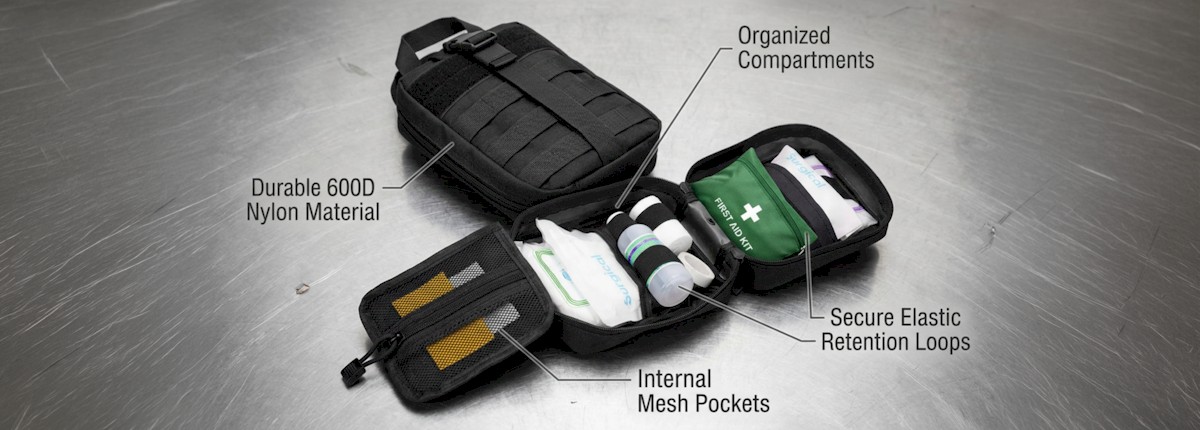
The first thing to look at when evaluating an IFAK pouch is the material. Most reputable pouches are made from 500‑D or 1000‑D nylon, sometimes with a water‑resistant coating like polyurethane (PU) or a durable poly‑ether‑ether‑ketone (PEEK) overlay. These fabrics resist tearing and abrasion while staying lightweight enough for everyday carry. Reinforced corners and bar‑tack stitching add extra strength at high‑stress points where the pouch is most likely to snag on gear.
Another crucial factor is the closure system. Heavy‑duty YKK zippers are the industry standard because they glide smoothly, resist corrosion, and can be sealed with a storm flap to keep moisture out. Some pouches also feature a Velcro‑secured roll‑top or a magnetic snap, offering a quick‑open option for when seconds count. A well‑designed pouch will combine a secure primary closure with an easy secondary opening for rapid access.
Layout and Organization
A good IFAK pouch isn’t just a hollow sack; it’s a meticulously organized workspace. Look for internal compartments, elastic loops, and mesh pockets that keep each item in its place. For instance, a dedicated elastic strap for a tourniquet prevents it from slipping into the bottom of the bag, while a mesh pocket can hold gauze pads flat for quick retrieval. Some advanced designs include a removable admin panel—essentially a small zippered pocket for paperwork, a pocketknife, or a flashlight.
The external layout matters too. MOL‑M (Modular Lightweight Load‑Carrying Equipment) webbing on the front or sides allows you to attach additional pouches or accessories like a multitool, a small flashlight, or a compact rescue knife. This modularity lets you customize the IFAK to fit your mission profile, whether you’re hiking a day‑long trek or responding to a medical emergency in an urban setting.
Essential Supplies to Pack Inside
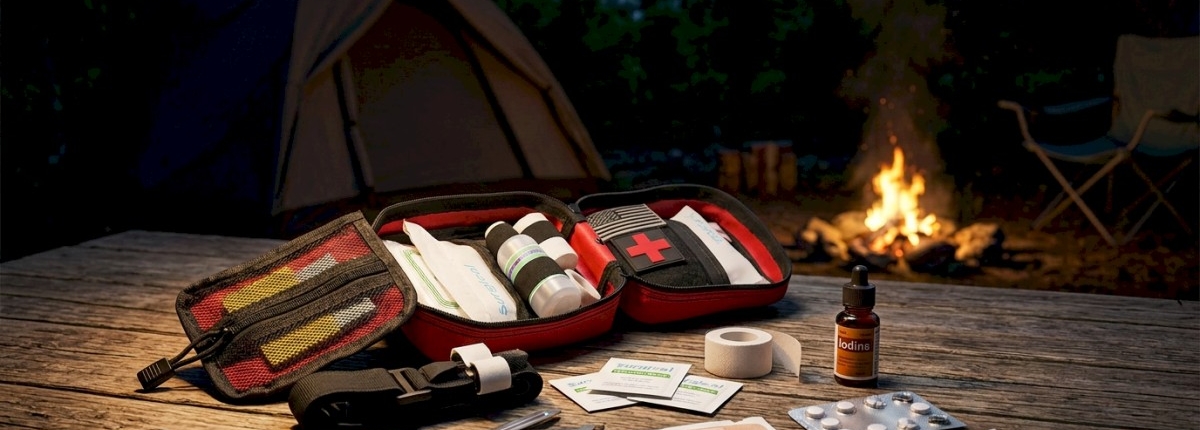
While the exact contents of an IFAK can vary, there are core items that most experts agree should be included. The goal is to address the most common life‑threatening injuries—massive bleeding, airway obstruction, and shock.
- Tourniquet: A CAT (Combat Application Tourniquet) or SOFT‑T is essential for controlling severe limb bleeding. It should be placed high on the thigh or arm and tightened until the pulse stops.
- Israeli Bandage (or Trauma Dressing): These are large, absorbent gauze pads with a built‑in pressure applicator, perfect for packing wounds and applying direct pressure.
- QuikClot or Hemostatic Gauze: These help blood clot faster in deep wounds, buying precious minutes until professional care arrives.
- Chest Seal: A vented, one‑way valve seal stops a sucking chest wound from turning a simple puncture into a life‑threatening tension pneumothorax.
- Nasopharyngeal Airway (NPA): Small, flexible tubes that keep the airway open when the patient is unconscious or has facial injuries.
- Emergency Blanket: A lightweight Mylar blanket retains body heat and can also be used to shield a patient from wind.
- Gloves: Nitrile or latex gloves protect both the rescuer and the patient from contamination.
- Shears: Trauma shears cut through clothing, seat belts, or webbing without damaging underlying tissue.
- Medical Tape and Elastic Bandage: For securing dressings, splinting, or providing compression.
Beyond these basics, consider adding a few mission‑specific items: an epinephrine auto‑injector for severe allergic reactions, a glucose gel for hypoglycemia, or a small splint kit for fractures. The key is to balance comprehensiveness with portability; you don’t want a pouch that weighs more than a water bottle.
How to Choose the Right IFAK Pouch for You
Assess Your Activity Level
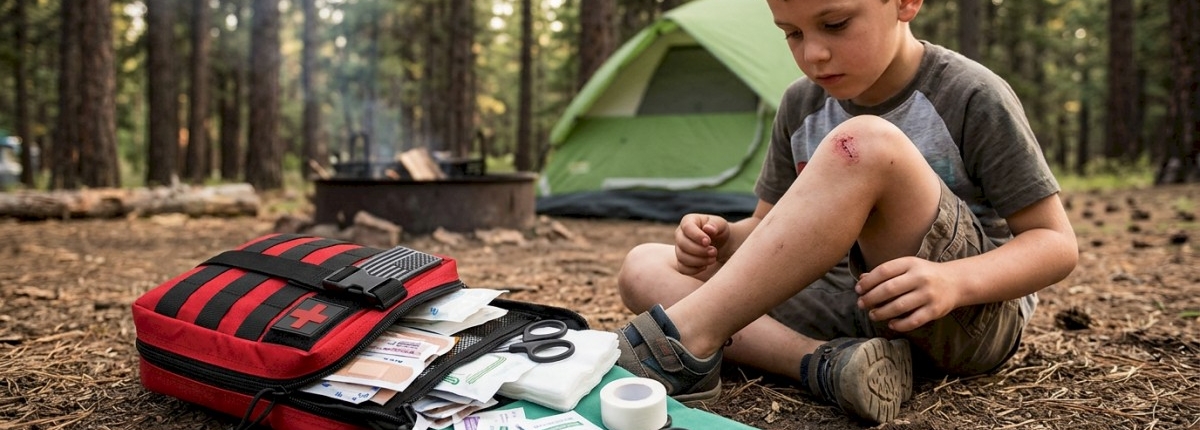
Your daily routine and the environments you frequent dictate the pouch’s size and durability. If you’re a weekend hiker who tackles 10‑mile trails, a mid‑size 8‑10 × 4 in pouch that clips onto a waist belt or backpack strap will suffice. For urban commuters who carry a small bag, a low‑profile, slim pouch that slides into a messenger bag or attaches to a bike frame might be ideal.
Conversely, first‑responders, search‑and‑rescue volunteers, or tactical teams need a larger, more robust pouch with additional attachment points for extra gear. In these scenarios, a 10‑12 × 5 in pouch with a reinforced bottom and multiple external MOL‑M straps ensures you can carry extra medical tools and still access them quickly.
Fit and Comfort
Since the IFAK is often worn for extended periods, ergonomics matter. Look for pouches with a contoured shape that hugs the body without creating pressure points. Some models feature a padded interior or a low‑profile cut that slides under a tactical plate carrier. If you plan to wear it on a belt, make sure the belt loops are wide enough for comfort and that the pouch doesn’t swing excessively while you move.
Customization Options
A one‑size‑fits‑all approach rarely works in the field. Choose a pouch that offers modular panels or removable admin inserts. This lets you swap out a trauma‑only layout for a more comprehensive medical kit without purchasing a whole new bag. Additionally, consider whether the pouch includes a built‑in ID tag or a clear window for quick visual inventory checks.
Price vs. Longevity
High‑quality IFAK pouches can range from $30 for a basic nylon version to $150 for a premium, waterproof, low‑profile design with reinforced stitching and custom MOL‑M integration. While it might be tempting to go cheap, remember that the pouch is an investment in safety. A well‑constructed pouch will survive years of rugged use and protect the life‑saving supplies inside, whereas a flimsy bag could rip open when you need it most.
Packing and Maintaining Your IFAK
The Right Packing Method
When you first assemble your IFAK, arrange the items so the most frequently used tools—tourniquet, trauma dressing, and shears—are the easiest to grab. Place heavier items like the chest seal toward the bottom to keep the pouch’s center of gravity low, reducing swing while you walk. Use the elastic loops to secure the tourniquet and shears, preventing them from rattling around and potentially causing damage to other supplies.
Regular Checks and Restocking
An IFAK is only as good as its contents. Perform a monthly audit: open the pouch, verify expiration dates on hemostatic gauze, chest seals, and any medication, and replace anything that’s used or out of date. Keep a simple checklist taped inside the pouch or stored on your phone so you never forget an item during a restock.
Cleaning and Care
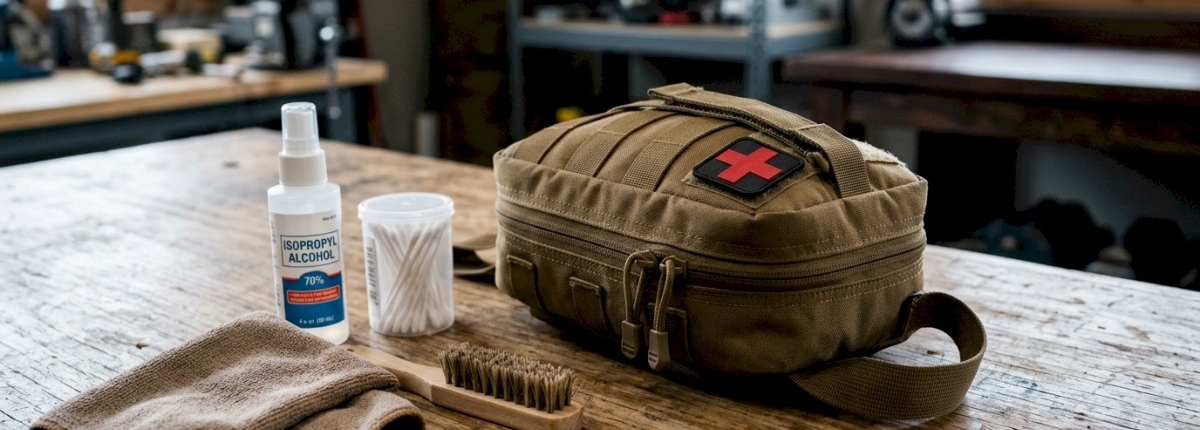
Because the pouch is exposed to dirt, sweat, and sometimes blood, cleaning is essential. Most nylon pouches can be spot‑cleaned with mild soap and warm water; avoid submerging the pouch if it has electronic components like a built‑in flashlight. After cleaning, air‑dry it completely before repacking to prevent mold growth. For waterproof models, reapply a DWR (Durable Water Repellent) spray annually to maintain water resistance.
Scenarios Where a Tactical First-Aid Bag Saves Lives
Hiking Accident
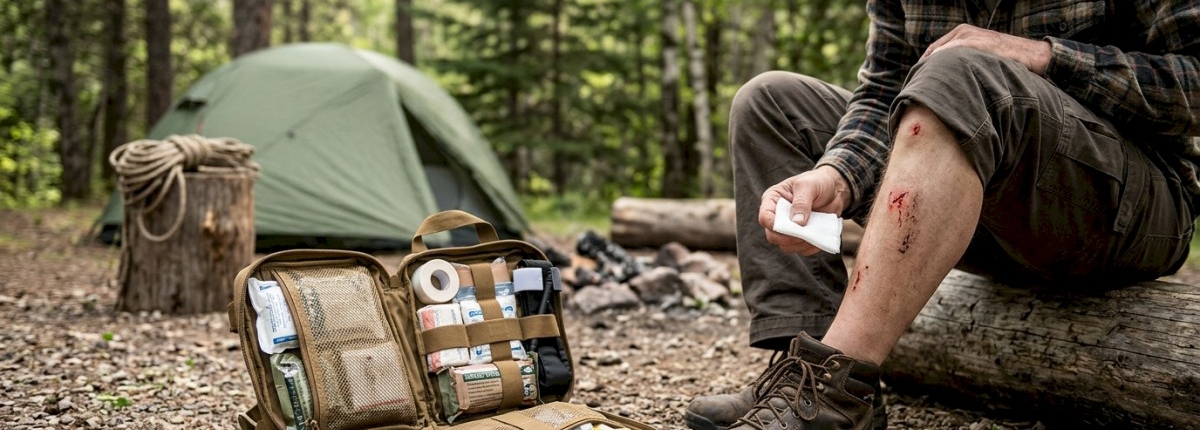
Imagine you’re on a steep ridge and a loose rock sends a fellow hiker tumbling down. They land hard, and a deep laceration opens on their thigh, bleeding profusely. With a well‑packed tactical first-aid bag clipped to your belt, you can swiftly apply a tourniquet, pack the wound with an Israeli bandage, and use a hemostatic gauze to stem the flow. The victim’s blood loss is minimized, buying precious time for evacuation.
Urban Medical Emergency
In a bustling city, a commuter collapses from an allergic reaction. An epinephrine auto‑injector tucked in the admin panel of your IFAK can be administered within seconds, potentially averting a fatal outcome. Meanwhile, a quick glance at your organized supplies lets you place an NPA to keep the airway open and cover the patient with an emergency blanket to prevent shock.
Disaster Relief
During a natural disaster, first responders often operate in chaotic, debris‑filled environments. A rugged, large‑capacity IFAK mounted on a tactical vest provides immediate access to chest seals for punctured lungs caused by falling debris, and a compact splint kit for fractured limbs. The modular MOL‑M webbing allows responders to attach radios or flashlights, turning the pouch into a multi‑tool hub.
Frequently Asked Questions About IFAK Pouches
Q: Do I need a separate case for my IFAK? A: Not necessarily. The pouch itself acts as protection, but some users add a small waterproof dry‑bag inside for extra moisture protection, especially in wet climates.
Q: Can I use a regular first‑aid kit instead of an IFAK? A: You can, but a regular kit is often bulkier, less durable, and not optimized for rapid access. An IFAK is specifically designed for emergencies where seconds count.
Q: How many IFAK pouches should I own? A: Many enthusiasts keep at least two: one for daily carry and another as a backup in a vehicle or home emergency stash.
Q: Is it legal to carry a tourniquet in public? A: In most jurisdictions, carrying a tourniquet is legal. However, check local laws if you’re unsure, especially if you plan to carry it in a concealed manner.
Final Thoughts: The IFAK Pouch as a Lifesaver
An IFAK pouch isn’t just another piece of gear; it’s a portable safety net that can turn a catastrophic injury into a survivable event. By selecting a durable, well‑organized pouch, packing it with the right medical supplies, and maintaining it regularly, you empower yourself—and possibly others—to act confidently in emergencies. Whether you’re hitting the trail, commuting downtown, or volunteering with a community response team, the right IFAK pouch can make the difference between life and death.
Remember, preparedness isn’t about being paranoid; it’s about being proactive. Invest in a quality IFAK pouch today, familiarize yourself with its layout, and practice using the contents. When the unexpected strikes, you’ll have the tools—and the peace of mind—to respond effectively.
Key Takeaways
- Choose a pouch made from high‑denier nylon with reinforced stitching and a reliable closure system.
- Pack core trauma items: tourniquet, Israeli bandage, hemostatic gauze, chest seal, NPA, and emergency blanket.
- Regularly audit, restock, and clean your IFAK to ensure readiness.
- Match the pouch size and attachment method to your activity level and carry preferences.
- Practice using the supplies so you can act quickly when an emergency occurs.