

The Amazing Benefits of Meal Prepping Each Week
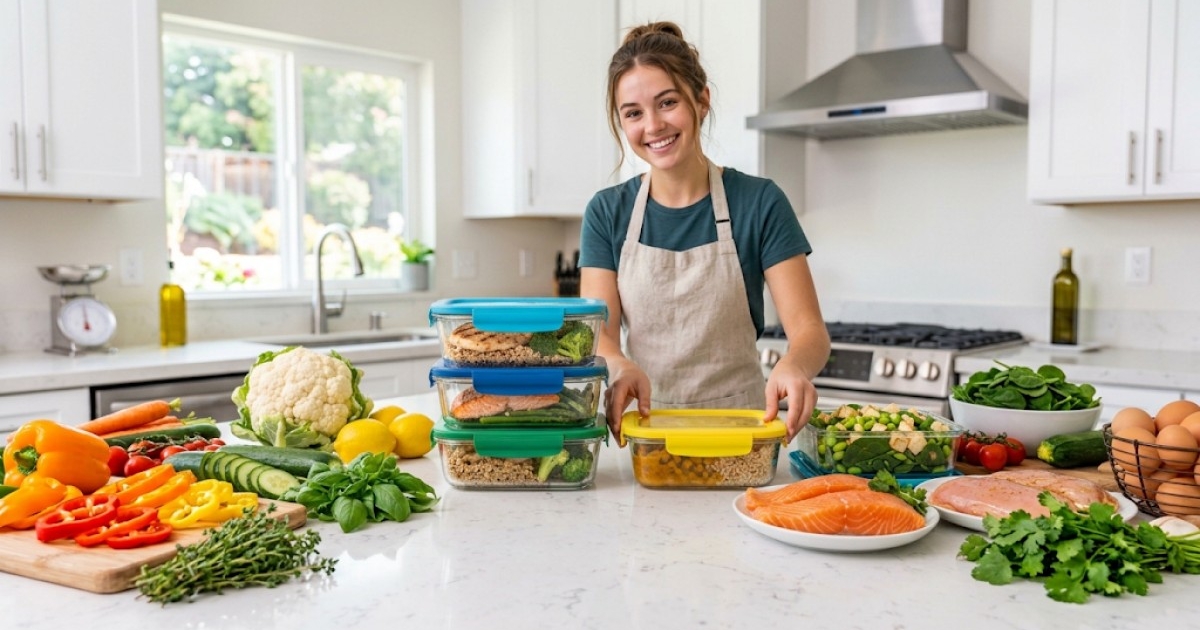
Imagine opening your fridge on a Tuesday night and seeing a colorful, perfectly portioned container waiting for you. No frantic googling for “quick dinner,” no last‑minute drive‑through run, just a nutritious meal that’s ready to eat. That’s the everyday reality for people who have embraced the amazing benefits of meal prepping each week. While the concept sounds simple, the ripple effects touch every corner of a busy life – from your wallet to your waistline, from your stress levels to your overall performance. In this guide we’ll dive deep into why a few hours of planning can translate into weeks of rewards, and we’ll give you a step‑by‑step blueprint to get started without feeling overwhelmed.
Save Hours Every Week and Slash Stress
The most obvious perk of weekly meal prep is the time you reclaim. Think about the average person who spends about 30 minutes deciding what to cook, another 30‑45 minutes actually cooking, and then cleaning up. Multiply that by five workdays and you’re looking at 3–4 hours of daily decision‑fatigue and execution. By batch‑cooking proteins, grains, and veggies on a Sunday afternoon, you compress that entire process into a single 2‑hour block. The result? Your weekday mornings start with a simple grab‑and‑go, and you never have to stare into an empty fridge wondering what to make.
But it’s not just about minutes on the clock. The mental bandwidth you free up is priceless. When you stop worrying about tonight’s dinner, you can focus on more important tasks – finishing a project, hitting a personal best at the gym, or simply relaxing with family. Studies show that decision fatigue can impair willpower, making us more likely to reach for sugary snacks or skip workouts. Meal prepping eliminates that hidden source of stress, allowing you to conserve mental energy for the things that truly matter.
Fuel Your Body With Consistent, High‑Quality Nutrition

For anyone who treats their body like a high‑performance machine – athletes, fitness enthusiasts, shift workers, or even busy parents – nutrition is the fuel that powers every move. When you prep meals ahead of time, you gain laser‑sharp control over macronutrients and micronutrients.
- Protein precision: Whether you’re aiming for 1.2 g per kilogram of body weight for muscle maintenance or a higher 2.0 g for strength gains, you can portion out chicken breast, tofu, lentils, or fish in exact amounts.
- Carb timing: Load up on complex carbs like quinoa or sweet potatoes for sustained energy, or keep a low‑carb option on hand for days when you want to stay lean.
- Healthy fats: Avocado, nuts, and olive oil can be pre‑measured so you never over‑ or under‑consume fats.
Having these nutrients ready means you’re far less likely to succumb to the office donut or the vending‑machine candy bar. Your blood sugar stays stable, your recovery improves, and you consistently hit your performance targets – whether that’s a 5 km run, a successful presentation, or a productive work shift.
Reach Your Health Goals Faster (Weight Management, Gut Health, and More)
One of the biggest reasons people turn to meal prep is weight management. By pre‑portioning every container, you eliminate the guesswork that often leads to overeating. A typical home‑cooked portion of salmon, roasted veggies, and brown rice is roughly 500‑600 calories, compared to a restaurant entrée that can easily top 1,200 calories. Over a week, those calorie savings add up to noticeable weight loss without feeling like you’re on a restrictive diet.
Beyond calories, meal prep encourages a more diverse, nutrient‑dense diet. When you plan ahead, you’re more likely to include a variety of colors on your plate – leafy greens, red peppers, orange carrots, and purple cabbage – each packed with antioxidants, fiber, and phytonutrients that support gut health, immune function, and long‑term disease prevention.
For those dealing with specific health conditions (e.g., diabetes, hypertension, or food intolerances), prepping meals lets you track sodium, sugar, and allergen exposure with surgical precision. You can swap out high‑sodium sauces for homemade herb blends, or replace dairy with lactose‑free alternatives, ensuring every bite aligns with your medical recommendations.
Cut Your Food Bill in Half (Or At Least Significantly)
Eating out is convenient, but it’s also a major budget leak. The average American spends around $3,000 a year on take‑out and restaurant meals. Meal prepping flips that script. By buying in bulk – think 5‑lb bags of rice, family‑size packs of frozen veggies, or a whole chicken – you reduce per‑serving costs dramatically.
A simple cost breakdown illustrates the savings:
| Item | Grocery (per week) | Take‑out (per week) |
|---|---|---|
| Chicken breast (1 lb) | $3.50 | $9 (single meal) |
| Brown rice (2 lb) | $2.00 | $3 (portion) |
| Mixed veggies (frozen, 2 lb) | $2.50 | $5 (stir‑fry) |
| Total | $8.00 | $17.00 |
That’s a $9 weekly saving, or $468 per year – money you can redirect toward a gym membership, a weekend getaway, or simply a healthier emergency fund.
Reduce Food Waste and Help the Planet
When you plan each meal, you buy exactly what you need. No more impulse trips that leave you with a bag of wilted lettuce or a half‑used jar of sauce. By portioning ingredients into reusable containers, you extend the shelf life of perishables and avoid the landfill‑bound leftovers that contribute to greenhouse‑gas emissions. In fact, the USDA estimates that 31 % of the food supply in the U.S. is wasted each year. Meal prepping is a practical, personal step toward reversing that statistic.
Build a Routine That Sticks – A Practical Step‑by‑Step Guide
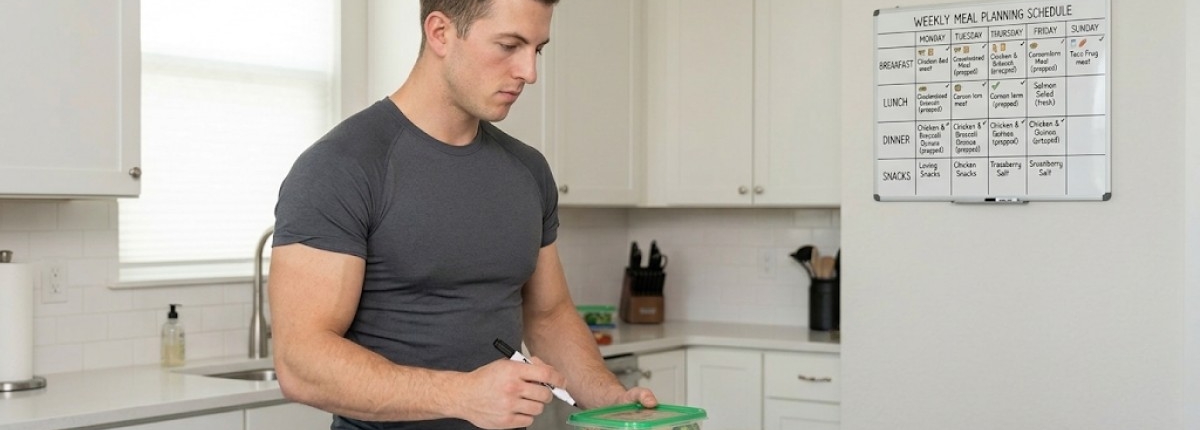
1. Choose Your Prep Day (Sunday is Popular, But Any Day Works)
Pick a day when you have at least 2‑3 free hours. Many people prefer Sunday because the weekend offers a natural pause, but the key is consistency. Mark it on your calendar like any other important appointment.
2. Draft a Simple Menu
Start small: two breakfast options, two lunch/dinner combos, and a couple of snack ideas. Aim for 5‑7 different dishes total, ensuring you have variety without overwhelming yourself.
3. Make a Master Shopping List
Write down every ingredient, grouped by supermarket aisle (produce, proteins, pantry, dairy). Stick to the list – it prevents impulse buys that erode both budget and health goals.
4. Invest in the Right Gear
- Airtight containers (glass or BPA‑free plastic) keep food fresh for 4‑5 days.
- Portion‑size dividers help you hit calorie targets.
- A sturdy, insulated bag (like a tactical backpack) makes transporting meals to work or the gym a breeze.
5. Batch‑Cook Strategically
- Proteins: Roast a whole chicken, grill a tray of tofu, or boil a pot of beans. Season each batch differently (e.g., lemon‑herb, teriyaki, smoky paprika) for variety.
- Carbs: Cook a big pot of quinoa, sweet potato wedges, and whole‑grain pasta.
- Veggies: Roast a sheet pan of mixed vegetables with olive oil and spices.
6. Assemble and Label
Divide everything into containers, label with the day of the week and meal type (e.g., “Mon‑Lunch”). This reduces the mental friction of hunting for the right box.
7. Store Properly
Place the containers intended for the first three days in the front of the fridge; the later‑week meals can go toward the back or in the freezer if you’re prepping for 8‑10 days.
8. Review and Adjust Weekly
At the end of each week, note what worked and what didn’t. Did you need more variety? Did a particular dish get left uneaten? Tweak the menu, portion sizes, or seasoning blends accordingly.
Overcoming Common Roadblocks
“I don’t have enough time.” – Start with just one meal (e.g., lunch) and gradually expand. Even a half‑hour of prep each week yields noticeable benefits.
“I get bored of the same meals.” – Use different sauces, spice mixes, or cooking methods. A roasted chicken can become a shredded taco filling with a few minutes of extra seasoning.
“I don’t have the right containers.” – Begin with a few affordable, reusable containers. Over time, you’ll see the ROI in saved money and reduced waste.
“I’m not a good cook.” – Choose simple, one‑pan recipes. You don’t need culinary school; just a reliable heat source and a good seasoning palette.
The Ripple Effect: How Meal Prepping Improves Other Areas of Life

When you consistently feed your body well, you’ll notice improved sleep quality, greater focus, and more stable mood – all of which translate into higher productivity at work and more energy for hobbies. Moreover, the habit of planning meals often spills over into other planning activities, such as budgeting, exercise scheduling, and even personal projects. You will discover exercise can improve mental health so the discipline you build in the kitchen can become a catalyst for broader life organization.
Real‑World Success Stories
- Emily, a 28‑year‑old graphic designer: After a month of prepping, she cut her lunch‑out budget from $150 to $45 and reported a 5‑lb weight loss while feeling more energized during client meetings.
- Mark, a 35‑year‑old firefighter: By portioning high‑protein meals, his recovery time after 24‑hour shifts dropped dramatically, allowing him to stay alert and perform physically demanding tasks with less fatigue.
- Sofia, a college student: Using a compact backpack, she carried three meals a day to campus, saving $200 per semester and achieving a 3.8 GPA while still fitting in a part‑time job.
These anecdotes illustrate that the benefits aren’t just theoretical – they’re tangible, measurable, and accessible to anyone willing to invest a few hours each week.
Pro Tip: Make Your Prep Fun and Sustainable
Turn prep day into a mini‑event. Play your favorite playlist, sip a glass of infused water, and involve family members. When everyone participates, the workload lightens, and the habit becomes a shared ritual rather than a solitary chore.
Bottom Line: The Amazing Benefits of Meal Prepping Each Week Are Within Reach
From time savings and stress reduction to better performance, healthier bodies, lower grocery bills, and a smaller environmental footprint, the advantages of weekly meal prep stack up like a winning deck of cards. The only thing standing between you and this transformation is the decision to start. Pick a Sunday, draft a simple menu, grab a few containers, and watch how a few hours of intentional planning can free up countless hours of living.
Ready to experience the shift? Begin with a single recipe, invest in a reliable prep bag, and let the benefits compound week after week.
If you’re looking for a rugged, functional bag to transport your prepped meals, consider the 14 liter shoulder backpack – designed for durability, organization, and comfort, perfect for the active lifestyle you’re cultivating.