

Say Goodbye to Back Pain: Tips to Wear Your Backpack Correctly
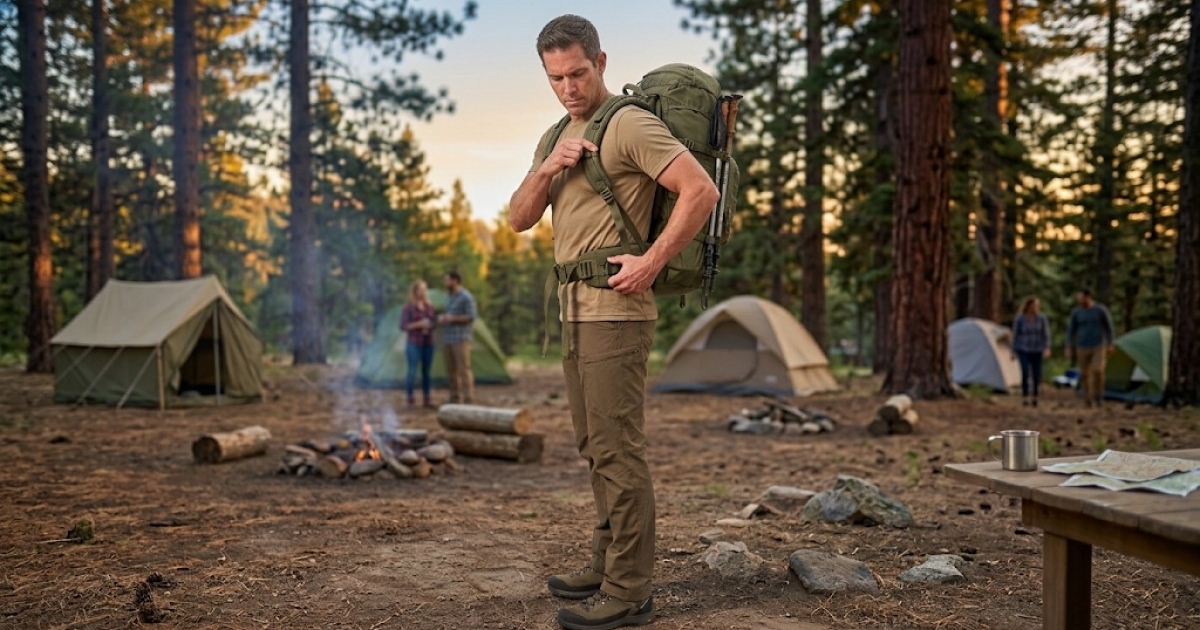
Carrying a backpack may seem like a simple, everyday task, but if you’re not mindful about how you load and wear it, you could be signing up for chronic back pain, slouching, and fatigue. The good news? With a few practical adjustments, you can turn that everyday accessory into a supportive ally rather than a hidden source of discomfort. Below you’ll find a step‑by‑step guide that covers everything from choosing the right pack to packing strategically, adjusting straps, and listening to your body’s signals. By the end, you’ll have a clear, actionable plan to protect your spine and stay comfortable all day long.
1. Why Backpack Choice Matters More Than You Think
When you think about buying a backpack, the first things that usually come to mind are style, capacity, and maybe price. While those factors matter, the most critical element is fit. A bag that’s too big, too small, or poorly structured forces your muscles to compensate, creating an uneven load that strains the shoulders, neck, and lower back.
1.1. Match the Pack to Your Torso Length
Your torso length—measured from the base of your neck to the top of your hip bone—determines where a backpack will sit on your back. Most modern backpacks come with an adjustable torso length setting. Aim for a fit where the bottom of the pack aligns roughly with the curve of your lower spine, not hanging low over your hips. If the pack hangs too low, your hips will start to bear weight they’re not meant to carry, leading to a forward‑leaning posture.
1.2. Look for Padded, Contoured Shoulder Straps
Padded shoulder straps are a must, but the padding alone isn’t enough. The straps should contour to your shoulders, spreading the load across a broader area rather than digging into the acromion (the bony tip of the shoulder). Look for straps with a “sling” shape or a built‑in ergonomic curve. Adjustable strap lengths let you bring the pack closer to your body, which reduces the lever arm and eases strain on the spine.
1.3. Internal Frame vs. Soft‑Shell Packs
If you regularly carry 15–20 lb (7–9 kg) or more, an internal frame backpack offers the most support. The frame—usually made of lightweight aluminum or composite material—creates a semi‑rigid structure that transfers weight from the shoulders to the hips. For lighter loads (under 10 lb/4.5 kg), a soft‑shell pack with a sturdy, padded back panel can be sufficient, provided it still offers good breathability and a snug fit.
2. The Art of Packing: Balance Is the Secret Sauce
Even the best‑fitted backpack will cause problems if you toss everything in haphazardly. How you distribute weight inside the pack determines whether the load feels light or heavy.
2.1. Keep Heavy Items Close to Your Spine
Start by placing the heaviest items—think laptops, books, or a water bottle—directly against your back, centered between the shoulder blades. This positioning keeps the center of gravity high and close to your natural spinal line, preventing the pack from pulling you backward. A low or rearward center of gravity forces you to lean forward, increasing lumbar strain.
2.2. Distribute Light Items Around the Core
After the heavy core, fill the surrounding space with medium‑weight items such as a change of clothes or a lunch box, and then place the lightest items (e.g., pens, chargers) on the outermost pockets. This layered approach creates a balanced load that doesn’t shift when you move.
2.3. Use Compartments Wisely
Most backpacks have multiple compartments—front, side, and internal sleeves. Use these to segregate categories of items, which not only helps organization but also spreads weight evenly. For example, a front zip pocket for a small notebook and a side pocket for a water bottle can counterbalance the weight of a laptop in the main compartment.
2.4. Compress and Secure
Loose items are the enemy of balance. Use compression straps inside the pack to press everything tight against the back panel. External straps can also be used to cinch the load, preventing it from swinging while you walk or bike.
3. Adjusting Your Backpack for Maximum Comfort
Once you’ve chosen the right pack and packed it intelligently, the next step is to dial in the fit. Small adjustments can make a world of difference.
3.1. Shoulder Straps: Tighten, Don’t Squeeze
Put the backpack on using both shoulder straps; never slouch it over one shoulder. Pull the straps down so the pack sits snugly against your back, but avoid over‑tightening—your shoulders should feel supported, not constricted. The straps should form a gentle “V” shape that directs weight down toward your hips.
3.2. The Chest (Sternum) Strap
Most modern packs include a chest strap that clips across the front of your chest. This strap locks the shoulder straps in place, preventing them from sliding outward during movement. Adjust it so it’s comfortably snug—tight enough to keep the straps from moving, but loose enough to allow full breathing.
3.3. The Waist (Hip) Belt: Let Your Hips Do the Heavy Lifting
If your pack has a waist belt, use it. The belt should sit low on your hips, just above the pelvis. Tighten it until the pack’s weight transfers from your shoulders to your hips. You’ll feel a noticeable reduction in shoulder pressure and a more upright posture. For loads under 10 lb, a waist belt is optional, but for anything heavier, it’s essential.
3.4. Load‑Lifter Straps (If Available)
Some hiking‑style backpacks include load‑lifter straps at the top of the shoulder straps. These tiny straps pull the top of the pack closer to your shoulders, raising the center of gravity and preventing the pack from pulling you forward. Adjust them so the top of the pack aligns with the top of your shoulders.
4. Recognizing the Warning Signs
Your body is an excellent diagnostic tool. Ignoring early signals can lead to chronic issues.
- Neck or shoulder pain after a day of wear often signals that the straps are too tight or the weight is uneven.
- Lower‑back ache that eases when you set the pack down suggests the load is too far back or too heavy.
- Numbness or tingling in the arms indicates pressure on nerves, usually from overly tight straps or a backpack that’s too heavy.
- Frequent leaning forward while walking is a sign the pack’s center of gravity is too low or rear‑biased.
If you notice any of these symptoms, stop, remove the pack, and reassess the load distribution and strap adjustments.
5. Everyday Habits to Keep Back Pain at Bay
Even with perfect technique, habits matter. Here are some daily practices to reinforce a pain‑free carry.
5.1. Lighten the Load When Possible
Ask yourself whether every item truly needs to be in the pack. A reusable coffee mug, a compact umbrella, or a lightweight notebook can shave a few ounces each, adding up over weeks.
5.2. Regularly Check Strap Condition
Straps lose padding over time. If you feel a new pinch or the padding feels flat, replace the strap or add a shoulder pad sleeve. Worn straps can create pressure points that exacerbate pain.
5.3. Stretch and Strengthen Your Core
A strong core acts as a natural brace for any load. Incorporate simple exercises—planks, bird‑dogs, and glute bridges—into your routine 2–3 times a week. A resilient core reduces the strain on the lumbar spine when you’re carrying weight.
5.4. Periodic Re‑Fit Checks
Your body changes—muscle gain, weight loss, or even a new workout routine can affect how a backpack sits. Make it a habit to re‑adjust your straps each morning before you head out.
6. Quick Checklist for Pain‑Free Backpack Use
- Select a pack that matches your torso length and offers padded, contoured straps.
- Pack heavy items closest to your spine, balanced with lighter items around them.
- Use both shoulder straps, tighten them so the pack sits snugly, but not painfully tight.
- Engage the chest strap for stability.
- Fasten the waist belt for loads over 10 lb, transferring weight to hips.
- Adjust load‑lifter straps (if present) to keep the pack level.
- Check for pain or numbness daily; adjust immediately if symptoms appear.
- Maintain your gear—replace worn straps and clean the pack regularly.
Following this checklist takes less than a minute each morning but can save you hours of discomfort later.
7. Final Thoughts: Your Backpack as a Wellness Tool
A backpack is more than a container; it’s an extension of your body. By choosing the right pack, packing intelligently, and fine‑tuning the straps, you give your spine the support it deserves. The result? Less pain, better posture, and more energy for the activities you love. Whether you’re commuting, hitting the gym, or strolling through campus, these simple habits will keep you moving comfortably and confidently.
So next time you zip up that backpack, remember: adjust, balance, and listen. Your back will thank you.
Ready to upgrade your carry? Look for a backpack with an internal frame, padded straps, and adjustable sternum and waist belts—features that make the difference between a pain‑inducing load and a supportive companion.