

Why a Strobe Flashlight Is the Best Self‑Defense Tool
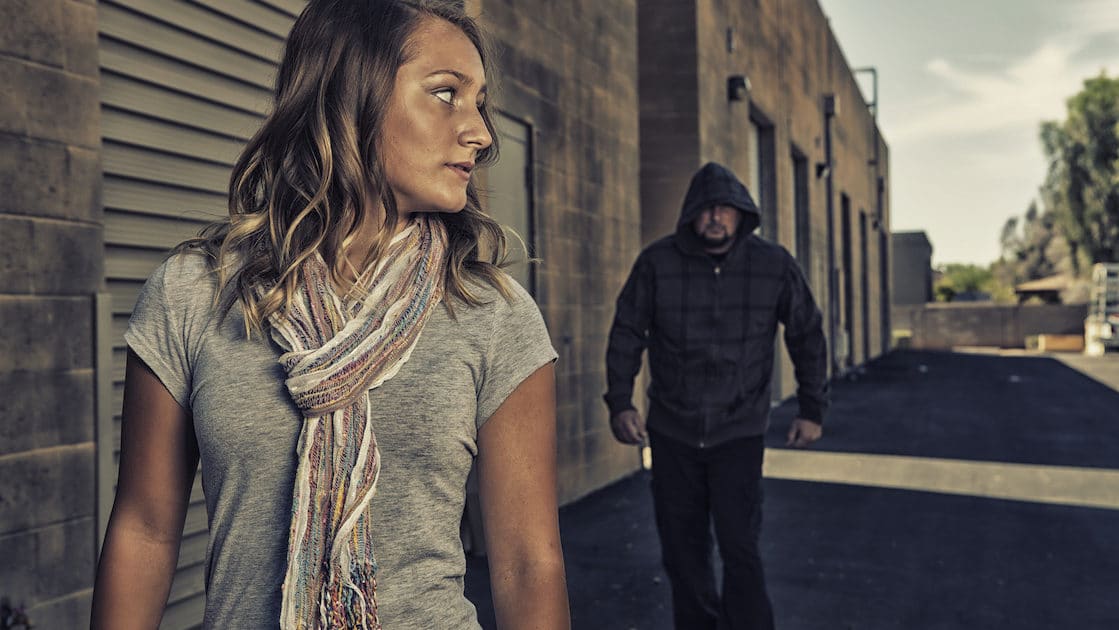
When it comes to personal safety, most people think of pepper spray, a sturdy baton, or even a firearm. Yet an often‑overlooked tool sits quietly in many of our drawers: the strobe flashlight. Unlike a regular flashlight that simply brightens a dark space, a strobe flashlight emits rapid, high‑intensity pulses of light that can disorient, temporarily blind, and even induce nausea in an attacker. In plain language, it turns a simple beam of light into a non‑lethal weapon that’s legal to carry, easy to use, and incredibly versatile. This article explains why a tactical strobe flashlight is best for self‑defense, walks through the science behind its effectiveness, and offers practical advice on selecting and using the right model.
How a Strobe Works: The Science of Disorientation
A strobe flashlight isn’t just a bright LED; it’s engineered to flash at frequencies that interfere with the human visual system. The human eye processes light in a series of rapid snapshots called persistence of vision. When a light flashes at around 10–20 hertz (flashes per second), the brain struggles to create a coherent image, resulting in a flickering effect that can cause temporary visual impairment. Most commercial strobe flashlights operate between 10 Hz and 30 Hz, a sweet spot that maximizes disorientation without causing permanent damage.
Beyond visual disruption, the rapid on‑off cycle can affect the vestibular system—the part of the inner ear that helps us maintain balance. The brain receives conflicting sensory signals, which can lead to dizziness or a loss of spatial orientation. For a potential attacker, that moment of confusion can be enough to break an assault and give the victim a chance to escape.
Legal Landscape: Carrying a Strobe Flashlight
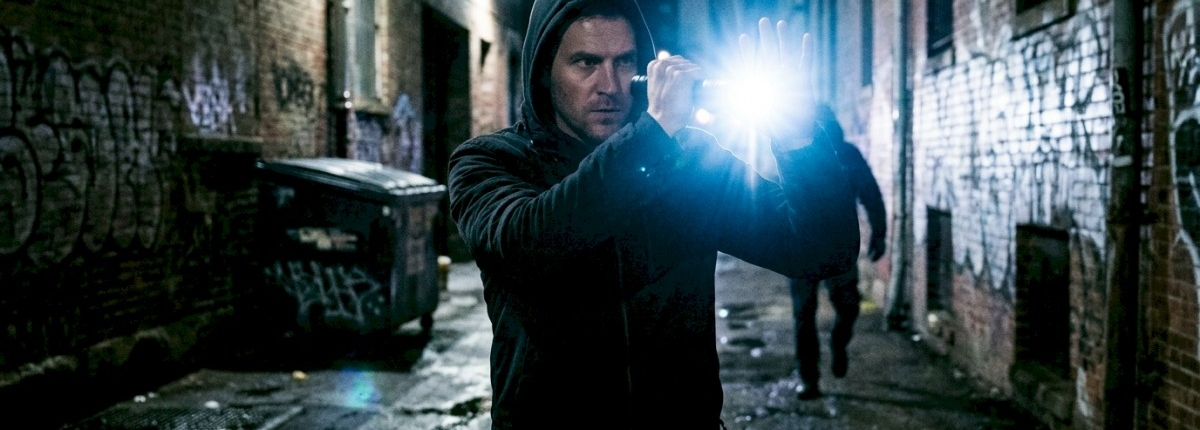
One of the biggest advantages of a strobe flashlight over many traditional weapons is its legal friendliness. In most U.S. states, a flashlight—strobe or otherwise—is considered a personal item, not a weapon. This means you can generally carry it in a pocket, bag, or even on a belt without a permit. However, there are a few nuances to keep in mind:
- Restricted venues: Some stadiums, schools, or government buildings ban any device that can be used as a weapon, including high‑output flashlights. Always check venue policies.
- State‑specific statutes: A handful of states have statutes that define “dangerous weapons” based on light intensity (measured in lumens). Staying under 1,000 lumens typically avoids classification as a weapon.
- Intent matters: Carrying a strobe flashlight with the intent to use it as a weapon could be interpreted differently in a legal setting. Treat it as a self‑defense tool, not a weapon, and be prepared to explain its primary function as illumination.
Choosing the Right Strobe Flashlight
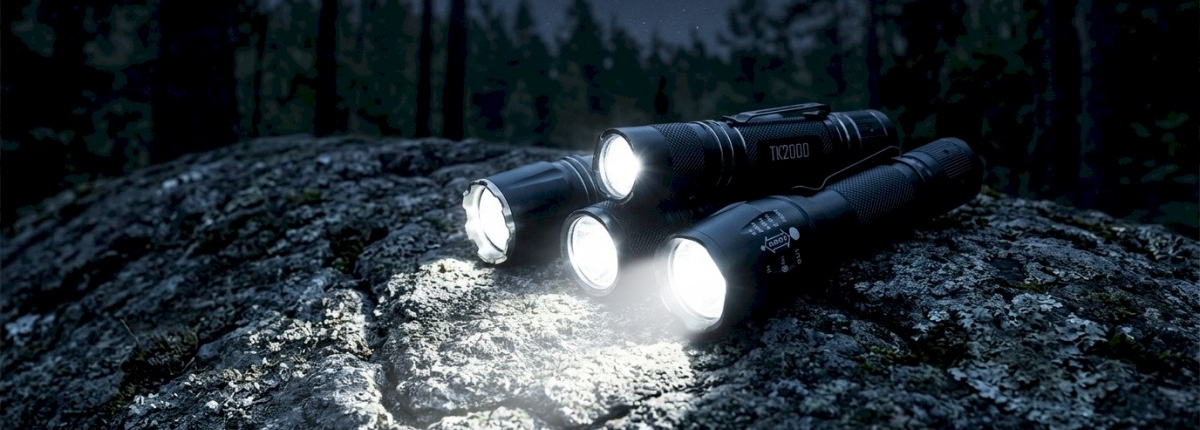
Not all flashlights are created equal. If you’re buying one specifically for self‑defense, focus on four core criteria:
- Lumen Output – A strobe that can produce at least 500 lumens ensures a bright, effective flash. Higher lumen models (up to 1,200) can double the impact, but they often drain batteries faster.
- Strobe Frequency Settings – Look for models offering multiple strobe speeds (e.g., 10 Hz, 15 Hz, 20 Hz). Adjustable frequencies let you tailor the effect to the situation and conserve battery life when a slower pulse is sufficient.
- Power Source – Rechargeable lithium‑ion batteries provide consistent performance, but consider a model with a removable battery compartment for quick swapping in emergencies.
- Durability – A self‑defense tool should survive drops, impacts, and weather. Seek an IPX7‑rated (water‑resistant) and aircraft‑grade aluminum body.
Top Picks in 2026
- Streamlight ProTac HL‑X – 1,000 lumens, multiple strobe modes, and a rugged 30‑minute runtime on high.
- Fenix TK35 – Compact, 1,200 lumens, five strobe speeds, and a rechargeable USB‑C battery.
- EcoGear FX TK2000 – Budget‑friendly, 2,000 lumens, simple three‑position switch for steady, flash, and strobe.
Each of these models balances power, ergonomics, and price, making them solid choices for everyday carry.
Tactical Advantages Over Traditional Tools
1. Dual‑Purpose Functionality
A strobe flashlight offers illumination and a defensive effect. In a dark alley, you can instantly light the area to assess threats, then switch to strobe mode to disorient an aggressor. This dual functionality means you’re not carrying an extra device that could be forgotten or left at home.
2. Non‑Lethal Yet Highly Effective
While pepper spray can cause severe irritation, it also carries the risk of blowing back onto the user in windy conditions. A strobe flashlight works regardless of wind, rain, or temperature, and it leaves no chemical residue on the attacker—important if you later need to provide a clear description to law enforcement.
3. Low Learning Curve
Using a strobe flashlight is intuitive: a single button press toggles between steady, flash, and strobe modes. No need for complex safety switches, loading chambers, or practice drills. This simplicity translates to confidence, especially in high‑stress moments.
Practical Self‑Defense Scenarios
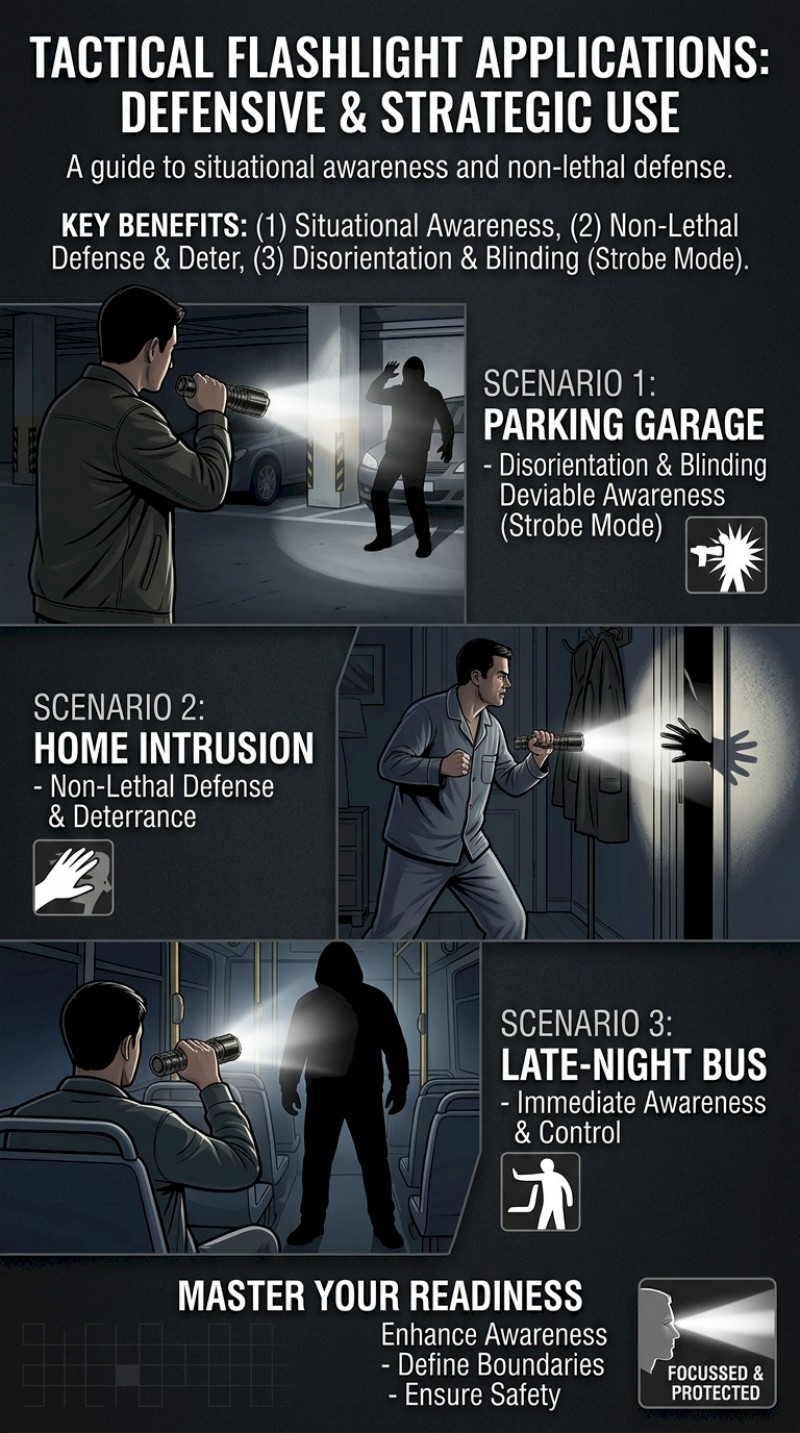
Scenario 1: The Dark Parking Garage
You’re walking to your car at night. A figure steps out of the shadows, seemingly intent on confronting you. You raise your strobe flashlight, aim it at the person’s eyes, and activate the 15 Hz strobe. Within seconds, the attacker’s vision blurs, they stumble, and you can either retreat to your vehicle or call for help.
Scenario 2: Home Intrusion
A burglar forces a back window. You hear the glass shatter and grab your flashlight from the bedside table. In the dim hallway, you switch to strobe mode and point it directly at the intruder’s face. The sudden burst of flashing light not only disorients them but also alerts neighbors who notice the flashing beam.
Scenario 3: Public Transportation
On a late‑night bus, an aggressive passenger leans too close. You calmly hold up your flashlight, flash the strobe twice, and the rider recoils, giving you the space to move to a different seat or request assistance from the driver.
Training Tips: Making the Most of Your Strobe
- Practice Targeting – In a safe environment, practice aiming at a mannequin or a reflective surface to understand the effective range (usually 10–15 feet for maximum disorientation).
- Familiarize With Switches – Some models have a separate button for strobe versus flash. Muscle memory ensures you can toggle quickly under stress.
- Integrate with Escape Plans – A strobe is a tool, not a complete defense system. Pair it with situational awareness and a pre‑planned exit route.
- Battery Management – Keep a spare battery or a portable charger in your bag. Test the flashlight weekly to confirm full charge.
Maintenance: Keeping Your Strobe Ready
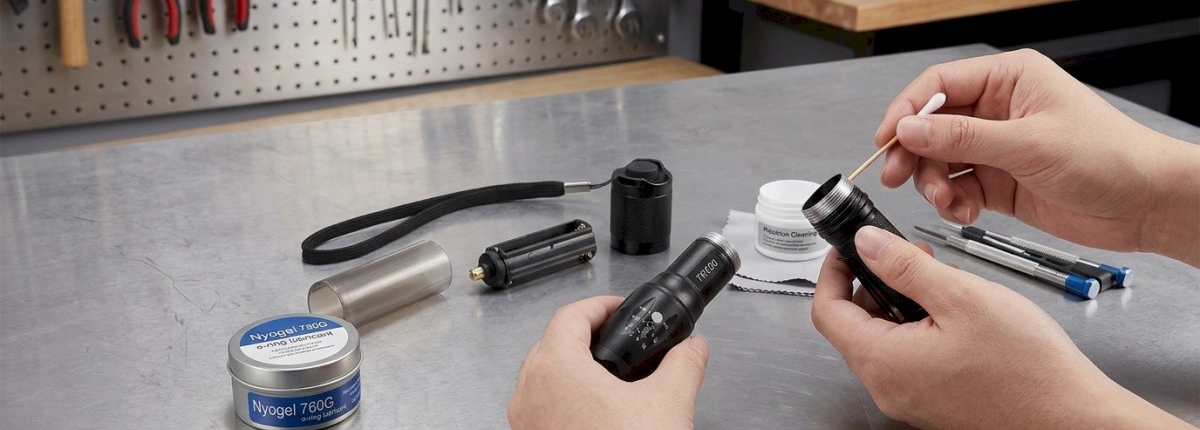
A self‑defense device loses credibility if it fails when needed. Follow these simple maintenance steps:
- Clean the Lens – Wipe the front with a microfiber cloth to remove dust that could scatter light and reduce effectiveness.
- Check the O‑Ring – If your model is water‑resistant, ensure the O‑ring sealing the battery compartment is intact.
- Store Properly – Avoid extreme temperatures; lithium‑ion batteries degrade quickly in excessive heat or cold.
- Inspect for Damage – After any drop, inspect the body and switches for cracks. A compromised housing can let water in or affect the strobe circuit.
Myths Debunked
- Myth: Strobe flashlights are only for police – While law enforcement uses high‑output tactical lights, civilian‑grade models are fully capable of providing the same disorienting effect.
- Myth: They can cause permanent eye damage – Properly designed strobe flashlights emit light levels well below the threshold for retinal injury. The effect is temporary and fades within seconds after the light is removed.
- Myth: You need to be an expert to use them – As highlighted earlier, operation is as simple as pressing a button. No specialized training is required, though practice improves effectiveness.
Comparing Strobe Flashlights to Other Self‑Defense Tools
| Feature | Strobe Flashlight | Pepper Spray | Personal Alarm |
|---|---|---|---|
| Legal Restrictions | Generally legal nationwide | Varies by state, age limits | Almost always legal |
| Effectiveness Range | 10‑15 ft (visual) | 6‑10 ft (chemical) | 30‑50 ft (auditory) |
| Risk of Backfire | None (light only) | Possible blowback in wind | None |
| Reusability | Unlimited (battery dependent) | Single‑use (or limited refills) | Unlimited (battery) |
| Stealth | Can be concealed, but light may reveal location | Concealed, no light | Audible alert only |
The table shows that while each tool has its niche, the strobe flashlight offers a unique blend of visual deterrence, legality, and reusability that makes it a top contender for everyday self‑defense.
Integrating a Strobe Flashlight Into Your Everyday Carry (EDC)
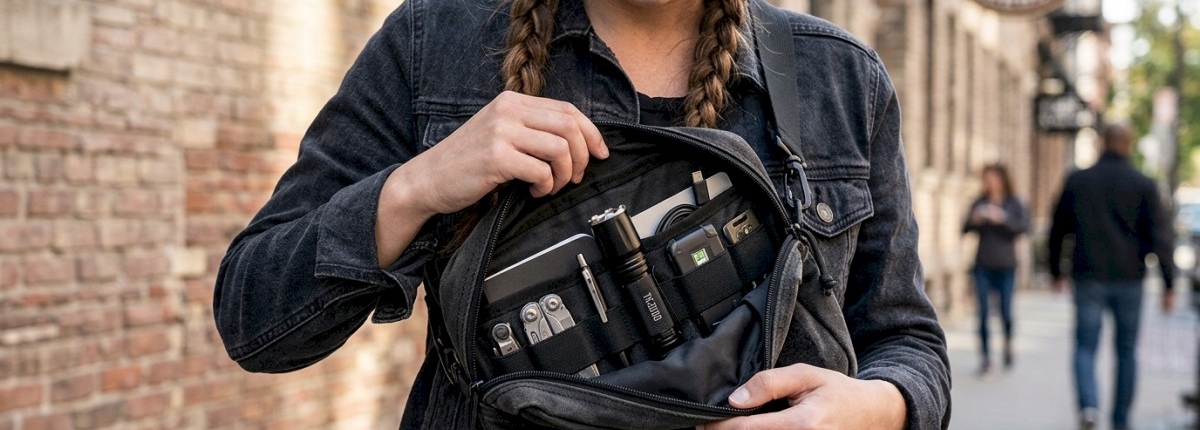
For maximum benefit, use your best EDC strobe flashlight as a core component of your EDC kit. Here’s how to integrate it seamlessly:
- Placement – Clip it to a belt loop, keep it in a zippered pocket of your backpack, or use a dedicated sheath that allows quick draw.
- Pairing – Combine with a compact multi‑tool or a tactical pen for added versatility.
- Visibility – Some users prefer a matte black finish to avoid drawing unwanted attention, while others choose a bright color for rapid identification.
- Routine Checks – Include the flashlight in your monthly EDC audit alongside your wallet, keys, and phone.
Real‑World Testimonials
“I was walking home from the gym when a man tried to grab my bag. I turned on the strobe, and he stopped in his tracks, blinking wildly. I ran to a nearby store and called the police. The flashlight saved me that night.” – Maria L., Chicago
“During a power outage at a concert, I used my strobe flashlight to signal security while also keeping a potential thief at bay. It’s a small device with a huge impact.” – James K., Austin
These anecdotes underscore the practical, life‑saving potential of a well‑chosen strobe flashlight.
Final Thoughts: Light As Your Shield
In the realm of personal safety, simplicity often trumps complexity. A strobe flashlight delivers a powerful, non‑lethal defensive advantage that is easy to carry, legally permissible, and effective across a range of scenarios. By understanding the science behind its disorienting effect, selecting a reliable model, and practicing regular use, you turn an everyday lighting tool into a robust shield against danger. Remember, the best defense is awareness—pair your strobe flashlight with vigilant observation, and you’ll be far better prepared to protect yourself and your loved ones.
Key Takeaways
- Strobe flashlights emit rapid pulses that temporarily blind and disorient attackers, creating a critical window for escape.
- They are legal to carry in most jurisdictions, require minimal training, and combine illumination with a defensive function.
- Choose a model with at least 500 lumens, multiple strobe frequencies, durable construction, and a reliable power source.
- Regular practice, battery maintenance, and proper storage ensure your flashlight works when you need it most.
- When integrated into an EDC kit, a strobe flashlight becomes an indispensable, reusable self‑defense tool.