

Get The Best LED Flashlight for Camping – Essential Buying Guide
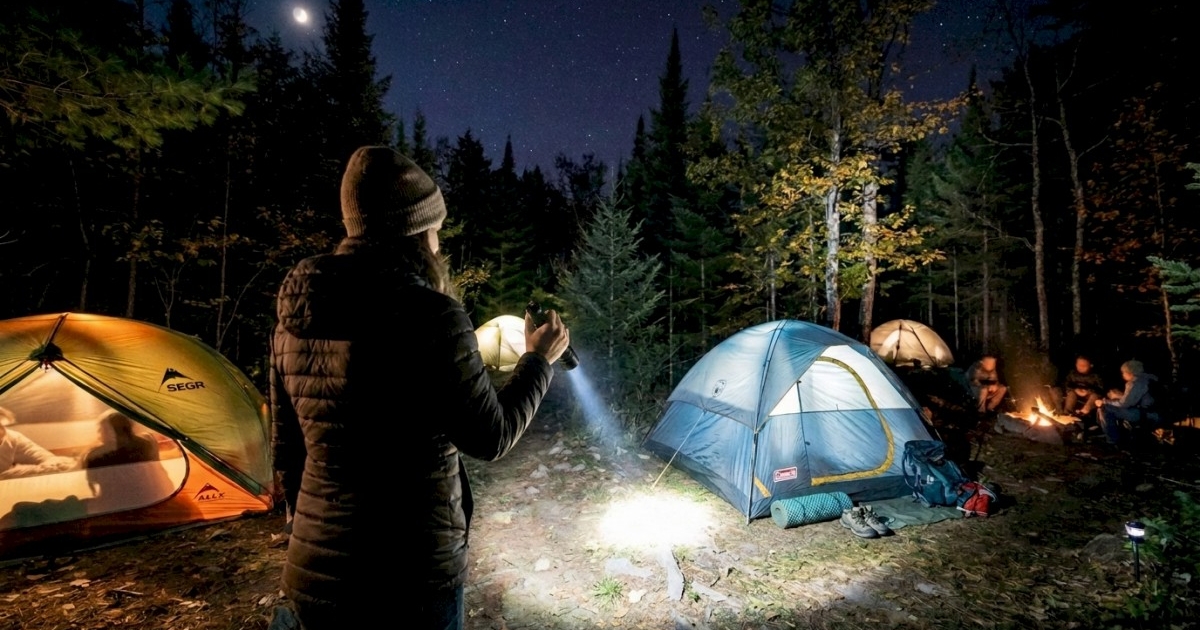
When we camp we like to leave our worries behind and let ourselves get lost in nature. That’s why you need to bring the best LED flashlight for camping. That does not mean we want to feel insecure, or unsafe. Nature is a relatively safe place, except for the wild predators we might encounter, raccoons eating our supplies and strangers wandering around the woods.
Why a Good Flashlight Matters on the Trail
When the sun dips below the treetops, a reliable flashlight becomes more than a convenience—it’s a safety tool. Whether you’re setting up camp after dark, navigating a moonless trail, or signaling for help, the right beam can make the difference between a smooth night and a stressful scramble. Campers often underestimate the variety of features that separate a basic work light from a purpose‑built outdoor flashlight. In this guide we’ll break down the most important specs, explain how they affect real‑world performance, and help you match a light to your specific camping style.
Camping Equipment List
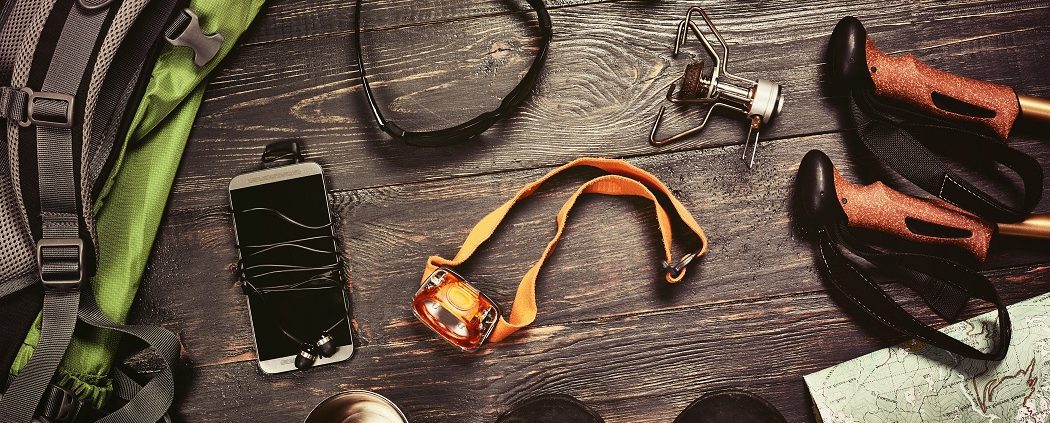
A waterproof tent is a must-have for campers these days. It also makes sense to bring a poncho, extra pairs of socks, a canteen, lighter, plenty of food and of course the a reliable flashlight for your camping trip. Selecting a good LED flashlight will provide plenty of much needed light to illuminate your surroundings while using the least amount of energy to do so. It will likely not be a heavy device because LED lights require a minimum of energy, so batteries can be smaller. Many LED flashlights work just as well with rechargeable batteries, so a portable solar power system will work to keep your LED flashlight working strong every night you are out in the wild.
Stay Safe And Dry On The Camp Site
 Getting wet and cold while out camping is no fun. Unfortunately, it does happen. The best LED flashlight for camping should offer water resistance to endure wet, cold and heat just as well. Many LED flashlights have aluminum bodies, also lighter than standard flashlights, and more rugged. They can take the wet and cold, and a few hard knocks if you are really roughing it. A normal flashlight will likely fail just when you need it the most. (We see that happen in the movies all the time.) So when you need a reliable flashlight for a camping trip (and when don’t you?) then you better bring the right gear for your adventure.
Normal flashlights just can’t take the place of a well designed flashlight designed for camping. They are made to take everything the modern camper can throw at it, and still outshine a typical flashlight. LED technology delivers brighter and stronger light using less energy, especially when the light is powered by a 21700 rechargeable battery.
Understanding Lumens and Beam Distance
 Lumens measure the total amount of visible light a source emits. For camping, you don’t necessarily need the brightest flashlight on the market; instead, you want the right amount of light for the tasks you’ll perform. A 50‑lumens LED is plenty for reading a map inside a tent, while 200–300 lumens are ideal for clearing a campsite or finding gear in the dark. If you plan on hiking off‑trail at night, consider a flashlight that can throw at least 200 meters, which typically means 400–600 lumens.
Beam distance (or throw) is the distance the light can reach while still maintaining usable intensity. This is governed by the flashlight’s optics and reflector design. A narrow, focused beam will illuminate far ahead—great for spotting wildlife or landmarks—but may leave your immediate surroundings in shadow. Conversely, a wide flood beam spreads light over a larger area, perfect for campsite tasks like cooking or setting up a tarp. Many modern lights offer a switchable focus that lets you toggle between flood and spot modes, giving you the best of both worlds without carrying two separate lights.
Battery Type: Rechargeable vs. Disposable
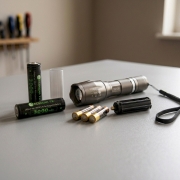 Choosing the right power source hinges on how long you’ll be away and what charging options you have. Rechargeable lithium‑ion (Li‑ion) or lithium‑polymer (Li‑Po) batteries are popular for their high energy density and low self‑discharge. A single charge can power a 300‑lumens light for 10–15 hours on low mode, and many models include a USB‑C port for field charging via power banks or solar chargers.
Disposable batteries (AA, AAA, or CR123) shine when you’re on a multi‑day backcountry trip with no reliable charging method. High‑capacity AA alkaline cells can deliver several hundred hours at low output, and lithium AA cells (non‑rechargeable) perform well in cold temperatures—a common challenge for camping lights. Some flashlights accept both rechargeable and disposable cells, offering flexibility: you can start with disposables for the first night and switch to recharges later.
When weighing options, consider runtime (how long the light stays on at a given brightness), cold‑weather performance, and availability of spare cells along your route.
Water Resistance and Durability
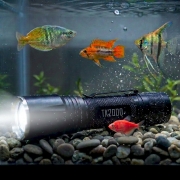 Outdoors means exposure to rain, dew, snow, and accidental splashes. Look for a flashlight with an IPX rating of at least IPX6 (protected against powerful jets of water) or IPX7 (can survive immersion up to 1 meter for 30 minutes). For extreme conditions, an IPX8 rating guarantees deeper immersion.
Durability isn’t just about water. The best LED flashlight for camping offers a sturdy housing—often made from aircraft‑grade aluminum or reinforced polymer—protects against drops and impacts. MIL‑STD‑810G certification is a common benchmark indicating the light has passed military‑grade shock and vibration tests. Some models also feature a scratch‑resistant lens and a sealed tailcap that prevents dust from entering the circuitry, which is crucial when hiking through sandy deserts or dusty forests.
Size, Weight, and Mounting Options
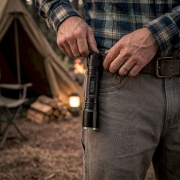 Backpacking demands lightweight gear. Flashlights designed for camping typically weigh between 2 and 5 ounces (56–140 g). Compact models can fit in a pocket or attach to a carabiner, while larger lantern‑style lights provide more coverage but add bulk.
A hands‑free mounting system is a game‑changer. Look for built-in integrated clips, magnetic bases, or stainless‑steel loops that let you strap the light to a backpack, tent pole, or helmet. Some lights also include a built‑in USB cable that can double as a charging tether while clipped to your pack.
Ergonomics matter too. A textured grip prevents slipping when you’re wearing gloves, and a tactile tail switch or side button lets you toggle modes without looking—a vital feature when you’re fumbling in the dark.
Light Modes and Smart Features
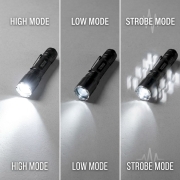 Most LED camping flashlights offer multiple brightness levels to conserve battery life. Typical configurations include a low (10–30 lumens) for reading, a medium (100–200 lumens) for campsite tasks, and a high (300–600 lumens) for navigation. Strobe and SOS modes can be lifesavers for signaling to rescuers or fellow hikers.
Advanced models incorporate smart features such as:
- Battery level indicator (LED bar or digital readout) so you never run out unexpectedly.
- Programmable memory that remembers the last used mode after power cycles.
- Motion‑activated or ambient light sensors that automatically adjust brightness based on surroundings.
- Bluetooth connectivity for remote control via a smartphone app, allowing you to change settings without touching the light.
While these extras add convenience, they also consume a bit more power, so weigh the benefits against potential battery drain.
Beam Shape and Optics
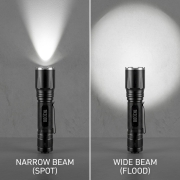 The shape of the beam influences how you use the light. Spot beams concentrate photons into a tight cone, delivering maximum distance—ideal for trail scouting or wildlife observation. Flood beams disperse light over a wide area, reducing shadows and providing even illumination for tasks like cooking or reading.
Many modern flashlights use Total Internal Reflection (TIR) optics or aspheric lenses to achieve a smooth transition between flood and spot. Some high‑end models even incorporate dual‑optic systems with separate lenses for each mode, ensuring optimal performance without sacrificing brightness.
Price vs. Performance
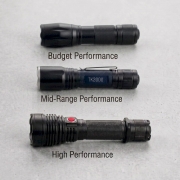 A few of the best LED flashlight for camping range from under $20 for basic models to $200+ for premium, feature‑rich units. In general, you get what you pay for in terms of build quality, battery efficiency, and durability. A mid‑range light (around $40‑$80) typically offers a solid balance: decent lumens, waterproof housing, and a rechargeable battery.
When budgeting, think about the total cost of ownership. A cheap light that uses disposable batteries may end up costing more over time than a slightly pricier rechargeable model. Also, factor in accessories—extra battery packs, a travel charger, or a protective case—that can extend the utility of your flashlight.
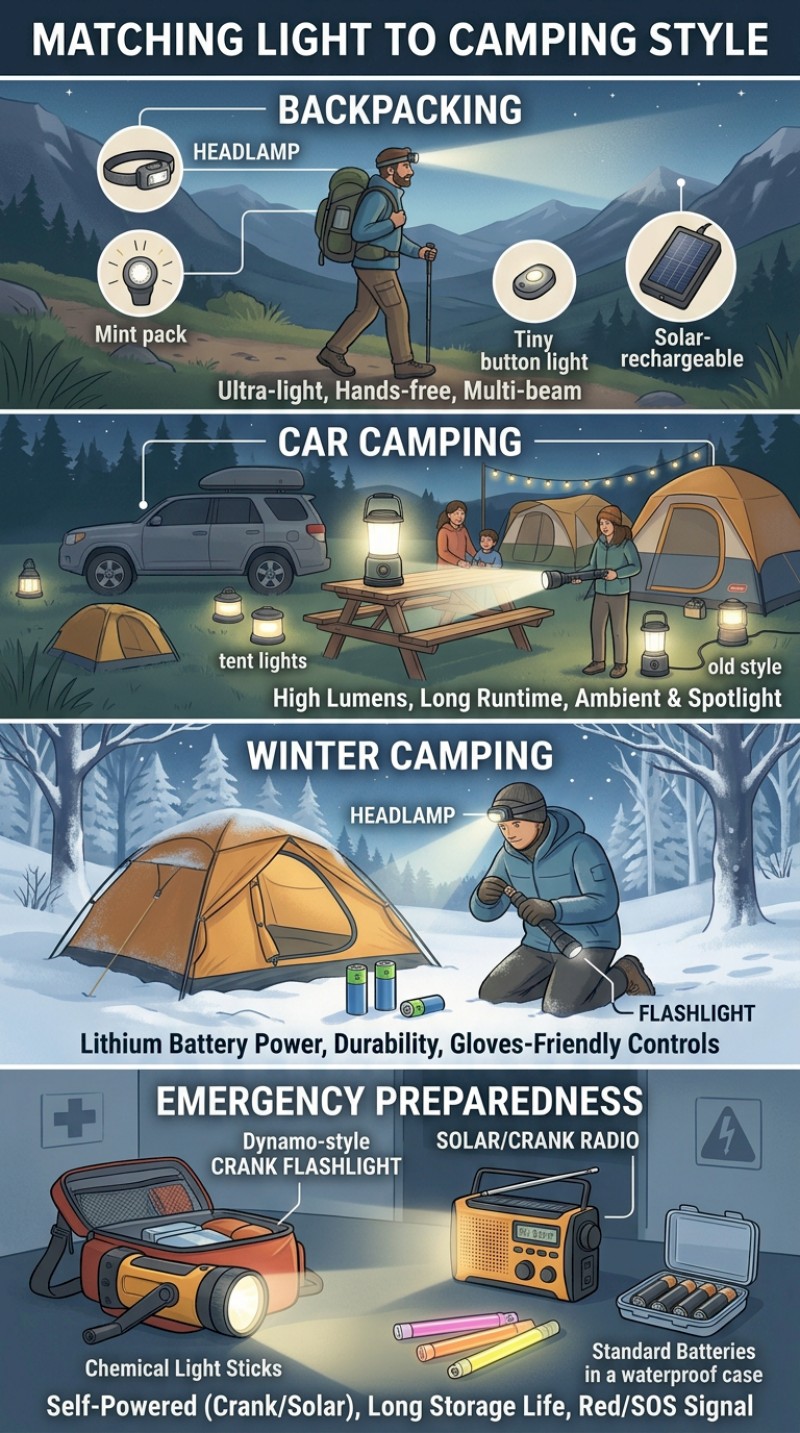
Backpacking and Solo Trips
For lightweight backpacking, prioritize compact size, low weight, and long battery life on low to medium modes. These smaller flashlight fit perfectly in a tactical fanny pack or shoulder bag. A flashlight with 300‑lumens, 2‑hour high‑mode flashlight with a rechargeable battery and an IPX7 rating will handle campsite setup and night navigation without adding significant weight.
Car Camping and Family Outings
When you’re parked at a campsite, size is less critical. A dual‑light system—a handheld flashlight plus a small, battery‑operated lantern—provides both focused and ambient lighting. Look for a lantern with a 360° flood pattern and a dimmable output to create a cozy camp ambiance while still offering a bright spot mode for late‑night hikes.
Winter and Cold‑Weather Expeditions
Cold temperatures sap battery capacity. Choose a flashlight that maintains performance at sub‑zero temperatures—many lithium‑ion cells lose up to 30 % capacity in the cold. Models with thermal‑resistant housings and the ability to run on AA lithium cells are reliable choices. Keep spare batteries insulated in an inner pocket to preserve charge especially if your next adventure includes an awesome winter hike in frigged temps.
Emergency Preparedness
An emergency flashlight should have sturdy construction, long runtime on low mode, and reliable signaling features. A built‑in SOS strobe and a red light for preserving night vision are essential. A hand‑crank or solar‑rechargeable unit adds redundancy when conventional power sources fail.
Maintenance Tips to Extend Lifespan
 Clean the lens regularly with a soft cloth; debris can scatter light and reduce efficiency.
- Store the flashlight dry and avoid prolonged exposure to extreme heat, which can degrade battery cells.
- Check the O‑rings on the tail cap and lens for wear; replace them if you notice moisture ingress.
- Charge Li‑ion batteries before they drop below 20 % to prevent deep‑discharge damage.
- Rotate batteries on long trips; using a fresh set every few nights ensures consistent brightness.
 Clean the lens regularly with a soft cloth; debris can scatter light and reduce efficiency.
Your Checklist When Buying a Camping Flashlight
- Lumens & Beam Distance: 200‑400 lumens and at least 150‑200 m throw for most camping needs.
- Battery System: Rechargeable Li‑ion for convenience or high‑capacity AA/Li‑AA for cold weather and long trips.
- Water Resistance: Minimum IPX6; IPX7+ for wet climates.
- Durability: Aluminum housing, MIL‑STD‑810G, scratch‑resistant lens.
- Size/Weight: Under 5 oz for backpacking; larger for car camping.
- Modes: Low, medium, high, plus strobe/SOS and red/amber options.
- Mounting: Integrated clip, magnetic base, or strap loop.
- Price: $40‑$80 offers the best balance of performance and durability for most campers.
By weighing these factors against your specific outdoor activities, you’ll select a flashlight that not only brightens your campsite but also boosts safety and confidence on every adventure. Happy trails, and may your nights be as bright as your spirit!