

Battery Safety: Risks, Fire Prevention & Safe Handling Guide
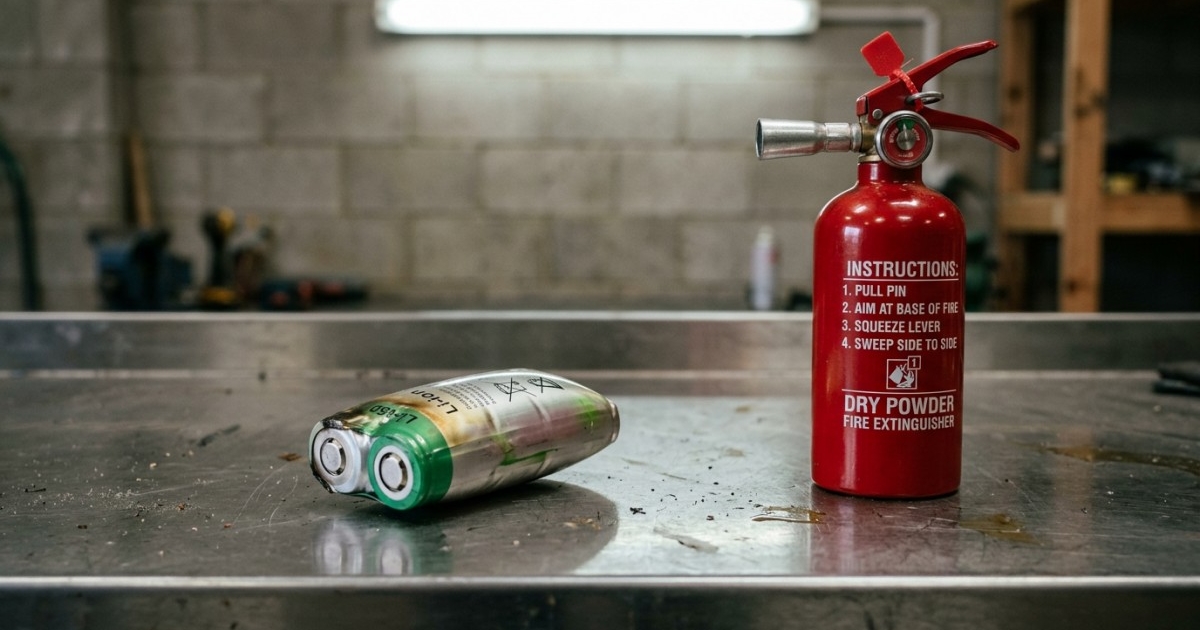
Batteries are everywhere – from the tiny cells that power your smartwatch to the massive packs that run electric cars and home backup systems. While they give us the freedom to go cordless, they also store a surprising amount of energy in a very small space. When that energy is released in an uncontrolled way, the consequences can range from a smoldering smoke to a full‑blown fire or even an explosion. Understanding the risks, spotting the warning signs, and handling batteries correctly can keep you, your family, and your property safe.
Common Battery Hazards
Electrical Hazards
Electrical faults are the most frequent cause of battery incidents. A short circuit can happen when the protective insulation on a battery’s terminals is damaged, when conductive debris gets between contacts, or when a charger that isn’t designed for that specific chemistry is used. Overcharging or deep discharging can also destabilise the cell chemistry, leading to internal heating and, eventually, thermal runaway. For lithium‑ion (Li‑ion) and lithium‑polymer (LiPo) batteries, even a few volts of over‑voltage can cause the electrolyte to break down, producing gases that increase internal pressure.
Thermal Hazards
Heat is a silent enemy. Batteries generate heat during normal operation, but excessive ambient temperature, poor ventilation, or direct exposure to flame can push them past safe limits. When a cell’s temperature climbs above its design threshold – often around 60 °C for many Li‑ion cells – the chemical reactions inside accelerate dramatically. This can lead to a self‑sustaining chain reaction known as thermal runaway, where the battery heats itself faster than the heat can be dissipated, ultimately igniting the electrolyte and any surrounding flammable material.
Physical Hazards
Mechanical damage is another major risk factor. Puncturing, crushing, or dropping a battery can rupture the separator that keeps the positive and negative electrodes apart. Once the separator fails, the electrodes can touch, causing an internal short that instantly releases a huge amount of energy. Even if the outer casing looks fine, a dent or bend may have compromised the internal structure, making the battery prone to sudden failure later on.
Battery Fire and Explosion Risks
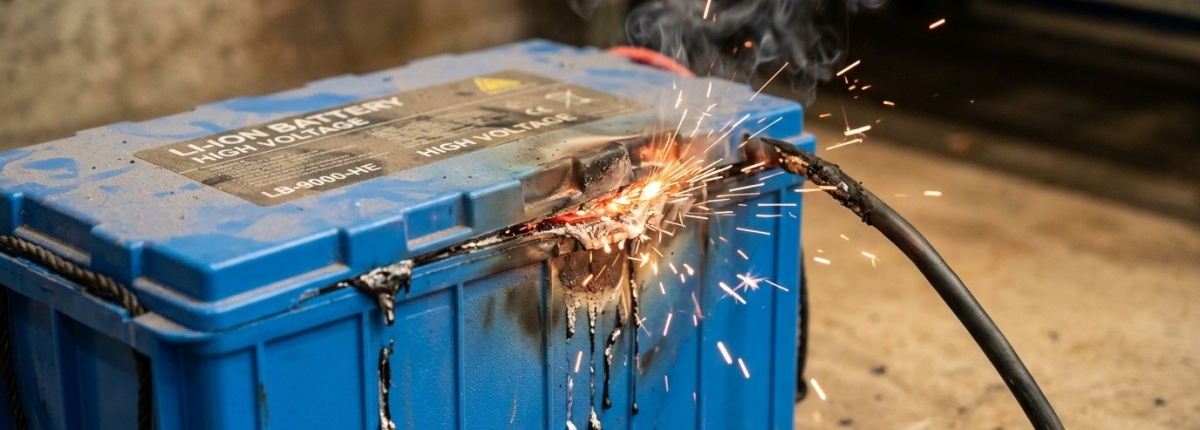
How a Battery Fire Starts
A battery fire typically begins when the internal temperature exceeds the point at which the electrolyte becomes combustible. In Li‑ion cells, this temperature is roughly 150 °C. Once ignited, the fire can be difficult to extinguish because the battery continues to generate heat from within. Traditional water‑based extinguishers may not be effective and can even spread the fire if the water conducts electricity into the battery’s terminals.
Why Explosions Happen
When internal gases build up faster than they can vent, the pressure inside the cell rises sharply. If the pressure exceeds the strength of the metal casing, the battery can burst, sending hot fragments and molten metal flying. This is why you often see a loud pop followed by a spray of debris when a battery explodes. The combination of flame, shrapnel, and toxic smoke makes explosions far more dangerous than a simple fire.
Factors That Accelerate Both Events
- High energy density – Modern Li‑ion cells pack more watt‑hours per gram, meaning there is more stored energy ready to be released.
- Flammable internal components – The organic solvents in the electrolyte are highly combustible.
- Chain reactions – One overheating cell can heat its neighbours, creating a domino effect throughout a battery pack.
Overheating, Damage, and Failure Mechanisms
Thermal Runaway Explained
Thermal runaway is a feedback loop: heat raises the reaction rate, which generates more heat, which raises the temperature even further. It can be triggered by overcharging, a short circuit, or an external heat source. Once it starts, the only reliable way to stop it is to cool the battery faster than the heat is produced – a challenging task when the heat source is inside the sealed cell.
Internal Short Circuits
An internal short occurs when the separator breaks down, allowing the anode and cathode to touch. This can be caused by manufacturing defects, dendrite growth (tiny lithium spikes that pierce the separator), or physical deformation. The result is a massive current surge that produces instant heat and can vaporise the electrolyte.
Mechanical Damage
A puncture creates a direct path for the electrolyte to leak out, exposing flammable material to air. A crush can deform the electrodes, creating hotspots and increasing internal resistance. Even a seemingly minor dent can compromise the cell’s ability to dissipate heat, making it more likely to overheat under load.
Warning Signs of Dangerous Battery Conditions
- Excessive Heat – If a battery feels hot to the touch during charging or use, stop immediately.
- Swelling or Bulging – A puffed‑up case indicates gas buildup inside the cell.
- Unusual Odors – A sweet, chemical smell often means the electrolyte is breaking down.
- Smoke or Hissing – These are clear signs of a failing cell; evacuate the area.
- Leaking Fluid – Any liquid seeping from the battery should be treated as hazardous waste.
When you notice any of these signs, isolate the battery in a fire‑proof container, keep people and pets away, and contact emergency services if the situation escalates.
Safe Battery Handling and Usage Guidelines
- Always use the manufacturer‑approved charger. Mismatched chargers can supply the wrong voltage or current, leading to over‑charging or insufficient charging.
- Never mix damaged and undamaged batteries in the same device. A single compromised cell can affect the entire pack.
- Inspect batteries before each use. Look for dents, corrosion, or swelling.
- Avoid exposure to water, high humidity, or corrosive chemicals. Moisture can short terminals, while chemicals can erode protective coatings.
- Do not attempt to open, modify, or repair a battery. Internal components are under pressure and can release hazardous substances.
- Store batteries away from flammable materials such as paper, gasoline, or cleaning solvents.
Following these simple habits reduces the chance of accidental shorts, overheating, or mechanical failure.
Battery Storage Safety
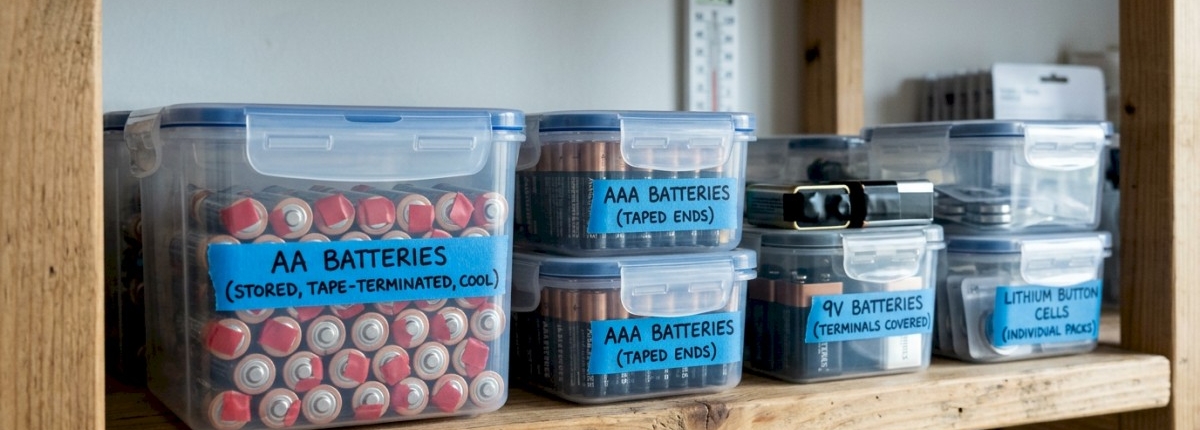
Proper storage extends a battery’s life and keeps you safe. Here are best‑practice tips:
- Cool, dry, well‑ventilated location. Ideal temperature range is 15–25 °C (59–77 °F).
- Partial charge for long‑term storage. Most lithium chemistries are safest at about 40–60 % state‑of‑charge.
- Separate terminals. Use non‑conductive tape or storage trays that keep contacts from touching metal surfaces.
- Avoid stacking heavy objects on top of cells; pressure can deform the case.
- Rotate stock so older batteries are used first, preventing them from aging beyond safe limits.
Improper storage – especially in hot garages or near direct sunlight – is a leading cause of delayed fires that can ignite weeks after the battery was last used.
Transportation and Environmental Exposure Risks
Shipping batteries adds vibration, impact, and temperature swings to the mix. Regulations (e.g., UN 38.3) require tests for drop, short circuit, and thermal abuse before a battery can be transported. For personal moves, follow these guidelines:
- Use original packaging or a sturdy, fire‑resistant box with cushioning.
- Secure terminals with tape or plastic caps to prevent accidental shorting.
- Keep batteries away from extreme heat – never leave them in a car on a sunny day.
- Label packages with the appropriate hazard class; many carriers refuse shipments without proper labeling.
Environmental exposure – like rain, salty sea air, or industrial chemicals – can corrode connectors and degrade seals, increasing the risk of short circuits.
Health Risks from Battery Incidents
When a battery fails, the hazards extend beyond fire:
- Toxic smoke – Lithium fires release fluorine‑based gases, carbon monoxide, and other irritants that can cause respiratory distress.
- Chemical burns – Contact with leaked electrolyte (often a mixture of organic solvents and lithium salts) can damage skin and eyes.
- Heavy‑metal exposure – Older lead‑acid or nickel‑cadmium cells contain lead or cadmium, both of which are carcinogenic with prolonged exposure.
- Thermal injuries – Hot surfaces and exploding fragments can cause severe burns.
Prompt evacuation, protective clothing, and fresh air are essential when a battery incident occurs.
What to Do During Battery Overheating or Fire
- Stay calm and move away from the device if it is safe to do so.
- Do not touch the battery – even a seemingly cool surface can be internally hot.
- Ventilate the area if possible, but avoid spreading smoke to other rooms.
- Use a Class D fire extinguisher (dry powder) for lithium fires; water can worsen the situation.
- Call emergency services and give them the type of battery involved (e.g., Li‑ion, lead‑acid).
- If the fire is small and you have a suitable extinguisher, aim at the base of the fire, not the flames, to cool the cell.
Never attempt to submerge a burning lithium battery in water; the reaction can produce hydrogen gas and cause a secondary explosion.
Disposal and Recycling Safety

Throwing batteries in the trash is illegal in many jurisdictions and poses a fire risk to waste‑handling facilities. Follow these steps:
- Collect used batteries in a designated container – preferably a fire‑resistant metal box.
- Take them to a certified recycling center or a retailer that offers take‑back programs.
- Label hazardous waste if you need to store it for a period before recycling.
- Never dismantle a battery to separate components; the internal cells remain energized and can short.
Recycling not only prevents environmental contamination but also recovers valuable metals like cobalt, nickel, and lithium, reducing the need for new raw material extraction.
Frequently Asked Questions
What makes batteries dangerous? Their high energy density, flammable electrolytes, and the potential for internal short circuits or thermal runaway.
Can a battery explode without warning? Most incidents give some warning—heat, swelling, odd smells—but a severe internal short can cause a rapid failure that seems sudden.
Why are battery fires hard to put out? The heat source is inside a sealed cell, so even after the flames are doused, the cell can reignite.
Is it safe to use a battery that was dropped? Not necessarily. Even without visible damage, internal components may be compromised. Replace it.
How should I handle a swollen battery? Isolate it in a fire‑proof container, avoid touching it, and arrange for proper recycling.
Final Thoughts
Battery safety is a blend of knowledge, vigilance, and good habits. By recognizing the electrical, thermal, and mechanical hazards, spotting early warning signs, and following proper handling, storage, and disposal practices, you dramatically lower the odds of a dangerous incident. Whether you’re charging a phone, swapping a power‑tool pack, or managing a large‑scale energy storage system, treating every battery with respect and care keeps your home, workplace, and the planet safer.
Key Takeaways
- Never ignore heat, swelling, or strange odors – they are early signs of a failing battery.
- Use only the charger recommended by the manufacturer to avoid over‑charging and voltage spikes.
- Store batteries in a cool, dry, ventilated area at around 40‑60 % charge for long‑term safety.
- In case of fire, use a Class D (dry powder) extinguisher and keep water away from lithium cells.
- Recycle batteries properly; improper disposal creates fire hazards and environmental damage.