

5 Reasons Why You Need an LED Flashlight in Your Survival Kit
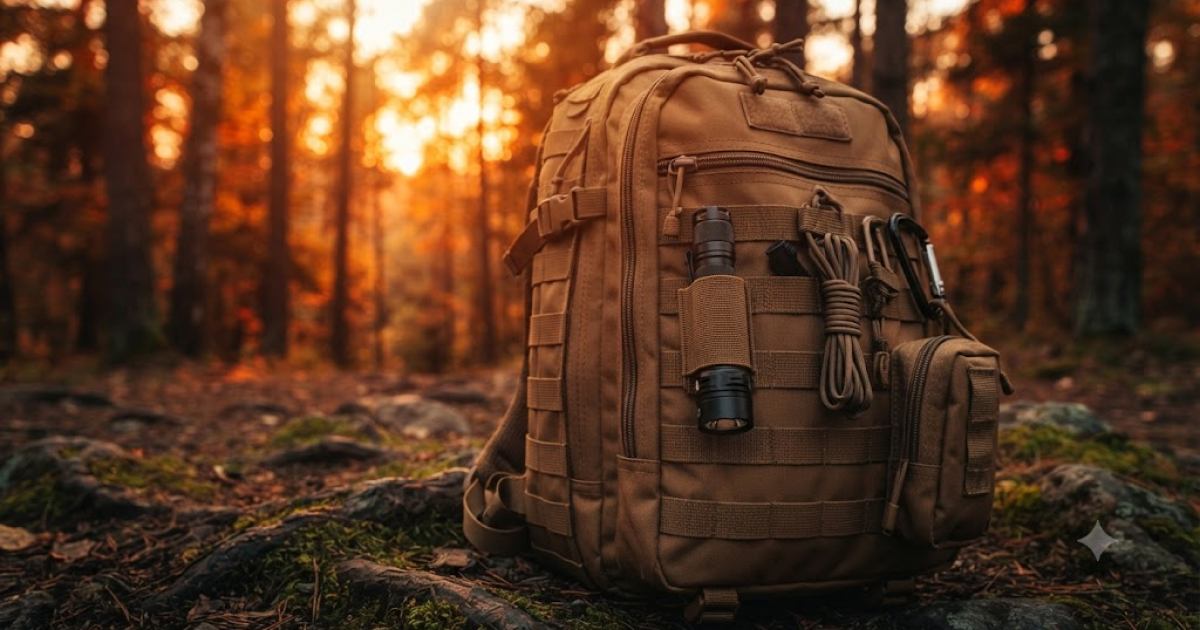
When disaster strikes, the first thing you reach for isn’t a gourmet snack or your favorite streaming service – it’s light. Whether you’re navigating a blackout‑filled home, trekking through a forest after a storm, or signaling for help in the wilderness, a reliable source of illumination can be the difference between safety and chaos. That’s where the LED flashlight steps in. A modern LED flashlight bulb known as LEDs (light‑emitting diodes) have revolutionized portable lighting, offering brightness, durability, and efficiency that traditional incandescent bulbs simply can’t match. In this article we’ll walk through five solid reasons why you need an LED flashlight in your survival kit, and we’ll sprinkle in practical tips on choosing the right model, maintaining it, and using it effectively when the lights go out. We’ll also recommend a small LED flashlight to consider for your bag of outdoor gear.
1. Unmatched Brightness and Beam Control
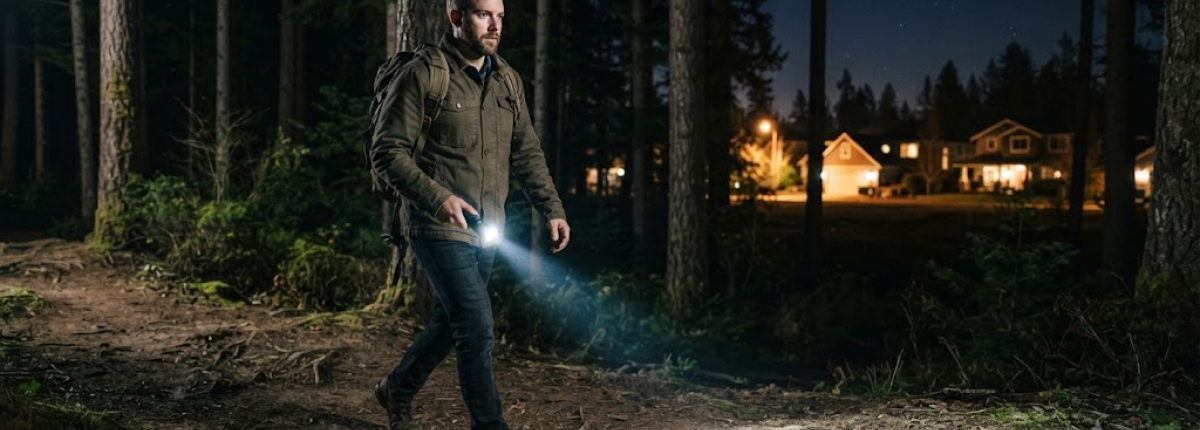
LED technology produces a focused, high‑intensity beam with far less energy than a comparable incandescent or halogen source. A good quality LED flashlight can deliver 500 lumens or more, illuminating a 100‑foot radius with clarity. This level of brightness is crucial when you need to:
- Search for hazards – Spotting broken glass, exposed wires, or uneven terrain becomes far easier when the area is lit evenly.
- Navigate in low‑visibility environments – A tight, adjustable beam lets you widen the spread for a broad view or narrow it to a pinpoint for distance, helping you move safely through dense foliage or cramped spaces.
- Signal for rescue – The intense, focused light can be seen from miles away when flashing a SOS pattern, increasing the odds of being located by search teams.
Beyond raw lumen output, LED flashlights often include multiple modes (high, medium, low, strobe, SOS). The strobe mode, for instance, can disorient potential attackers or wildlife, while the low‑power mode extends battery life for prolonged tasks like reading maps or checking equipment. The ability to toggle between these modes on the fly means you’re prepared for any scenario without carrying multiple lights.
2. Energy Efficiency Extends Survival Time
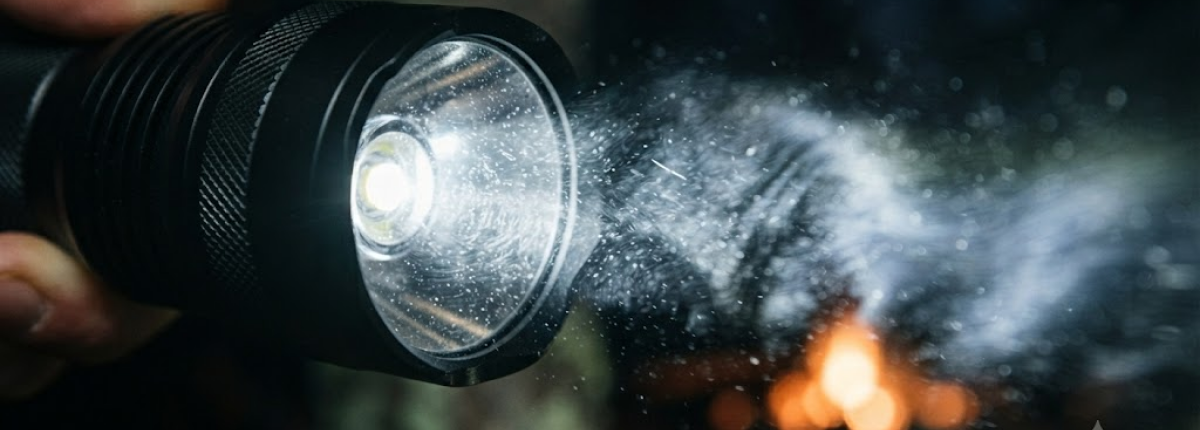
In a survival situation, every resource counts, and power is no exception. LEDs are dramatically more efficient than traditional bulbs, converting up to 30% of electrical energy into visible light versus around 5% for incandescent bulbs. This efficiency translates to longer runtimes on the same battery size – a critical advantage when you can’t recharge or replace batteries quickly.
Consider a typical 18650 lithium‑ion cell. Paired with an efficient LED, it can keep a high‑output flashlight running for over 20 hours before the voltage drops below usable levels. In low‑mode, that same cell can stretch to 100+ hours. Compare that to a halogen flashlight that would need a fresh set of batteries after just a few hours of high‑intensity use.
The long runtime also means you can conserve energy by using the flashlight strategically: employ a dim setting for routine tasks, reserve the high‑beam for emergencies, and rely on the strobe or SOS mode only when you truly need to attract attention. This disciplined approach helps you preserve power for the moments that matter most.
3. Rugged Durability for Harsh Conditions
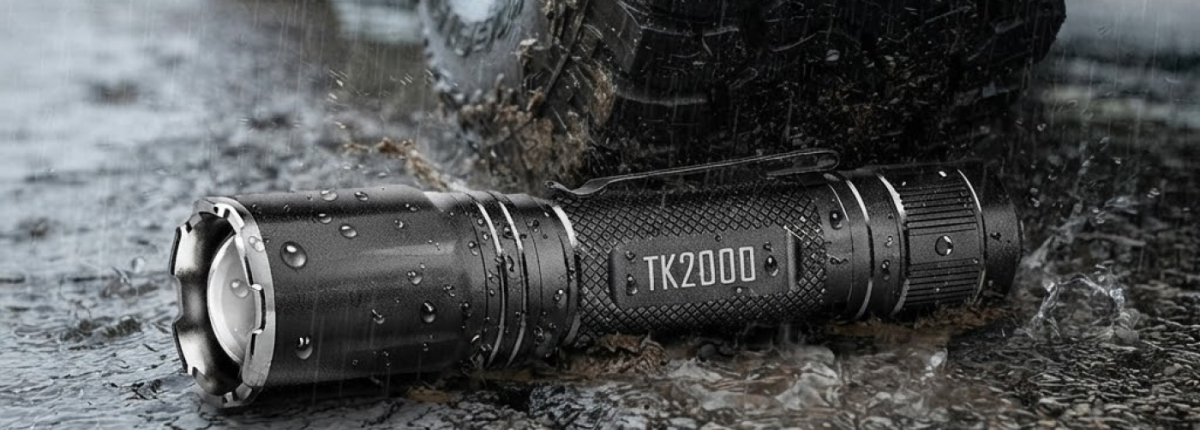
Survival kits are built to endure the elements – rain, mud, dust, drops, and extreme temperatures. LED flashlights are typically constructed with impact‑resistant aluminum bodies, sealed lenses, and IPX-rated waterproofing (often IPX8, meaning they can survive submersion beyond one meter). These design features protect the internal circuitry from moisture and shock, ensuring the light will fire when you need it.
Durability isn’t just about surviving a fall; it’s about maintaining performance after repeated exposure to harsh conditions. For example:
- Cold weather can reduce battery efficiency. High‑quality LEDs are less affected by temperature swings, providing consistent output even in sub‑zero environments.
- Heat can degrade plastic housings, but anodized aluminum stays stable up to 120°C, preventing warping or melting.
- Dust and sand are common in desert or post‑storm scenarios. Sealed flashlights prevent ingress, so the lens stays clear and the battery contacts stay clean.
When you choose a flashlight with a mil‑spec rating, you’re essentially buying a tool built to military standards of durability, meaning it’s been tested for drop impact, water resistance, and operational reliability under stress.
4. Low Maintenance and Long Lifespan

One of the biggest frustrations with traditional bulbs is the need for frequent replacement. Incandescent filaments burn out, halogen bulbs can dim quickly, and both produce heat that can damage the housing. LEDs, on the other hand, have lifespans measured in tens of thousands of hours – often quoted at 30,000 to 50,000 hours of continuous use.
In practice, this means:
- You’ll rarely need to replace the light source during the lifespan of your survival kit (which might be a decade or more).
- Battery management is straightforward – most modern LED flashlights accept standard rechargeable batteries (AA, AAA, 18650 or 21700) and some even feature built‑in USB‑C charging, eliminating the need for spare chargers.
- Minimal cleaning – a quick wipe of the lens and body is usually enough to keep performance optimal, unlike older flashlights that required careful bulb handling.
The low maintenance factor frees up mental bandwidth in a crisis. You can focus on navigation, first‑aid, or shelter building rather than worrying about whether your flashlight will flicker out at the worst possible moment.
5. Versatility Beyond Illumination
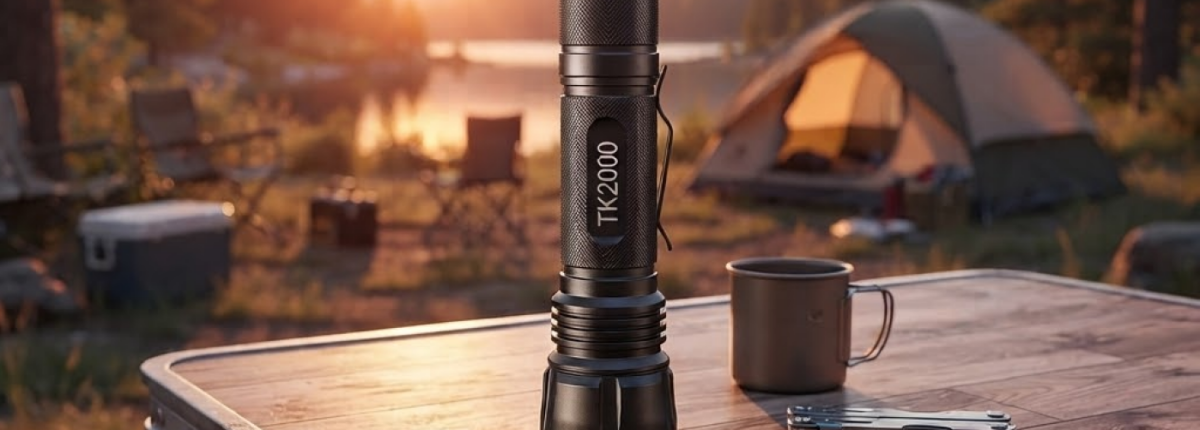
A good LED flashlight is more than a beam of light; it’s a multi‑tool for survival. Here are a few ways you can leverage its design features:
- Emergency signaling – By flashing a three‑short, three‑long, three‑short pattern (the classic SOS), you can communicate with rescuers without needing a whistle or radio.
- Self‑defense – The intense glare of a high‑powered LED can temporarily blind an assailant or aggressive animal, giving you a chance to escape or gain distance.
- Tool assistance – Many flashlights come with built‑in accessories like a glass breaker tip, a seatbelt cutter, or a compass. Even if your model lacks these, the sturdy body can serve as a makeshift hammer to drive stakes or break ice.
- Cooking aid – In a dark campsite, a focused beam can serve as a makeshift cooking torch for caramelizing or searing small items when a stove isn’t available.
- Power source for small electronics – Some high‑end models feature a USB output that lets you charge phones or GPS units directly from the flashlight’s battery bank.
These extra functionalities amplify the value of a single piece of gear, reducing the overall weight and bulk of your kit while expanding your capability set.
Choosing the Right LED Flashlight for Your Kit
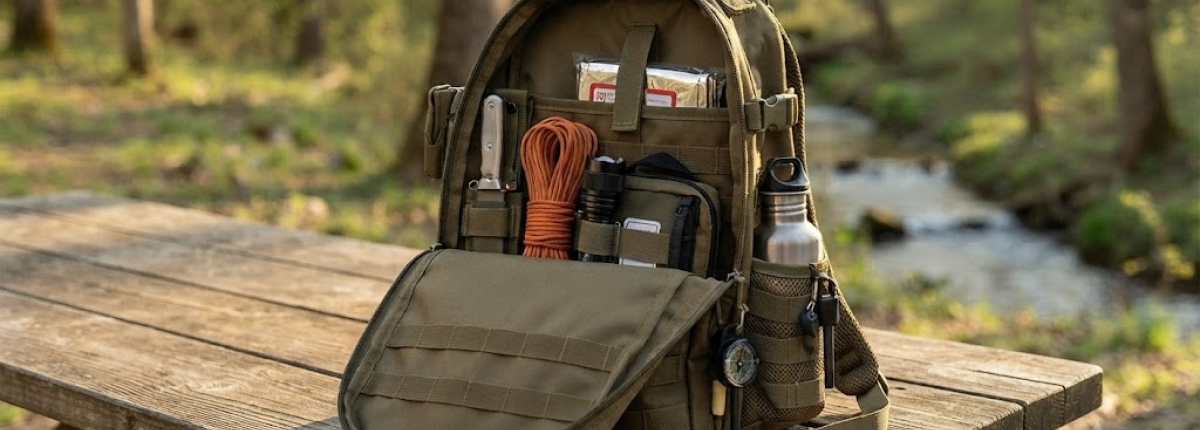
Now that we’ve covered why an LED flashlight is indispensable, let’s talk about picking the best one for your specific needs. Here are the key specs to compare:
| Feature | Why It Matters | Typical Range |
|---|---|---|
| Lumens | Brightness level; higher lumens = farther reach | 200‑800 for most kits; >1000 for extreme scenarios |
| Beam Distance | How far the light can illuminate effectively | 100‑300 feet |
| Battery Type | Availability and rechargeability | AA/AAA (easy to replace) or 18650 (high capacity) |
| Run Time | Duration at each mode | High: 2‑5 hrs, Low: 20‑100 hrs |
| Water Rating | Protection against rain or immersion | IPX6‑IPX8 recommended |
| Impact Rating | Resistance to drops and shocks | MIL‑STD‑810G or similar |
| Size & Weight | Portability and ease of carry | 4‑6 inches, 3‑6 oz |
| Additional Features | Strobe, SOS, USB‑C charging, built‑in tools | Bonus but not essential |
For a balanced, all‑rounder option, aim for a 500‑lumens flashlight with a medium‑range beam (150‑200 ft), IPX8 waterproofing, and MIL‑SPEC impact rating. Pair it with rechargeable AAA NiMH batteries if you want easy replacement, or a single 18650 if you prefer longer single‑charge sessions.
Discover The TK120 LED Tactical Flashlight
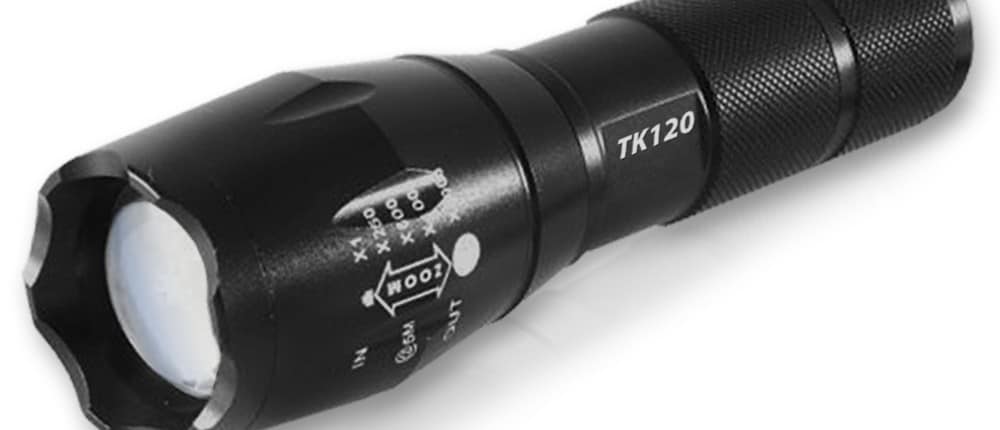
One flashlight that has been popular for over many years is the TK120 LED Tactical Flashlight. It is advertised as one of the brightest flashlight on the market and is very affordable. There are a few important reasons why you need an LED flashlight. We are going to cover that here along with the features included in the TK120 LED Tactical Flashlight.
Because it is Ultra Bright
The TK120 Flashlight technology works in a much different way than other flashlights as it uses an LED chip instead of led diodes. This technology offers extended battery life and the light is nearly 40 times more powerful than the regular flashlights that bulbs or diodes.
Offers Multiple Light Modes
The TK120 has 5 different light modes that can manipulate two different verticals; light reach and radius and light interruption. The zoom focus feature on the TK120 flashlight allows 3 different modes including low, medium and high. The light mode includes regular continuous light, strobe light and SOS light.
Because it is Affordable
Most flashlights cost above $100 while the TK120 retail price is much lower. When comparing the TK120 to other flashlights you should notice some differences. The TK120 is very durable and constructed of a more light-weight aluminum alloy. The TK120 also offers a memory light mode feature and is water resistant. Now with all of these features, the TK120 Flashlight is still almost 40% less expensive than comparable flashlights.
Maintaining Your LED Flashlight
Even the toughest gear needs a little TLC. Follow these simple steps to ensure your flashlight stays ready:
- Charge Regularly – If you use rechargeable cells, keep them topped up at least once a month. Lithium‑ion batteries degrade faster when left fully discharged.
- Store in a Dry Place – Even waterproof lights benefit from being kept in a moisture‑free environment to prevent corrosion on contacts.
- Test Monthly – Turn the flashlight on and cycle through all modes. This quick check helps you spot failing batteries or loose connections before an emergency.
- Clean the Lens – Use a soft microfiber cloth and a mild cleaning solution. Avoid abrasive materials that could scratch the lens and reduce beam clarity.
- Inspect Seals – Check O‑rings or gasket areas for wear. If the seal feels compromised, replace the gasket to maintain the IP rating.
A well‑maintained flashlight will operate at peak efficiency, delivering the brightness and reliability you rely on when the stakes are high.
Real‑World Scenarios Where an LED Flashlight Saves the Day
Urban Power Outage
 During a citywide blackout, streets turn into dark tunnels, and the power grid can be down for days. An LED flashlight lets you:
- Navigate safely through stairwells and corridors.
- Inspect electrical panels without risking accidental shock.
- Provide illumination for family members, especially children, reducing panic.
Wilderness Survival
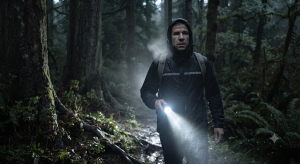 If you get lost during a hike or your campsite is hit by a sudden storm, the flashlight becomes your eyes in the dark. You can:
- Mark your trail with light‑colored reflective tape to avoid backtracking.
- Locate a water source or shelter by illuminating the surrounding terrain.
- Signal rescuers from a clearing, increasing visibility from the air.
Emergency Vehicle Repair
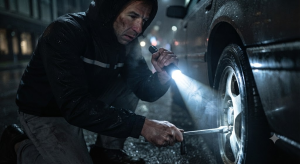 A flat tire or engine failure on a dark road can be terrifying. A bright LED beam allows you to:
- Inspect the tire tread and rim for damage.
- Read warning lights and diagnostic codes on the dashboard.
- Communicate with passing motorists using the strobe mode.
These examples illustrate that the flashlight isn’t just a convenience—it’s a versatile lifeline across multiple emergency contexts.
Final Thoughts: Light Up Your Preparedness
In the world of survival gear, the LED flashlight stands out for its brightness, efficiency, durability, low maintenance, and multifunctionality. By integrating a reliable tactical flashlight for your adventure, you equip yourself with a tool that adapts to countless situations – from simple household power cuts to full‑scale wilderness rescues.
Don’t underestimate the psychological comfort a steady beam provides. Light reduces fear, improves decision‑making, and helps you keep a clear head when everything else feels uncertain. So, before you finalize your emergency bag, make sure a high‑quality LED flashlight sits at the top of the list. Test it, maintain it, and practice using its various modes. When the lights go out, you’ll be ready to shine.
Quick Reference Checklist
- ✅ Choose a flashlight with 500+ lumens, IPX8, and MIL‑SPEC impact rating.
- ✅ Carry rechargeable batteries and a USB‑C cable for on‑the‑go power.
- ✅ Perform monthly functional tests and clean the lens regularly.
- ✅ Learn the SOS flashing pattern and practice using strobe mode for signaling.
- ✅ Keep the flashlight within easy reach in your survival kit, car, and home emergency bag.
By following this guide, you’ll transform a simple LED flashlight from a mere gadget into a cornerstone of your survival strategy.
Stay safe, stay illuminated.