

Complete Guide to 18650 Batteries – Voltage, Capacity, Safety
If you’ve ever wondered why your laptop, flashlight, or high‑powered vape device seems to run forever on a single cell, chances are it’s an 18650 battery inside. These cylindrical powerhouses have become the workhorse of modern portable electronics because they pack a lot of energy into a compact, standardized package. In this guide we’ll walk through everything you need to know – from the basics of voltage and capacity, through safety best practices, to tips on building your own battery packs. By the end you’ll have a solid foundation for selecting, using, and caring for 18650 cells, whether you’re a hobbyist, a DIY‑builder, or just a curious consumer.
What Is an 18650 Battery?
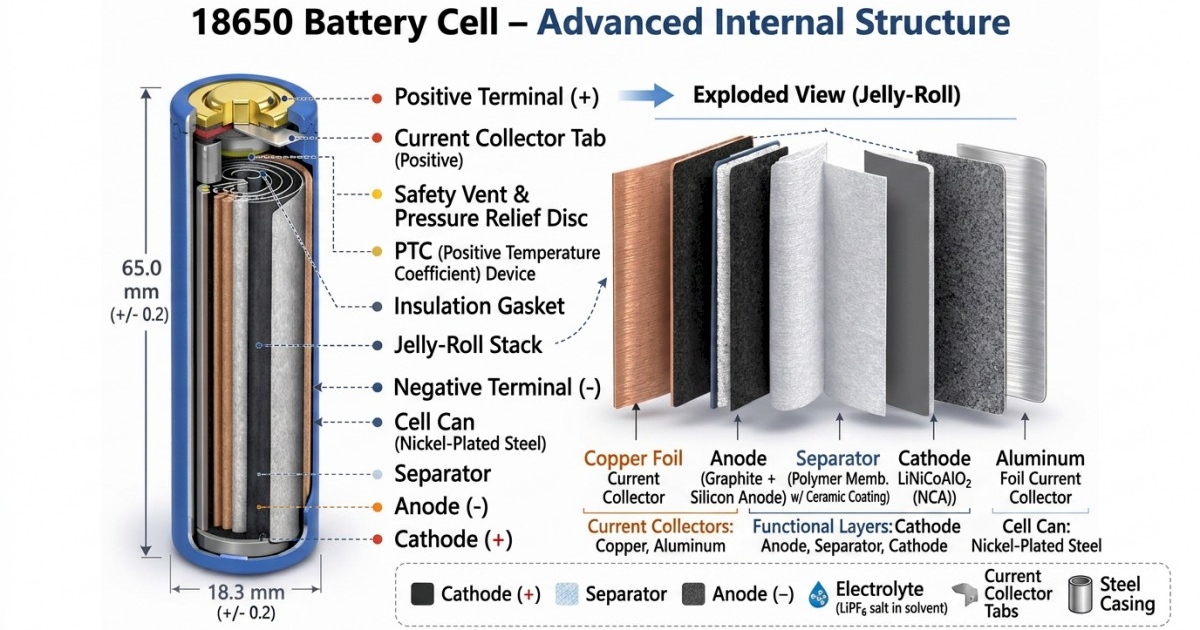
The name “18650” is a shorthand for the cell’s dimensions: 18 mm in diameter and 65 mm in length. Inside that steel‑cased cylinder lives a lithium‑ion chemistry that can be tuned for either high energy (long run‑time) or high power (large current draw). The most common chemistries are Li‑NMC/NCA (often marketed as 3.7 V lithium‑ion) and LiFePO₄ (3.2 V lithium‑iron‑phosphate). Both share the same external size, but their internal materials give them very different performance curves.
The 18650 format first appeared in laptop battery packs in the early 2000s. Its standardized shape made it easy for manufacturers to design modular packs, and the rapid improvements in lithium‑ion technology soon saw the cell migrate into flashlights, power tools, e‑bikes, and even electric vehicle modules. Today you’ll find 18650s in everything from high‑end hobby drones to emergency radios.
Physical Characteristics: Size, Weight, and Construction
| Parameter | Typical Value |
|---|---|
| Diameter | 18 mm |
| Height | 65 mm |
| Weight | 40–50 g (depends on capacity) |
| Form factor | Cylindrical steel can |
The cell’s internal architecture is a rolled‑jelly‑roll of layered materials. Starting from the inside out you have:
- Anode (negative electrode) – usually graphite, which intercalates lithium ions during charging.
- Separator – a porous polymer film that keeps the anode and cathode apart while allowing ions to flow.
- Cathode (positive electrode) – made of a lithium‑metal‑oxide compound (NMC, NCA, or LiFePO₄) that stores lithium ions when discharged.
- Electrolyte – a lithium‑salt solution that conducts ions between the electrodes.
- Safety vent and metal casing – the outer steel shell protects the internal layers and includes a pressure‑relief vent to vent gases if internal pressure spikes.
High‑quality cells keep internal resistance low (often under 30 mΩ), which translates to less heat during high‑current draws and better overall efficiency.
Voltage: Understanding the Numbers
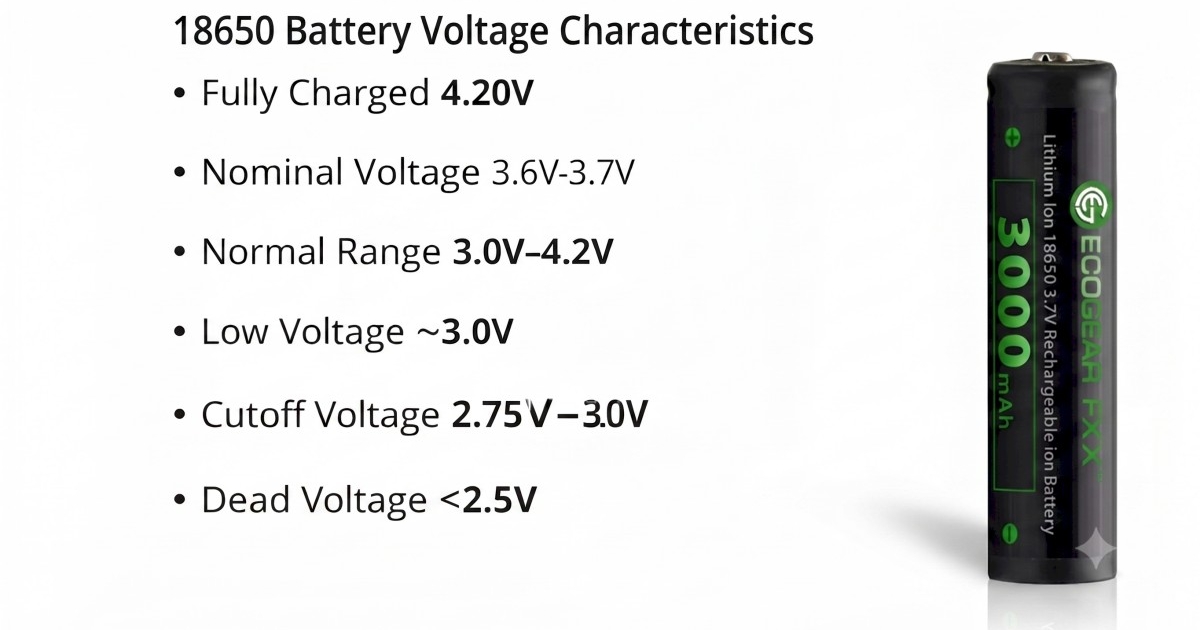
Voltage is the most visible indicator of a lithium‑ion cell’s state of charge. A fresh 18650 sits at about 4.2 V when fully charged, then gradually drops to its nominal voltage of 3.6–3.7 V during normal operation. Most devices stop drawing power around 3.0 V, and a built‑in protection circuit usually cuts off at 2.75–3.0 V to avoid damaging the chemistry.
Voltage‑to‑Percentage Chart
| Resting Voltage | Approx. State of Charge |
|---|---|
| 4.20 V | 100 % |
| 4.10 V | ~90 % |
| 4.00 V | ~75 % |
| 3.90 V | ~60 % |
| 3.80 V | ~40 % |
| 3.70 V | ~20 % |
| 3.60 V | ~10 % |
| 3.30 V | ~0 % (near empty) |
These values are approximations; actual capacity at a given voltage can vary with temperature, load, and cell age. For precise monitoring, a good battery management system (BMS) or a dedicated Li‑ion voltmeter is recommended.
Capacity: How Long Will It Last?
Capacity is measured in milliamp‑hours (mAh) and tells you how much charge the cell can store. Modern high‑energy 18650s range from 2,500 mAh for high‑power cells up to 4,350 mAh for energy‑focused models. The higher the capacity, the longer a device can run, but larger capacity often means slightly higher internal resistance and lower peak current capability.
Capacity Degradation
All lithium‑ion cells lose a bit of capacity with each charge‑discharge cycle. A typical cell will retain about 80 % of its original capacity after 500 full cycles and around 70 % after 1,000 cycles. Factors that accelerate degradation include:
- High charge voltages (charging above 4.2 V).
- Fast charging at rates greater than the manufacturer’s recommended C‑rate.
- Operating at extreme temperatures – especially high heat.
- Deep discharging below the cutoff voltage.
Monitoring capacity with a dedicated charger that shows mAh throughput can help you spot a dying cell before it fails in a critical application.
Charging 18650 Batteries Safely
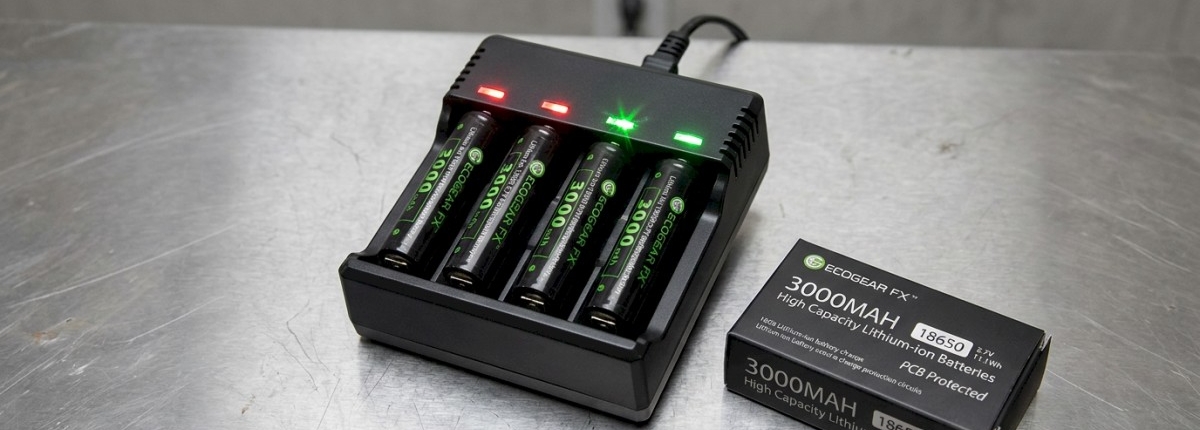
The standard charging profile for lithium‑ion cells is constant‑current/constant‑voltage (CC/CV):
- Constant‑Current Phase – The charger supplies a steady current (often 0.5 C to 1 C) until the cell reaches its maximum voltage (4.2 V for most Li‑NMC/NCA cells).
- Constant‑Voltage Phase – The charger holds the voltage at 4.2 V while the current gradually tapers off. Charging stops when the current drops below a preset termination threshold (usually 0.05 C).
Key safety tips:
- Use a charger designed for 18650 cells – generic chargers may lack proper voltage regulation.
- Never exceed the recommended charge current; a 2 A charge is safe for most 3 A‑rated cells, but a 5 A cell can handle a 5 A charge.
- Charge in a fire‑resistant container and on a non‑flammable surface.
- Avoid charging at temperatures above 45 °C or below 0 °C – extreme temperatures can cause plating of lithium metal, leading to safety hazards.
Discharging: Power Delivery and Limits
![a few small electronics [flashlight, laptop, portable speaker] powered by 18650 batteries on light gray table](https://www.ecogearfx.com/wp-content/uploads/small-electronics-flashlight-laptop-speaker-batteries-table-1200x430.jpg)
Discharging is the reverse of charging – the cell supplies current to a load. The key specifications are:
- Continuous Discharge Current – the maximum current the cell can deliver indefinitely without overheating. Typical values range from 1 A (low‑power) to 20 A (high‑power).
- Pulse (Peak) Current – short bursts of higher current (often 2‑3× the continuous rating) for a few seconds.
- C‑rate – a dimensionless number that expresses current relative to capacity. For example, a 3 000 mAh cell discharged at 6 A is operating at 2 C.
Over‑Discharging Risks
If a cell is allowed to fall below its safe minimum voltage (around 2.5 V), several things can happen:
- Chemical instability – the lithium plating can become irreversible.
- Capacity loss – the cell may never recover its original capacity.
- Safety hazards – over‑discharged cells can short internally, leading to heat buildup or fire.
A BMS or simple voltage cutoff circuit is essential in any pack that could be drained deeply.
Internal Resistance and Its Effects
Internal resistance (IR) is the opposition to current flow inside the cell. Low IR means the cell can deliver high currents with little voltage sag and less heat. As cells age, IR tends to increase, which manifests as:
- Reduced peak power – the cell can’t sustain high‑current draws.
- Higher temperature during use – excess heat can accelerate aging.
- Greater voltage drop under load, which may cause devices to think the battery is empty sooner than it really is.
Measuring IR with a four‑wire (Kelvin) method gives the most accurate picture, but many smart chargers provide an estimated resistance reading.
Types of 18650 Cells: Chemistry Matters
| Chemistry | Nominal Voltage | Energy Density | Typical Use Cases |
|---|---|---|---|
| Li‑NMC / Li‑NCA | 3.6‑3.7 V | 200‑260 Wh/kg | Flashlights, power tools, e‑bikes |
| LiFePO₄ | 3.2 V | 120‑150 Wh/kg | High‑safety applications, solar storage |
Li‑NMC/NCA cells dominate the market because they offer the highest energy per gram. They excel where size and weight matter. LiFePO₄ cells sacrifice some energy density for superior thermal stability and a longer cycle life (often 2,000‑3,000 cycles). If you’re designing a pack for a stationary solar system, LiFePO₄ may be the safer choice.
Battery Management Systems (BMS)
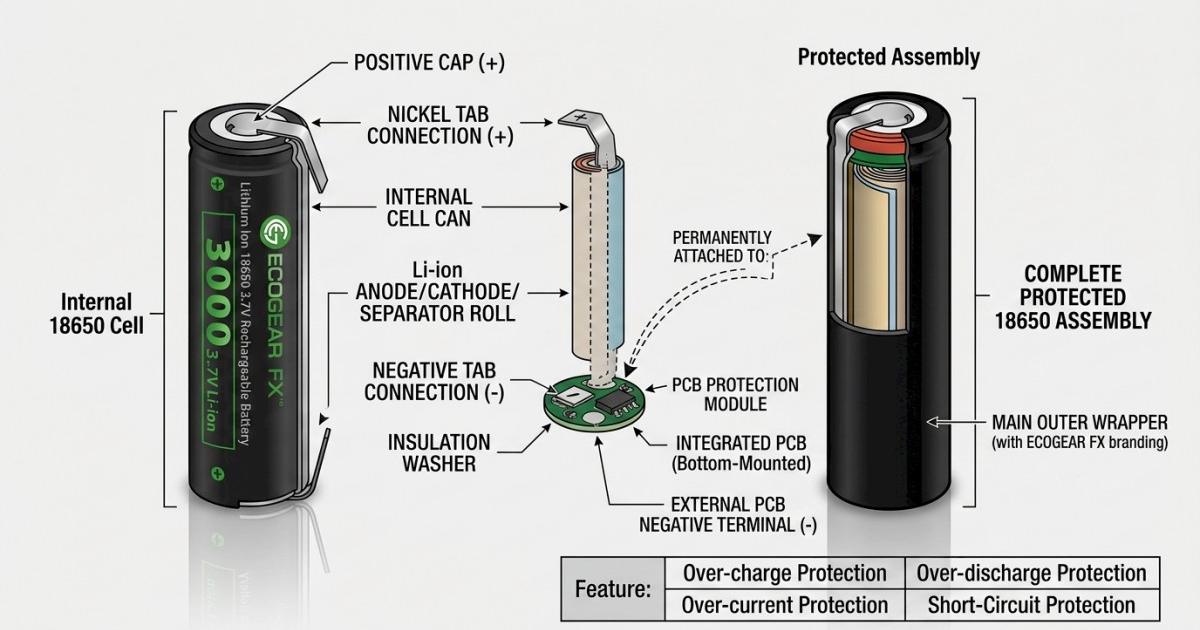
A BMS is the brain of any multi‑cell pack. It is sometimes referred to as Protection Circuit Board (PCB). Its primary functions include:
- Cell balancing – equalizing voltage across cells to maximize pack capacity.
- Over‑voltage/under‑voltage protection – cutting off charge or discharge when limits are crossed.
- Over‑current and short‑circuit protection – shutting down the pack if a dangerous current surge is detected.
- Temperature monitoring – using thermistors to prevent overheating.
When buying a pre‑built pack, verify that the BMS matches your application’s voltage and current requirements. For DIY packs, a simple 2‑cell BMS can be a good starting point, but larger packs benefit from a dedicated BMS board with individual cell monitoring.
Building Your Own 18650 Pack
Many hobbyists enjoy assembling custom packs because it lets you tailor voltage, capacity, and current to the exact needs of a project. The basic steps are:
- Determine pack configuration – decide on series (S) and parallel (P) layout. For example, a 2S3P pack yields a nominal voltage of ~7.2 V and a capacity of 3 × cell capacity.
- Select matching cells – use cells of the same brand, capacity, and age to ensure balanced performance.
- Add a BMS – choose a board that supports your S‑count and expected current.
- Weld or spot‑weld nickel strips – create solid connections between cells; avoid solder directly on cells because heat can damage them.
- Insulate and secure – use heat‑shrink tubing, silicone pads, or a 3D‑printed housing to protect the pack.
- Test – run a full charge‑discharge cycle while monitoring voltage, temperature, and BMS alerts.
Safety cannot be overstated: always work in a well‑ventilated area, wear safety glasses, and keep a fire‑extinguishing agent (Class D or a lithium‑specific extinguisher) nearby.
Safety Considerations: Handling, Storage, and Travel
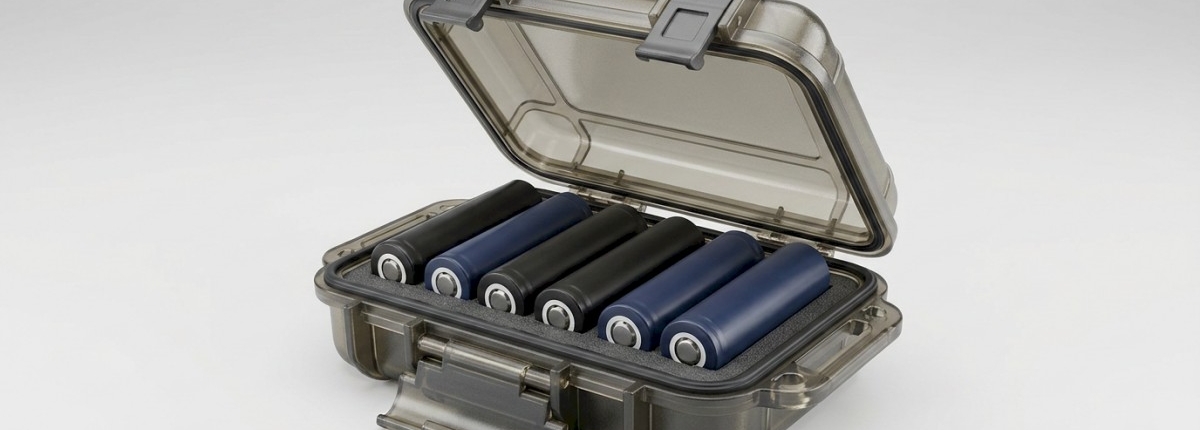
Are 18650 Batteries Safe?
When used within their specifications, 18650 cells are safe. The biggest risks arise from:
- Physical damage – puncturing or crushing a cell can breach the separator, causing an internal short.
- Over‑charging or over‑discharging – both can lead to thermal runaway.
- Improper modification – removing the protective vent or tampering with the internal circuitry drastically raises the chance of fire.
Explosions and Fires
Thermal runaway occurs when a cell’s temperature rises faster than it can dissipate heat, causing a chain reaction that can lead to fire or explosion. Common triggers include:
- Charging a damaged cell.
- Short‑circuiting the terminals.
- Excessive current draw that heats the cell beyond safe limits.
If a cell shows swelling, leakage, or unusual heat, retire it immediately.
Air Travel Rules
Airlines generally allow up to 2 Wh per cell for spare lithium‑ion cells in carry‑on luggage, but many carriers make an exception for larger cells like 18650s if they are properly protected (e.g., with a manufacturer‑approved case) and declared at security. Shipping 18650s as cargo usually requires compliance with IATA’s Dangerous Goods Regulations.
Mixing Cells
Never mix cells of different capacities, chemistries, or ages in the same pack without a robust BMS that can balance them. Mismatched cells can cause one to over‑charge while another is still low, leading to premature failure.
Disposal and Recycling
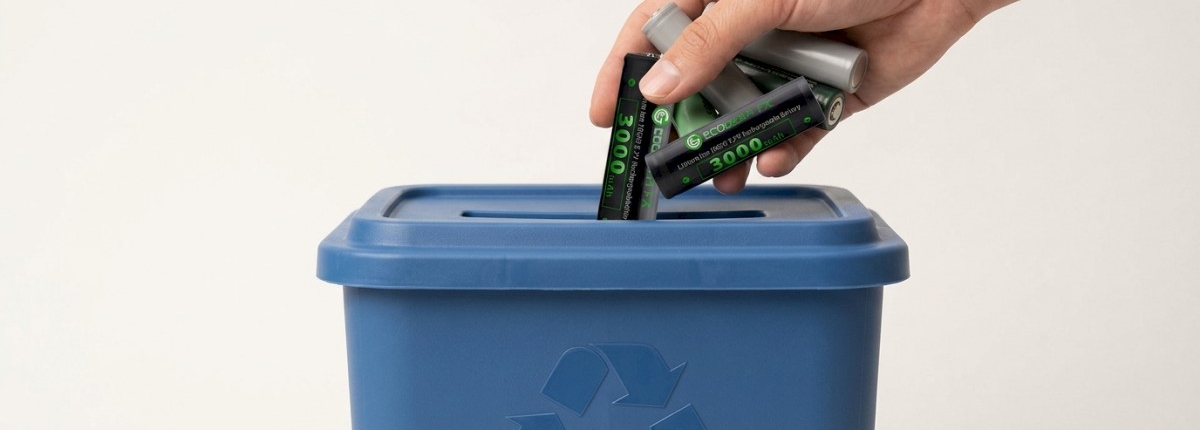
Lithium‑ion cells should never be thrown in the trash. Most municipalities have dedicated recycling programs for batteries. When disposing:
- Discharge the cell completely (to ~0 V) using a resistor or a dedicated discharge device.
- Place the cell in a non‑conductive container (plastic bag) to prevent accidental shorting.
- Take it to a certified recycler – many electronics retailers (e.g., Best Buy, Home Depot) accept lithium‑ion batteries.
Recycling recovers valuable metals like cobalt, nickel, and lithium, reducing environmental impact and the need for new mining.
Frequently Asked Questions
What is the nominal voltage of an 18650?
- Most 3.6 V or 3.7 V cells have a nominal voltage of 3.6‑3.7 V, while LiFePO₄ versions sit at 3.2 V.
Can I charge an 18650 with a USB charger?
- Only if the charger is explicitly designed for 18650 cells. Standard USB ports provide 5 V, which is insufficient for the full 4.2 V charge and may damage the cell.
How many cycles will an 18650 last?
- High‑quality cells typically endure 500‑1,000 full cycles before capacity drops below 80 %.
What does a “flat‑top” 18650 mean?
- Flat‑top cells have a flattened positive terminal, making them easier to spot‑weld and often indicating a higher‑capacity, high‑energy design.
Is it okay to store 18650s at 100 % charge?
- For long‑term storage (months), keep cells at about 40 %–60 % charge and store them in a cool, dry place (15‑20 °C).
Conclusion
The 18650 battery is a versatile, high‑energy cell that powers countless devices we rely on daily. Understanding its voltage range, capacity limits, charging requirements, and safety considerations empowers you to make informed choices—whether you’re buying a spare for a flashlight, building a high‑current power‑tool pack, or simply wanting to keep your vape safe. Treat each cell with respect, use a proper charger, and never ignore a warning sign like swelling or excessive heat. By following the guidelines outlined here, you’ll get the most performance and longest life out of every 18650 you own.
Key Takeaways
- 18650 cells deliver 3.6‑3.7 V nominal voltage (Li‑NMC/NCA) or 3.2 V (LiFePO₄) and charge up to 4.2 V.
- Capacity ranges from 2,500 mAh to 4,350 mAh; expect 10‑20 % loss after 500 cycles.
- Use a CC/CV charger, never exceed the recommended current, and keep temperature between 0 °C‑45 °C.
- Protect packs with a BMS to prevent over‑charge, over‑discharge, and over‑current events.
- Dispose of spent cells responsibly by fully discharging and taking them to a certified recycler.