

Top 10 Essential Survival Gear for Outdoor Adventures
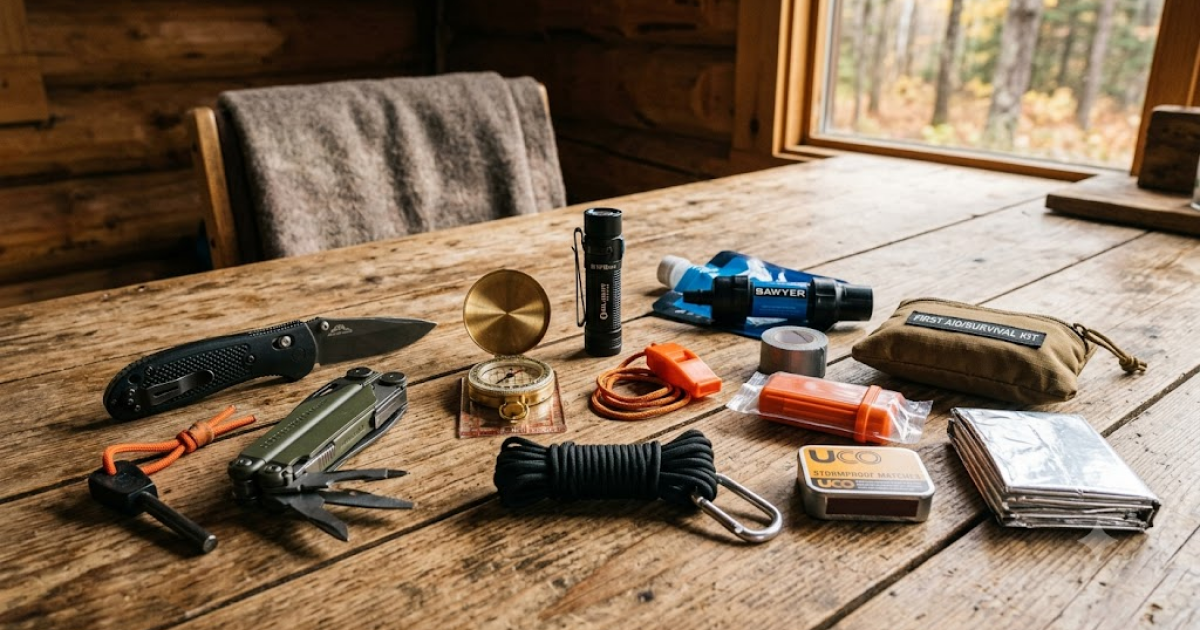
There’s something magnetic about the call of the wild—crisp air, towering pines, and the promise of uncharted terrain. For many outdoor enthusiasts, the thrill of stepping off the beaten path is balanced by a healthy respect for the elements. That respect starts with the right gear. In this guide we’ll break down the top 10 essential survival items that every adventurer should pack, explaining why each piece matters, how to choose the best version, and tips for using it effectively. By the end you’ll have a solid checklist that keeps you comfortable, safe, and confident on any trail, backcountry campsite, or emergency detour.
1. Reliable Fire Starter
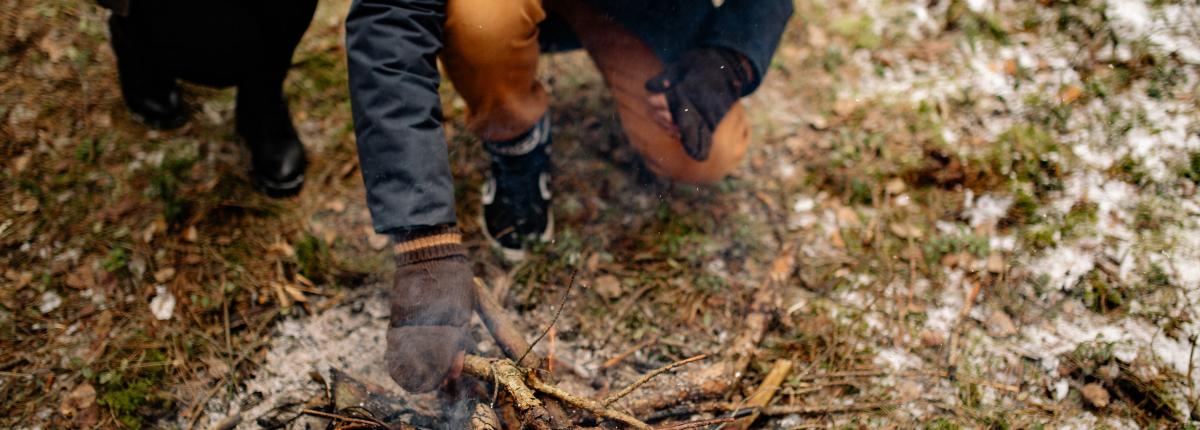
When the temperature drops or you need to signal for help, fire is your lifeline. A good fire starter does more than light a match; it should work in damp conditions, be easy to use with one hand, and produce a long‑lasting ember. Magnesium fire starters are a favorite because you can shave the magnesium into a fine powder, ignite it with a built‑in striker, and the resulting flame burns hot enough to ignite wet tinder. For those who prefer simplicity, waterproof matches (often stored in a sealed tin) provide a familiar, low‑tech option that works in rain if kept dry. Ferrocerium rods, or “ferro rods,” generate sparks at temperatures over 2,500°F and work even when the weather is bitterly cold.
When selecting a fire starter, look for a compact design that fits in a side pocket, a stainless‑steel housing to resist corrosion, and a built‑in striker to avoid extra tools. Pair your starter with a small stash of cotton balls soaked in petroleum jelly; this tinder lights instantly and burns long enough to get larger kindling going. Practicing fire‑starting techniques before you head out is essential—muscle memory can make the difference between a quick blaze and a frustrating, cold night.
2. High‑Performance Shelter
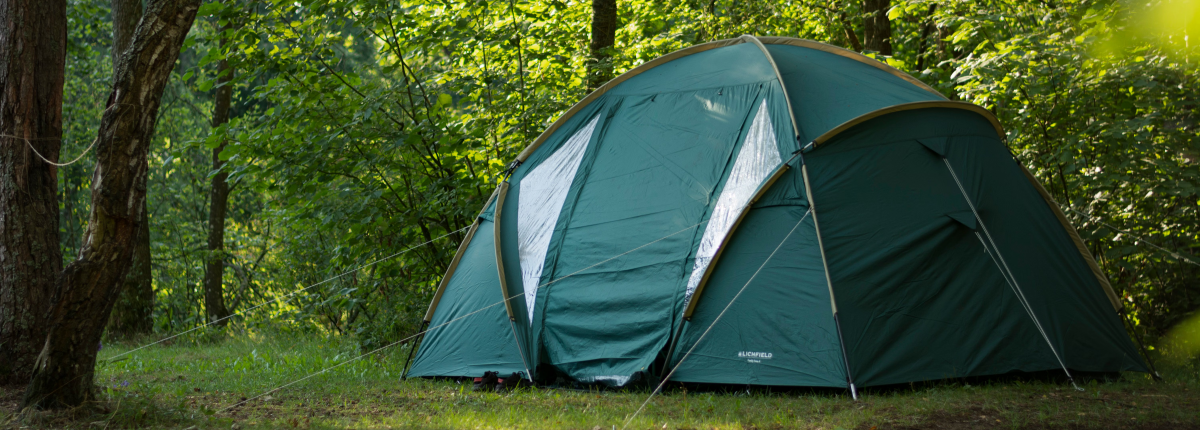
Even the most seasoned hikers can be caught out by an unexpected storm. A lightweight, weather‑proof shelter is the second most critical item after fire. Modern shelters range from ultra‑compact bivy sacks to larger four‑season tents with double walls and reinforced poles. For solo backpackers, a bivy sack or ultralight tarp can be a game‑changer: it provides protection from wind and rain while adding minimal weight (often under 500 g). If you’re venturing into high‑altitude or snowy terrain, a four‑season tent with a sturdy framework, a full‑coverage rainfly, and a vestibule for gear storage is worth the extra ounces.
Key features to watch for include a hydrostatic head rating of at least 1,500 mm for rain protection, a pole structure that can withstand wind gusts over 30 mph, and a compact packed size that fits in your main pack without compromising other gear. Practice setting up your shelter at home—muscle memory ensures you can pitch it quickly in a downpour, when fatigue sets in, or even in the dark.
3. Water Purification System

Staying hydrated is non‑negotiable, but drinking untreated water can lead to gastrointestinal illness that ruins any adventure. The ideal water purification system combines speed, reliability, and versatility. Portable filtration pumps (such as those with a 0.2‑micron hollow‑fiber filter) can clear up to 2 L per minute and handle sediments, making them perfect for river runs. For lighter loads, ultrafiltration straw filters let you sip directly from a stream, providing immediate access with minimal weight.
If you’re concerned about viruses—common in tropical or high‑altitude lakes—add a chemical treatment like chlorine dioxide tablets or a UV purifier (e.g., a handheld UV wand) as a secondary line of defense. Always carry a small bottle of electrolyte powder; rehydrating with electrolytes prevents hyponatremia, especially on long treks. Remember to pre‑filter visible debris with a cloth or small mesh before running water through any system to extend filter life.
4. Multi‑Tool or Survival Knife
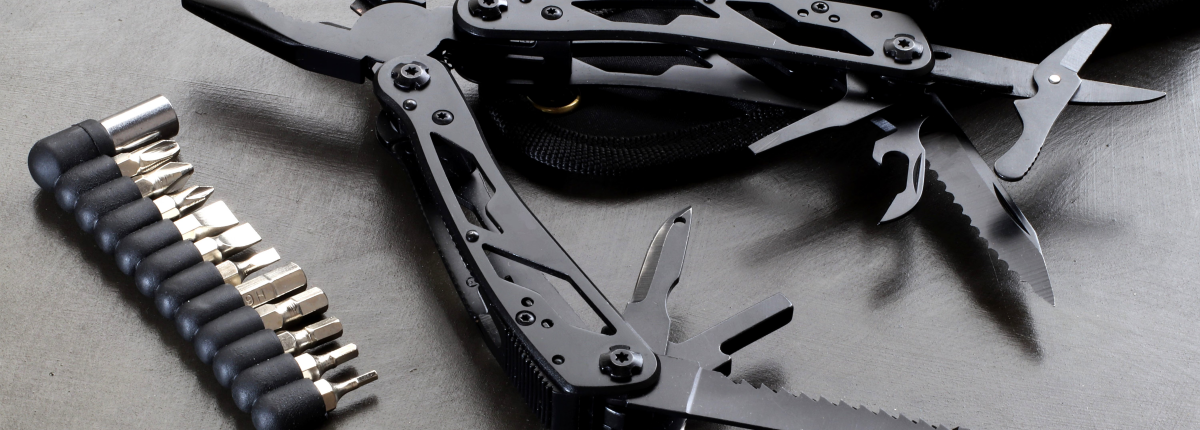
A multi‑tool is the Swiss Army knife of the backcountry—compact, versatile, and indispensable for countless tasks. Look for a model with a high‑carbon stainless steel blade, a saw, pliers, wire cutter, corkscrew, and scissors. The Leatherman Wave or Victorinox SwissTool are popular for their durability and ergonomic design. If you prefer a single blade, a full‑tang survival knife (minimum 4 inches) with a drop‑point edge provides reliable cutting power for food prep, shelter building, and emergency rescue.
A good knife should have a gripping sheath that doubles as a fire‑starter platform, and a guard to protect your hand during heavy-duty cuts. Some knives incorporate a built‑in whistle or emergency screwdriver, adding extra utility without extra weight. Keep the blade sharp; a dull edge is more dangerous because it requires more force, increasing the risk of slips.
5. Navigation Kit
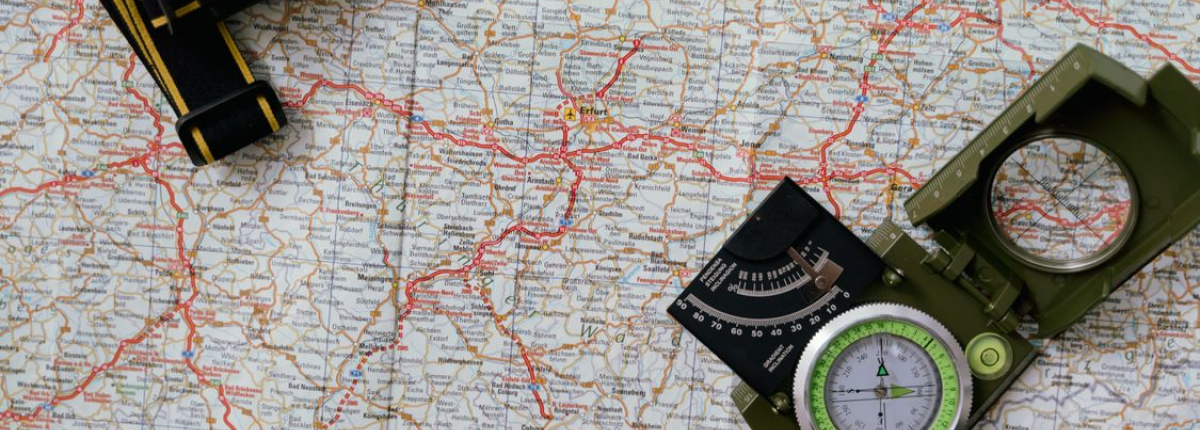
Even with GPS on your phone, a redundant navigation system is essential. A topographic map of your region, paired with a compass, provides reliable orientation when batteries die or signal is lost. Choose a baseplate compass with a rotating bezel, a sighting mirror, and a global needle for use in any hemisphere. For added precision, a handheld GPS unit (such as a Garmin eTrex) offers waypoint storage, altitude data, and a two‑tone audible alert for off‑track warnings.
When planning a trip, download offline topo maps onto your phone or GPS device, and print a paper copy as a backup. Practice basic navigation skills—taking a bearing, triangulating your position, and reading contour lines—before you head out. Knowing how to navigate without electronics can be a lifesaver when storms knock out satellite signals.
6. First‑Aid Kit
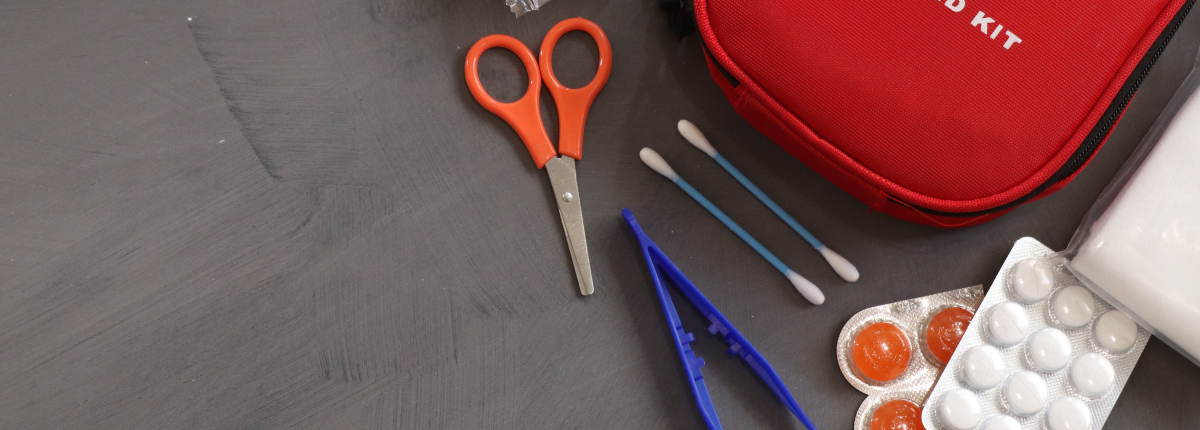
Accidents happen, and a well‑stocked tactical IFAK pouch is perfect for a first‑aid kit and it can mean the difference between a minor scrape and a serious medical emergency. Your kit should be lightweight yet comprehensive, fitting into a dedicated pouch that’s easily accessible. Core items include:
- Adhesive bandages (various sizes) and sterile gauze pads
- Antiseptic wipes and antibiotic ointment
- Elastic bandage for sprains
- Pain relievers (ibuprofen or acetaminophen)
- Antihistamine tablets for allergic reactions
- Tweezers, scissors, and a safety pin
- CPR face shield
- Emergency blanket (also doubles as a shelter component)
Tailor the you IFAK kit to your destination: add antibiotic eye drops for high‑altitude lakes, antidiarrheal medication, or insect bite relief for tropical zones. Periodically check expiration dates and replace used items.
7. Flashlight or Emergency Signaling Device
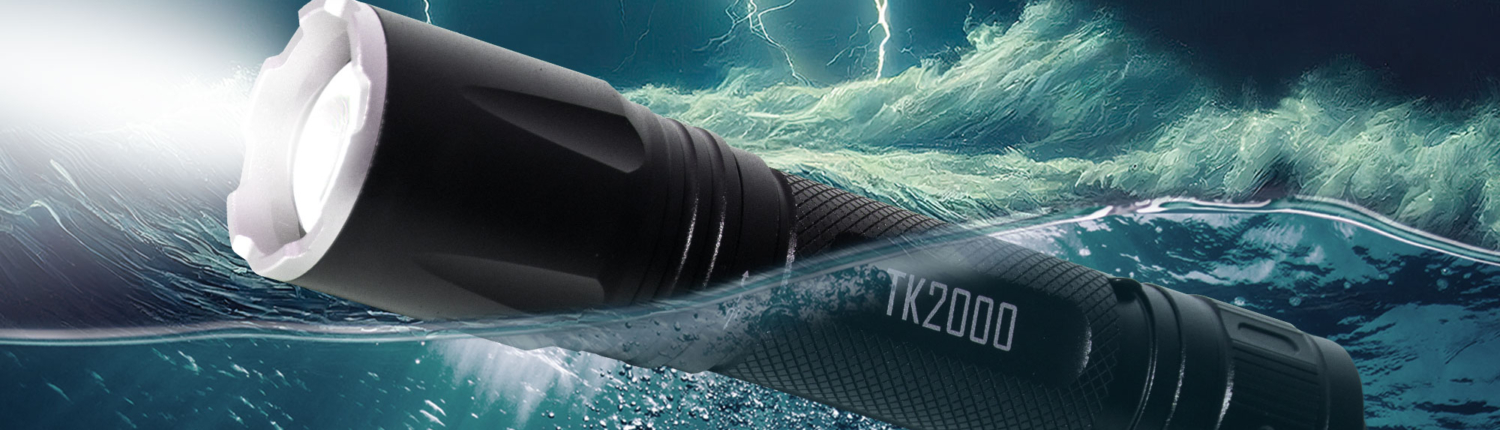
If you’re lost or need rescue, getting noticed quickly can save lives. An emergency whistle (preferably a Peacock or Luminox model) produces a sound that carries up to 4 km, far louder than a shout. Pair it with a signal mirror—the reflected sunlight can be seen from several miles on a clear day. For night emergencies, a compact rechargeable LED flashlight with a strobe light or SOS light offers a bright, flashing signal.
Some multi‑tools incorporate a built‑in whistle, and many modern satellite messengers (like the Garmin inReach) include an SOS button that contacts emergency services via satellite. Even if you don’t carry a satellite device, a simple flare (single‑use or rechargeable) is an excellent backup for low‑visibility conditions.
8. Nutrition Pack (Food & Snacks)
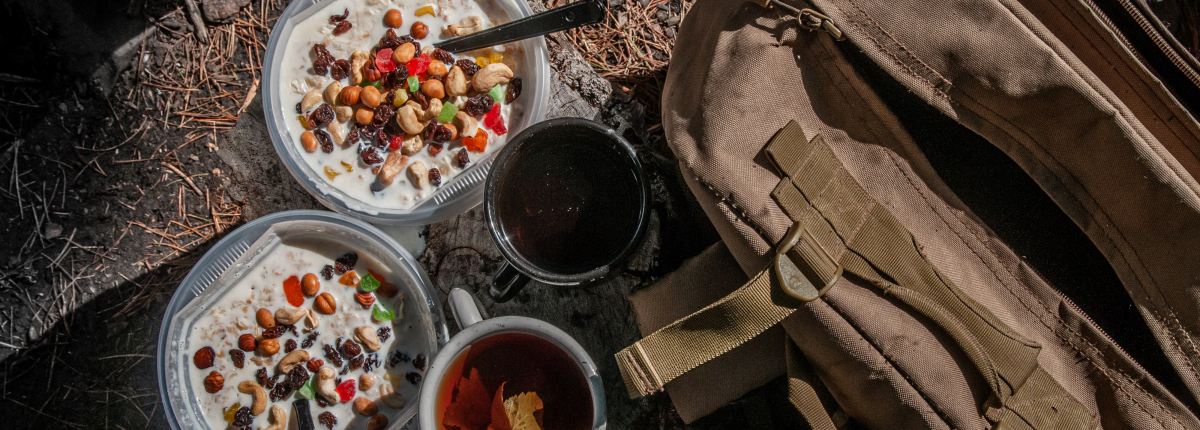
Fueling your body is just as crucial as staying warm and dry. Choose calorie‑dense, non‑perishable foods that require minimal preparation. Dehydrated meals (e.g., Mountain House or Good To-Go) provide balanced nutrition, while energy bars, trail mix, and nut butter packets supply quick spikes of energy. For longer trips, consider freeze‑dried fruits and electrolyte drink mixes to maintain hydration and replenish minerals.
Pack food in re-sealable, airtight bags to keep critters out and preserve freshness. A lightweight stove (such as an alcohol canister or a solid‑fuel stove) pairs with a compact pot for boiling water—a simple way to rehydrate meals and sterilize water if you’re short on purification tools. Remember the 3‑hour rule: consume at least 300–400 calories per hour of moderate activity to avoid fatigue.
9. Insulating Layer (Clothing)

Proper clothing management is the cornerstone of wilderness safety. The three‑layer system—base layer, insulating layer, and shell—allows you to adapt to changing conditions. For the insulating layer, a down or synthetic jacket with a fill power of 600+ (down) or a hydrophobic synthetic fill provides warmth without bulk. Synthetic insulation remains effective when damp, making it a versatile choice for wet climates.
Invest in merino wool base layers for moisture‑wicking and odor resistance, and a hard‑shell jacket with a high hydrostatic head rating for rain protection. Convertible pants with zip‑off legs add flexibility, and always carry a warm hat, gloves, and neck gaiter. The key is layering: you can shed or add pieces without overheating or becoming chilled.
10. Hiking or Tactical Backpack with Integrated Features
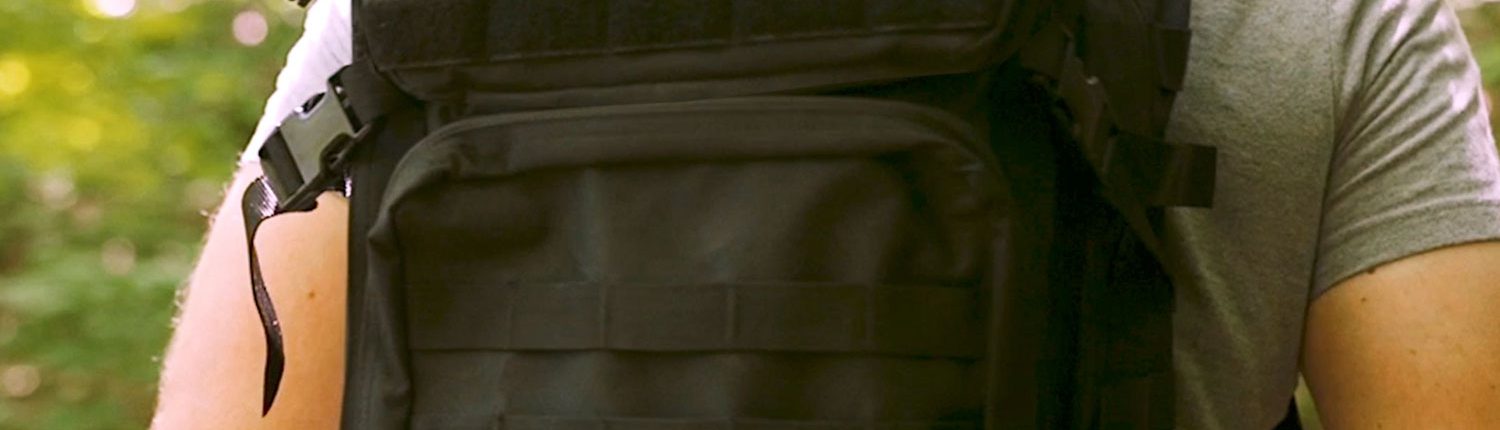
All of the gear above needs a home, and a hiking or tactical backpack with plenty of storage space makes a massive difference in comfort and accessibility. Look for a pack with a frame (internal or external) that distributes weight evenly and offers multiple access points (front, side, and top) for quick retrieval of essential items like a map, water, or first‑aid kit.
A good pack should have compression straps, a hip belt with padding, and adjustable torso length to fit your body geometry. Aim for a pack size that matches your trip length: 30–40 L backpack for weekend trips, 50–70 L backpack for multi‑day expeditions.
Putting It All Together: A Sample Packing List
Below is a concise example of how the ten essentials can be organized within a 45‑liter backpack for a three‑day backcountry trek:
- Day 1: Fire starter (magnesium rod), bivy sack, water filter pump, multi‑tool, topographic map, compass, first‑aid pouch, emergency whistle, LED flashlight, energy bars, merino base layer, down jacket, 30‑L pack.
- Day 2: Add a compact stove, dehydrated meals, electrolyte powder, spare batteries for GPS, insulated water bottle, spare gloves, rain cover.
- Day 3: Re‑pack used items, keep emergency signaling device at top, ensure water purification system is clean, perform final gear check before exit.
By arranging items by frequency of use—high‑access zones for fire starter, navigation, and first aid—you reduce the time spent fumbling in the dark or during a storm.
Maintenance Tips for Longevity
Investing in high‑quality gear is only half the battle; proper maintenance extends its life and reliability. After each trip:
- Clean and dry all fabric items (tents, bivy sacks, clothing) to prevent mildew.
- Inspect metal components (knife, multi‑tool, fire starter, flashlight) for rust; apply a thin coat of oil if needed.
- Flush water filters with clean water and store them dry to avoid bacterial growth.
- Recharge or replace batteries in electronic devices (GPS, LED flashlight) before the next outing.
- Re‑pack using the original compartments to preserve the integrity of the bag’s structure.
Regularly testing your equipment—striking the fire starter, setting up the shelter, or navigating a short loop—keeps skills sharp and gear ready.
Conclusion
Being prepared isn’t about carrying a mountain of gear; it’s about selecting the right tools that complement each other, keep you lightweight, and enhance safety. The ten items outlined—fire starter, shelter, water purifier, multi‑tool, navigation kit, first‑aid kit, signaling device or flashlight, nutrition pack, insulating layer, and a functional backpack—form a solid foundation for any outdoor adventure. Tailor the specifics to your climate, terrain, and trip length, and you’ll walk into the wilderness with confidence, ready to tackle whatever nature throws your way.
Remember, the best gear is only as good as the knowledge you have about it. Practice, maintain, and respect the equipment, and it will serve you faithfully for countless adventures to come.
> More info on Ultimate Camping Essentials Checklist