

The Ultimate Camping Essentials Packing Checklist
There’s something magical about waking up to the sound of birds, the scent of pine, and a sky full of stars. Yet, that magic can quickly turn into a nightmare if you forget a crucial item. Whether you’re a seasoned backpacker or a weekend warrior, having a reliable packing checklist is the secret sauce to a smooth, enjoyable camping experience. In this guide, we’ll walk through the ultimate camping essentials packing checklist, breaking down everything from shelter and sleep systems to food, safety, and comfort items. By the end, you’ll have a ready‑to‑print list that you can tweak for any type of trip—car camping, backcountry, or a family outing.
Key Points
- A complete gear list ensures you’re prepared for any weather or terrain.
- Prioritize lightweight, multi‑purpose items to keep your pack manageable.
- Safety and first‑aid essentials are non‑negotiable for a worry‑free trip.
Shelter and Sleeping System
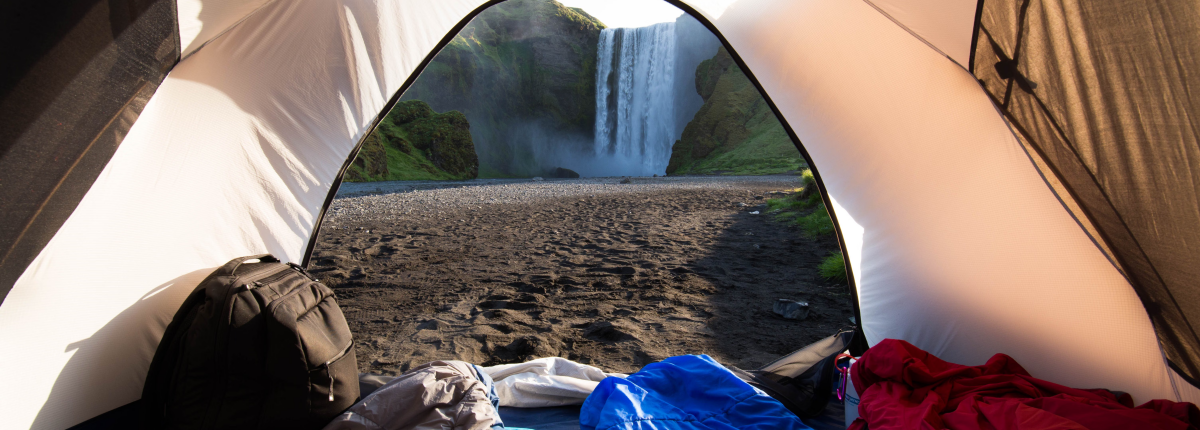
Your shelter is the foundation of any camping trip. A sturdy, weather‑appropriate tent protects you from the elements and gives you a private space to unwind. When selecting a tent, consider the season rating (3‑season for most conditions, 4‑season for alpine or heavy snow), capacity (choose one size larger than your group for comfort), and weight (especially important for backpacking). A simple checklist for shelter includes:
- Tent – double‑check stakes, guylines, rainfly, and pole sleeves.
- Footprint or groundsheet – extends the life of your tent floor and adds insulation.
- Sleeping bag – match the temperature rating to the lowest night temps you expect; down for light weight, synthetic for moisture resistance.
- Sleeping pad – inflatable or closed‑cell foam; adds cushioning and insulation from the cold ground.
- Pillow or stuff sack filled with clothes – a small comfort that improves sleep quality.
Even if you’re car camping and can afford a bulkier setup, the same principles apply: ensure your tent is fully functional, bring extra guylines, and don’t forget a tarp for additional rain protection or a communal cooking area.
Clothing: Layering for Comfort and Safety
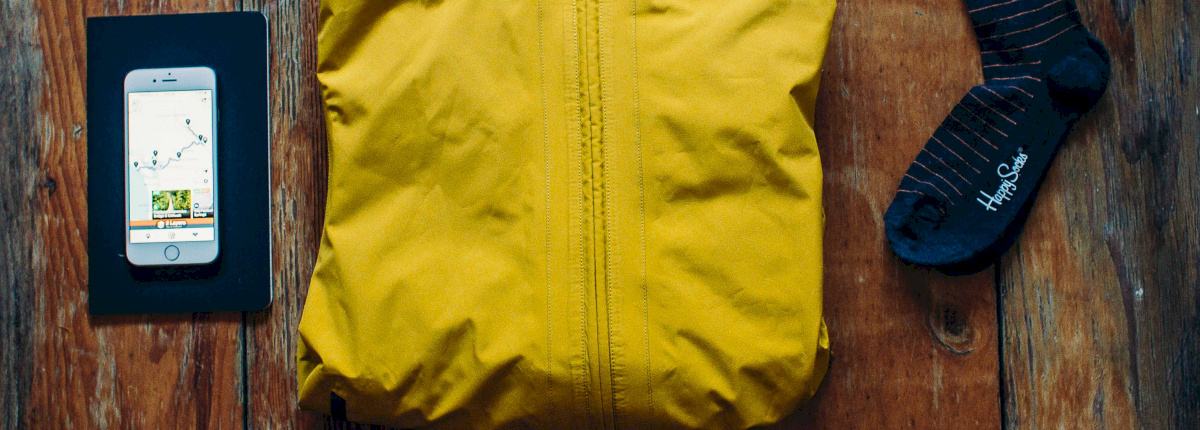
Clothing is where the art of layering shines. The three‑layer system—base, insulating, and outer shell—lets you adapt to fluctuating temperatures and activity levels. Start with a moisture‑wicking base layer (synthetic or merino wool) to keep sweat away from your skin. Add an insulating layer like a fleece or down jacket for warmth, then top it off with a waterproof, breathable shell for wind and rain.
Don’t forget these specifics:
- Extra underwear and socks – quick‑dry fabrics prevent blisters.
- Hat and gloves – a warm beanie and insulated gloves are essential even in mild climates.
- Sun protection – a wide‑brim hat and UV‑blocking sunglasses.
- Footwear – sturdy hiking boots for rugged terrain, plus camp shoes (sandals or lightweight sneakers) for around camp.
Pack at least one change of clothes for each night, plus an extra set in case of unexpected rain. Rolling clothing instead of folding saves space and reduces wrinkles.
Cooking and Food Supplies
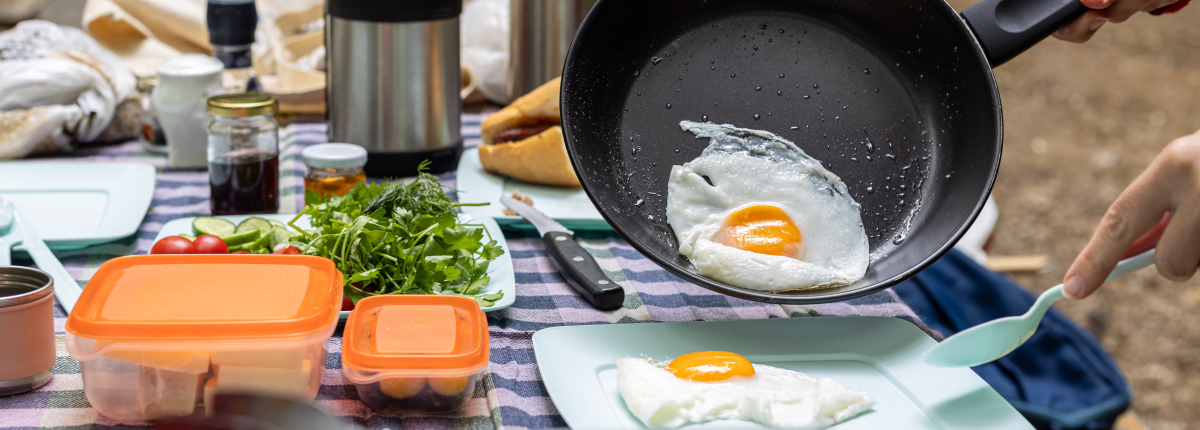
Food can make or break a camping trip. Planning meals ahead of time not only saves weight but also reduces the stress of figuring out what to eat in the middle of the woods. Here’s a solid framework for your cooking checklist:
- Stove – canister, liquid fuel, or wood‑burning, depending on regulations and personal preference.
- Fuel canisters – bring an extra for longer trips; store in a cool, ventilated area.
- Cookware – a lightweight pot, a pan, and a lid; some people use a single pot for both cooking and water boiling.
- Utensils – spork, ladle, and a multi‑tool knife.
- Food – dehydrated meals, instant oatmeal, trail mix, energy bars, and fresh snacks like fruit. Aim for a balanced mix of carbs, protein, and fats.
- Water treatment – filter, chemical tablets, or UV purifier; never rely solely on natural sources.
- Cleaning supplies – biodegradable soap, a small scrubber, and a trash bag for waste.
If you’re car camping, you can bring a larger cooler with ice packs for perishable items. For backpacking, focus on high‑calorie, low‑weight foods that require minimal preparation.
Navigation and Tools
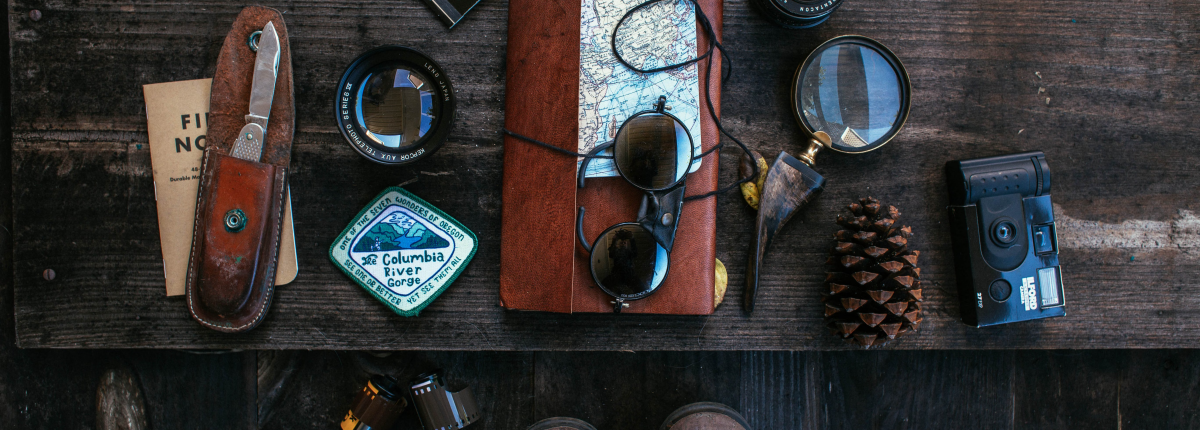
Even if you’re heading to a well‑marked campground, navigation tools are a must‑have. Technology can fail, so having a backup is wise.
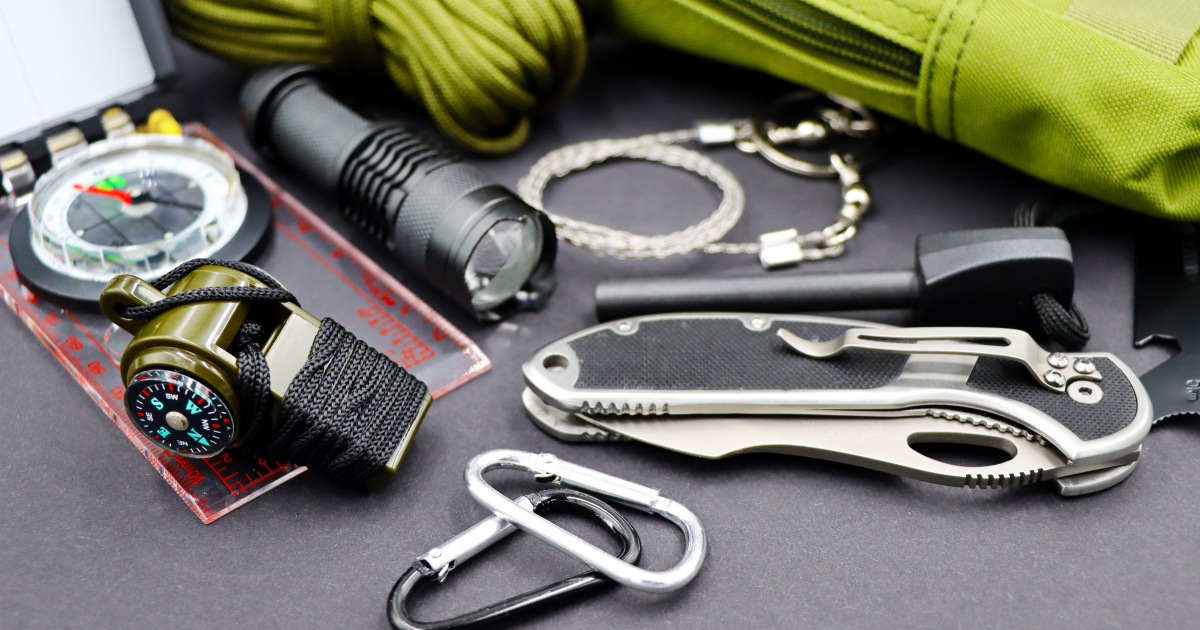
- Map and compass – learn basic map reading skills; a compass never needs batteries.
- GPS device or smartphone with offline maps – ensure it’s fully charged and consider a portable power bank.
- Multi‑tool or knife – handy for gear repairs, food prep, and emergencies.
- LED flashlight – bring a compact rechargeable LED flashlight with extra batteries.
- Fire-starting kit – waterproof matches, lighter, and firestarter material. Even if you plan to use a stove, fire can be useful for warmth or morale.
Pack these items in an easily accessible pocket of your daypack or in a dedicated “gear” pouch.
Safety and First Aid
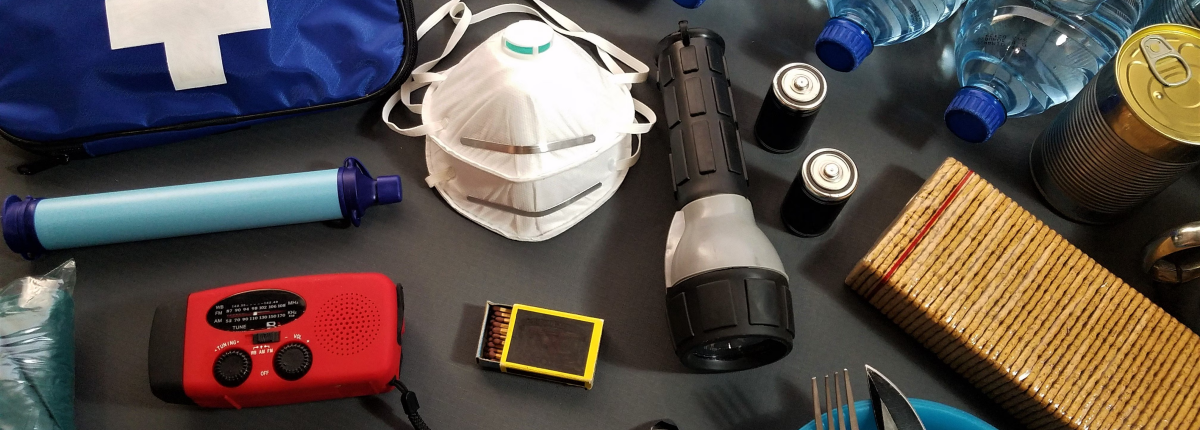
Accidents happen, and being prepared can turn a minor mishap into a non‑issue. A compact, well‑stocked first‑aid kit should be part of every camper’s checklist.
- Bandages, gauze, and medical tape – assorted sizes for cuts and blisters.
- Antiseptic wipes and antibiotic ointment – keep wounds clean.
- Pain relievers and antihistamines – ibuprofen or acetaminophen, plus allergy medication if needed.
- Personal medications – include a copy of prescriptions and a small emergency supply.
- Snake bite kit or insect repellent – depending on the region.
- Emergency whistle and signal mirror – for attracting attention if you get lost.
- Emergency blanket or bivy sack – lightweight heat retention.
Take a few minutes before you depart to review the kit and make sure everything is within expiration dates.
Personal Hygiene and Comfort
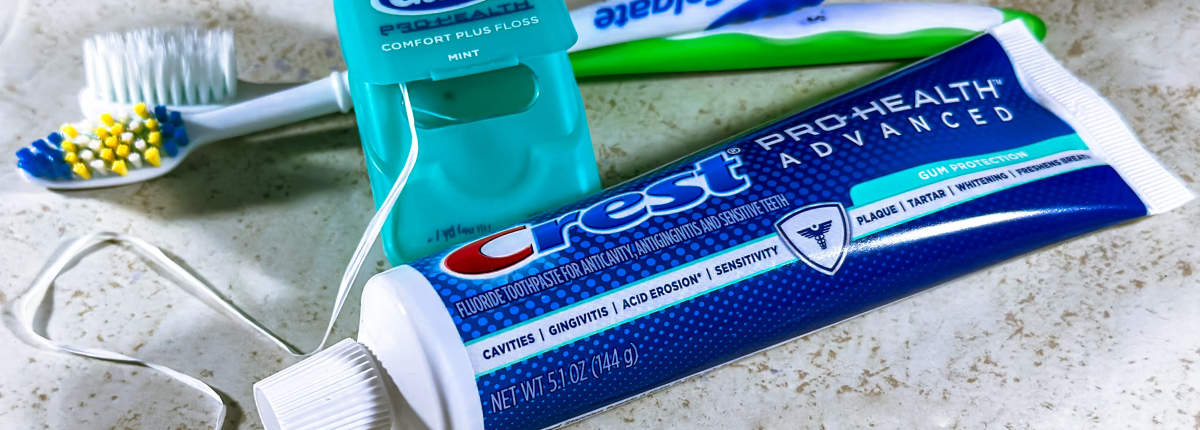
Staying clean may feel low‑priority when you’re outdoors, but proper hygiene prevents illness and keeps morale high.
- Toilet paper and a small trowel – follow Leave No Trace principles by burying waste at least 6 inches deep, 200 feet from water sources.
- Biodegradable soap – for washing dishes and a quick body rinse.
- Toothbrush, toothpaste, and floss – oral hygiene matters even in the backcountry.
- Quick‑dry towel – compact and useful for both personal cleaning and spills.
- Sunblock and lip balm with SPF – protect skin from UV damage.
- Hand sanitizer – keep hands clean when water is scarce.
Comfort items like a small camp chair, a lightweight hammock, or a book can elevate the experience, especially on longer trips.
Electronics and Documentation
In today’s connected world, a few electronic items can enhance safety and enjoyment, but they also add weight and require power management.
- Phone and charger – keep a power bank handy; consider a solar charger for extended trips.
- Camera or action cam – capture memories, but remember to protect it from moisture.
- Trip permits and identification – some parks require reservations, fire permits, or proof of vaccinations.
- Cash and cards – for campsite fees or emergency purchases.
If you’re venturing into areas with limited cell service, a satellite messenger or personal locator beacon (PLB) can be a lifesaver.
Packing Strategies and Weight Management
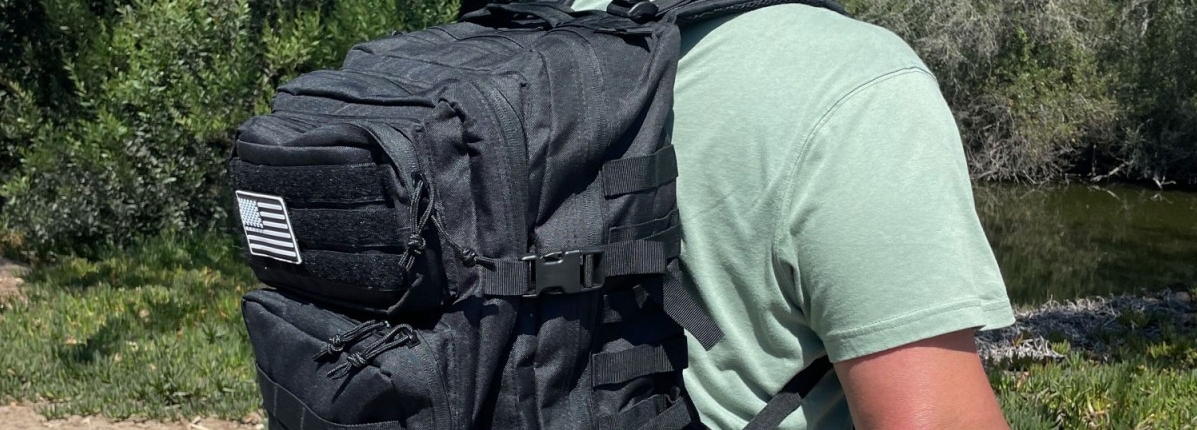
The best checklist is useless if you can’t fit everything into your bag or backpack. A 40-50 liter backpack is a great option as you can carry the bag or use the shoulder straps to carry it on your back.
Follow these packing principles to stay organized and light:
- Categorize items – keep shelter, sleeping gear, cooking, clothing, and personal items in separate sacks or compartments.
- Use compression sacks – especially for sleeping bags and clothing, to reduce bulk.
- Distribute weight evenly – place heavier items (water, stove, food) close to your spine and centered.
- Minimize duplicate tools – a good multi‑tool can replace several single‑purpose items.
- Test backpack before you go – wear the fully loaded backpack and walk a short distance; adjust if it feels unbalanced.
A rule of thumb for backpacking is to keep your pack weight under 20% of your body weight. For car camping, you have more leeway, but organization still matters for quick setup and takedown.
Environmental Responsibility and Leave No Trace

Camping is a privilege, and preserving the wilderness for future generations is essential. Incorporate Leave No Trace (LNT) principles into your checklist:
- Pack out all trash – bring a sturdy trash bag and stick to it.
- Minimize fire impact – use established fire rings, keep fires small, and fully extinguish before leaving.
- Stay on designated trails – protect vegetation and prevent erosion.
- Respect wildlife – store food in bear‑proof containers where required; never feed animals.
- Leave what you find – avoid removing natural objects like rocks or plants.
By planning ahead and following these guidelines, you reduce your environmental footprint and help maintain the natural beauty of the places you love.
Sample Packing Checklist (Printable)
Below is a ready‑to‑print checklist that you can copy into a note‑taking app or print on a sheet of paper. Tick each item as you pack.
Shelter & Sleep
- Tent (stakes, guylines, rainfly)
- Footprint/groundsheet
- Sleeping bag (temperature rating)
- Sleeping pad
- Pillow or stuff sack pillow
Clothing
- Base layer tops & bottoms
- Insulating layer (fleece/jacket)
- Waterproof shell
- Extra socks & underwear
- Hat, beanie, gloves
- Hiking boots & camp shoes
- Sun hat & sunglasses
Cooking & Food
- Stove & fuel
- Pot, pan, lid
- Spork/utensils
- Multi‑tool knife
- Food (dehydrated meals, snacks)
- Water filter/purifier
- Biodegradable soap & scrubber
- Trash bag
Navigation & Tools
- Map & compass
- GPS/phone with offline maps
- Flashlight + extra batteries
- Fire‑starter kit (matches, lighter)
- Multi‑tool
Safety & First Aid
- First‑aid kit (bandages, antiseptic, meds)
- Personal medication
- Insect repellent
- Emergency whistle
- Emergency blanket
Hygiene & Comfort
- Toilet paper & trowel
- Toothbrush, toothpaste
- Quick‑dry towel
- Sunblock & lip balm
- Hand sanitizer
- Camp chair/hammock (optional)
Electronics & Docs
- Phone & charger
- Power bank/solar charger
- Camera (optional)
- Permits, ID, cash
- Satellite messenger/PLB (if needed)
Miscellaneous
- Pack rain cover
- Dry bags for electronics
- 40-50 liter backpack
- Snacks for the trail
- Notebook & pen
Print this list, keep a digital copy on your phone, and adjust it based on the specifics of your trip—whether you’re heading to a desert, a mountain meadow, or a lakeside campground.
Final Thoughts
Creating a comprehensive packing list might feel like a chore, but it’s the cornerstone of a stress‑free camping adventure. By systematically addressing shelter, clothing, food, safety, and environmental stewardship, you eliminate the guesswork and free up mental bandwidth for the real joys of camping—hiking, storytelling around the fire, and stargazing.
Remember, the ultimate camping essentials packing checklist is a living document. After each trip, review what you used, what you didn’t, and what you wish you’d brought. Tweak the list, and over time you’ll develop a personalized, ultra‑efficient packing system that lets you hit the trail with confidence, no matter the destination. Happy camping!
> More info on Camping Essentials Packing