

Best Military Style Tactical Belt Guide – Top Picks & Buying Tips
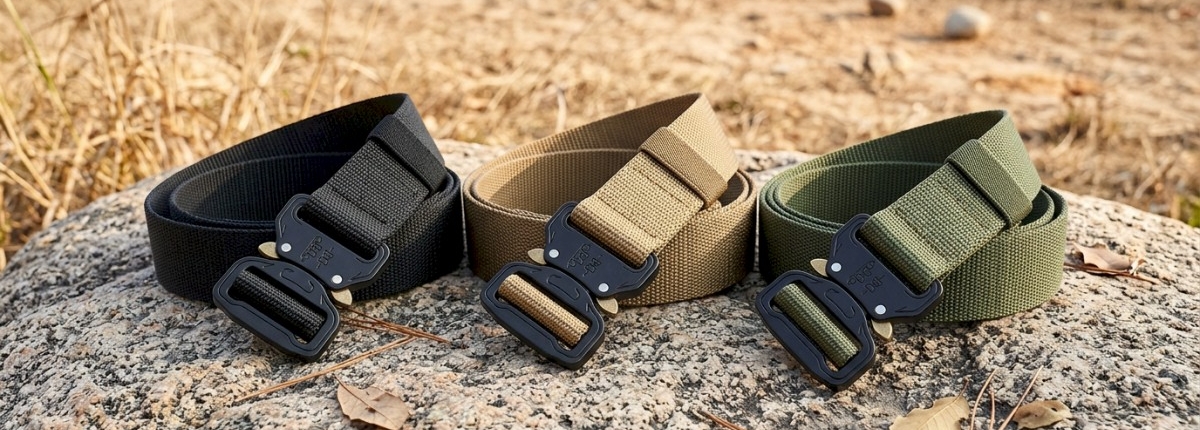
When you think of a military‑style tactical belt, you probably picture a sturdy piece of gear that can hold a flashlight, a holster, a pouch, maybe even a small radio. But the reality is a little more nuanced. A good tactical belt isn’t just about looking tough; it’s about function, durability, and adaptability. Whether you’re heading out on a weekend hike, prepping for an emergency, or simply want a reliable everyday carry (EDC) solution, the right belt can make a massive difference in how efficiently you move and how comfortably you stay equipped.
The modern tactical belt has evolved from the classic webbing used by soldiers in World War II to high‑tech, modular systems that integrate with MOLLE (Modular Lightweight Load‑Carrying Equipment) and other attachment standards. This evolution means today’s consumer market offers a staggering variety of materials, widths, buckle types, and accessory options. Understanding these variables is the first step toward choosing the best military style tactical belt for your needs.
Core Features to Look For
Material Strength and Longevity
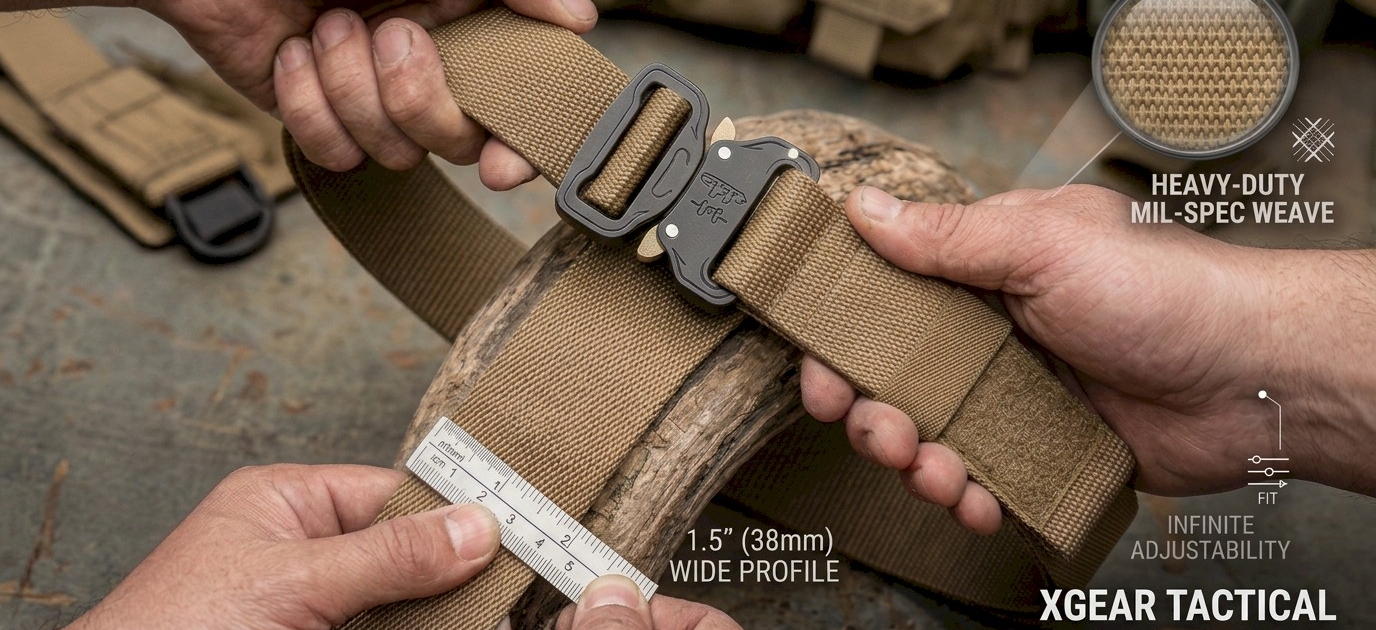
Most tactical belts are constructed from either nylon 1000 D, Cordura, or ballistic nylon. These fabrics are woven tightly to resist tearing, abrasion, and UV damage. Nylon 1000 D is the gold standard for heavy‑duty use because it can handle up to 300 lb of tension before stretching. Cordura, while slightly lighter, offers excellent resistance to cuts and scrapes, making it a favorite among outdoor enthusiasts. Look for a double‑stitched seam and reinforced stitching at stress points such as the buckle and attachment loops.
Width and Fit
Width dictates how much weight a belt can comfortably bear. A 1.5‑inch (38 mm) belt is the sweet spot for most tactical applications: wide enough to distribute load across your hips, yet slim enough to sit under a combat uniform or a regular pair of trousers without causing a bulky silhouette. If you plan to carry a lot of heavy gear—like a large duty pouch or a full magazine carrier—a 2‑inch (50 mm) belt provides extra support.
Buckle Type and Adjustability
The buckle is the heart of any tactical belt. There are three primary styles:
- Quick‑release plastic buckles – lightweight, easy to snap on/off, but can be less durable under extreme stress.
- Metal side‑release buckles – robust and often feature a lever that locks the belt in place, offering a secure fit for heavy loads.
- U‑lock (also called “double‑prong”) buckles – provide the strongest hold and are favored by law‑enforcement and military units for their reliability.
Adjustability is equally important. Look for a ratchet or cam‑buckling system that lets you fine‑tune the fit in millimeter increments. This ensures the belt stays snug during vigorous activity and reduces the risk of the belt loosening when you reach for a tool.
Modular Attachment Options
The hallmark of a tactical belt is its ability to customize. The best belts come with a series of MOLLE loops, PALS (Pouch Attachment Ladder System) rows, and D‑Ring or O‑Ring attachments. These let you add pouches, holsters, flashlight mounts, and even a medic kit without sewing or drilling. Some premium models include a low‑profile rail system that allows you to slide a modular carrier across the belt’s length, keeping your gear centered and balanced.
Top Contenders in the Market
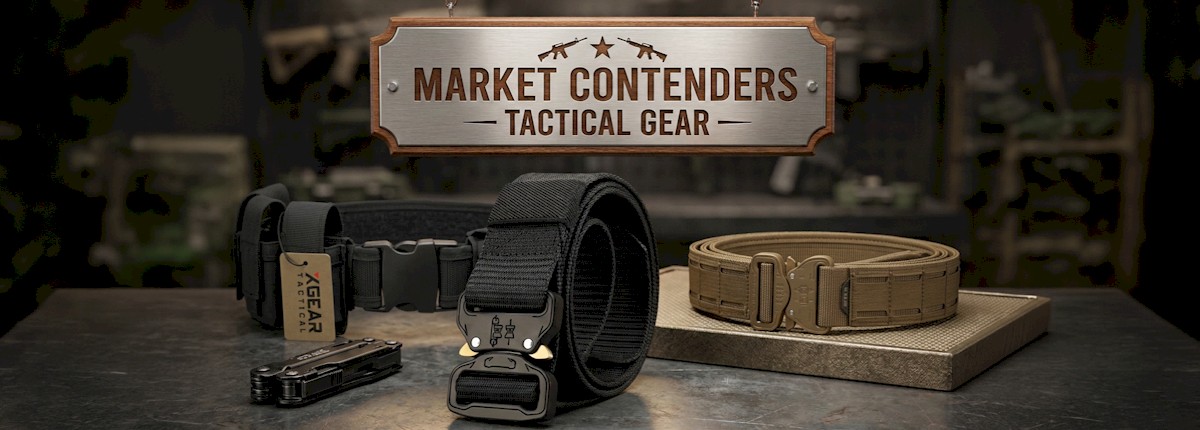
Below is a quick rundown of the most popular tactical belts that consistently rank high among reviewers and field users. While personal preference will always play a role, these models have proven themselves in demanding environments.
1. 5.11 Tactical Maverick Battle Belt – 1.75″ Width
 The Maverick Battle Belt blends lightweight design with high tensile strength. Designed as an inner/outer belt system, the belt features an ergonomic curve for maximum comfort and stability. The inner nylon belt ensures support and fit, while tightly securing the outer belt with a loop face. Strength is priority for the battle belt, as it’s constructed with high-strength laminate on top of a dual nylon webbing.
Pros: Ultra‑durable, easy adjustment, solid accessory platform. Cons: Slightly pricier than entry‑level options.
2. Condor Mil‑Spec Tactical Belt – 2″ Width
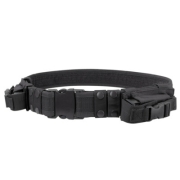 Condor’s Mil‑Spec belt is a favorite among shooters and outdoor adventurers who need extra load‑bearing capacity for attaching gear. Constructed from Cordura 1000 D, it sports a heavy‑duty steel side‑release buckle that locks firmly. The belt’s four large MOLLE panels can accommodate heavy‑duty pouches, accessories, and its reinforced stitching ensures longevity even after repeated heavy loads.
Pros: Excellent load capacity, rugged build, somewhat budget‑friendly. Cons: Slightly bulkier and heavier due to the 2‑inch width.
3. Voodoo Tactical Riggers Belt – 1.5″ Width
 If you’re after a belt that can blend into a civilian wardrobe while still offering military‑grade performance, The Voodoo Tactical Riggers Belt is a solid pick. It offers a V-ring and uses a steel quick‑release buckle that is easy to fasten. This style of belt performs well and is perfect for military and has found a home with law enforcement and fire fighters.
Pros: Low‑profile, civilian‑friendly aesthetic, versatile. Cons: V-Ring attachment may not be needed and can become a nuisance.
4. XGear Tactical TB1 Riggers Belt – 1.5″ Width
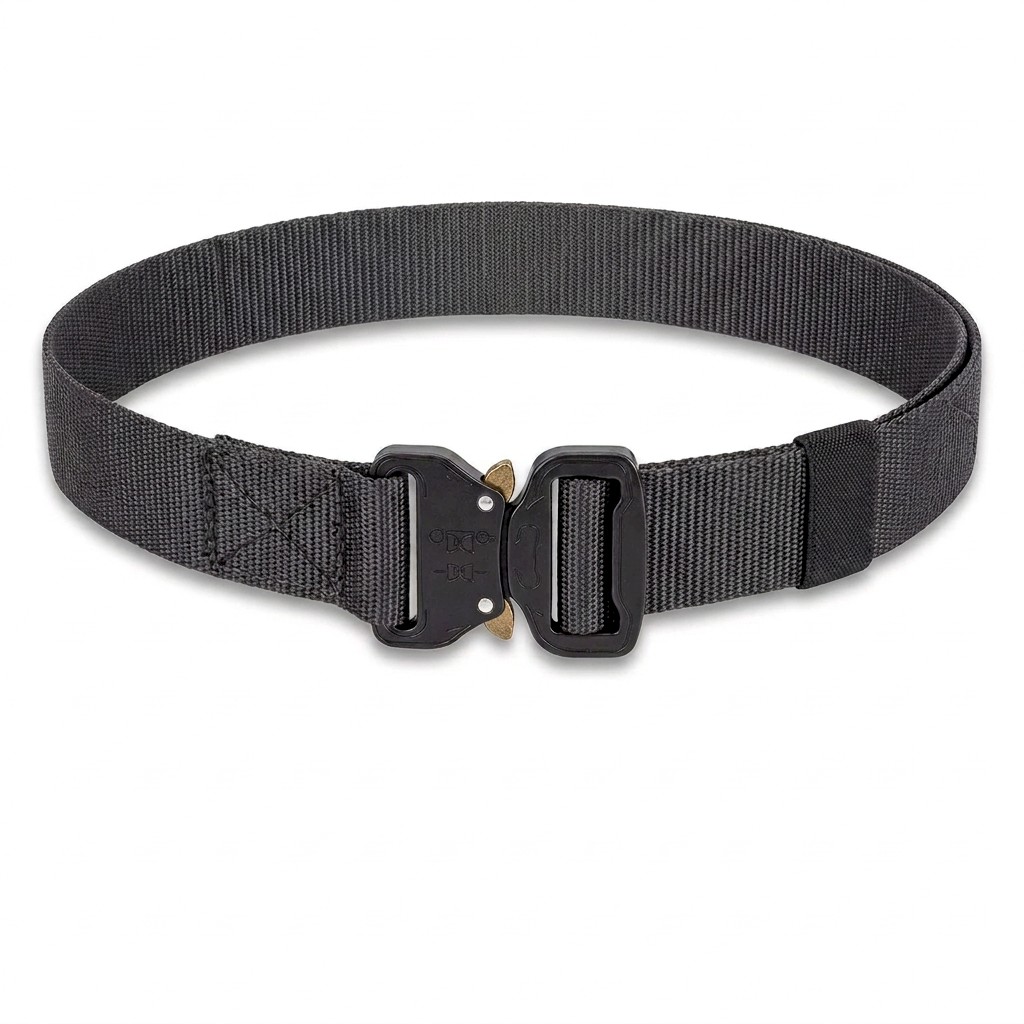 The XGear Tactical XG-TB1 Riggers Belt offers the basic features needed including steel quick‑release buckle with a double‑pin release for added security. It’s constructed of 1000 D Nylon and includes an elastic belt keeper (retainer loop) to secure excessive belt material. You can also add a central rail system that lets you slide a modular carrier across the belt, perfect for balancing heavier gear like a first‑aid kit or large flashlight.
Pros: Superior strength, robust buckle, excellent weight distribution. Cons: No MOLLE system so that is an add-on.
Define Your Primary Use Case
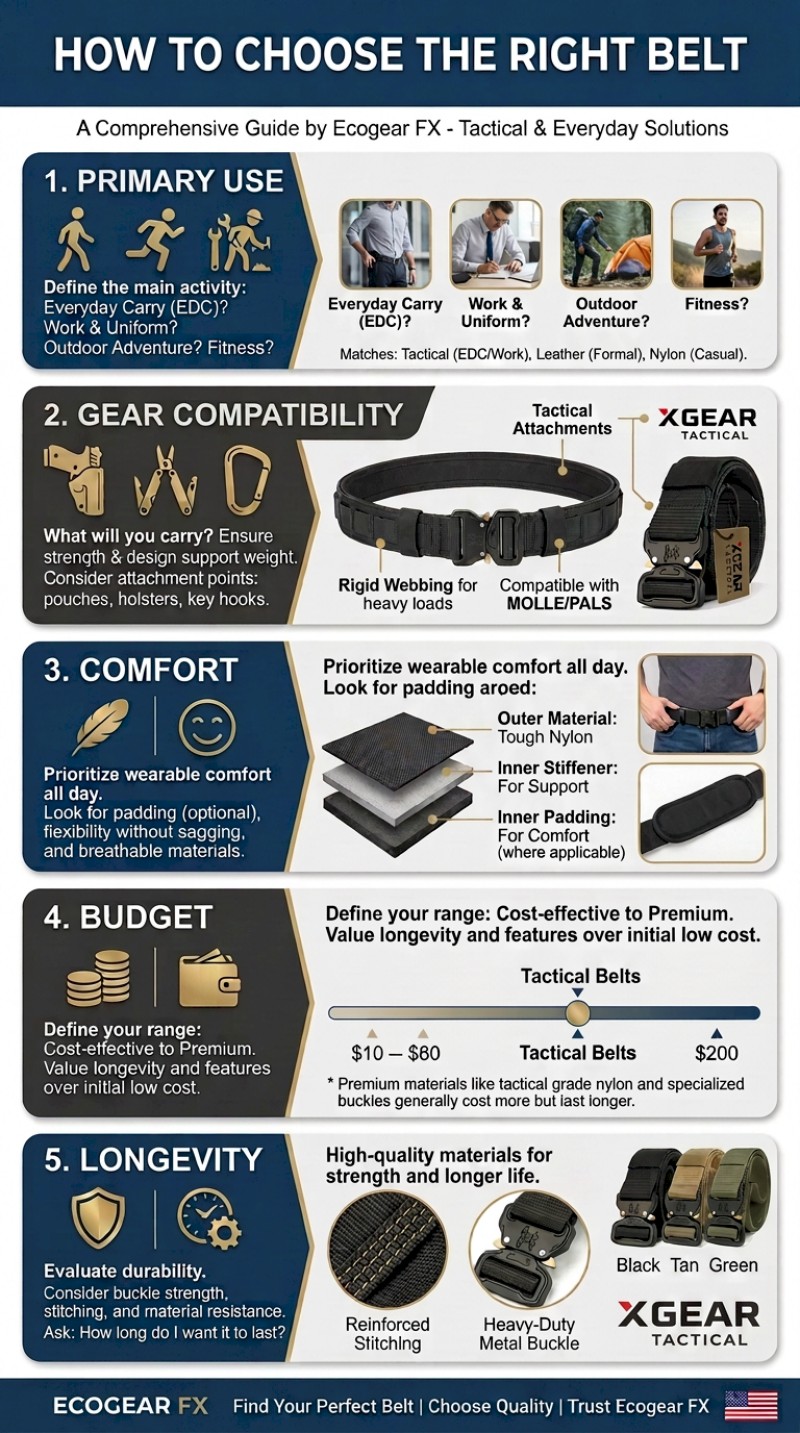
If you’re primarily using the belt for EDC, a 1.5‑inch belt with a quick‑release plastic buckle and a modest number of MOLLE loops will keep your everyday gear (wallet, phone, multitool) accessible without adding bulk. For tactical training, shooting sports, or heavy outdoor excursions, prioritize a 2‑inch width, metal side‑release or U‑lock buckle, and multiple reinforced loops.
Consider Compatibility with Existing Gear
Many users already own a holster, flashlight, or magazine pouch. Check the attachment system of those items—most modern accessories use the standard PALS spacing (5 mm grid). Ensure the belt you select has compatible spacing and enough continuous webbing to accommodate them. If you’re mixing and matching, a belt with full‑length MOLLE will give you the most flexibility.
Test Adjustability and Comfort
A tactical belt should sit snugly on your hips, not ride up or dig in. If possible, try the belt on with the gear you plan to carry. Adjust the buckle while wearing a loaded pouch; the belt should stay put during squats, lunges, and even while climbing. The ratchet or cam‑adjust system is often more precise than traditional holes and can accommodate changes in waist size throughout the day.
Budget vs. Longevity
You’ll find tactical belts ranging from $30 to $150. While cheaper belts can be adequate for light use, they often employ lower‑grade buckles and thinner webbing that may fray after a few months of heavy use. Investing in a mid‑range belt (around $70‑$100) typically provides the best balance of quality materials, robust buckles, and comprehensive modular options.
Maintenance Tips to Extend Belt Life
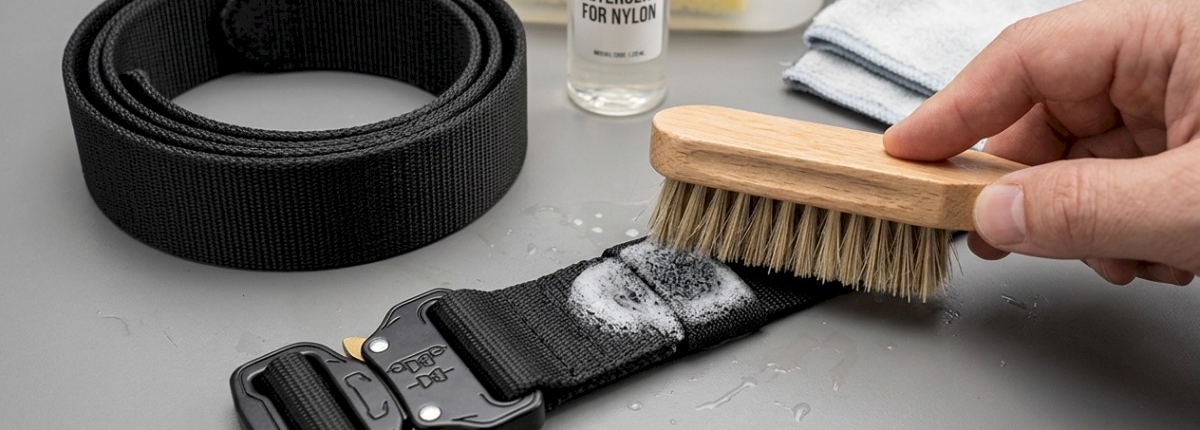
Tactical belts are built to endure harsh conditions, but regular maintenance can keep them performing at peak level. After a muddy trek, rinse the belt with cool water and let it air‑dry; avoid direct heat which can weaken synthetic fibers. For stubborn grime, a mild detergent and soft brush work well—never use bleach, as it degrades nylon. Inspect the stitching and buckle before each use; replace a worn buckle promptly to avoid accidental release during critical moments.
If you store the belt for long periods, loosen it slightly to relieve tension on the fibers. For belts with metal components, a light coat of silicone spray can prevent rust, especially if you live in a humid climate.
Real‑World Scenarios: Tactical Belt in Action
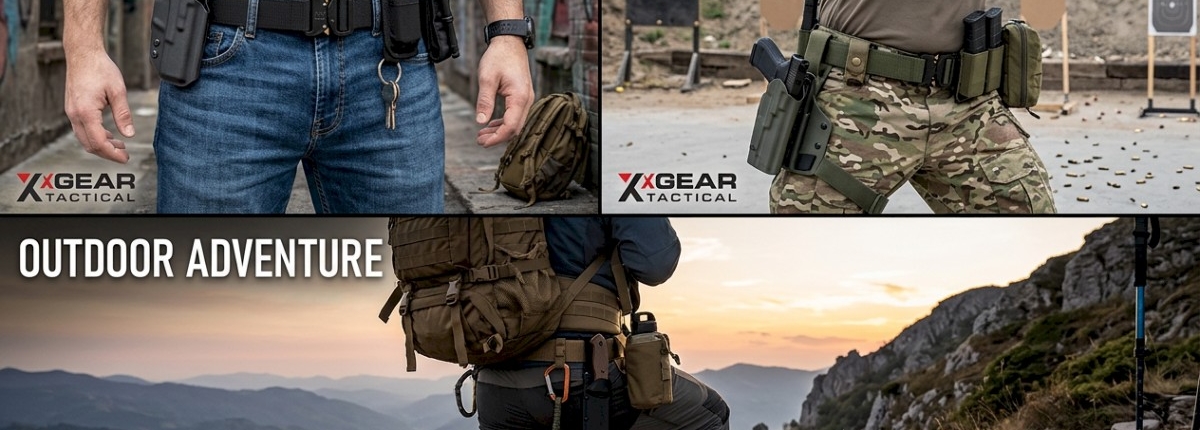
Urban Preparedness
Imagine a sudden power outage in the city. With a compact tactical belt, you can attach a compact flashlight, a folding knife, and a mini first‑aid pouch. The belt’s quick‑release buckle lets you detach the entire load in seconds if you need to transition to a different outfit or stash the gear discreetly.
Outdoor Adventure
On a multi‑day backpacking trip, a 2‑inch tactical belt can serve as a secondary cargo carrier. Clip a water bottle holder, a compact stove, and a map pouch to the belt, freeing space inside your pack for food and clothing. The belt’s durability ensures it won’t stretch or break under the weight of wet gear.
Tactical Training & Shooting Sports
During a CQB (Close‑Quarter Battle) drill, you need instant access to a magazine pouch and a handgun holster. A belt with a U‑lock buckle and centered MOLLE rail keeps the holster at a consistent height, reducing draw time. The belt’s robust construction prevents it from shifting when you take cover behind obstacles.
Frequently Asked Questions (FAQ)
Q: Can I wear a tactical belt with dress pants? A: Absolutely. Choose a low‑profile belt with a plastic or brushed‑aluminum buckle that mimics a traditional dress belt. Many brands offer a black or brown leather‑finished tactical belt that blends seamlessly with formal attire while still providing hidden MOLLE loops.
Q: How much weight can a tactical belt safely hold? A: A well‑constructed 1.5‑inch nylon 1000 D belt can support up to 150 lb of evenly distributed load. A 2‑inch Cordura belt can handle 200 lb or more, depending on the buckle and stitching quality.
Q: Are there tactical belts designed specifically for women? A: Yes. Several manufacturers produce women’s tactical belts with a slimmer profile, adjustable sizing, and a curved buckle that sits comfortably on a narrower hip structure. The performance characteristics remain identical to the unisex models.
Q: Should I replace my belt after a certain period? A: Inspect your belt regularly. If you notice frayed webbing, cracked buckles, or stretched stitching, it’s time to replace it. For heavy users, a lifespan of 2‑3 years is typical before noticeable wear appears.
Final Thoughts: Picking the Best Military Style Tactical Belt
Choosing the best military style tactical belt isn’t about chasing the flashiest design; it’s about matching the belt’s material strength, width, buckle reliability, and modular capability to your everyday needs. Whether you’re a weekend warrior, an urban prepper, or a serious tactical professional, a well‑chosen tactical utility belt will streamline your loadout, increase comfort, and boost confidence in any situation.
Invest in a belt that feels solid when you snap the buckle, stays snug during movement, and offers the attachment options you truly need. With the right belt on your hips, you’ll find that accessing tools, staying organized, and moving efficiently becomes second nature—exactly what any modern adventurer or preparedness enthusiast deserves.
Key Takeaways
- Material matters: Nylon 1000 D and Cordura provide the best durability for tactical belts.
- Width and buckle type dictate load capacity and comfort; 1.5‑inch is versatile, 2‑inch for heavy loads.
- Look for full‑length MOLLE or PALS systems for true modularity.
- Regular cleaning and inspection extend belt life dramatically.
- Match the belt’s features to your primary use—EDC, outdoor, or tactical training—for optimal performance.