

Best High Lumens Flashlight for Camping & Outdoor Adventures
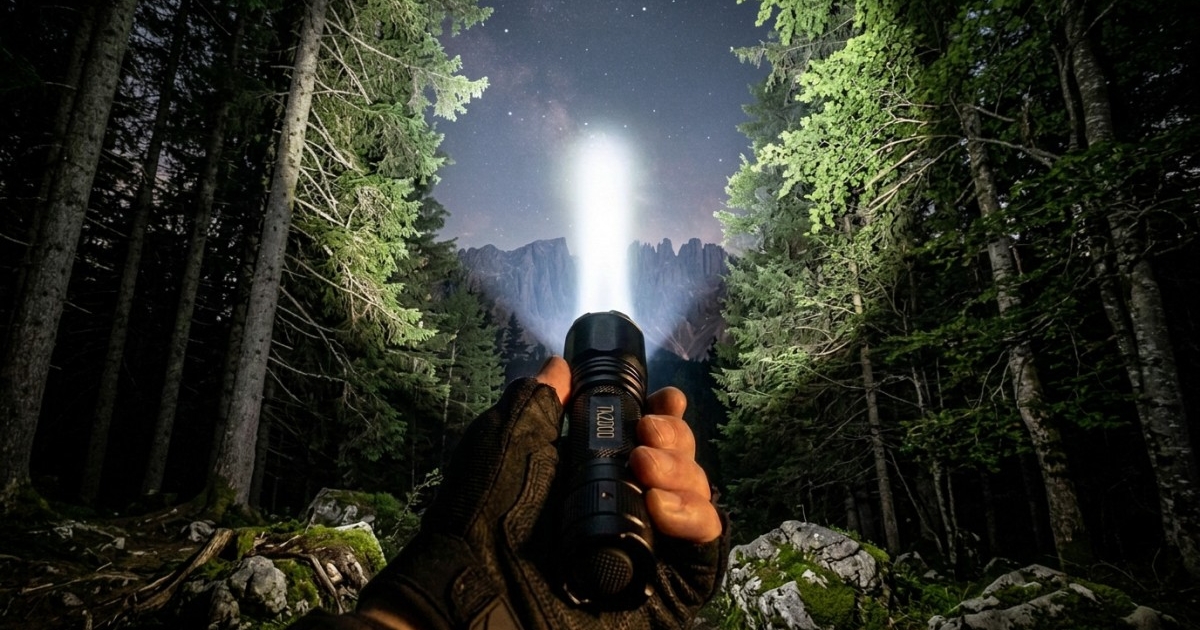
When you set out on a weekend camping trip or a multi‑day backcountry trek, reliable lighting can be the difference between a comfortable night and a hazardous situation. Lumens – the scientific measure of visible light output – directly translate to how far and how brightly a flashlight can illuminate. In dense woods, on a misty lakeshore, or when navigating a steep trail after dark, you need a beam that cuts through the gloom with enough intensity to keep your path clear and your campsite safe.
High‑lumens flashlights have become more accessible thanks to advances in LED technology and power‑efficient batteries. However, the market is crowded with models that promise dazzling numbers but fall short on real‑world performance. This guide walks you through the essential features, top product picks, and practical maintenance tips so you can confidently choose the best high‑lumens flashlight for your outdoor adventures.
Understanding Lumens vs. Candela vs. Lux
Before diving into product recommendations, it’s worth clarifying three lighting terms that often cause confusion.
- Lumens (lm) measure the total amount of visible light a source emits in all directions. The higher the lumen rating, the brighter the overall output.
- Candela (cd) describes the intensity of light in a particular direction. A flashlight with a tight, focused beam may have a lower lumen count but a high candela rating, meaning the light is concentrated.
- Lux (lx) measures illumination on a surface, calculated as lumens per square meter. In practical terms, lux tells you how bright a spot will appear at a given distance.
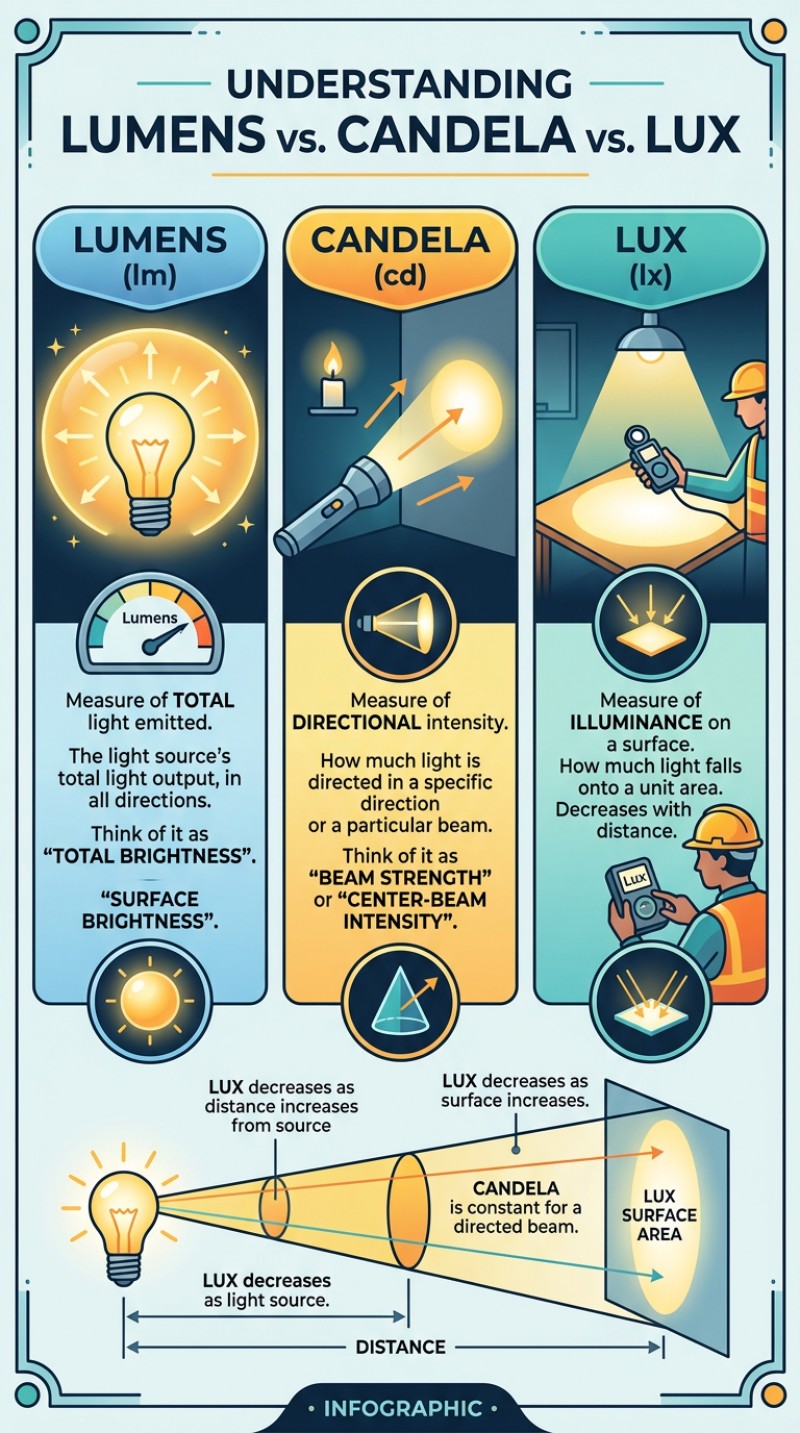
For camping, you generally want a balance: sufficient total lumens for broad illumination, combined with a respectable candela rating for a focused “spot” beam that can spotlight a trail or campsite detail. Lux becomes relevant when you consider how the beam spreads – a high‑lux reading at 5 meters indicates a powerful, usable beam for navigation.
Bright Light Need When You Need It
 A high lumens LED flashlight provides more light, and is more easily seen by others than any standard flashlight bulb. Because it makes use of the latest LED technology it also uses much less energy, which means your batteries last much longer than any standard flashlight. This combination of more light for less energy consumption is the lynchpin of the flashlight system. Providing you with more of what you need for less of what you have available.
This type of flashlight is also going be a much lighter weight than a standard flashlight. That means that you won’t need larger batteries or a larger purse, bag or backpack to carry it in. It will not weigh as much as a standard flashlight, yet will provide better light, more light, than you might expect from a similarly sized standard flashlight. Many flashlights are powered by lithium-ion batteries or AAA alkaline batteries and are the perfect choice for carrying with you when you need a reliable flashlight. Other AAA LED flashlights are powered by multiple battery types which allow you to quickly swap batteries to get back to work and get the job done.
The Brightness You Need for Emergency Situations
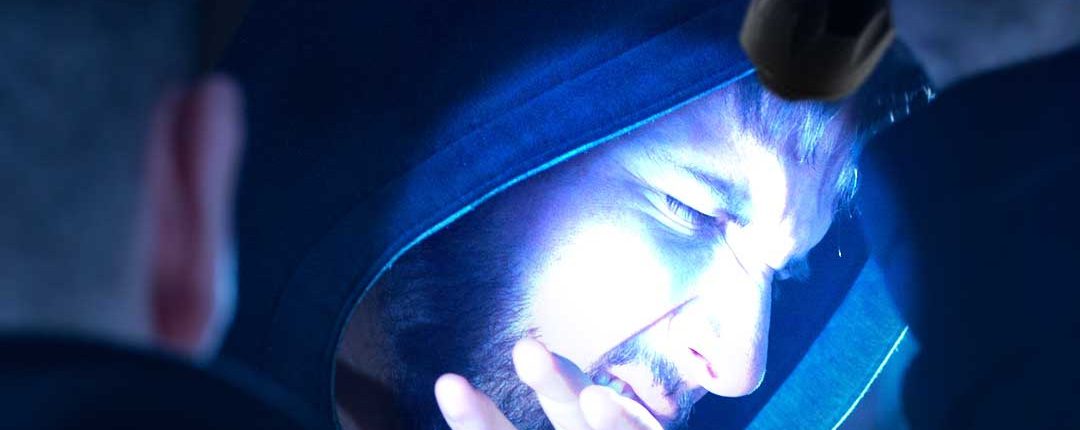
When it comes to convenience of size and brightness of light, there is no substitute for an LED tactical strobe flashlight. They pack a huge, bright light into a very small, and easy to carry package. Most do not need an abundance of battery power to light your way and typically operate on a 18650 button top battery making them an excellent choice for dark nights or emergency situations. If you worry that the little flashlight you keep in your glove compartment might not be ready when you need it, or that it might not provide the bright light you need even if it does work, then you should seriously getting yourself a high lumens LED flashlight instead. Convenient to carry, requiring smaller batteries yet providing better light than a traditional flashlight, no matter what you might need it for – or when.
Core Features to Prioritize
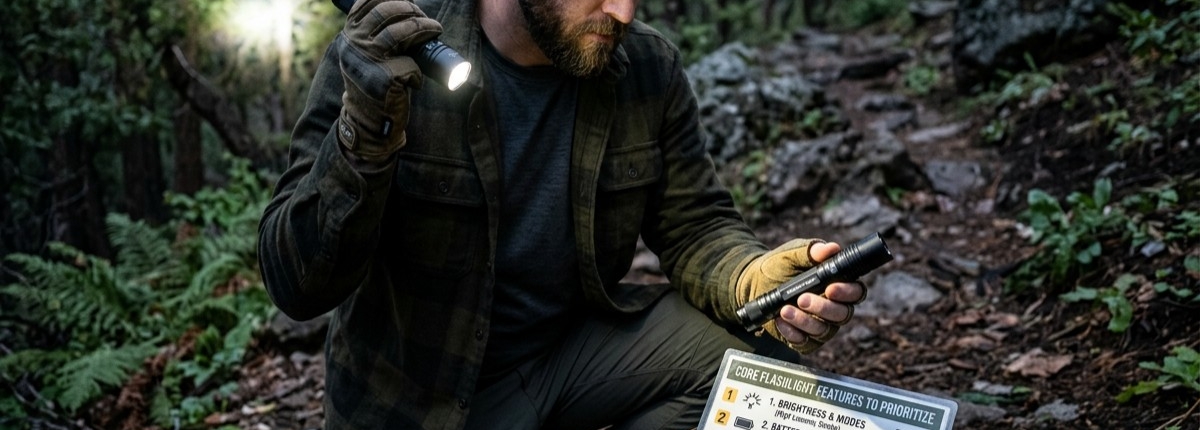
1. Battery Compatibility and Runtime
A flashlight that boasts 2,000 lumens is useless if it sputters out after ten minutes. Look for models that support rechargeable lithium‑ion packs or high‑capacity AA/AAA cells. Lithium‑ion batteries provide consistent output and are lighter, but AA/AAA options give you the flexibility to carry spares and replace them in the field. Check the manufacturer’s runtime chart – a good high‑lumens unit should sustain at least 2–3 hours on its highest setting and 10+ hours on a low‑to‑medium mode.
2. Beam Pattern: Flood vs. Spot
Outdoor activities demand two primary beam types:
- Flood (wide) beam – excellent for campsite setup, reading maps, or cooking in the dark. A flood beam spreads light over a larger area but reduces intensity per square meter.
- Spot (focused) beam – essential for trail navigation, wildlife spotting, or signaling. Spot beams concentrate lumens into a tighter cone, increasing candela and effective range.
Many premium flashlights feature a dual‑mode switch that toggles between flood and spot, giving you versatility without carrying two separate lights.
3. Build Quality and Weather Resistance
Camping environments expose equipment to rain, mud, dust, and drops. Look for an IP rating of IPX6 or higher (water‑resistant to powerful jets) and an impact rating of at least 1.5 meters. Aircraft‑grade aluminum or titanium bodies resist corrosion and add durability while keeping weight low.
4. User Interface and Controls
In the dark, fiddling with a complex menu can be frustrating. Simple tactical tail switches or single‑press rotary heads provide intuitive operation. Some models incorporate a strobe or SOS mode for emergency signaling – a valuable safety feature on remote trips.
5. Size and Weight
While a larger housing often houses bigger batteries and higher lumen outputs, you don’t want a flashlight that becomes a burden on a pack. Aim for a balance: a unit under 150 grams (including battery) that still delivers 1,500–2,500 lumens.
How to Choose the Right Model for Your Adventure
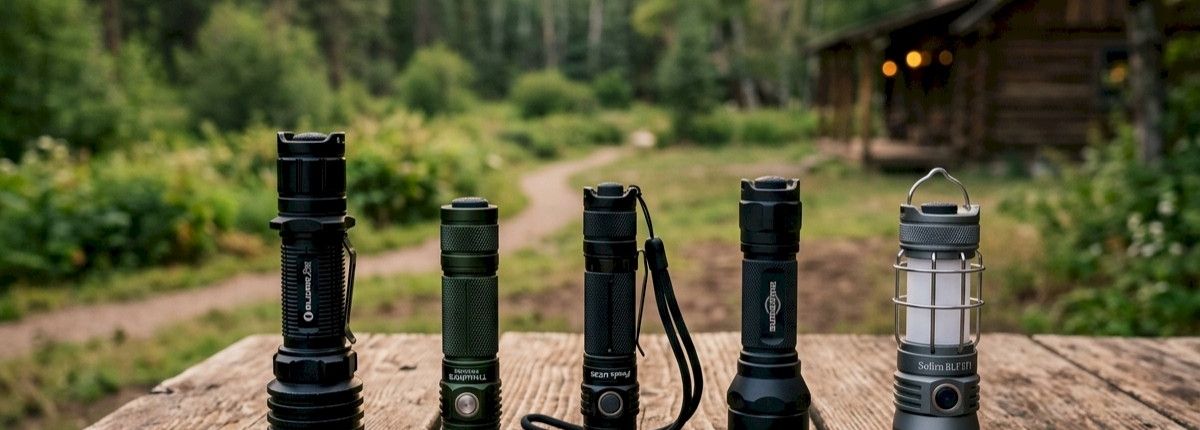
Evaluate Your Typical Use Cases
If you spend most nights camping in a single site, a flashlight with a strong flood beam and long low‑mode runtime may be more valuable than a sheer 2,000‑lm spotlight. Conversely, backpacking hikers who navigate night trails will benefit from a higher candela spot beam and a lightweight rechargeable battery.
Match Battery Strategy to Logistics
Consider the resupply environment. In remote wilderness, carrying spare AA/AAA cells can be a lifesaver, especially if you’re using a model that accepts them. In more developed backcountry areas, a small solar charger paired with a rechargeable flashlight can keep you powered for weeks.
Factor in Weather and Terrain
Rain, snow, and river crossings are common in outdoor pursuits. An IP68 rating (full submersion) is ideal for canoeists or those who camp near water. For high‑altitude mountaineers dealing with snow, look for anti‑condensation coatings and a thermal‑stable battery that won’t lose capacity in freezing temperatures.
Practical Tips for Extending Battery Life
- Use the appropriate mode. Reserve the highest lumen setting for short, critical moments (e.g., navigating a sudden trail obstacle). Switch to medium or low for campsite tasks.
- Activate the “strobe lockout.” Many flashlights allow you to lock the high mode, preventing accidental activation that drains the battery.
- Pre‑charge before trips. Even if your unit uses disposable cells, charge any built‑in rechargeable backup or carry a power bank to revive dead batteries on the trail.
- Keep contacts clean. Dust and moisture on the battery terminals can increase resistance and reduce efficiency. A quick wipe with a dry cloth before each use helps maintain optimal performance.
Maintenance and Care for Longevity
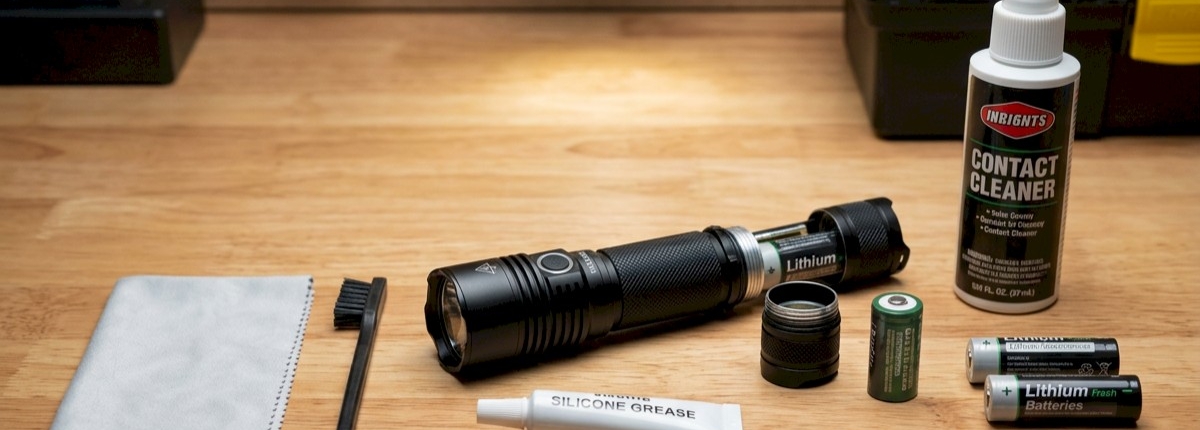
A high‑lumens flashlight is an investment; proper care ensures it lasts season after season.
Cleaning the Optics
The lens can accumulate fingerprints, sand, or resin from pine trees, which scatters light and reduces effective lumens. Use a microfiber cloth and a mild lens cleaner. For stubborn debris, a soft brush (like a paintbrush) can dislodge particles without scratching the glass.
Storage Practices
When not in use, store the flashlight in a dry, temperature‑controlled environment. Extreme cold can permanently reduce lithium‑ion capacity, while excess heat can damage seals. For long‑term storage, keep the battery at 40‑60 % charge – this prevents both over‑discharge and stress from full charge.
Regular Inspection of Seals
Water‑resistant ratings rely on intact O‑rings and gasket seals. Inspect these components annually and re‑apply silicone grease if you notice any brittleness. A compromised seal can turn a waterproof unit into a liability during unexpected rainstorms.
Safety Considerations When Using High‑Lumens Lights
While a bright beam is a boon, it can also be hazardous if misused.
- Avoid direct eye exposure. Even a short glance at a 2,000‑lm beam can cause temporary flash blindness.
- Mind wildlife. Intense light can disturb nocturnal animals. Use a focused spot beam or a dimmer setting when observing wildlife.
- Signal responsibly. In emergency situations, a strobe or SOS mode is more effective than a steady high‑lumens beam for attracting rescue teams.
Real‑World Scenarios: Putting the Flashlight to the Test
Scenario 1: Nighttime River Crossing
You need to locate a safe crossing point on a fast‑moving river after sunset. A flashlight with a high candela spot beam (≥50,000 cd) and an IPX8 rating lets you project a clear line across the water, revealing hidden rocks and currents. The Fenix PD36R or Olight Seeker 2 Pro excel here because their focused beams reach well beyond 250 meters.
Scenario 2: Campsite Setup in Heavy Fog
Fog diffuses light, reducing effective range. A flood‑dominant beam with a wide spread is preferable. The SureFire G2X Pro provides ample lumens and a broader beam pattern that cuts through low‑visibility conditions, allowing you to organize gear without stumbling.
Scenario 3: Multi‑Day Backpacking with Limited Recharging Options
Carrying a heavy solar panel isn’t practical. A compact, rechargeable unit like the ThruNite TN12 offers a balance of size, high lumen output, and USB‑C charging that can be powered from a portable power bank or a solar charger when sunlight is available.
Frequently Asked Questions (FAQs)

Q: Does a higher lumen rating always mean a better flashlight? A: Not necessarily. Lumens indicate total light output, but beam focus, battery life, durability, and ergonomics are equally important for outdoor use.
Q: Can I use a high‑lumens flashlight as a primary light source for reading? A: Yes, but you’ll likely want a lower‑lumens setting to avoid eye strain. Most modern units have a dim setting (100–250 lm) that provides comfortable reading illumination.
Q: How often should I replace the battery in a rechargeable flashlight? A: Lithium‑ion cells typically retain 80 % of capacity after 300–500 charge cycles. For frequent campers, expect a battery replacement every 2–3 years.
Q: Are high‑lumens flashlights legal for use in national parks? A: Most parks allow any handheld flashlight, but some protected areas restrict laser pointers and certain strobe patterns. Check local regulations before using a high‑intensity strobe.
Conclusion: Light Up Your Adventures with Confidence
Choosing the best high‑lumens flashlight for camping and outdoor adventures is less about chasing the highest number on the spec sheet and more about matching the tool to your specific needs. Prioritize a balanced beam pattern, reliable battery system, robust weather resistance, and intuitive controls. The five models highlighted—Fenix PD36R, Nitecore MH12, Olight Seeker 2 Pro, SureFire G2X Pro, and ThruNite TN12—cover a spectrum of preferences, from rugged tactical durability to lightweight rechargeable convenience.
Investing in a quality high‑lumens flashlight not only enhances your night‑time navigation and campsite safety but also adds a versatile emergency beacon to your gear. By maintaining the unit, managing battery life wisely, and respecting the power of intense light, you’ll be prepared for anything the wilderness throws your way.
Happy camping, and may your trails always be well‑lit!