

Discover the Best Beach Camping Sites in California
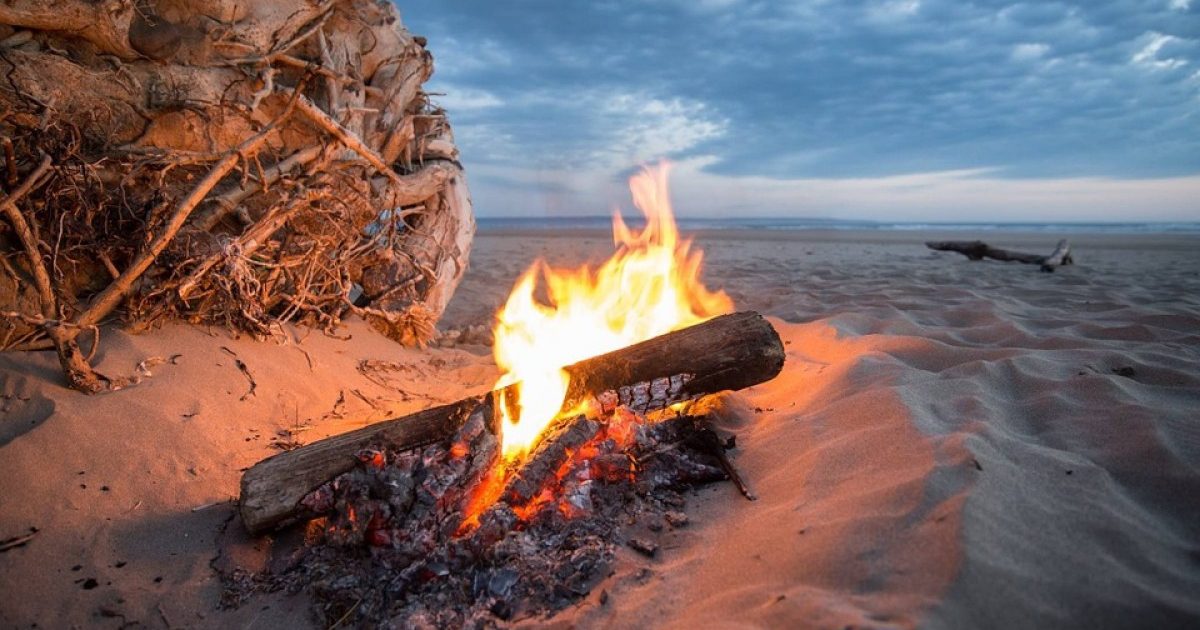
It is no secret that California has some of the greatest beaches and coastlines in the United States. Tourists and visitors will flock from all over the world to spot the diverse wildlife and spend time in one of the many beach camping destinations, so here are the best beach camping sites in California that you need to try!
Goleta Park
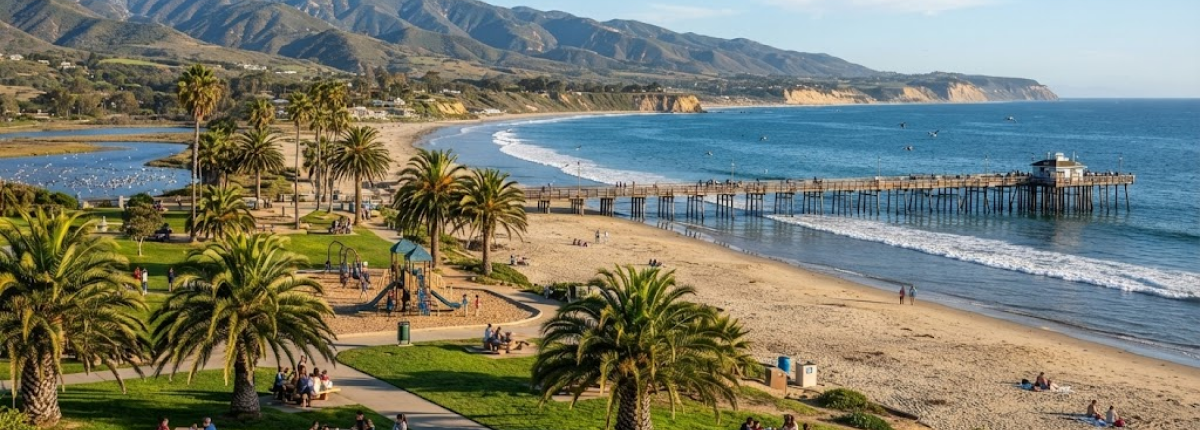
An incredibly popular park based outside of Santa Barbara, the El Capitan Beach State Park is perfect for people who are looking for an alternative to RV beach camping. With spectacular views of the Pacific Ocean and the Channel Islands, it is an ideal destination for families, especially as it’s a well-maintained location and doesn’t have a lot of tourism.
Just a short drive north of downtown Santa Barbara, Goleta Park sits at the edge of the Pacific, offering a laid‑back coastal experience without the crowds of the city’s more famous beaches. The park spans roughly 15 acres of grassy meadow, sand, and rocky shoreline, making it an ideal spot for families, joggers, and anyone looking to soak up some sun in a relaxed setting. Because it’s part of the City of Goleta’s public park system, you’ll find well‑maintained facilities, free parking, and easy access for bikes and strollers.
The park’s location is especially convenient for visitors staying in Santa Barbara or the surrounding neighborhoods. A quick 10‑minute drive along Highway 101 brings you to the entrance, where a modest parking lot sits just steps away from the sand. From there, you can wander onto the beach, explore the tide pools, or simply sit on a bench and watch the waves roll in. The overall vibe is casual, with locals often spreading out blankets for a picnic while kids play on the small playground near the park’s entrance.
What to Do: Activities for Every Mood
If you love a good walk, the park’s paved pathway circles the meadow and connects to the Goleta Bike Path, a scenic route that stretches for miles along the coastline. The trail is flat and well‑marked, making it suitable for casual strolling, running, or cycling. Along the way, you’ll pass a series of informational signs about local flora and the marine environment, offering a subtle educational twist to your exercise routine.
Beach enthusiasts will appreciate the easy access to a small, sandy stretch that’s perfect for tide‑pooling at low tide. The rock formations here are teeming with sea anemones, crabs, and colorful fish—great for a quick nature lesson with kids. While the surf isn’t typically strong enough for serious surfing, the gentle waves create a safe environment for beginner swimmers and paddle‑boarders.
For families, the park’s picnic tables and shaded BBQ grills provide a convenient spot for a relaxed lunch. Bring a cooler, fire up the grills, and you’ve got a full‑day outing without needing to leave the premises. Restroom facilities are clean and accessible, and there are designated dog‑friendly areas for pet owners who want to bring their furry companions along.
Practical Tips for a Smooth Visit
Arriving early, especially on weekends, guarantees a parking spot close to the entrance. While the lot fills up quickly during peak summer months, there’s additional street parking along Goleta Avenue—just watch for the posted time limits. The park is open daily from sunrise to sunset, and there’s no admission fee, making it a budget‑friendly option for locals and tourists alike.
If you’re planning a beach day, remember to pack sunscreen, a hat, and plenty of water. The shade is limited on the sand, so a portable umbrella can make a big difference. For those interested in photography, the golden hour—just after sunrise or before sunset—offers stunning light that highlights the rugged coastline and the rolling waves.
Lastly, respect the natural environment. Keep trash in the provided bins, stay on marked trails, and avoid disturbing the tide‑pool creatures. The park’s stewardship relies on visitors’ cooperation, ensuring that Goleta Park remains a pristine spot for years to come.
Why Goleta Park Beats the Tourist Crowds
Unlike the more commercial beaches in Santa Barbara, Goleta Park feels like a local secret. The fewer crowds mean you can spread out, enjoy a quiet lunch, or simply sit and listen to the ocean without background noise. This laid‑back atmosphere makes it a perfect spot for a spontaneous day trip—whether you’re a resident looking for a nearby escape or a traveler seeking a less touristy coastal experience.
In short, Goleta Park delivers the best of both worlds: easy beach access, family‑friendly amenities, and a serene setting that lets you unwind. Pack a snack, lace up your shoes, and head north for a day that feels both adventurous and comfortably familiar.
Lompoc – Jalama Beach County Park
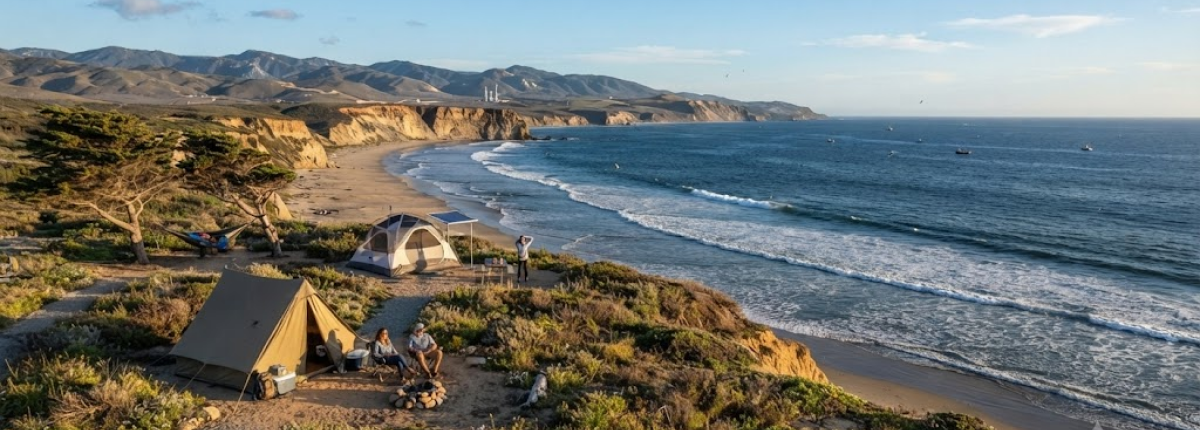
Nestled along the Pacific coastline of Santa Barbara County, Jalama Beach County Park is a hidden gem that attracts locals and travelers seeking a more secluded beach experience. Unlike the crowded boardwalks of nearby Santa Barbara, Jalama offers a rugged shoreline, dramatic cliffs, and a sense of wilderness that harks back to its early 20th‑century roots. The park spans roughly 300 acres of coastal terrain, encompassing a sandy beach, picnic areas, a small campground, and several historic structures that tell the story of the region’s agricultural past. Its remote location—about 30 miles northwest of Santa Barbara and an hour’s drive from the bustling city of Ventura—means visitors often arrive by car, bike, or even on foot from the nearby Santa Ynez Mountains.
The park is managed by Santa Barbara County Parks Department, which strives to balance public access with conservation. As a result, facilities are intentionally modest: a single parking lot, a few picnic tables, restrooms, and a seasonal lifeguard station during peak summer months. This minimalist approach preserves the natural beauty that draws hikers, surfers, photographers, and families alike. Whether you’re planning a day trip, an overnight stay, or a weekend surf session, understanding Jalama’s layout, history, and visitor guidelines will help you make the most of your time.
History and Cultural Significance
Jalama’s name derives from the Chumash word “Jal‑mah,” meaning “the place of the sea,” reflecting its long-standing importance to the indigenous people of the region. Archaeological evidence suggests that the Chumash used the beach for fishing, shell gathering, and as a seasonal camp. In the early 1900s, the land transitioned to a working ranch owned by the Jalama Ranch, which cultivated lima beans and other crops. The iconic Jalama Ranch Barn, still standing near the parking area, serves as a tangible reminder of this agricultural era.
During the 1930s, the Civilian Conservation Corps (CCC) built many of the park’s original facilities, including stone steps leading down to the sand and the modest picnic pavilion that visitors still use today. The CCC’s work not only provided jobs during the Great Depression but also laid the groundwork for the park’s modern recreational infrastructure. In 1974, Santa Barbara County officially designated the area as a county park, protecting it from commercial development and ensuring public access to this coastal treasure.
The park’s cultural layers—indigenous heritage, ranching history, and New Deal-era construction—make it more than just a beach. Interpretive signs scattered throughout the site offer brief narratives, encouraging visitors to appreciate the land’s past while enjoying its present.
Outdoor Activities and Recreation
Jalama Beach is a versatile destination that caters to a variety of outdoor pursuits. Surfing is perhaps the most celebrated activity; the beach’s consistent swell and relatively uncrowded line‑up attract both seasoned locals and beginners looking for a quieter spot than the famous Surfer’s Point. The reef breaks near the southern end of the beach provide longer rides, while the northern sandbars are gentler, ideal for learning.
Hiking opportunities abound, with several trails that connect the beach to the surrounding hills. The most popular route is the Jalama Trail, a moderate 2.5‑mile out‑and‑back trek that climbs to a vista overlooking the coastline and the Santa Ynez Valley. Birdwatchers will also appreciate the diverse avian population, including shorebirds, gulls, and occasional hawks that patrol the cliffs.
For families, picnicking and camping are straightforward pleasures. The park offers a small campground with 30 primitive sites—no electricity or water hookups—so campers should come prepared with their own supplies. Picnic tables and BBQ grills are scattered near the parking lot, though visitors must bring their own firewood, as none is provided on site.
Fishing is permitted from the shoreline, with abundant species such as surf perch, sardines, and occasional halibut. Anglers should check California Department of Fish and Wildlife regulations for seasonal limits and licensing requirements.
Visitor Information and Practical Tips
Because Jalama is relatively remote, planning ahead can dramatically improve your experience. Parking is limited to a single lot that fills quickly on weekends, holidays, and during surf competitions. Arriving before 9 a.m. on a Saturday gives you the best chance of securing a spot close to the beach. If the lot is full, a secondary pull‑through area near the campground can be used, though it requires a short walk on an unpaved path.
Restroom facilities are basic—portable toilets that are serviced daily during the summer season. There is no on‑site water source, so bring enough drinking water for your visit. Pet policy allows dogs on leashes no longer than six feet; however, they are not permitted on the beach during peak hours (10 a.m.–4 p.m.) to protect nesting shorebirds.
The park does not have a dedicated concession stand, so pack your own food, snacks, and waste bags. The Leave No Trace principle is strongly emphasized; carry out everything you bring in, and stay on marked trails to protect fragile dune vegetation.
Safety considerations include the absence of lifeguard services outside the designated summer window (mid‑June to mid‑September). Swimmers and surfers should assess conditions carefully, as currents can be strong and the tide changes rapidly. The beach’s rocky sections can be slippery when wet, so sturdy footwear is advisable for hikers and those exploring the tide pools.
Mendocino Grove
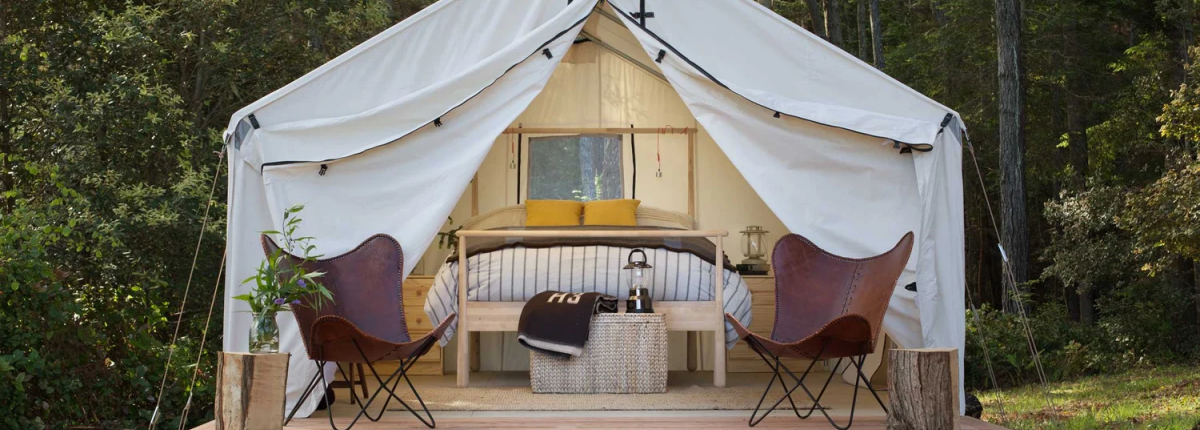
Mendocino Grove is a drive-in glamping destination. This luxury destination has a number of roomy tents with comfy beds and warm comforters. There are plenty of opportunities for you to cook by using the communal gas barbecues, and while Mendocino Grove is directly on the sea, the beach is only a short walk away. Always make sure that you are prepared for any adverse weather conditions. You can spend the day paddling along the Big River that flows from the campground to the ocean, but if you are planning on taking a few pictures, ensure you have your cell phone waterproof bag to hand!
Getting There – A Scenic Drive Worth the Time
The journey to Mendocino Grove is part of the adventure. From San Francisco, you’ll hop onto Highway 101 north and then transition onto the winding Highway 1, where cliffs drop dramatically into the Pacific Ocean. The drive takes about three hours, but the ever‑changing coastline, mist‑filled redwoods, and occasional sightings of sea otters keep you entertained. Parking is free, and there’s a short, well‑marked gravel path that leads from the lot to the campsite. If you’re flying in, the closest airport is in Santa Rosa, about an hour and a half away, with rental cars readily available.
What the Tents Look Like – Comfort Meets Nature
Each tent at Mendocino Grove measures roughly 10×12 feet and is set up on a raised platform to keep you dry during coastal drizzle. The canvas is thick enough to block out the wind yet breathable enough to prevent condensation. Inside, you’ll find a comfortable queen‑size mattress, fresh linens, a small reading lamp, and a wooden table for meals. Power outlets are available for charging devices, and a portable heater can be rented for cooler evenings. The tents also feature a private deck with a view of the surrounding forest, perfect for sipping coffee at sunrise.
Activities – From Hiking to Happy Hours
When you’re not lounging on your deck, there’s plenty to do. A network of well‑maintained trails weaves through towering redwoods, leading to hidden waterfalls and panoramic ocean outlooks. For the more adventurous, guided night hikes are offered twice a week, where you can learn about local flora and spot nocturnal wildlife. After a day of exploring, the on‑site bar—simply called “The Grove”—serves craft beers, locally roasted coffee, and seasonal cocktails. Live acoustic music on weekends adds a festive feel, and communal fire pits invite campers to share stories and s’mores.
Sustainability – Camping with a Conscience
Mendocino Grove prides itself on its low‑impact philosophy. All tents are made from recycled materials, and the campground uses solar panels to power common areas. Water is sourced from a nearby spring and filtered on site, reducing the need for plastic bottles. Guests are encouraged to pack out what they bring in, and compost bins are placed throughout the property. By choosing this campground, you’re supporting a model that respects both the environment and the local community.
Practical Tips for a Smooth Stay
- Book Early: The campground has only 15 tents, and they fill up fast during summer weekends.
- Pack Layers: Coastal weather can shift from sunny to foggy in minutes, so bring a light jacket and waterproof shoes.
- Bring Snacks: While The Grove offers a decent menu, having some easy‑to‑prepare meals will give you flexibility.
- Respect Quiet Hours: The campground observes a 10 p.m. quiet time to ensure everyone gets a good night’s rest.
Marin County – Point Reyes National Seashore
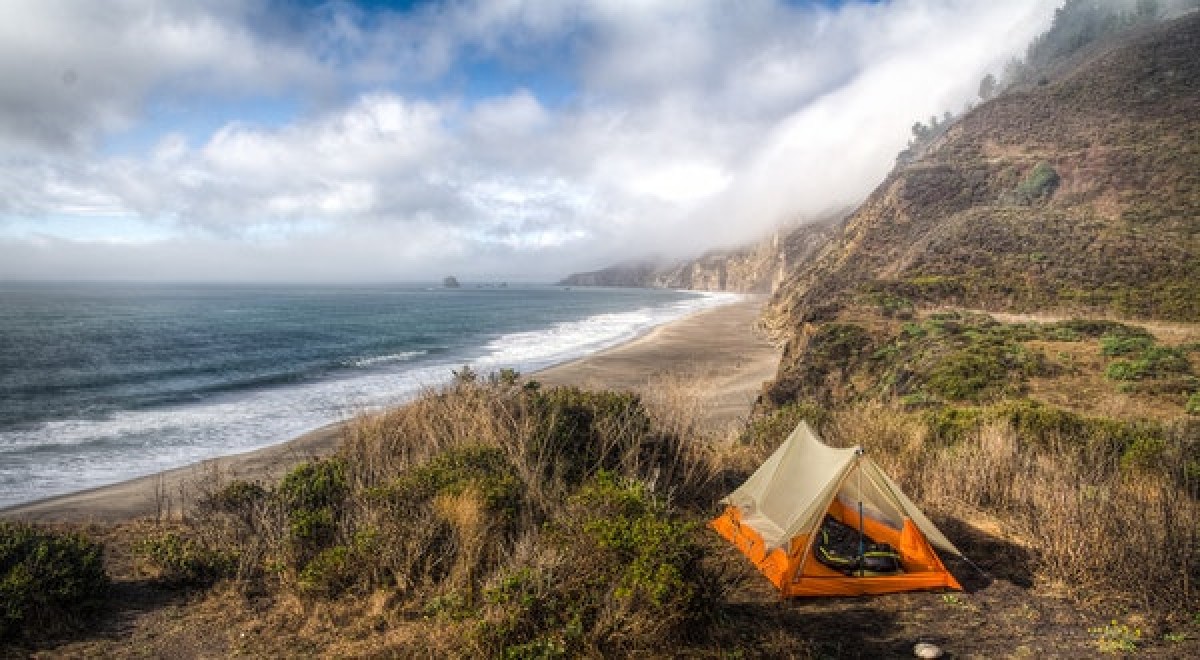
If you’ve ever dreamed of a place where rugged cliffs meet rolling fog, where elk roam free and the ocean sings its endless lullaby, Point Reyes National Seashore is the answer. Nestled on the tip of Marin County, just north of San Francisco, this 71,000‑acre preserve offers a surprisingly diverse mix of beaches, grasslands, forests, and historic farms. The park’s casual vibe makes it perfect for a weekend escape, a family day trip, or a quiet solo wander. Whether you’re chasing sunrise over the iconic Point Reyes Lighthouse or hunting for tide‑pool critters at Drakes Beach, the park delivers a blend of natural wonder and laid‑back adventure that feels like a secret only locals know.
Getting There and Planning Your Visit
Reaching Point Reyes is a scenic drive in itself. From San Francisco, hop onto Highway 101 north, then take the Sir Francis Drake Boulevard through the town of Mill Valley before turning onto Sir Francis Drake Boulevard again—a winding road that hugs the coastline like a lazy river. The journey takes roughly 1.5 hours, and the view of rolling hills peppered with grazing cattle is a pleasant preview of what’s ahead. Parking can fill up quickly during peak summer weekends, so arriving early or opting for the less‑crowded Tomales Bay side can save you time.
When you arrive, grab a map at the visitor center in the historic Bear Valley Visitor Center. The park’s website offers downloadable PDFs, but the printed version highlights hidden gems like the Elephant Seal Overlook at Año Nuevo and the secluded Limantour Beach. Keep an eye on the weather forecast—coastal fog can roll in unexpectedly, turning a sunny hike into a misty adventure. Dress in layers, pack a wind‑breaker, and bring plenty of water; the park’s microclimates can shift dramatically within a few miles.
Top Spots You Can’t Miss
Point Reyes Lighthouse – Perched on a jagged cliff 338 feet above the Pacific, the lighthouse is a photographer’s playground. The walk down the stone steps is steep, but the reward is a panoramic view of the ocean where you can often spot migrating gray whales in winter. The historic lantern, still operational, adds a nostalgic touch to the otherwise wild surroundings.
Drakes Beach – Named after the infamous explorer Sir Francis Drake, this beach boasts a wide, white‑sand shoreline backed by dramatic cliffs. It’s perfect for families; the gentle surf and tide pools make for an easy, enjoyable day. If you’re lucky, you’ll see a pod of sea otters playing just offshore.
Alamere Falls – A short hike from the main road leads you to a rare tide‑fall—an inland waterfall that drops directly onto the beach. The 4.5‑mile round‑trip trek weaves through coastal scrub and offers spectacular ocean vistas. Arrive at low tide to see the water cascade onto the sand, creating a dramatic photo‑op.
Tomales Bay – For a quieter vibe, head east toward Tomales Bay. Kayakers glide through calm waters while spotting harbor seals and ospreys. The bay’s shoreline is dotted with oyster farms, and a quick stop at the local oyster shack lets you sample some of the freshest shellfish on the West Coast.
Wildlife Encounters
Point Reyes is a wildlife sanctuary, and spotting its residents is part of the park’s charm. In spring, Tule Elk herd across the grasslands, their antlers glistening in the morning light. Birdwatchers flock to the area for a chance to see the rare California condor, which nests on the cliffs near the lighthouse. During winter, elephant seals haul out on the beaches of Limantour and Drakes, offering a dramatic, up‑close view of these massive marine mammals. Remember to keep a respectful distance; the park enforces a 50‑foot rule for wildlife viewing.
Practical Tips for a Smooth Trip
- Timing: Early morning or late afternoon yields the best light for photography and fewer crowds.
- Food: Pack a picnic; the park has limited dining options beyond the small café at the visitor center.
- Trails: Wear sturdy shoes; even easy trails can become slick after rain.
- Leave No Trace: Carry out all trash and stay on designated paths to protect the fragile ecosystem.
Monterey County – Treebones Resort
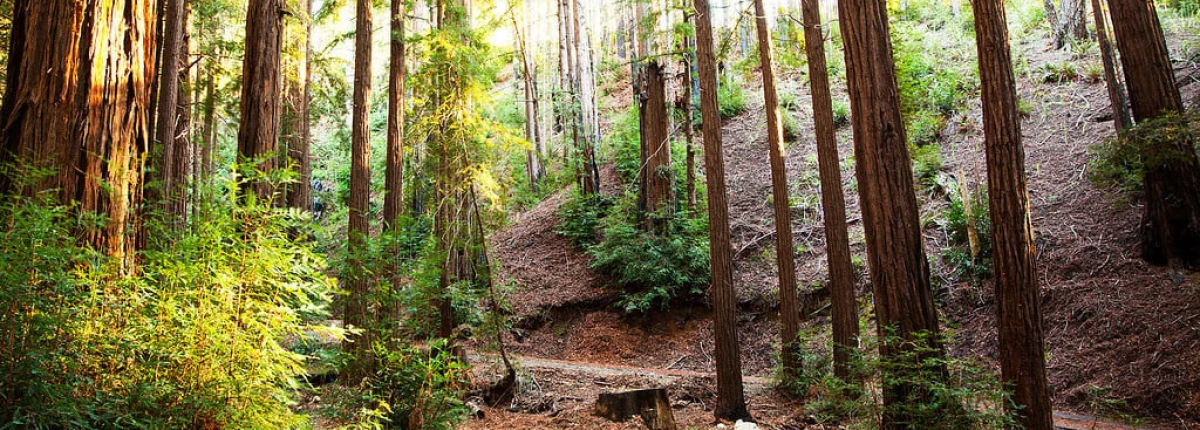
If you’ve ever imagined swapping a cramped hotel room for the soothing sounds of the Pacific surf and the gentle sway of a hammock, Treebones Resort in Big Sur, California, might just be the perfect spot. Nestled on a rugged cliffside, this eco‑friendly haven blends the comfort of boutique lodging with the raw, immersive experience of camping. Whether you’re a seasoned backpacker or a first‑timer looking for a weekend escape, Treebones offers a unique mix of glamping tents, yurts, and a few primitive sites that let you soak up the dramatic coastline while still enjoying thoughtful amenities.
The Different Ways to Camp at Treebones
Treebones isn’t a one‑size‑fits‑all campground. The resort provides three main lodging options: the iconic yurts, the tent cabins, and the “wild” camping spots that require a bit more self‑sufficiency. Yurts are spacious, feature hardwood floors, a private deck, and even a tiny kitchenette, making them a great bridge between luxury and wilderness. The tent cabins are more rugged—think canvas walls, a shared bathroom block, and a communal fire pit—yet they still provide a solid roof and a comfy sleeping bag. For the true back‑to‑nature crowd, Treebones offers a limited number of primitive sites where you can pitch your own gear, but you must bring your own water and pack out all trash.
All accommodations share a common thread: an emphasis on sustainability. Solar panels power the resort, composting toilets reduce waste, and the on‑site restaurant, The Sur House, sources locally grown produce whenever possible. This eco‑centric philosophy means you can enjoy your stay knowing you’re treading lightly on the land.
What to Do While You’re There
Beyond sleeping under the stars, Treebones sits on a stretch of coastline that’s a playground for outdoor enthusiasts. The Pacific Coast Trail runs right by the property, offering breathtaking cliff‑top hikes that reward you with sweeping ocean vistas at every turn. For a more relaxed day, stroll down to the nearby Garrapata State Park, where hidden beaches and tide pools provide perfect spots for beachcombing and picnicking.
If you’re visiting in the warmer months, the resort’s pool and hot tub overlook the sea, giving you a chance to unwind after a day of exploration. Evening activities often include acoustic music sessions around the fire pit, stargazing with a local astronomer, or storytelling nights where guests share their travel tales. All of these experiences are designed to foster a sense of community while still respecting the serene environment.
Practical Tips for a Smooth Stay
Booking at Treebones can be competitive, especially during peak summer weekends, so it’s wise to reserve at least a month in advance. Bring layers; the coastal fog rolls in quickly, and evenings can get surprisingly chilly even in July. Since the resort operates on a “leave no trace” policy, pack reusable water bottles, biodegradable soap, and a sturdy trash bag for any waste you generate.
Parking is limited, so consider car‑pooling or using a rideshare service if you’re traveling from nearby cities like Monterey or San Luis Obispo. Finally, remember that cell service is spotty, which is part of the charm—but it also means you should download any maps or itineraries ahead of time.
Watsonville – Manresa State Beach
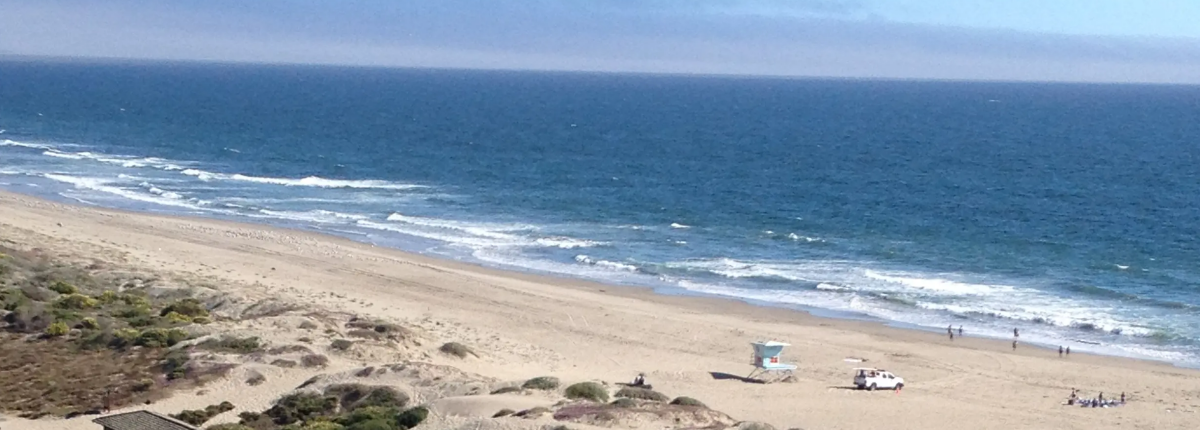
This beautiful area located just south of Santa Cruz is great for families who want a camping experience that is not too far away from the essential amenities. Manresa State Beach is a wide stretch of sand with very limited crowds, so there’s plenty of opportunities for you and the kids to get in the water. For the surfing enthusiasts, there are some great waves out there.
A Quick Overview of What to Expect
Manresa State Beach is a classic, wide‑sand shoreline that spans about 200 feet of beachfront. The sand is fine and golden, perfect for building sandcastles or simply lounging with a good book. The water is generally calm, thanks to the protective offshore breakwaters that temper the Pacific’s occasional swells. This makes it a safe spot for kids and novice swimmers, although it’s always wise to keep an eye on the surf reports, especially during the winter months when bigger waves can roll in.
Facilities are modest but well‑maintained. You’ll find restrooms, outdoor showers, and a picnic area equipped with tables and BBQ grills. Parking is free and ample, with a short walk from the lot to the water’s edge. The beach also provides wheelchair‑accessible pathways, ensuring that everyone can enjoy the scenic coastline.
Activities to Fill Your Day
Surfing and Body‑boarding
While Manreza isn’t a world‑renowned surf break, it does attract a modest crowd of local surfers who appreciate the mellow, rolling waves that form in the summer. For beginners, the gentle surf offers an excellent learning environment. Bring a board or rent one from a nearby shop in Watsonville, and you’ll spend a few hours catching easy rides.
Beachcombing and Tide‑Pooling
The low‑tide expose a fascinating stretch of tide pools teeming with sea anemones, crabs, and small fish. Grab a bucket and spend some time exploring these miniature ecosystems—great for kids and curious adults alike. Keep an eye out for smooth, polished stones and shells that make perfect souvenirs.
Picnics and Sunset Strolls
The picnic area is shaded by native trees, providing a comfortable spot for a family lunch. After you’ve eaten, a short walk along the shoreline at sunset rewards you with spectacular colors that reflect off the water. Bring a blanket, a camera, and maybe a portable speaker for a low‑key beach party.
Practical Tips for a Smooth Visit
- Timing: Arrive early, especially on weekends in summer, as the parking lot can fill up quickly. The beach opens at sunrise and closes at sunset, so plan accordingly.
- What to Pack: Sunscreen, a hat, plenty of water, and a reusable bag for trash. The beach has no trash cans beyond the picnic area, so pack out what you bring in.
- Pet Policy: Dogs are allowed on leash during the off‑season (October – April). In summer months, pets are not permitted to protect the delicate dune habitat.
- Safety: Even though the water is usually calm, currents can shift. Pay attention to any posted warnings and respect lifeguard flags.
Nearby Attractions Worth Checking Out
If you have extra time, the surrounding area offers several attractions. The Manresa State Beach Campground just north of the beach lets you extend your stay under the stars. A short drive east brings you to Monterey Bay Aquarium, a world‑class marine museum perfect for families. For wine lovers, the Santa Cruz‑Mount Monterey region boasts a growing number of boutique vineyards with tasting rooms.
Bodega Bay – Doran Beach
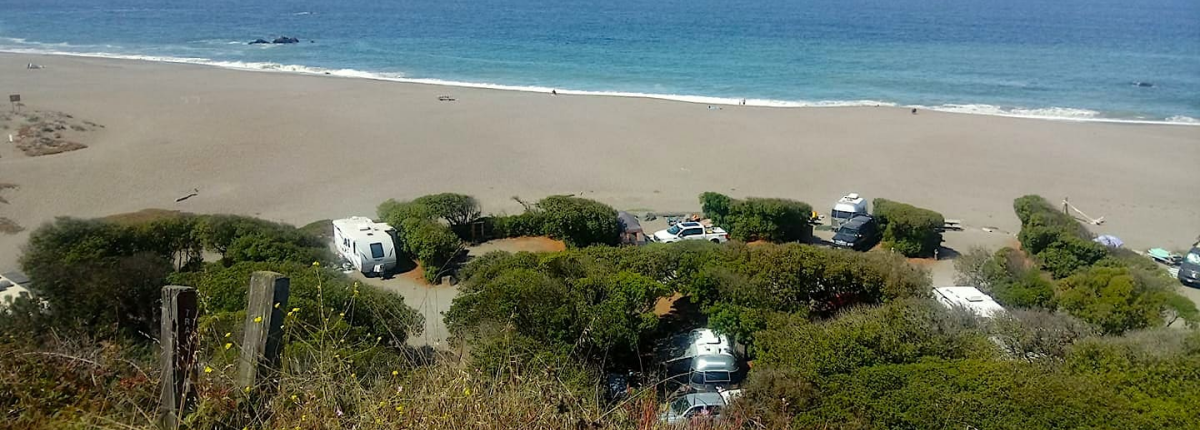
Home to Doran Beach, this is a family-friendly location that allows pets. If you are looking for a place that can tick all the boxes for you and your family, this is one of the best places in California. But be warned, it is very popular. This spot fills up quickly, so make sure that you reserve your campsite in advance.
The beach is easily accessible from the nearby I‑5 and the Coronado Bridge, making it a convenient stop for anyone cruising through the area. Parking is limited to a small lot off Mission Bay Drive, so you’ll want to arrive early on weekends or plan to use public transit. The lot fills up fast, especially during the summer surf season, but the short walk from the lot to the water is pleasant and offers a glimpse of the coastal dunes that separate the beach from the nearby residential neighborhoods.
What to Do at Doran Beach
Surf and Paddleboarding
Doran’s waves are modest but consistent, making it a favorite among beginner surfers and stand‑up paddleboarders. The beach faces west, so on a typical summer day you’ll catch a gentle swell that rolls in from the open ocean. The sand bottom means fewer hazards compared to rocky beaches, and the water is usually clear enough to spot the occasional dolphin or sea lion cruising just offshore. If you’re new to surfing, the local surf shop in nearby Pacific Beach offers rental boards and quick lessons that can be booked on the spot.
Tide‑Pool Exploration
One of Doran’s hidden gems is its tide‑pool area, which becomes a bustling micro‑ecosystem at low tide. Small rock pools cling to the shoreline, filled with anemones, crabs, and even the occasional starfish. Kids love hunting for these tiny sea creatures, and adults enjoy the quiet, almost meditative experience of watching marine life go about its day. Remember to be gentle—avoid touching the animals and always refill the pools with seawater before you leave.
Sunset Strolls
Because Doran faces directly west, it’s one of the best spots in San Diego to watch the sun dip below the horizon. Grab a blanket, a light jacket, and settle on the sand as the sky shifts from golden to deep pink. The view of the Coronado Bridge illuminated at night adds a romantic backdrop that’s perfect for couples or anyone looking to unwind after a day of activity.
Practical Tips for Visiting
- Parking & Access: The lot holds about 30 cars and fills quickly on weekends. Arriving by 9 a.m. gives you the best chance of snagging a spot. If you miss the lot, the nearby Mission Bay bike path offers free street parking a short walk away.
- What to Bring: Since there are no restrooms or food vendors on Doran Beach, pack a small cooler with water, snacks, and sunscreen. A portable shade umbrella can be a lifesaver during midday sun.
- Rules & Safety: Dogs are not allowed on the sand, though they can walk on the adjacent trail. Keep an eye on any posted military signage, especially near the western edge of the beach where the Navy conducts occasional training drills.
- Accessibility: The beach has a modest ramp leading down from the parking lot, but the sand can be soft and uneven, so it’s not fully wheelchair‑accessible.
Nearby Attractions for a Full Day
If you’ve already explored Doran, consider extending your day with a short drive to the historic Hotel del Coronado. Its iconic red‑roofed façade and beachfront promenade provide a stark contrast to Doran’s unpretentious vibe. Alternatively, head north to the bustling boardwalk of Mission Beach, where you’ll find amusement rides, bike rentals, and a lively nightlife scene. Both options are just a few minutes away, making Doran an ideal base for a varied coastal adventure.
Santa Catalina Island – Parson’s Landing
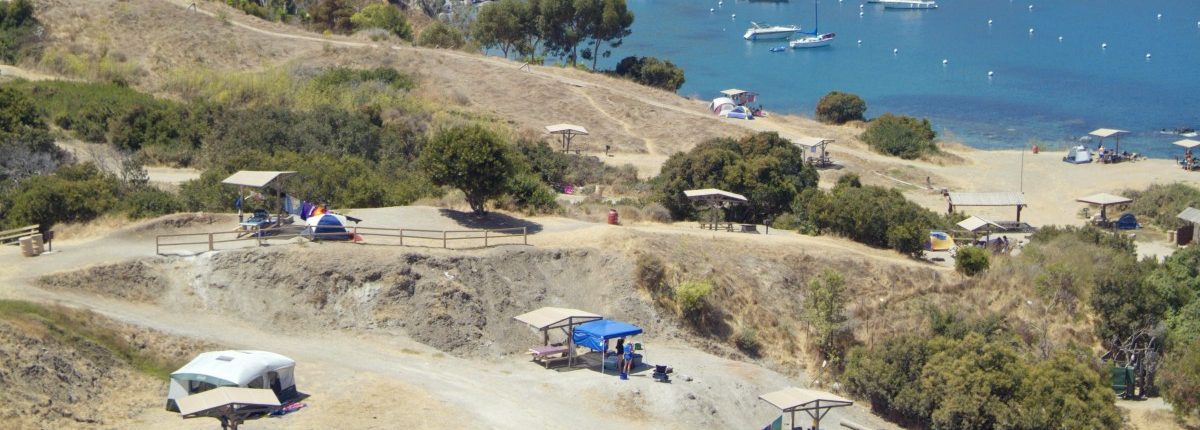
The Parson’s Landing campsite is hard to beat in this location! There are many perks with reserving a spot here, including access to your very own picnic table and fire pits, and as much firewood as you need. One of the benefits of this site is its secluded nature. Because of the surrounding hills, it makes you feel like you are on your own private island, which is perfect if you want some quiet time with you and your loved ones.
If you’ve ever dreamed of a seaside escape that feels both historic and effortlessly relaxed, Parson’s Landing on Santa Catalina Island should be at the top of your list. Nestled on the island’s western shore, this tiny harbor has been a quiet gateway for visitors since the early 1900s. Today, it serves as a charming departure point for ferries, a launchpad for water‑sport adventures, and a spot where the scent of salty sea air mingles with the faint echo of the island’s rich past. Whether you’re a first‑time tourist or a seasoned Catalina regular, Parson’s Landing offers a blend of natural beauty and laid‑back vibes that makes every visit feel special.
A Brief History of Parson’s Landing
Parson’s Landing got its name from the Parson family, who operated a small wharf in the early 20th century, facilitating the transport of lumber and fresh produce to the mainland. Over time, the wharf evolved from a commercial hub into a recreational gateway. In the 1940s, Catalina’s burgeoning tourism industry repurposed the area for passenger ferries, and the landing quickly became a favorite among day‑trippers looking for a quick island getaway.
While the original wooden structures have long since been replaced with modern steel piers, the spirit of the place remains unchanged. You’ll still see the same panoramic views of the Pacific that early dockworkers once admired, and the gentle rhythm of boats bobbing in the water continues to set a calming backdrop for visitors.
Getting There: Ferries and Transportation
Reaching Parson’s Landing is straightforward, thanks to regular ferry services from both Long Beach and San Pedro. The Catalina Express runs multiple trips daily, and each journey lasts roughly an hour, giving passengers plenty of time to soak in the coastline. Tickets can be booked online, and it’s wise to arrive at least 30 minutes before departure to allow for check‑in and boarding.
Once you disembark, the landing’s compact layout makes it easy to explore on foot. A short, paved pathway leads to a small parking lot, a few benches, and a modest information kiosk where you can pick up maps and learn about local tours. For those staying on the island, a free shuttle service runs between Parson’s Landing and the main town of Avalon, ensuring you can hop back to your accommodations without a hassle.
What to Do at Parson’s Landing
Even though Parson’s Landing is modest in size, it offers a surprisingly diverse range of activities. Snorkeling is a top draw; the clear waters just offshore are home to kelp forests teeming with colorful fish and sea urchins. Rental shops nearby provide gear, and guided tours are available for beginners. If you prefer staying above water, kayaking and stand‑up paddleboarding are excellent ways to explore the coastline at your own pace.
For a more relaxed experience, simply stroll along the pier and watch the sunset. The view of the sun dipping behind the distant horizon, painting the sky in shades of orange and pink, is a photographer’s dream. You’ll also find a small café that serves fresh coffee and island‑style snacks—perfect for a quick bite before heading out on your next adventure.
Nearby Attractions Worth Visiting
Parson’s Landing is conveniently situated near several other Catalina highlights. A short walk north brings you to the Catalina Island Museum, where you can dive deeper into the island’s maritime heritage and see artifacts from the early whaling era. To the south, the Wrigley Memorial & Botanic Garden offers lush gardens and sweeping ocean vistas—ideal for a peaceful afternoon.
If you’re an avid hiker, the Trans‑Catalina Trail begins a few miles inland and provides a rewarding trek through rugged terrain, offering glimpses of hidden coves and panoramic sea views. Whether you choose to stay close to the landing or venture further afield, there’s no shortage of experiences to fill a day—or an entire weekend—on Catalina.
Practical Tips for Visiting Parson’s Landing
- Timing: Arrive early in the morning to avoid the midday crowds, especially during summer months.
- Sun protection: The island’s open exposure means the sun can be intense; pack sunscreen, a hat, and sunglasses.
- Cash on hand: While most vendors accept cards, a few small kiosks and beach vendors still prefer cash.
- Dress code: Comfortable, water‑friendly attire works best. Bring a light jacket for cooler evenings.
- Respect the environment: Keep the area clean by using designated trash bins and respecting marine life.
By keeping these tips in mind, you’ll maximize your enjoyment of Parson’s Landing and leave with unforgettable memories of Santa Catalina’s coastal charm.
Malibu Beach – Point Mugu State Park
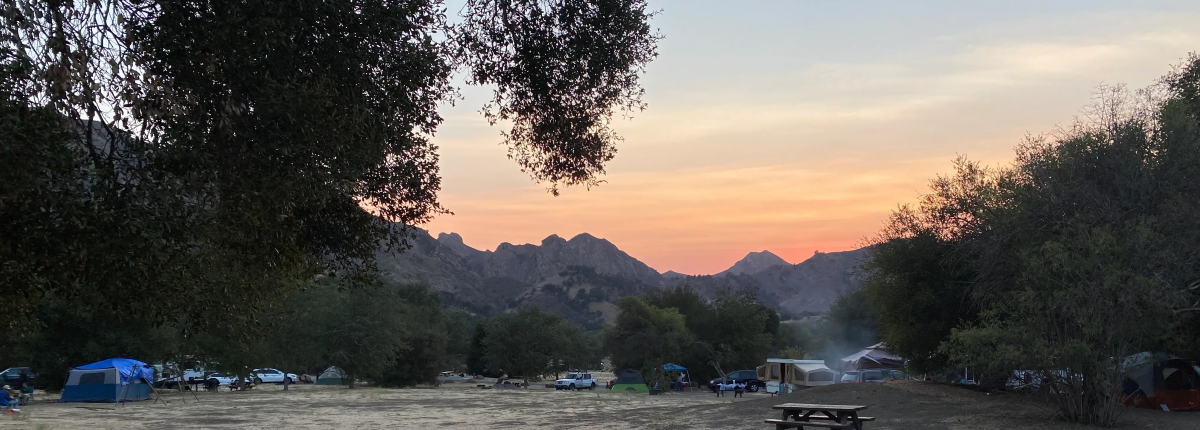
Malibu is home to a number of beautiful locations. If you want to experience camping Malibu style, head to Point Mugu State Park and you will find picnic spots with amazing ocean views, plenty of hiking trails, and many opportunities to go surfing. And the best thing about this location? There is not an expensive hotel room in sight!
If you’ve ever dreamed of a place where rugged cliffs meet pristine beaches, Point Mugu State Park delivers that and more. Nestled along the rugged coastline of the Santa Monica Mountains, this 2,200‑acre park offers a blend of dramatic ocean views, winding trails, and historic sites that keep visitors coming back season after season. Whether you’re a seasoned hiker, a family looking for a beach day, or just someone who loves a good picnic with a sea breeze, Point Mugu has something for everyone.
A Brief History and Why It Matters
Point Mugu isn’t just a pretty backdrop; it’s steeped in history. The name traces back to the Chumash people, who called the area Muwu—a place of gathering and sustenance. Later, during World War II, the nearby Naval Air Station used the coastline for training exercises, leaving behind a legacy of old concrete foundations and rusted aircraft wreckage that now serve as eerie yet fascinating photo spots. Understanding this history adds depth to a simple stroll, reminding visitors that the land has long been a crossroads of culture, commerce, and conflict.
Trails for Every Skill Level
The park’s trail system is a major draw, and it’s organized around three main hubs: the Mugu Canyon, Sycamore Canyon, and the Coastal Trail.
- Mugu Canyon offers a moderate 2‑mile loop that climbs through chaparral, rewarding hikers with sweeping views of the Pacific and a glimpse of the historic Mugu Lighthouse. The ascent can be steep, but the shaded sections provide relief on hot days.
- Sycamore Canyon is perfect for families. Its gentle, well‑marked path follows a seasonal creek, leading to a small waterfall that’s especially lively after winter rains. Kids love the occasional sight of deer or a curious rabbit darting across the trail.
- The Coastal Trail stretches along the shoreline, delivering uninterrupted ocean vistas. While the trail is mostly flat, certain sections can be slick from tide pools, so sturdy shoes are advised.
Each trail is equipped with interpretive signs that explain the local flora, fauna, and geology, turning a simple hike into an educational adventure.
Beach Time and Water Activities
When the sun is high, the park’s beaches become the focal point. Mugu Beach is a wide, sandy stretch ideal for sunbathing, beach volleyball, and building sandcastles. For the more adventurous, the rocky outcrops near the Mugu Rock formation attract surfers and bodyboarders looking for challenging breaks. The tide pools at low water are teeming with sea stars, anemones, and small crabs—perfect for a quick marine biology lesson.
If you’re interested in kayaking or paddle‑boarding, the calm waters of Sycamore Cove provide a sheltered environment that’s beginner‑friendly. Rental shops in nearby Oxnard can set you up with gear, and the park’s designated launch area keeps your experience safe and organized.
Picnic Spots and Practical Tips
Point Mugu State Park is well‑equipped for day‑trippers. Scattered picnic tables with grills sit near the Mugu Lagoon, offering a scenic backdrop for a family meal. Restrooms are available at the main parking lots, and the park’s visitor center provides maps, trail updates, and information on any seasonal closures.
Parking can fill up quickly on weekends, so arriving early (around 8 a.m.) is advisable. A Park‑And‑Ride option exists at the Pacific Coast Highway entrance, where you can leave your car and catch a shuttle to the trailheads during peak season. Remember to bring plenty of water, sunscreen, and a hat—shade is limited on the exposed coastal paths.
Conservation and Leaving No Trace
Because Point Mugu’s ecosystems are fragile, the park emphasizes “Leave No Trace” principles. Pack out all trash, stay on designated trails to protect native plants, and avoid disturbing wildlife, especially nesting seabirds along the cliffs. The park’s volunteer group, Friends of Point Mugu, regularly organizes clean‑up days—joining them is a great way to give back while learning more about local conservation efforts.
Trinidad – Patrick’s Point State Park
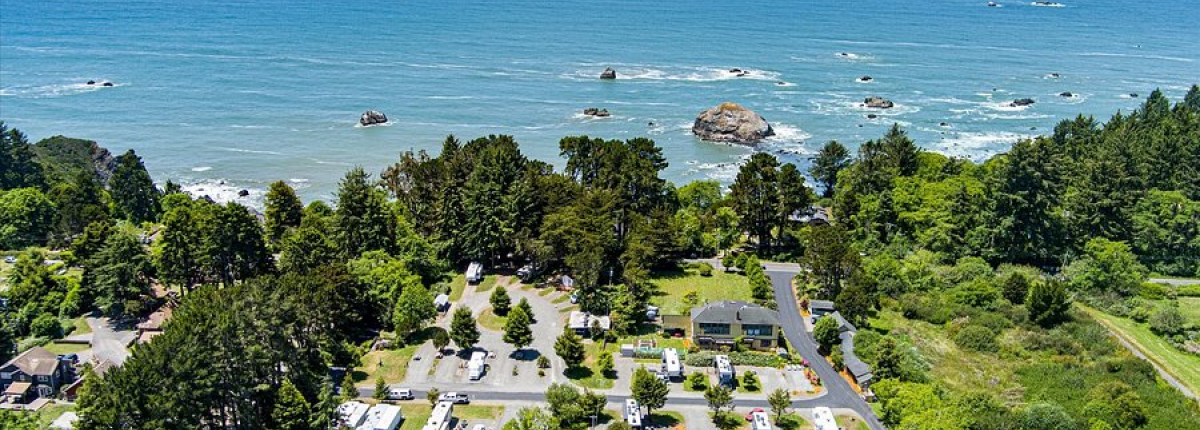
Tucked on the rugged northern coast of California, just a short drive north of Eureka, Patrick Point State Park is a compact but mighty destination that packs dramatic cliffs, ancient redwoods, and a splash of cultural heritage into just a few acres. It’s the kind of place that feels both wild and welcoming – perfect for a weekend day trip or a laid‑back afternoon with the kids. The park’s shoreline drops dramatically into the Pacific, creating natural amphitheaters for sunrise and sunset that photographers rave about. And because it’s a state‑run park, the facilities are well‑maintained, with clean restrooms, paved parking, and clearly marked trails that make exploring stress‑free.
What sets Patrick’s Point apart from many coastal spots is its blend of natural beauty and history. Long before European settlers arrived, the Yurok, Tolowa, and other Indigenous peoples considered this headland sacred, using the tide pools for fishing and the cliffs for ceremonial gatherings. Today, interpretive signs and a small cultural center give visitors a glimpse into that past, adding depth to a simple walk along the beach.
Hiking Trails: From Easy Walks to Moderate Treks
If you’re looking for a leisurely stroll, the Coastal Trail is a perfect choice. This mostly flat, paved path follows the shoreline for about a mile, offering continuous ocean views, occasional glimpses of sea‑lion colonies, and easy access to several tide‑pool stations where curious kids can spot starfish, crabs, and anemones. The trail is wheelchair‑friendly, making it inclusive for all ages and abilities.
For those craving a bit more elevation, the Humboldt Trail provides a moderate challenge. Starting at the main parking lot, the trail climbs through a stand of towering Sitka spruce and Douglas fir before breaking out onto a cliff‑side overlook. From here, you can see the jagged silhouette of the Lost Coast to the north and the rolling hills of the Redwood region to the south. The climb is steady but not strenuous; most hikers finish the loop in about an hour, and the payoff is a panoramic vista that feels like a reward for the effort.
Another hidden gem is the Madrone Loop, a short loop that circles a small meadow dotted with vibrant madrone trees. In late summer, the trees burst into a fiery orange‑red canopy, creating a striking contrast against the deep green of the forest and the blue of the ocean beyond. This loop is especially popular with photographers chasing that perfect golden‑hour shot.
Cultural Highlights: Learning While You Wander
One of the park’s standout features is the Native American Heritage Site, located near the western edge of the park. Here, you’ll find reconstructed tule houses, informational plaques, and occasional ranger‑led talks that delve into the traditional practices of the local tribes. The site also includes a small garden where native plants used for food and medicine are cultivated, offering a tactile connection to the past.
Adjacent to the heritage site is the Patrick’s Point Lighthouse, a modest yet iconic structure that dates back to 1891. While the lighthouse itself isn’t open for interior tours, the surrounding grounds provide a perfect spot for a picnic. Bring a blanket, some snacks, and watch the tide roll in while the lighthouse’s red lantern flashes against the dusk sky.
Family‑Friendly Activities and Amenities
Families will appreciate the park’s well‑planned amenities. Designated picnic areas equipped with tables, grills, and trash receptacles are scattered throughout the park, many offering ocean views. The tide‑pool exploration zone is a hands‑on educational experience: low tide reveals an underwater world that’s safe to touch, and park rangers often host brief talks about the marine life you encounter.
If you’re visiting during the summer months, keep an eye on the summer concert series held on the grassy knoll near the lighthouse. Local musicians perform acoustic sets, and the relaxed atmosphere makes for a memorable evening under the stars.
Practical Tips for a Smooth Visit
- Parking: There are two main lots – the North Lot (near the trailheads) and the South Lot (closer to the beach). Both fill up quickly on sunny weekends, so arrive early.
- What to Bring: Comfortable walking shoes, layered clothing (coastal fog can roll in fast), sunscreen, and a reusable water bottle.
- Safety: Stay aware of tide schedules; the tide pools are safe at low tide but can become hazardous as water rises.
- Pet Policy: Dogs are allowed on the trails but must be leashed. They’re not permitted on the beach or in the tide‑pool area.
Whether you’re chasing dramatic seascapes, tracing ancient footpaths, or simply enjoying a family picnic by the water, Patrick’s Point State Park offers a compact yet unforgettable slice of California’s coastal charm.
Humboldt County – Shipman Creek Campsite
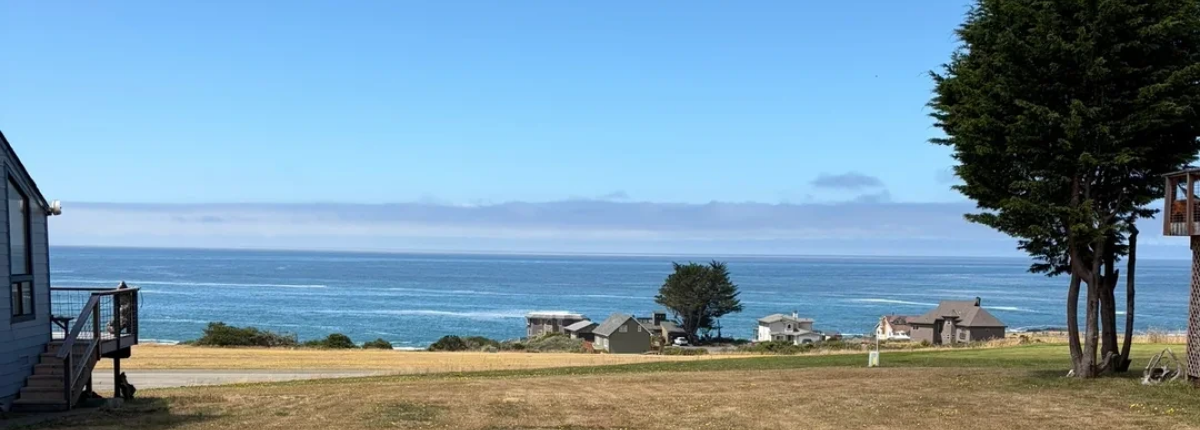
For the adventurous among you, the Shipman Creek campsite on the Lost Coast Trail cuts through one of the wildest areas of estates coastline. This is one of the most challenging trails out there, taking approximately 4 days to navigate this 25.3 mile trail, and most of it is rough terrain, all while carrying every essential item on you! So it’s important to make sure you have a sturdy backpack! But for all of the effort you will need to navigate this terrain, the payoff is huge. The scenery includes the King Range Mountains, and if you’re lucky, you may also witness the Roosevelt elk that are native to this area.
Getting There: A Simple, Scenic Drive
Reaching Shipman Creek is part of the adventure. From the town of Eureka, hop onto US‑101 north for about 15 miles, then turn onto County Road 12, which winds through a patchwork of old‑growth redwoods and open meadows. The turnoff for the campsite is marked by a modest wooden sign, and a short gravel road leads you to the parking area. The drive itself takes roughly 30 minutes, but the gentle curves and occasional wildlife sightings—deer, bobcats, and a chorus of songbirds—make the journey feel like a mini‑escape.
Parking is limited to 15 vehicles, so arriving early—especially on weekends—ensures you’ll snag a spot. If you’re traveling with a larger group, consider arriving the night before and setting up a “tent‑only” spot in the designated overflow area. The road is well‑maintained for most standard vehicles, but a high‑clearance or all‑wheel‑drive vehicle is helpful during rainy seasons when the gravel can become slick.
Campsite Features: Comfort in the Wild
Shipman Creek’s 20 individual sites are spaced generously, allowing each camper a private nook surrounded by towering Douglas firs. Each site includes a fire ring, a picnic table, and a basic pit toilet located a short walk away. The creek itself runs just a few yards from most sites, providing a natural soundtrack of babbling water that’s perfect for falling asleep under the stars.
While there are no electric hookups, many visitors bring portable solar panels to keep devices charged. Water is sourced directly from the creek, but it’s strongly recommended to filter or boil it before drinking. For those who love cooking outdoors, the fire ring is ideal for a classic campfire dinner—just be sure to follow the county’s fire restrictions, which are posted at the entrance.
Activities and Attractions Nearby
Adventure seekers will find plenty to do around Shipman Creek. The creek itself offers gentle wading and occasional trout spotting for the angler in you. A short, well‑marked trail loops around the campsite, leading to a viewpoint where you can see the broader Redwood canopy stretching to the horizon. For a longer hike, the Redwood Trailhead is only 2 miles away and promises a 5‑mile trek through dense old‑growth forest, complete with interpretive signs about the area’s ecology.
If you prefer a more relaxed pace, bring a good book and settle on the picnic table while listening to the creek’s rhythm. Birdwatchers will delight in the variety of species that frequent the area—spotted owls, woodpeckers, and the occasional bald eagle soaring above the treetops.
Practical Tips for a Smooth Stay
- Reserve Early: The Humboldt County Parks and Recreation website allows online reservations for Shipman Creek. Slots fill up quickly in summer, so book at least a month ahead.
- Pack In, Pack Out: The campsite follows a strict “Leave No Trace” policy. Bring reusable containers, trash bags, and be prepared to carry out everything you bring in.
- Weather Prep: Coastal Humboldt can be foggy and damp, even in summer. Pack layered clothing, waterproof boots, and a reliable rain jacket.
- Safety First: While the area is generally safe, keep food stored securely to avoid attracting bears or raccoons. A simple bear canister or airtight container does the trick.
- Connectivity: Cell service is spotty; consider downloading maps and trail information beforehand.
Why Shipman Creek Should Be on Your List
In a world where outdoor spaces are becoming increasingly crowded, Shipman Creek offers a slice of solitude without sacrificing the comforts of a well‑maintained campsite. Its easy access, scenic surroundings, and variety of activities make it a top choice for families, solo travelers, and groups alike. Whether you spend a night under the stars or a full weekend exploring the surrounding Redwood forest, you’ll leave with memories of rustling leaves, cool creek water, and the quiet confidence that you’ve found a true Humboldt County treasure.
So pack your tent, bring your sense of adventure, and let Shipman Creek welcome you to a peaceful corner of Northern California’s coastal wilderness.
Santa Cruz Island – Scorpion Ranch
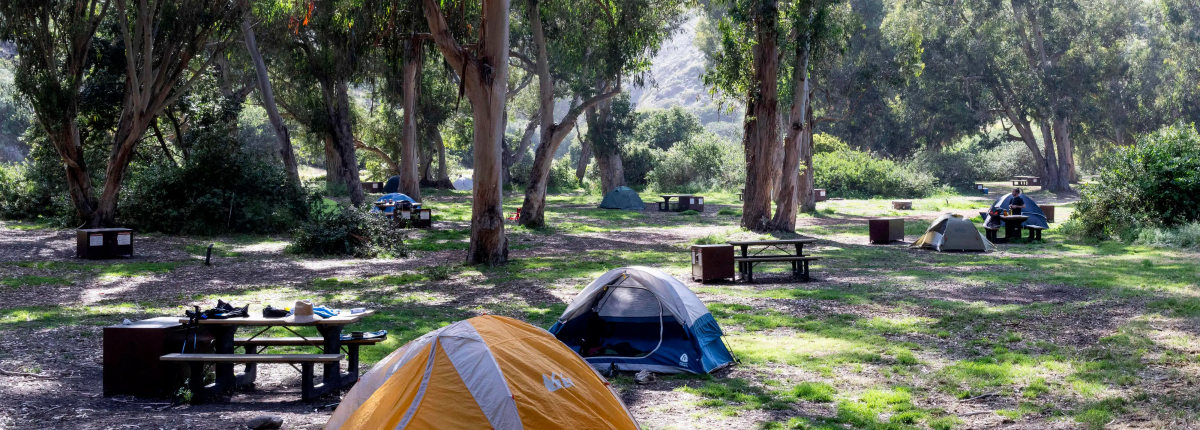
If you’ve ever dreamed of stepping onto a piece of pristine California coastline that feels untouched by time, Scorpion Ranch on Santa Cruz Island is the place to start. Part of the Channel Islands National Park, this historic ranch offers a fascinating blend of natural beauty, cultural heritage, and outdoor adventure—all within a relatively short ferry ride from the mainland. Whether you’re a seasoned hiker, a history buff, or simply someone who loves a good beach walk, Scorpion Ranch has something to captivate you.
A Brief History of Scorpion Ranch
Scorpion Ranch traces its roots back to the early 1900s when the ranch was established by a group of Mexican‑American cattlemen. The name “Scorpion” actually comes from the ranch’s original owners, the Scorpion family, who used the land for grazing and farming. Over the decades, the ranch saw a variety of uses—sheep herding, goat grazing, and even a brief stint as a movie set in the 1940s. In 1980, the National Park Service acquired the property, preserving its historic structures while allowing the public to explore the site.
Today, visitors can still see the original ranch house, a small stone corral, and a few weathered fences that hint at the island’s agricultural past. Interpretive signs placed by the park provide context, letting you imagine life on the island before the advent of modern tourism.
Getting There – A Simple Ferry Ride
Reaching Scorpion Ranch is part of the adventure. Ferries depart from Ventura, Oxnard, and Santa Barbara, with most trips taking about an hour and a half. Once you set foot on the island, a well‑marked trailhead leads you toward the ranch. The walk from the ferry dock to the ranch is roughly 1.5 miles, making it a comfortable moderate hike for most visitors. If you prefer a shorter approach, you can rent a bike from the island’s visitor center and pedal your way to the historic site.
What to Do at Scorpion Ranch
Hiking and Wildlife Watching
The surrounding terrain offers a network of trails that range from easy beach walks to more challenging ridge climbs. While you’re on the trails, keep an eye out for island foxes, a small, endemic mammal found only here. Birdwatchers will love spotting the elegant white‑crowned pigeon and various gull species that swoop over the cliffs.
Picnic and Relaxation
Scorpion Ranch features a modest picnic area with tables and a shaded spot under a lone eucalyptus tree. Pack a lunch, soak up the salty breeze, and listen to the distant roar of waves crashing against the shoreline. The spot is perfect for a family outing or a quiet break after a morning hike.
Exploring Historic Structures
Take time to wander around the original ranch house. Although the interior isn’t open for tours, the exterior walls and the stone foundation tell a story of early 20th‑century island life. Photographers love the rustic charm, especially during golden hour when the setting sun casts warm hues over the weathered wood.
Practical Tips for a Smooth Visit
- Plan Ahead: Ferry schedules can change seasonally, so check the latest times and book tickets in advance, especially during peak summer months.
- Pack Essentials: Bring plenty of water, sunscreen, a hat, and sturdy shoes. There are no vending machines on the island, and the nearest restroom is at the visitor center.
- Leave No Trace: The Channel Islands are a protected ecosystem. Carry out all trash, stay on designated trails, and avoid disturbing wildlife.
Why Scorpion Ranch Is Worth the Trip
Scorpion Ranch may not have the fame of a major national park attraction, but that’s exactly why it feels like a hidden gem. Its mix of natural splendor, quiet beaches, and a touch of historic intrigue makes it a perfect day‑trip destination for anyone looking to escape the hustle of mainland life. So next time you’re planning a coastal adventure, consider hopping on a ferry and discovering the understated charm of Scorpion Ranch in Channel Islands National Park.
> View the article 10 Best Camping Sites with Lakes on The West Coast