

How to Use Resistance Bands for Abs

If you’ve been scrolling through fitness forums, you’ve probably heard that resistance bands can do more than just tone your legs. In fact, they’re a versatile tool for sculpting a tighter, stronger core without the need for heavy equipment or a crowded gym. The elastic tension forces your abdominal muscles to work harder throughout each movement, which means you get a deeper burn and better engagement than many traditional body‑weight exercises. Plus, bands are lightweight, portable, and inexpensive, making them ideal for anyone—from beginners to seasoned athletes—who wants to add variety to their ab routine.
Resistance bands are a great way to add variety and intensity to your ab workouts. They can be used to target all of the major abdominal muscles, including the rectus abdominis (six-pack muscles), obliques, and transverse abdominis. Discover some of the benefits of using resistance bands for abs:
Here are some of the benefits of using resistance bands for abs:
- They are portable and easy to use, so you can take them with you wherever you go.
- They are relatively inexpensive, so you don’t have to break the bank to get started.
- They provide a challenging workout that can help you build muscle and strength.
- They can help you improve your range of motion and flexibility.
- They can help reduce your risk of injury.
Mental and emotional health can be improved through exercise and resistance training is a great option to build muscle and improve cardo health. If you are new to using resistance bands, it is important to start with a light resistance band and gradually increase the resistance as you get stronger. When learning how to use resistance bands for abs you should warm up before you start your workout and cool down afterwards.
 Here are some ab exercises you can do:
Plank with Knee Pulls
- Lie face down on the floor with your knees bent and your feet flat on the floor.
- Loop the resistance band around your feet and grasp the ends of the band with your hands.
- Raise your body into a plank position, keeping your back straight and your core engaged.
- Slowly pull your knees towards your chest, keeping your elbows close to your sides.
- Return to the starting position and repeat.
Russian Twist
- Sit on the floor with your knees bent and your feet flat on the floor.
- Loop the resistance band around your feet and grasp the ends of the band with your hands.
- Lean back slightly, keeping your back straight and your core engaged.
- Twist your torso from side to side, keeping the band taut.
- Return to the starting position and repeat.
Crunches
- Lie on your back with your knees bent and your feet flat on the floor.
- Loop the resistance band around your feet and grasp the ends of the band with your hands.
- Place your hands behind your head and curl your upper body up towards your knees, keeping your core engaged.
- Lower back down to the starting position and repeat.
Side Crunches
- Lie on your side with your knees bent and your feet stacked on top of each other.
- Loop the resistance band around your waist and grasp the ends of the band with your hands.
- Place your hands behind your head and curl your upper body up towards your knees, keeping your core engaged.
- Lower back down to the starting position and repeat.
Leg Raises
- Lie on your back with your knees bent and your feet flat on the floor.
- Loop the resistance band around your feet and grasp the ends of the band with your hands.
- Raise your legs up towards the ceiling, keeping your core engaged.
- Lower your legs back down to the starting position and repeat.
Bird Dog
- Get on all fours with your hands shoulder-width apart and your knees hip-width apart.
- Loop the resistance band around your right foot and grasp the end of the band with your right hand.
- Extend your right arm and your right leg out in front of you, keeping your core engaged.
- Return to the starting position and repeat on the left side.
Plank with Side Reaches
- Get into a plank position with your forearms on the floor and your body in a straight line from your head to your heels.
- Loop the resistance band around your right foot and grasp the end of the band with your right hand.
- Reach your right arm out to the side, keeping your core engaged.
- Return to the starting position and repeat on the left side.
These are just a few of the many exercises you can do with resistance bands for abs. With a little creativity, you can come up with a variety of workouts that will challenge and strengthen your abdominal muscles.
Resistance Bands Ab Workout Tips
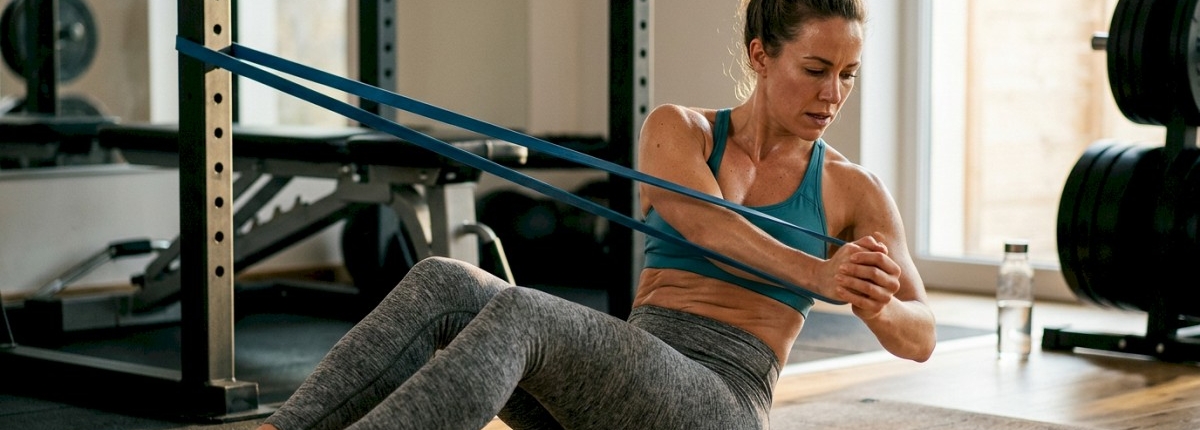
Get the most out of your workout:
- Use a resistance band that is challenging but not too difficult.
- Focus on proper form and technique.
- Don’t be afraid to ask for help from a qualified fitness professional.
- Be consistent with your workouts.
With hard work and dedication, you can use resistance bands to sculpt a strong and defined core.
Tips for Maximizing Your Band Ab Workout
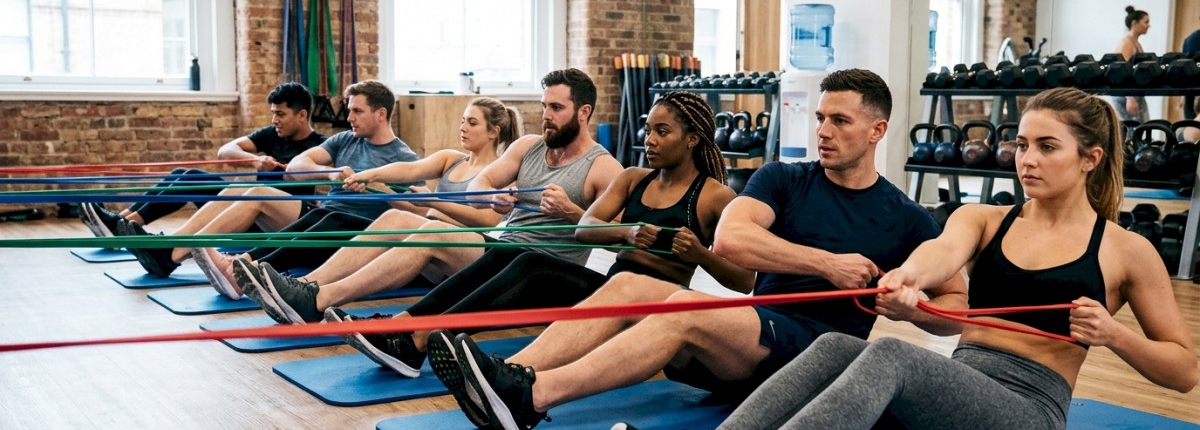
- Maintain Tension: Never let the band go slack mid‑set; continuous tension keeps the muscles engaged.
- Control the Tempo: Slow, deliberate movements (2‑3 seconds each phase) boost time‑under‑tension, leading to better results.
- Breathe Properly: Exhale during the exertion phase (e.g., pulling the band) and inhale during the return.
- Progress Gradually: Increase resistance or add repetitions once the current level feels easy—don’t rush.
Wrapping Up: Consistency Is Key
Incorporating resistance bands into your ab routine can transform a mundane core workout into a dynamic, challenging session. By selecting the appropriate band, mastering a handful of fundamental moves, and adhering to proper form, you’ll see stronger, more defined abs faster than with body‑weight alone. Remember, the best results come from consistent practice—aim for two to three band‑focused ab sessions per week and watch your core strength skyrocket.