

Why You Need a Tactical Strobe Flashlight – Light, Safety & Power
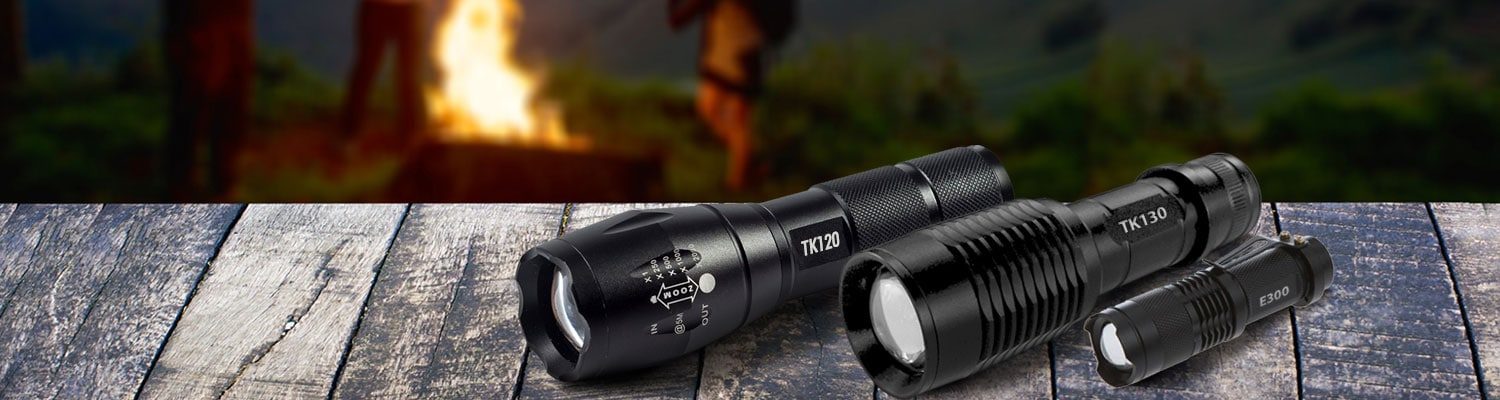
A tactical strobe flashlight isn’t just a brighter version of your standard handheld torch. It combines high‑intensity LED illumination with a rapid, flashing mode that can disorient, signal, or simply draw attention in critical moments. While a regular flashlight might shine a steady beam for reading maps or finding a key under a couch, a tactical strobe adds a pulsating rhythm that can temporarily blind an attacker, signal for help, or act as a deterrent in low‑light confrontations. The design usually includes a rugged aluminum housing, an easy‑to‑access push‑button for strobe activation, and a variety of beam settings ranging from a focused spot to a wide flood. Some models even come with programmable modes, allowing you to set the flash frequency to match specific needs.
The term “tactical” is borrowed from law‑enforcement and military gear, implying durability, reliability, and performance under stress. These flashlights are built to survive drops, water exposure, and extreme temperatures, making them a solid investment for anyone who spends time outdoors, drives at night, or simply wants an extra layer of personal safety. In short, a tactical strobe flashlight is a multi‑purpose tool that merges illumination with a strategic flashing capability, turning light into a defensive asset.
Why Everyday Situations Call for a Strobe Feature
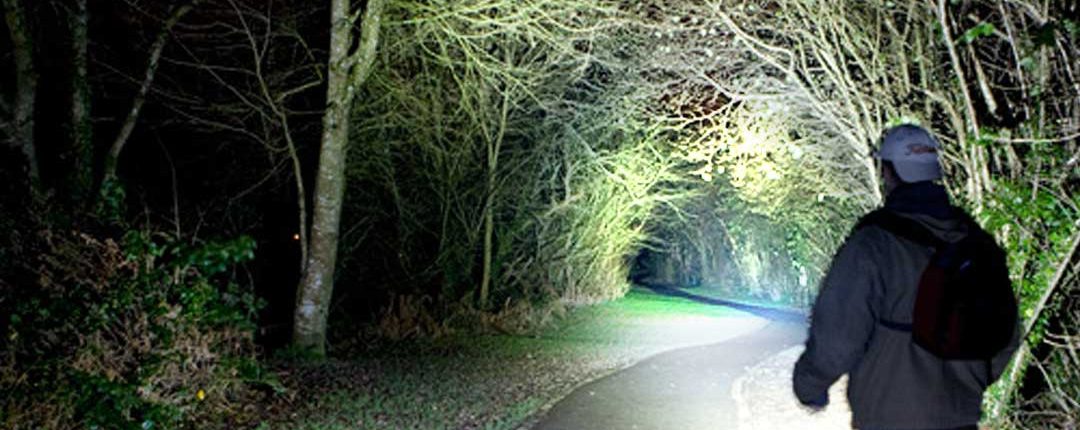
Even if you never envision yourself in a hostile encounter, the strobe function can be a lifesaver during everyday emergencies. Imagine a roadside breakdown after dark: a flashing light can alert passing drivers to your presence, reducing the risk of a secondary collision. In a power outage, a strobe can serve as an unmistakable beacon for rescuers or family members searching the house. The rapid pulses are also effective for deterring wildlife—a sudden burst of bright, flickering light can scare away curious raccoons, stray dogs, or even aggressive birds that might otherwise approach you.
Beyond safety, the strobe can be a practical communication tool. Hikers often use flash patterns to signal their location to a group that’s out of sight. In a maritime environment, a strobe can help a boat signal distress without relying on audible alarms that may be muffled by wind or water. Even in urban settings, a brief strobe can catch the eye of a passerby when you need immediate assistance, such as when a child wanders off or you drop something valuable in a dark alley. The versatility of the strobe mode means it’s not just a gimmick; it’s a functional feature that enhances the flashlight’s utility in countless scenarios.
Personal Safety: How a Strobe Can Defend You
When personal safety is at stake, the tactical strobe becomes a non‑lethal weapon of light. The human eye is highly sensitive to sudden changes in brightness. A rapid flash can cause temporary visual impairment, disorientation, and even nausea in an attacker. This gives you a crucial few seconds to escape, call for help, or gain control of the situation. Studies on flashbang grenades and disorienting lights confirm that exposure to high‑intensity strobe patterns can disrupt an attacker’s depth perception and balance, effectively neutralizing a threat without permanent harm.
To use this feature responsibly, practice activating the strobe under controlled conditions so you can deploy it instinctively. Hold the flashlight at eye level and aim the beam directly at the threat’s face; the combination of bright, pulsating light and the element of surprise can be enough to halt an aggressive advance. Remember, the goal isn’t to cause lasting injury but to create a momentary blind spot that lets you get away safely. Pairing the strobe with a verbal warning—”Back off!”—adds a psychological deterrent, reinforcing that you are prepared and not an easy target.
Emergency Signaling: When Light Is Your Voice
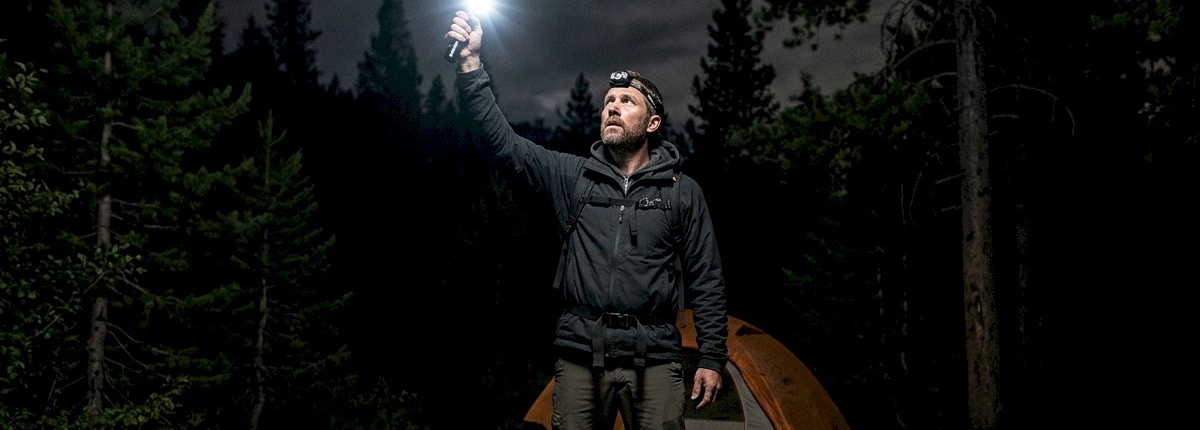
In emergency scenarios, especially where sound may be muffled or unheard, light becomes a critical communication channel. A tactical strobe can transmit pre‑arranged Morse‑like signals—short flashes for “S,” long flashes for “O,” etc.—allowing you to convey simple messages across distances. For example, three quick bursts followed by a pause can signal “I’m okay,” while a continuous rapid strobe can indicate “Need immediate assistance.” Many outdoor organizations teach these signaling patterns as part of basic survival training.
Moreover, the strobe’s high visibility makes it ideal for attracting attention from aircraft or distant rescue teams. The rapid flicker can be seen from several hundred meters away, especially against a dark sky. If you’re stranded on a trail or caught in a storm, turning on the strobe and holding it steady can dramatically increase your odds of being spotted. Some modern tactical flashlights even feature built-in SOS modes that automatically emit the internationally recognized three short, three long, three short pattern, freeing you from the need to manually time each flash.
Durability and Build Quality: Why It Matters
A tactical strobe flashlight is only as good as its ability to function when you need it most. That’s why manufacturers invest heavily in rugged materials like aircraft‑grade aluminum, impact‑resistant polymer lenses, and sealed O‑ring constructions that guarantee water resistance up to IPX8 (submersion in several meters of water for 30 minutes). These specifications ensure the device survives drops, extreme temperature fluctuations, and even exposure to sand or mud.
Durability also extends to the battery system. Many tactical flashlights use rechargeable lithium‑ion cells with built-in protection circuits to prevent over‑charging, overheating, or deep discharge. Some models offer removable CR123A batteries for situations where recharging isn’t feasible. A reliable power source means the strobe will fire when you need it, not after the battery has drained from routine use. Look for models with a battery indicator—a small LED that displays remaining charge—so you never face a surprise blackout during an emergency.
Choosing the Right Tactical Strobe for You
When shopping for a tactical strobe flashlight, start by assessing your primary use cases. If you need a compact tool for everyday carry (EDC), look for a size that fits comfortably in a pocket or on a belt loop—typically 3 to 4 inches in length and weighing under 6 ounces. For outdoor adventures, a higher lumen flashlight for camping with an output of 900+ lumens and a longer runtime, as you’ll likely rely on the flashlight for extended periods.
Consider the variety of lighting modes. A good tactical flashlight offers at least three settings: a low‑power “eco” mode for preserving battery life, a high‑power “max” mode for intense illumination, and a dedicated strobe mode with adjustable frequencies. Some advanced units let you program custom flash patterns, which can be handy for unique signaling needs. Finally, read reviews focusing on build quality, battery longevity, and the ease of switching between modes. Brands with a reputation for military‑grade standards—such as SureFire, Streamlight, or Fenix—often provide the most reliable performance.
Legal Considerations and Responsible Use
While owning a tactical strobe flashlight is legal in most jurisdictions, it’s wise to understand local regulations, especially if you plan to carry it concealed or use it in public spaces. Some regions categorize high‑intensity flashlights as “self‑defense weapons,” which may require registration or impose usage restrictions. In any case, the strobe should be employed responsibly—only in genuine self‑defense or emergency scenarios—to avoid accusations of assault or reckless endangerment.
Training is essential. Many police academies include flash‑light tactics as part of their curriculum, teaching officers how to angle the beam, control the strobe duration, and combine light with verbal commands. You don’t need to be a law‑enforcement officer to benefit from similar training; community safety workshops and online tutorials can provide valuable guidance. Practicing in a safe environment builds muscle memory, ensuring you’ll react correctly under stress.
Maintenance Tips to Keep Your Flashlight Ready
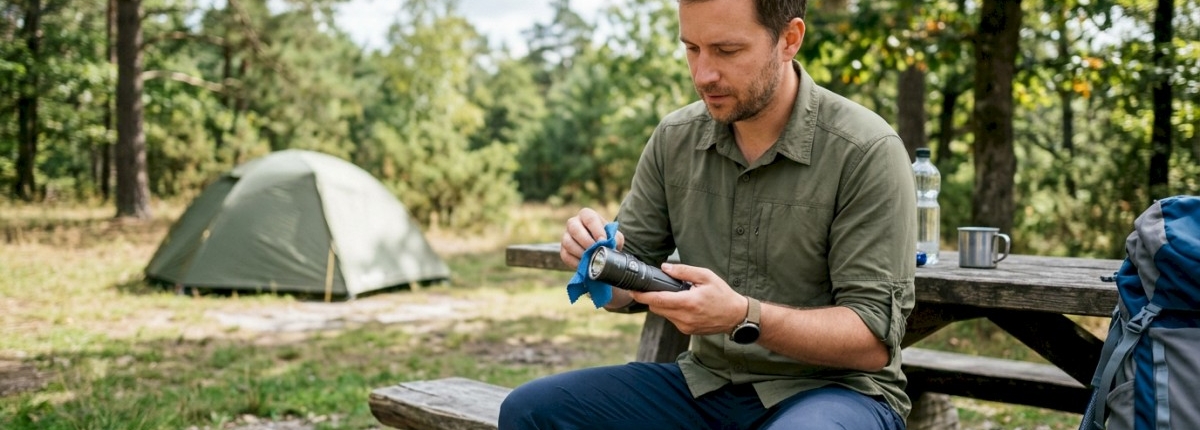
A tactical strobe flashlight is a low‑maintenance device, but a few simple habits extend its lifespan. After each use, especially in dusty or wet conditions, wipe the lens with a soft microfiber cloth to prevent residue buildup that could diminish light output. Periodically check the O‑rings and seals for cracks; replace them if you notice any wear. For rechargeable models, avoid leaving the battery at 100 % charge for extended periods—a 50‑80 % charge state is optimal for battery health.
If you store the flashlight for months, discharge the battery to about 30 % and store it in a cool, dry place. This prevents deep discharge, which can render lithium cells unusable. When you’re ready to use it again, perform a quick function test: turn it on, cycle through the modes, and verify the strobe flashes at the intended rate. Regular checks ensure that the flashlight will perform flawlessly when the moment arrives.
Real‑World Stories: When a Strobe Made a Difference
Consider the case of a solo hiker in the Pacific Northwest who slipped on a wet rock and injured his ankle. With night falling and no cell service, he activated the strobe mode of his tactical flashlight and held it high. A passing rescue team spotted the rhythmic flashing from over a mile away and located him quickly, preventing hypothermia. In another incident, a commuter waiting at a dimly lit subway platform used a strobe to alert a nearby security guard about an aggressive individual. The sudden flash startled the aggressor, allowing the commuter to step back and call for assistance.
These anecdotes underscore the practical benefits of a tactical strobe flashlight. They illustrate how a simple burst of light can bridge the gap between danger and safety, turning a passive tool into an active defense and signaling device. Whether you’re navigating backcountry trails, dealing with a car breakdown, or walking home after a late shift, that flashing beam can be the difference between being found quickly and remaining unseen.
Integrating the Flashlight Into Your Daily Gear
To maximize the utility of your tactical strobe flashlight, integrate it into your regular gear routine. Attach it to a keychain, a MOLLE (Modular Lightweight Load‑Carrying Equipment) strap, or a dedicated pocket on a multitool. Having it within arm’s reach reduces the time needed to draw it in an emergency. Pair the flashlight with a personal alarm or a pepper spray canister for a comprehensive self‑defense kit that covers auditory, visual, and chemical deterrence.
If you travel frequently, consider a travel‑friendly version that complies with airline battery regulations. Some tactical flashlights come with detachable battery packs that can be checked in separately, allowing you to keep the flashlight itself in your carry‑on without violating safety policies. By making the flashlight a habitual part of your everyday carry, you ensure it’s always ready when you need it most.
Bottom Line: Light Up Your Safety Strategy
A tactical strobe flashlight does more than illuminate the darkness; it empowers you with a versatile tool that can protect, signal, and communicate when words or sounds fall short. Its combination of rugged construction, high‑intensity illumination, and disorienting flash capability makes it an essential addition to any personal safety or outdoor preparedness kit. By understanding its functions, choosing a model that fits your lifestyle, and maintaining it properly, you’ll have a reliable ally that turns light into a defensive advantage.
Invest in a quality tactical strobe flashlight today, practice its use, and incorporate it into your routine. When the unexpected occurs, you’ll have the confidence that a single flash can make a world of difference.