

What is The Best 18650 Battery for a Flashlight?
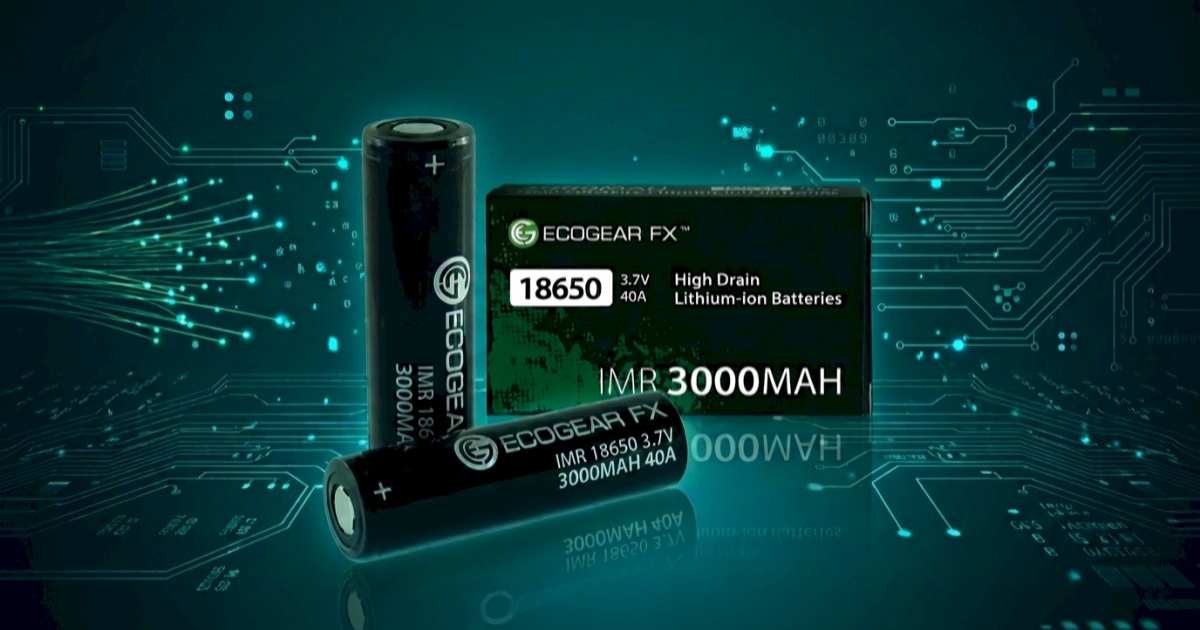
If you’ve ever hunted for the perfect flashlight, you know the battery is the heart of the performance. The 18650 form factor has become the go‑to choice for high‑output torches because it packs a lot of energy into a compact cylinder. But not all 18650 cells are created equal. Some prioritize capacity, others push out high current, and a few try to balance both. In this guide we’ll break down the key specs you should look for, compare the top contenders on the market, and ultimately answer the burning question: What is the best 18650 battery for a flashlight? By the end you’ll be able to match the right cell to your specific lighting needs, whether you’re hiking, backpacking, a professional search‑and‑rescue worker, or just someone who wants a reliable home‑emergency light.
Why the 18650 Matters More Than You Think
The 18650 designation isn’t just a random number; it tells you the cell’s dimensions (18 mm × 65 mm) and hints at its internal chemistry. Because the size is standardized, flashlight manufacturers can design drivers that squeeze the most out of these cells without worrying about fit. The real differentiators are capacity (mAh), continuous discharge rating (A), peak discharge, and chemistry (Li‑Ion vs. Li‑FePO4). A higher capacity means longer run time at low draw, while a higher discharge rating lets the flashlight push more lumens without voltage sag. If you pair a high‑drain torch with a low‑drain cell, you’ll see dimmer output and a shorter lifespan.
Core Specifications to Evaluate
Capacity (mAh)
Capacity is measured in milliamp‑hours and indicates how many milliamps a battery can deliver for an hour before it hits its cut‑off voltage (usually around 2.5 V for Li‑Ion). For a typical 18650, capacities range from 1500 mAh to 3500 mAh. Higher capacity cells are great for low‑power modes—think a steady 100‑lumens beam that you might use for reading maps. However, high‑capacity cells often have larger internal resistance, which can limit peak current output.
Continuous Discharge Rating (C‑rating)
The continuous discharge rating tells you how many amps a cell can safely supply over a sustained period. A 10 A rating is common for mid‑range cells, while high‑drain models can push 20 A or more. The C‑rating is crucial for flashlights with multiple output levels, especially turbo modes that can demand 15 A or higher. Exceeding the rating will cause voltage drop, reduced brightness, and potentially damage the cell.
Peak Discharge & Pulse Capability
Peak discharge is the short‑burst current a cell can handle, typically for a few seconds. Some flashlights use a brief flash of full power to break through fog or to signal. A cell rated for a 30 A peak can handle these bursts without catastrophic failure, but you still need a respectable continuous rating for sustained use.
Chemistry and Safety Features
Most 18650s are lithium‑ion (Li‑CoO₂) with a nominal voltage of 3.7 V, but lithium‑iron‑phosphate (Li‑FePO4) variants exist and sit at 3.2 V. Li‑FePO4 cells are more chemically stable and less prone to thermal runaway, making them a good choice for mission‑critical gear. However, they sacrifice some energy density, so you’ll see lower mAh numbers. Look for cells with built‑in protection circuits (over‑charge, over‑discharge, short‑circuit) if you plan to charge them outside a dedicated charger.
Matching Battery to Your Flashlight Type
Low‑Power Everyday Lights
If your flashlight spends most of its time in a 10‑100 lumens mode for reading or navigating trails, capacity becomes the dominant factor. In this scenario, many popular models will give you the longest run time. You can comfortably stay in low mode for 8‑12 hours on a single charge without worrying about voltage sag.
High‑Output Tactical and Search‑and‑Rescue Lights
Tactical lights often have a 2000‑lumens turbo mode that draws 15‑25 A. For these applications, you need a cell with a robust continuous rating and low internal resistance. The Sony VTC6 shines here, delivering stable voltage even at 20 A draws, which translates to consistent brightness and less flicker. Pairing a VTC6 with a quality charger will also preserve its cycle life.
Balanced All‑Rounders
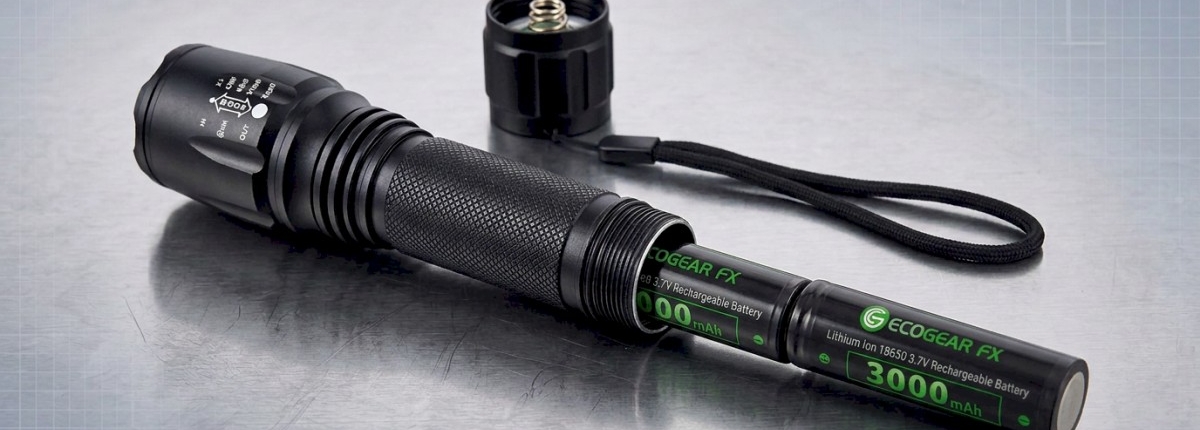
For users who want flexibility—moderate run time in low mode and the ability to hit a 1500‑lumens boost occasionally—the EcoGear FX 18650 is the sweet spot. Its 15 A rating covers most mid‑drain flashlights, and its 3000 mAh capacity keeps you on the road for several hours before needing a recharge.
Extreme Safety or Harsh Environments
When temperature extremes or rugged conditions are a concern, the A123 Li‑FePO4 cell offers the best thermal resilience. It won’t catch fire even if punctured, and its flat discharge curve means you won’t experience sudden drops in voltage. This makes it a favorite among mountain rescue teams and military units that operate in unpredictable climates.
How to Test and Verify Battery Performance
Using a Dedicated Battery Analyzer
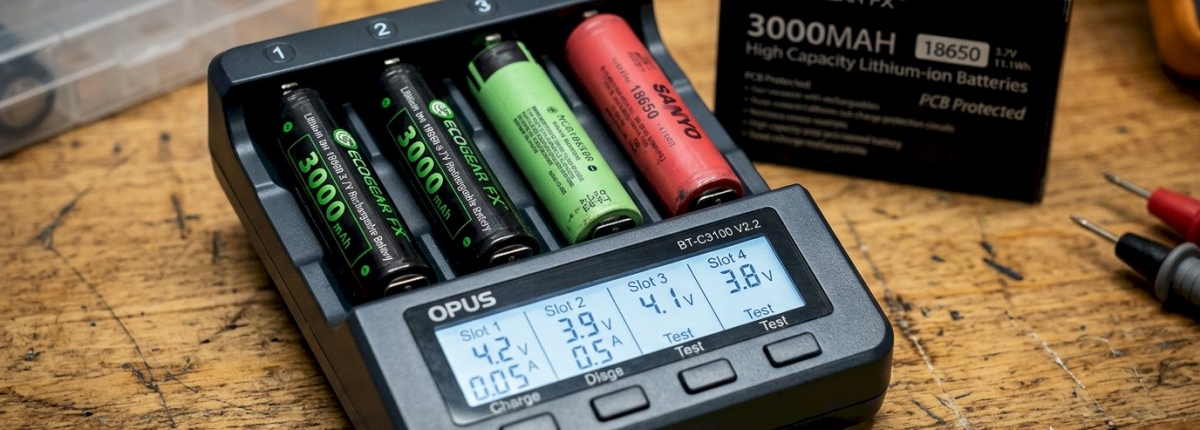
Invest in a good battery analyzer like the Opus BT-C3100. It can measure capacity, internal resistance, and discharge curves under real‑world loads. Run a test at 10 A for 30 minutes, then compare the voltage drop to the manufacturer’s spec sheet. A well‑performing cell should stay above 3.0 V for the majority of the test.
Checking for Authenticity
The 18650 market is plagued with counterfeit cells, especially on auction sites. Look for holographic stickers, compare the weight (a genuine high‑capacity cell usually weighs around 45‑48 g), and verify the serial number on the manufacturer’s website. Counterfeits often have inflated mAh claims but exhibit high internal resistance and rapid voltage sag.
Proper Charging Practices
Never exceed the recommended charge voltage (4.2 V for Li‑Ion, 3.65 V for Li‑FePO4). Use a charger with a balance function and a cut‑off at the proper voltage. Overcharging not only shortens cycle life but can also cause swelling—a clear sign of a failing cell.
Frequently Asked Questions
Q: Can I use a 18650 with a higher voltage than 3.7 V? A: No. Flashlights are designed around a nominal 3.7 V cell. Using a higher‑voltage cell can damage the driver and reduce LED lifespan.
Q: How many charge cycles can I expect? A: Most high‑quality 18650s offer 300‑500 full cycles before capacity drops to 80 % of the original.
Q: Is it safe to carry spare 18650s in my pocket? A: Yes, as long as they have built‑in protection and are stored at 30‑50 % charge. Avoid extreme heat (e.g., leaving them in a car on a summer day) especially if you are hiking or backpacking.
Conclusion: The Best 18650 Battery for Your Flashlight
There isn’t a one‑size‑fits‑all answer, so pick a single cell that balances capacity, current capability, safety and price. It should deliver enough power for high‑drain tactical lights while hiking, backpacking or extreme uses — offering a respectable 3000 mAh run time for everyday tasks. For those who need extreme output, the Sony VTC6 is the undisputed champion, and for marathon‑length runs, the LG MJ1 or Panasonic NCR18650B are unbeatable. Ultimately, match the battery’s specs to your flashlight’s draw profile, and you’ll enjoy consistent illumination, longer life, and peace of mind.