

What Is a 18650 IMR Battery? Benefits, Safety & Uses
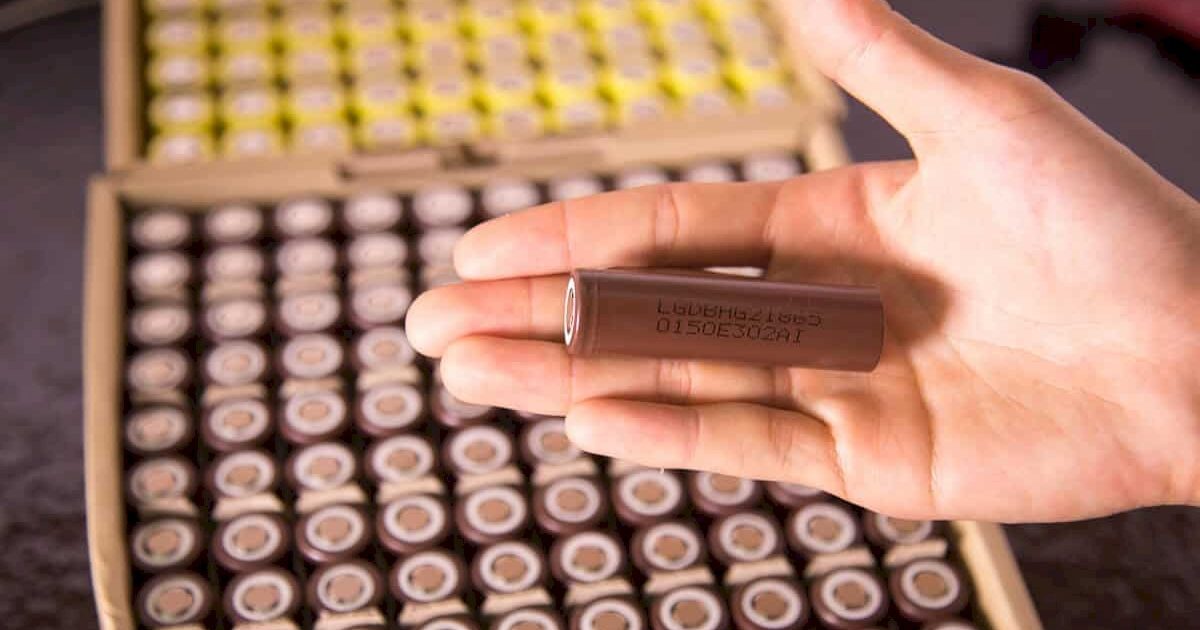
Advances in battery technology have meant that consumers now have access to a wide array of batteries that offer greater capacities and longevity than ever before. One of the most popular types of batteries are 18650 IMR batteries.
If you’re new to IMR batteries, you might not fully understand why they exist and how they get best suited to specific applications. The following explains more on the subject and why you might want to consider buying IMR batteries for your needs:
If you’ve ever tinkered with flashlights, DIY power projects, or even electric scooters, you’ve probably come across the cryptic term 18650 IMR battery. It sounds like a model number for a futuristic gadget, but in reality it’s a very specific type of rechargeable lithium‑ion cell. Understanding what makes an 18650 IMR different from other 18650s can help you pick the right power source, avoid safety hazards, and get the most out of your devices.
Breaking Down the Name
The label 18650 tells you the cell’s size. The first two digits (18) represent the diameter in millimetres, the next two (65) are the length in millimetres, and the final “0” indicates a cylindrical shape. In plain English, an 18650 is a cylinder about the size of a large AA battery but capable of storing far more energy.
IMR is the chemistry code. In lithium‑ion nomenclature, the letters describe the cathode material and safety characteristics:
- I stands for Iron‑based cathode (specifically lithium iron manganese oxide, LiFeMnO4).
- M indicates Manganese is part of the mix, providing higher voltage stability.
- R denotes Reduced risk – a built‑in safety feature that makes the cell less prone to thermal runaway.
When you see 18650 IMR, you’re looking at a medium‑sized lithium‑ion cell that combines the energy density of an 18650 with a chemistry that’s inherently safer than the more common lithium cobalt oxide (LiCoO2) chemistry found in many consumer electronics.
Why Use IMR Batteries Over Alternative Types?
 There are several reasons why you would consider using IMR batteries over other types.
Firstly, IMR batteries are high-drain batteries, making them perfect for applications requiring a high output voltage and current for continuous, reliable power.
Secondly, you would consider rechargeable IMR batteries because they have a low internal resistance compared with other types. Low resistance in a battery is essential as that means it can supply higher current.
18650 flat top IMR batteries continue to have low resistance as they discharge. Whereas in other batteries, the internal resistance increases as they discharge. If you use a high-drain device with standard batteries, you must keep replacing the batteries more often.
Lastly, IMR batteries typically have half the capacity of conventional alternatives. Why is that a good thing, you might wonder? The reason is simple: they are quicker to recharge. IMR batteries have lower capacities due to the manganese used in their chemical composition.
IMR batteries, such as the rechargeable 18650 flat top battery sold at EcoGear FX, are perfect for devices that require high-drain batteries.
How Does IMR Chemistry Work?
Lithium‑ion batteries store energy through the movement of lithium ions between the anode (usually graphite) and the cathode. In an IMR cell, the cathode is a blend of iron and manganese oxides. This mixture has several practical effects:
- Higher Thermal Stability – Iron and manganese oxides can tolerate higher temperatures before breaking down, reducing the chance of a runaway reaction.
- Moderate Energy Density – While not quite as high as pure cobalt cathodes, IMR cells still deliver respectable watt‑hours (typically 3000‑3400 mAh per cell).
- Flat Voltage Curve – IMR cells maintain a relatively steady voltage throughout most of their discharge, which is great for devices that need consistent power (like high‑output flashlights).
Because of these traits, IMR batteries are popular among hobbyists who build high‑current devices, as well as manufacturers of tools that need a reliable, safe power source.
Key Differences Between IMR and Other 18650 Types
| Feature | IMR (LiFeMnO4) | ICR (LiCoO2) | INR (LiNiMnCoO2) |
|---|---|---|---|
| Safety | High – lower risk of thermal runaway | Moderate – cobalt can ignite under abuse | Moderate – balanced safety |
| Energy Density | 260‑300 Wh/kg | 250‑280 Wh/kg (often higher) | 280‑310 Wh/kg |
| Discharge Capability | 15‑30 A (sometimes 40 A) | 5‑10 A | 10‑20 A |
| Cost | Usually mid‑range | Often cheaper | Slightly higher |
| Typical Uses | High‑drain flashlights, power tools, e‑bikes | Phones, laptops, low‑drain gadgets | General purpose, higher capacity packs |
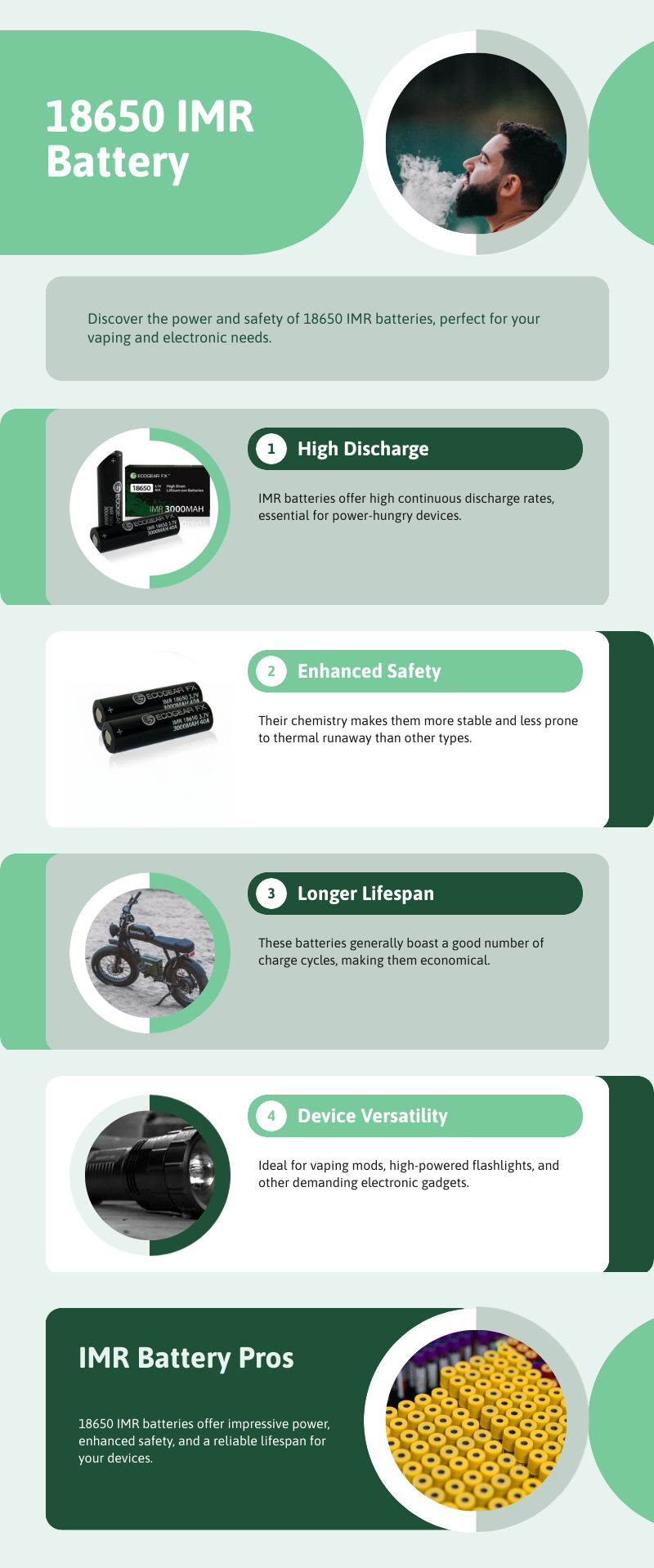
The table highlights why you might choose an IMR over an ICR (cobalt) or INR (nickel‑manganese‑cobalt) cell. If you need high current and extra safety, IMR is often the sweet spot.
Real‑World Applications
Some people wrongly assume they can replace all types of batteries they use in their devices with IMR ones. The truth is, IMR batteries like the 18650 flat top battery must only get used for high-drain applications.
The following are examples of high-drain devices where IMR batteries should get used instead of conventional alternatives:
LED Flashlights and Tactical Lights
High‑output LED flashlights demand bursts of 10‑30 A to reach their brightest settings. An IMR 18650 flat top battery can deliver that current without the voltage sag that would dim a lower‑C‑rate cell. The stable voltage also preserves LED color temperature, meaning the beam stays white rather than turning yellow as the battery drains.
Electric Bikes and Scooters
E‑bike builders love IMR cells for two reasons: they can handle the high draw of a motor (often 15‑30 A per cell) and they are less likely to overheat during long rides. Many commercial e‑bike packs combine multiple 18650 IMR cells in series‑parallel configurations to achieve 36‑48 V packs with a safe, long‑lasting core.
Power Tools
Cordless drills, impact drivers, and other high‑torque tools benefit from the high discharge capability of IMR cells. The cells can sustain the sudden spikes of current that motors draw when starting under load, which translates to less wear on the tool’s electronics.
DIY Projects and Hobbyist Builds
From Arduino‑powered robots to portable solar chargers, hobbyists often need a versatile battery that can both supply bursts of power and be recharged many times. IMR cells strike a balance: they’re more forgiving than pure lithium‑cobalt cells when you accidentally short‑circuit a prototype.
Video Doorbells
It’s no secret that consumers have access to a vast selection of video doorbell products. Video doorbells offer homeowners an extra layer of security as they can see who’s at their door before opening their doors.
Many video doorbells are battery-operated products and use the IMR 18650 flat top battery. Such batteries are ideal for video doorbells that offer HD-quality footage and motion detection, two examples where a strong power source is a must.
Several video doorbell products allow householders to replace batteries with ease. That means people can theoretically keep a selection of charged IMR batteries ready to swap with discharged ones in their video doorbells with minimal disruption.
Vaporizers
Vaping products like vaporizer pens are battery-powered devices. Whenever inhalation gets detected, a vaporizer heating element heats the e-liquid in a cartridge or reservoir. The user then inhales that vaporized liquid.
As you can imagine, vaporizers need a lot of power for the heating element to work on-demand. The only way it can do that is through a compact power source that outputs high voltage.
IMR batteries like the 18650 flat top battery are ideal for vaporizers as they don’t take up much space and provide the power necessary to vaporize e-liquids. Most vape pen users can easily recharge IMR batteries by connecting their devices to a USB power source.
How to Identify a Genuine 18650 IMR Battery
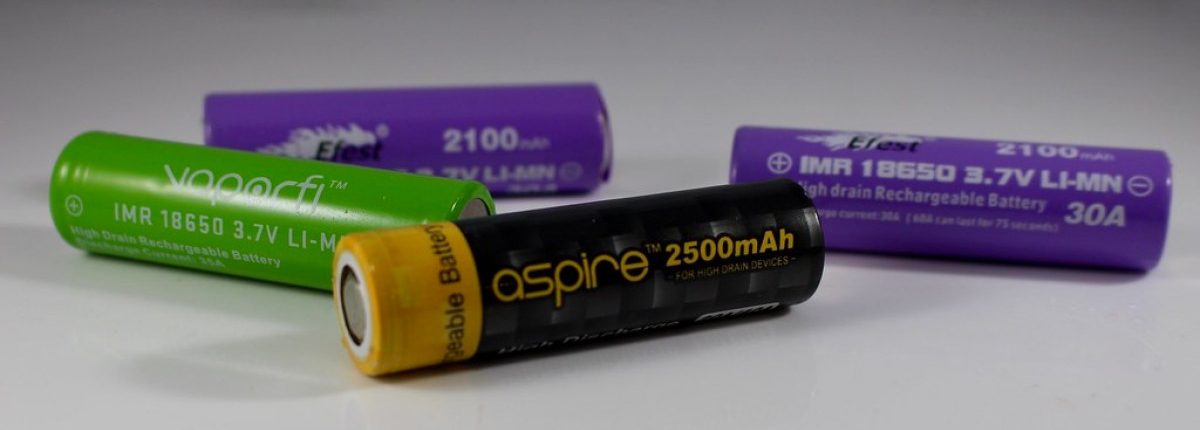
The market is flooded with counterfeit cells that mislabel capacity or chemistry. Buying a fake can be dangerous, especially when you rely on the safety claims of IMR chemistry. Here are practical steps to verify authenticity:
- Check the Label – Genuine manufacturers list the exact chemistry (e.g., “LiFeMnO4”), capacity (mAh), and a batch/serial number.
- Measure Voltage and Internal Resistance – A fresh 18650 IMR should read about 4.2 V when fully charged. Using a multimeter with a low‑current load, you can gauge internal resistance; genuine IMRs typically have 30‑50 mΩ.
- Use a Dedicated Battery Analyzer – Devices like the Opus BT-C310 can run a discharge test at 1 A for 30 minutes and compare the delivered capacity against the advertised value.
- Buy From Reputable Sources – Established distributors (e.g., Battery Junction, IMR‑direct) often provide certification sheets and have return policies for faulty cells.
Safety Best Practices

When you read the specifications of IMR batteries, one thing you’ll notice is that most of them don’t have built-in protection circuits like regular batteries. That’s because they have low resistance, making them inherently safe. They are safe because the battery resistance doesn’t increase as it gets discharged, which is often the case with alternative battery types. It’s worth noting that some battery manufacturers do produce IMR batteries with protection circuits if you have such a need.
Applications that exclusively use IMR batteries typically have protection circuits built into them and stop recharging once they detect a specific battery voltage.
Even though IMR stands for Reduced risk, safety is never optional. Here are concrete habits to adopt:
- Never Short‑Circuit – A direct metal‑to‑metal contact can cause a rapid temperature rise. Use protective circuitry or a battery holder with built‑in protection.
- Store at Moderate Voltage – If you plan to store cells for months, keep them at about 3.7 V (≈50 % charge) to minimize stress.
- Inspect Regularly – Look for swelling, discoloration, or leaked electrolyte. Any sign of physical change means the cell should be discarded.
- Use Proper Enclosures – For high‑drain projects, house the cells in a fire‑resistant case or a battery management system (BMS) that can cut off current if temperatures exceed safe limits.
Longevity and Cycle Life

Cycle life is the number of full charge‑discharge cycles a battery can endure before its capacity drops below 80 % of the original. IMR cells typically deliver 500‑800 cycles when used within recommended limits. Factors that affect lifespan include:
- Depth of Discharge (DoD): Shallow cycles (e.g., 20‑80 % charge) dramatically extend life compared to deep cycles (0‑100 %).
- Charge Rate: Slower charges preserve electrode integrity.
- Operating Temperature: Keep cells between 20‑30 °C for best results; extreme heat accelerates degradation.
By following these guidelines, you can expect several years of reliable service from a single set of 18650 IMR cells.
Charging an 18650 IMR Safely
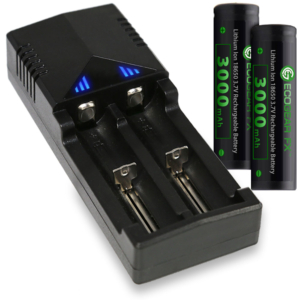 Charging lithium‑ion cells improperly is a leading cause of failures. While IMR chemistry is more tolerant, you still need a proper Li‑ion charger that respects the cell’s voltage limits:
- Charge Voltage: 4.20 V per cell (most chargers stop at 4.18 V to extend life).
- Charge Current: For longevity, keep it at 0.5‑1 C (i.e., 1.5‑2 A for a 3000 mAh cell). Faster chargers (2‑3 C) are possible but can shorten cycle life.
- Temperature Monitoring: Many modern chargers have built‑in temperature sensors. If the cell reaches >45 °C during charge, stop the process.
- Balancing: When using multiple IMR cells in series, a balance charger ensures each cell reaches the same voltage, preventing over‑charging of any single cell.
Never charge an IMR cell with a generic NiMH charger or a “universal” charger that doesn’t specify lithium‑ion compatibility – the risk of over‑voltage and fire is real.
Frequently Asked Questions (FAQs)

Q: Can I replace an ICR 18650 with an IMR in my flashlight? A: Yes, as long as the flashlight’s battery compartment accepts 18650s and the current draw stays within the IMR’s rating (usually 15‑30 A). The IMR may even improve performance due to its flatter voltage curve.
Q: Are IMR cells more expensive than regular 18650s? A: They sit in the mid‑range. Pure cobalt cells can be cheaper, but the added safety and high‑current capability often justify the slightly higher price.
Q: What’s the difference between an IMR and an INR cell? A: IMR uses iron‑manganese cathodes, offering higher safety and consistent voltage. INR (nickel‑manganese‑cobalt) blends those metals for a balance of energy density and power, but its safety profile sits between IMR and ICR.
Q: How many times can I recharge an 18650 IMR before it dies? A: Expect 500‑800 full cycles under ideal conditions. Real‑world usage with moderate depth of discharge can push that number higher.
Q: Is it safe to use a damaged IMR cell in a low‑drain device? A: No. Even low‑drain devices can trigger a failure if the cell is internally compromised. Always replace any cell that shows swelling, leakage or corrosion. You can also learn how to clean battery corrosion on standard batteries.
Bottom Line
A 18650 IMR battery is a versatile, high‑current lithium‑ion cell that blends decent energy density with a safety‑focused chemistry. Its iron‑manganese cathode makes it less prone to overheating, while still delivering the power needed for flashlights, e‑bikes, power tools, and other high-draw devices. By purchasing genuine cells, charging them with the right equipment, and following basic safety habits, you can enjoy a reliable power source that outlasts many alternatives.
Whether you’re building a custom flashlight, upgrading an e‑bike pack, or simply looking for a robust rechargeable for everyday gadgets, the 18650 flat top battery type offers a compelling mix of performance and peace of mind.
Key Takeaways
- IMR stands for lithium iron‑manganese oxide, a chemistry that provides higher thermal stability and a flat voltage curve.
- These cells excel in high‑drain applications like flashlights, e‑bikes, and power tools, delivering 15‑30 A safely.
- Authenticity matters – verify voltage, internal resistance, and buy from reputable distributors.
- Charge with a Li‑ion charger that respects a 4.2 V limit and avoid fast‑charge rates to maximize cycle life.
- Follow safety practices: no short‑circuits, store at ~50 % charge, and replace any swollen or damaged cells immediately.