

What Does a Backward American Flag Mean? History & Meaning
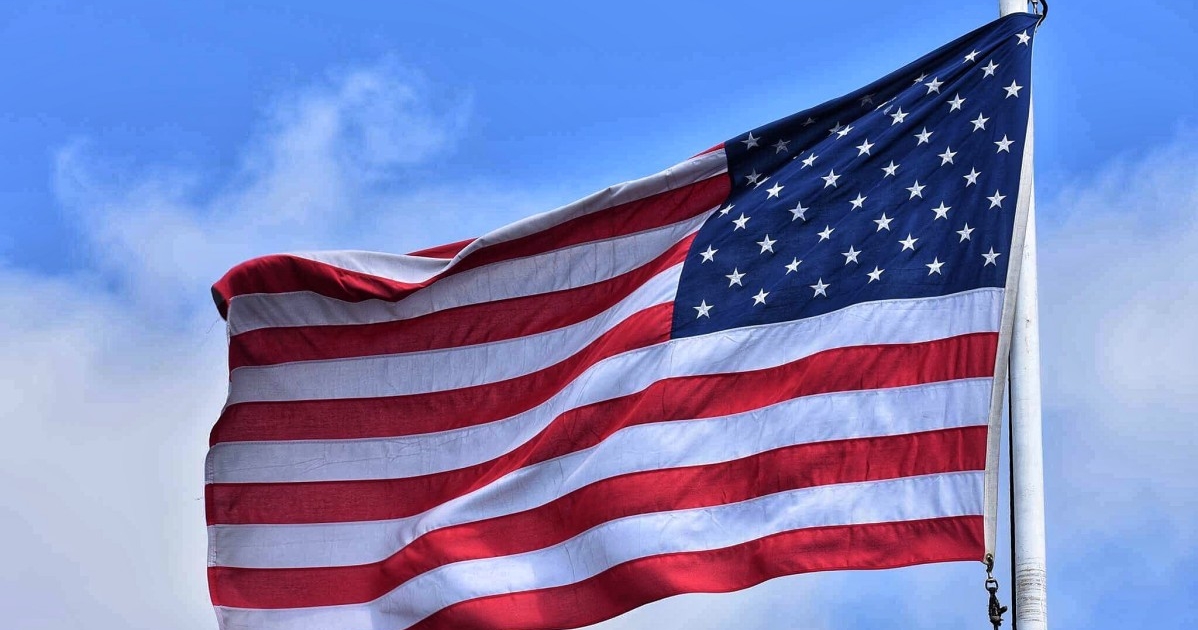
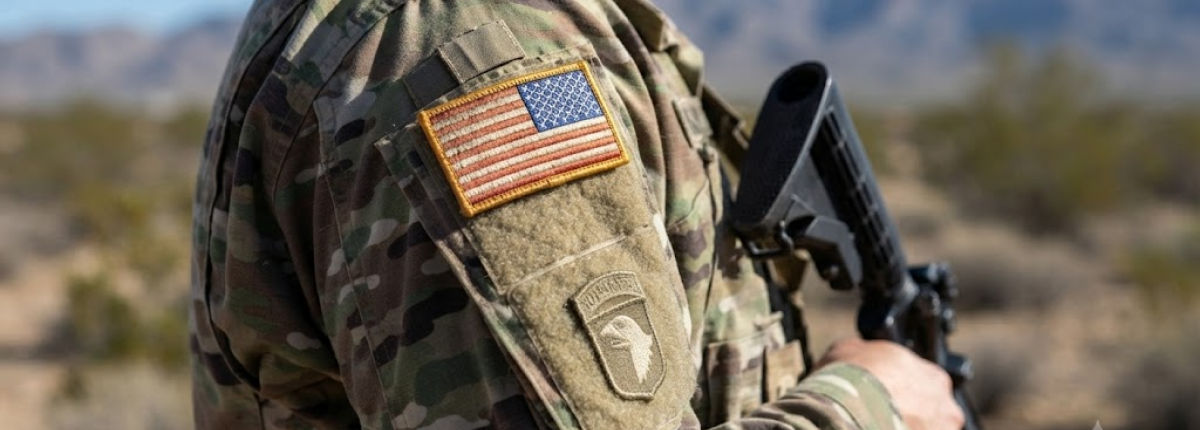
The backwards American flag has a long and storied history, dating back to the Civil War. It was originally worn by paratroopers, who needed a way to identify themselves to other American troops behind enemy lines. The flag was worn on the right shoulder, so that when the paratrooper was facing forward, the stars would be facing forward as well. This gave the impression that the flag was flying in the wind, even though the paratrooper was actually falling through the air.
The backwards flag is a symbol of bravery and dedication to one’s country
If you’ve ever seen an American flag with the stars on the right side instead of the left, you’ve probably wondered what the upside‑down display meant. The image can be jarring because the flag is such a powerful national symbol, and flipping it seems, at first glance, like an act of disrespect. Yet the reality is more nuanced. A backward—or more accurately, reversed—American flag is a long‑standing form of political expression, rooted in protest and free‑speech traditions. In this article we’ll unpack the meaning behind the reversed flag, trace its origins, explore notable moments in its history, and clarify the legal landscape that protects (or sometimes limits) its use. By the end, you’ll have a clear picture of why people fly the flag backward, what it signifies, and how the United States has responded over the decades.
The Visual Difference: What Makes a Flag “Backward”
A standard U.S. flag has a blue canton (the field of stars) in the upper left corner when the flag is hoisted on a pole. A reversed flag flips this arrangement so the canton appears on the upper right. The stripes remain the same, but the orientation of the stars changes the visual hierarchy of the design. This subtle shift is enough to trigger an emotional response because the flag’s geometry is ingrained in the collective American psyche.
The term “backward” is technically a misnomer; the flag isn’t upside‑down (which would place the stars at the bottom). Instead, it’s mirrored horizontally. The distinction matters because the flag code—U.S. Flag Code, Title 4, Chapter 1—specifies that an upside‑down flag signals distress, while a reversed flag is not addressed directly. That omission leaves room for interpretation, which activists have leveraged for decades.
Some Ways That The Backwards American Flag is Used Today
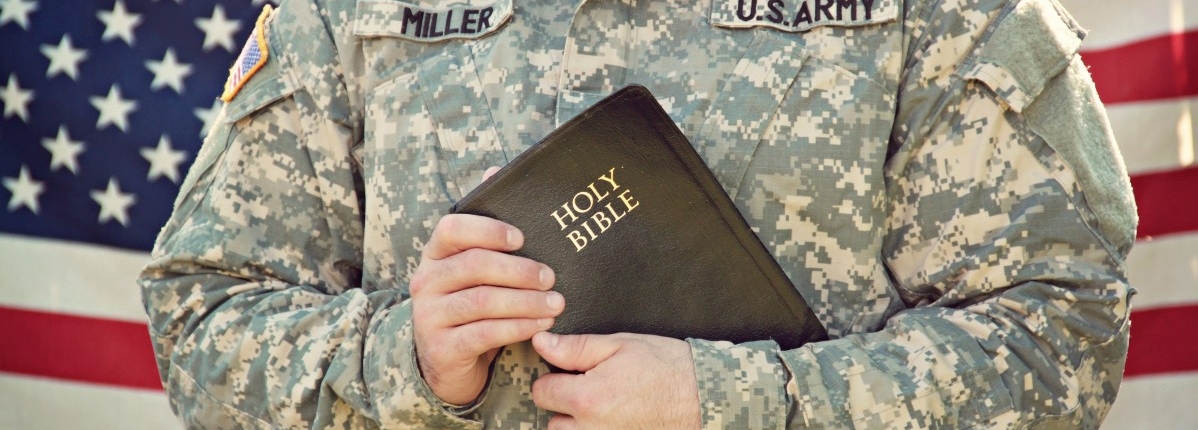
- It is worn on the right shoulder of military uniforms.
- It is displayed on clothing, jewelry, military style tactical belts, and other items.
- It is used in artwork, photography, and other forms of visual media.
- It is referenced in songs, poems, and other works of literature.
The backwards American flag is a powerful symbol with a long and rich history. It represents the bravery, dedication, and patriotism of American service members. It is a reminder of the sacrifices that have been made to protect our country, and it inspires us to continue to fight for what is right.
Historical Roots: From 1970s Counter‑Culture to Modern Protests
The reversed flag first entered mainstream consciousness during the late 1960s and early 1970s, a period marked by anti‑war demonstrations, civil‑rights activism, and a broader questioning of authority. College campuses became hotbeds of symbolic protest, and students began using the reversed flag as a visual shorthand for dissent. Unlike burning a flag—a more overtly aggressive act—the reversed flag communicated a critique while staying within a legal gray area.
One of the earliest documented uses came from the anti‑Vietnam War movement. Protesters argued that the United States had betrayed its own ideals, and flipping the stars to the right symbolized that betrayal. The image spread through flyers, newspaper photos, and television news, cementing the reversed flag as a recognizable protest icon.
Legal Landscape: Free Speech Meets Flag Etiquette
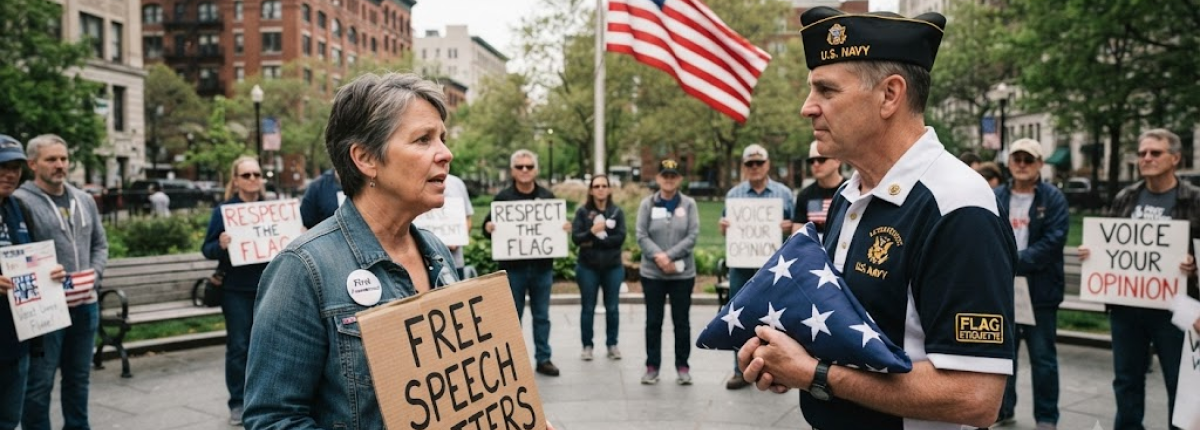
The U.S. legal system has grappled with flag‑related expression for decades, most famously in Texas v. Johnson (1989), where the Supreme Court ruled that flag burning is protected symbolic speech under the First Amendment. While the case did not involve a reversed flag, the precedent set a clear standard: the government cannot prohibit expressive conduct simply because it offends patriotic sensibilities.
Subsequent lower‑court decisions have directly addressed the reversed flag. In Miller v. State (1998), a Tennessee court held that displaying a reversed flag on private property is protected speech, noting that the flag code is a guideline, not a criminal statute. Similarly, a 2006 California appellate ruling confirmed that a reversed flag on a residential lawn does not constitute flag desecration, emphasizing the speaker’s intent to convey political dissent rather than to insult the nation.
These rulings collectively mean that, for most Americans, flying a reversed flag is legally permissible as long as it’s done on private property or in a manner that does not incite imminent violence. Government‑owned spaces, however, remain subject to stricter guidelines; many municipalities forbid altered flags on official buildings to maintain a neutral visual environment.
Symbolic Interpretations: What Protesters Are Saying
Because the reversed flag has been used by diverse movements, its meaning can vary depending on context. Below are some of the most common interpretations:
- Political Dissent – The flag’s stars shifted to the right suggest that the government has strayed from its foundational principles. Activists use it to call attention to perceived corruption, inequality, or policy failures.
- Solidarity with Oppressed Groups – Some social‑justice groups flip the flag to show empathy with marginalized communities, indicating that the nation is not living up to its promise of liberty and justice for all.
- Environmental Alarm – Environmental activists sometimes employ the reversed flag alongside climate‑change imagery, implying that the planet is in distress and that the nation must reverse course.
- Cultural Reclamation – A growing number of artists and musicians have embraced the reversed flag as a canvas for re‑imagining American identity, turning it into a platform for inclusive narratives rather than outright protest.
Understanding these nuances helps differentiate a genuine expression of free speech from a simple act of vandalism.
Notable Moments: When the Reversed Flag Hit the Headlines
1990s: The Flag at the 1992 Los Angeles Riots
During the aftermath of the 1992 Los Angeles riots, several community leaders displayed reversed flags outside their homes to protest police brutality and systemic racism. The images were broadcast nationally, cementing the flag’s association with civil‑rights advocacy.
2004: The Iraq War Debate
In the lead‑up to the 2004 presidential election, anti‑war groups organized a “Flag Reversal” rally in Washington, D.C. Thousands gathered, each holding a reversed flag, to demand a withdrawal of U.S. troops from Iraq. The event generated significant media coverage and sparked a public debate about patriotism versus protest.
2016: A Controversial Sports Stadium Incident
During a high‑profile NFL game, a fan was ejected after unfurling a reversed flag on the sidelines. The incident sparked a legal battle that ultimately reinforced the First Amendment protection for non‑violent symbolic speech in public venues.
2022: Climate Activists on Capitol Hill
In a coordinated protest on Earth Day, climate activists placed reversed flags on the steps of the U.S. Capitol, accompanied by signs reading “Reverse the Damage, Not the Flag.” The visual impact was striking, and the protest was widely covered in both mainstream and alternative media.
The Flag Code: Guidelines vs. Enforceability
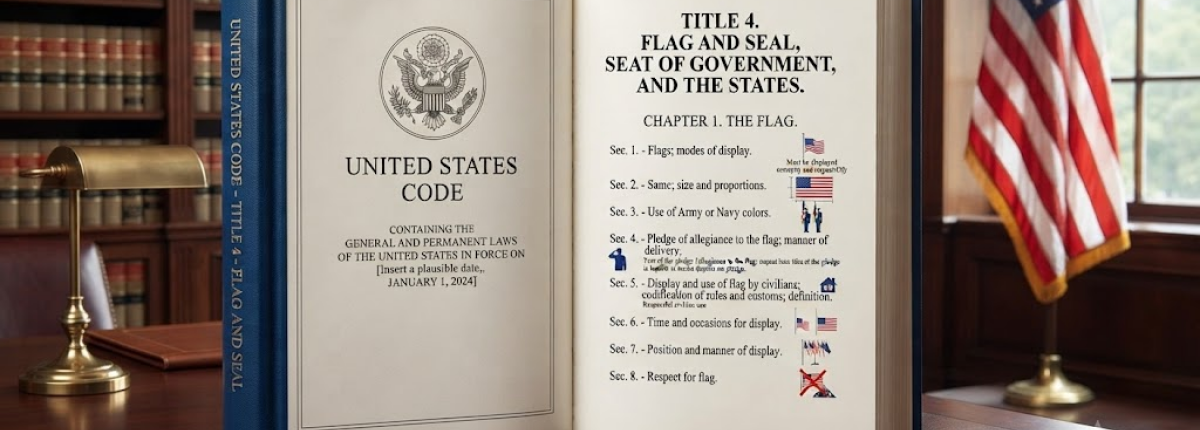
The U.S. Flag Code (Title 4, Chapter 1 of the United States Code) outlines proper flag etiquette, such as the correct placement of the canton and the circumstances for lowering the flag to half‑staff. However, the code is advisory; it carries no criminal penalties. Violations may be subject to civil penalties only if a specific state law incorporates the code, which is rare.
Because the reversed flag isn’t explicitly prohibited, its legality rests on broader constitutional principles rather than flag‑specific statutes. This distinction is crucial for anyone considering using the reversed flag as a form of expression: the primary legal risk lies in potential local ordinances that regulate signage or public displays, not in the flag code itself.
How to Display a Reversed Flag Respectfully
If you choose to fly a reversed flag, consider these best practices to keep the expression peaceful and within legal bounds:
- Private Property: Display the flag on your own land or residence. This avoids conflicts with municipal codes that govern public spaces.
- Clear Intent: Pair the flag with a statement or placard that explains your purpose. Transparency reduces the chance of misinterpretation as mere vandalism.
- Avoid Obstruction: Ensure the flag does not block official signage or emergency signals, which could lead to safety violations.
- Respect Neighbors: While you have the right to express yourself, be mindful of community standards and engage in dialogue if concerns arise.
By following these guidelines, you can harness the power of the reversed flag without crossing into harassment or illegal activity.
Cultural Impact: The Reversed Flag in Media and Art
The reversed flag has transcended protest rallies to become a recurring motif in popular culture. Musicians have featured the image on album covers, filmmakers have used it as a visual metaphor for societal critique, and visual artists have reimagined the flag in installations that explore identity and belonging.
For instance, the 2015 album “Reversed” by indie band The Liberty Tides featured a reversed flag on its cover, sparking conversation about the role of dissent in a democratic society. Similarly, a 2018 street art mural in New York City depicted a reversed flag melting into a watercolor landscape, symbolizing the fluidity of national identity.
These artistic interpretations reinforce the idea that the reversed flag is not merely a political tool but also a cultural symbol capable of generating dialogue across generations.
Counter‑Arguments: When the Reversed Flag Is Seen as Disrespect
Despite its protection under free‑speech jurisprudence, many Americans view the reversed flag as disrespectful. Critics argue that altering the flag undermines unity, especially during times of national crisis. Some veterans and patriotic organizations have called for stricter enforcement of flag etiquette, suggesting that any deviation, including reversal, should be prohibited.
These arguments often hinge on emotional resonance rather than legal reasoning. While it’s understandable that a cherished symbol can evoke strong feelings, the Constitution deliberately safeguards even unpopular expressions to preserve a robust marketplace of ideas. Recognizing the emotional weight of the flag while upholding legal protections is a balancing act that continues to shape public discourse.
Frequently Asked Questions
Q: Is a reversed flag the same as an upside‑down flag? A: No. An upside‑down flag (stars at the bottom) signals distress, whereas a reversed flag simply mirrors the canton to the right.
Q: Can I fly a reversed flag on my business’s storefront? A: You can, but local zoning laws may regulate signage. It’s advisable to check municipal regulations before displaying it commercially.
Q: Does the government ever ban the reversed flag? A: Not on private property. Government‑owned sites, like federal buildings, must follow the Flag Code, which generally prohibits altered displays.
Q: How do courts decide if a reversed flag is protected speech? A: Courts look at the intent behind the display. If the purpose is political expression rather than vandalism, it is typically protected under the First Amendment.
Conclusion: The Backward Flag as a Living Symbol of Dialogue
The reversed American flag occupies a unique space at the intersection of patriotism, protest, and constitutional law. Its origins in 1970s activism, its continued use across diverse movements, and the Supreme Court’s robust protection of symbolic speech all contribute to a complex narrative. Whether you view the reversed flag as a powerful statement of dissent or an affront to national symbols, understanding its history equips you to engage in informed, respectful conversations about free expression in America.
By recognizing the flag’s layered meanings—and the legal framework that upholds its use—you can better appreciate the nuanced ways Americans negotiate identity, disagreement, and unity. The next time you see a backward flag fluttering in the wind, you’ll know it’s not just a flipped piece of cloth; it’s a living, breathing reminder that in the United States, even the most iconic symbols can be re‑imagined to spark dialogue.