

Top 12 Best Outdoor Camping Survival Gear Guide
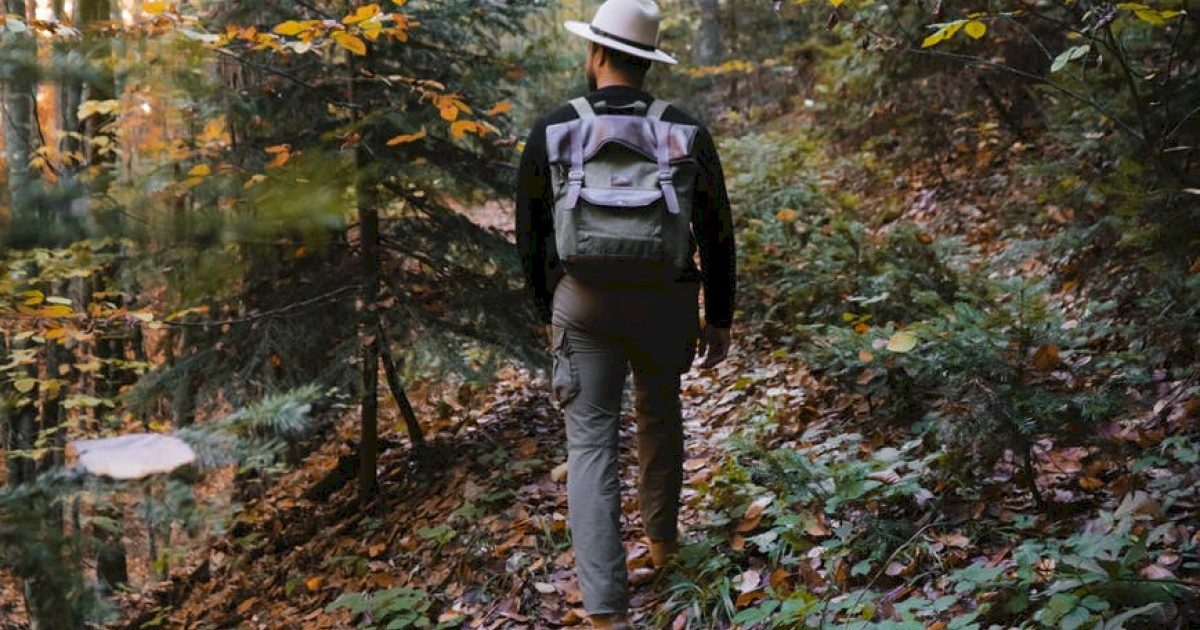
Whether you are training for extreme scenarios or you are enjoying hiking trips these days, you’ve got to be prepared for any situation. If you are one of the millions of people that visit national parks and go on hikes, it pays to be prepared in case you get lost, injured, or worse! Here are some of our favorite outdoor camping survival gadgets and tools that will make a big difference when you are out facing the elements and need to set up shelter, know where you are, or just have some hot food!
Why a Well‑Equipped Gear List Matters
When you head into the wilderness, the line between a memorable adventure and a stressful scramble can be as thin as the rope you rely on. Having the right gear isn’t just about comfort; it’s about safety, resilience, and the freedom to enjoy nature without constant worry. A solid gear list gives you confidence, reduces the chance of injuries, and helps you adapt when conditions change unexpectedly. In this guide we’ll walk through the top 12 pieces of outdoor camping survival gear that every general‑purpose camper should consider, explaining why each item is essential and how to choose the best version for your needs.
1. Flashlight
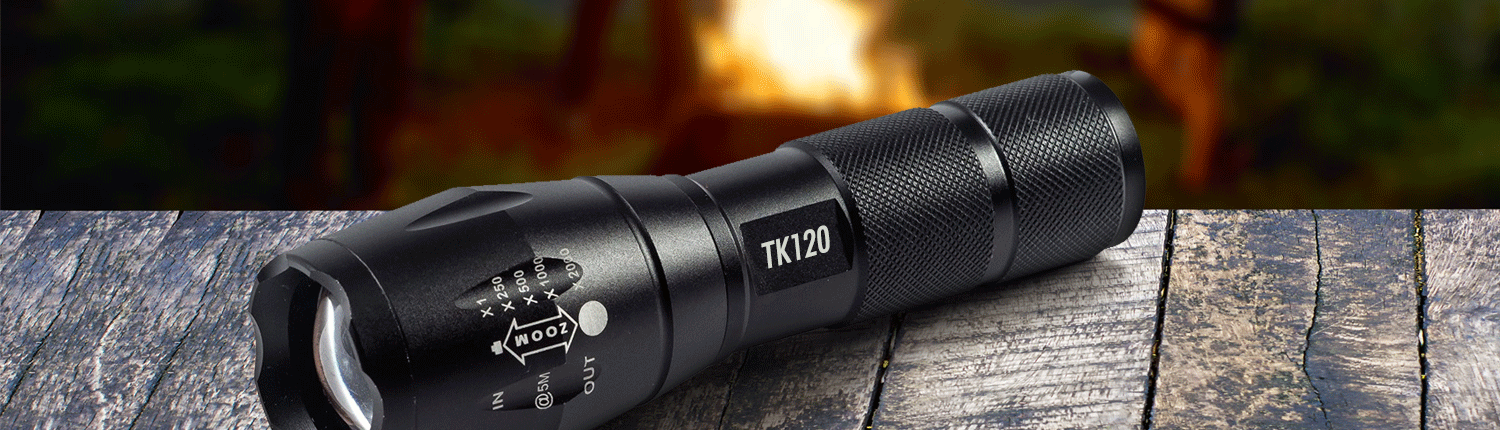
A reliable light source is indispensable after dark, whether you’re navigating the campsite, reading a map, or handling an emergency. The novice adventurer might not realize how dark it gets when the sun goes down! Having a camping or tactical flashlight that is extremely rugged will make life a lot easier during stressful situations. And always remember to have a spare pack of batteries! These 18650 batteries are always handy to have in your backpack when you are in a sticky situation.
2. Multi‑Tool with Knife, Pliers, and Screwdrivers
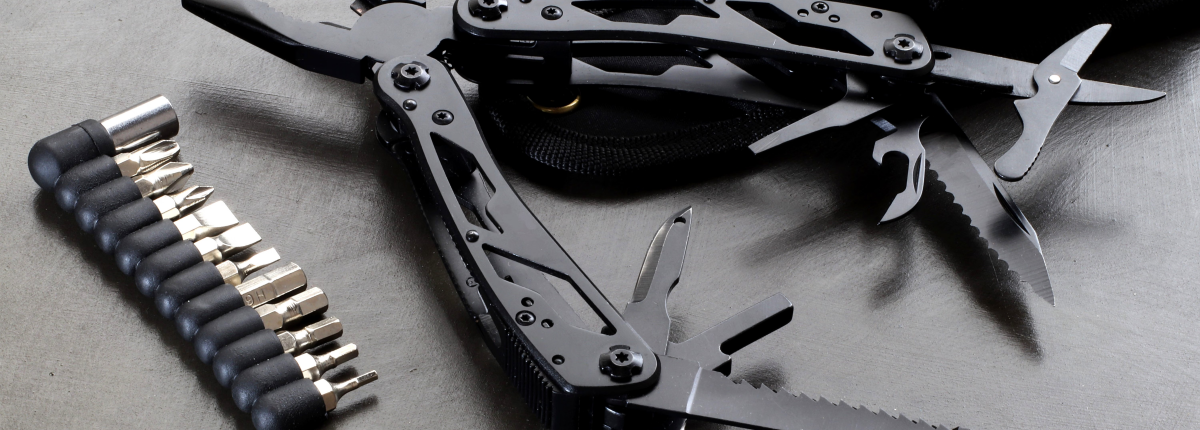
A high‑quality multi‑tool is the Swiss‑army knife of the camping world. It packs several functions into a compact, lightweight package that fits in a pocket or on a belt loop. Look for stainless‑steel blades that hold an edge, a robust pair of pliers for wire repairs, and a selection of screwdrivers for fixing gear or building a shelter. Models with a dedicated fire‑starter rod or a mini saw add extra utility without bulk.
When selecting a multi‑tool, prioritize a solid locking mechanism for safety, ergonomic handles for prolonged use, and a size that balances function with weight. Brands like Leatherman and Victorinox offer durable options that withstand rain, mud, and repeated use, making them a reliable companion for everything from cutting rope to opening cans.
3. Portable Water Filtration System

Water is the most critical resource on any outdoor trek. Even clear mountain streams can harbor harmful bacteria, protozoa, or sediment that can cause illness. A portable water filter lets you safely drink from natural sources, cutting down on the weight of carried water and the need for chemical tablets.
Pump‑style filters, like the Sawyer Squeeze or MSR MiniWorks, provide fast flow rates and can filter hundreds of gallons before replacement. If you prefer a gravity‑fed system, consider the Platypus GravityWorks, which lets you filter larger volumes while you relax. Remember to check the micron rating—0.2 µm is ideal for removing most pathogens. Keep a small bottle of pre‑filtered water for emergencies, but rely on the filter for daily hydration.
4. All‑Season Sleeping Bag
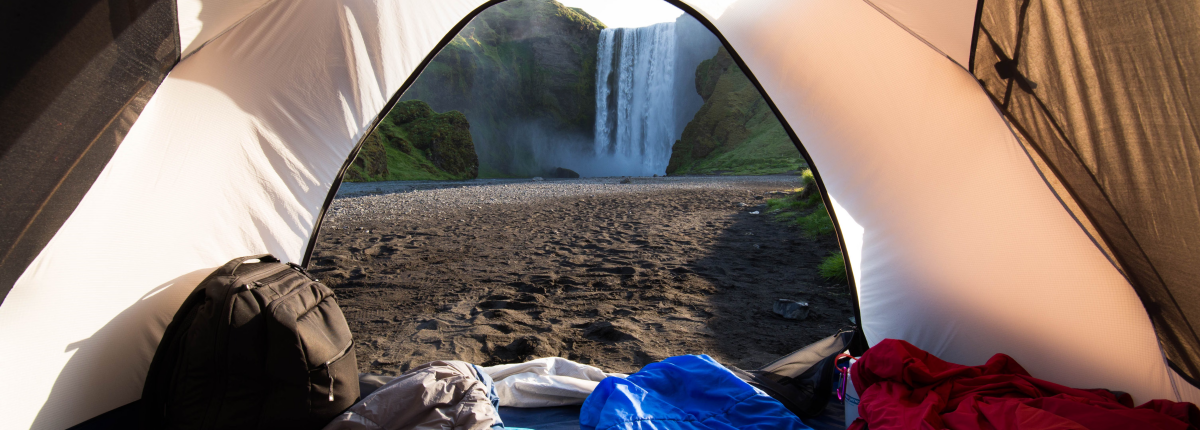
A good night’s sleep can be the difference between a fresh morning hike and a groggy, sore‑back trek. An all‑season sleeping bag offers insulation across a wide temperature range, often using synthetic fill that stays warm even when damp. Look for a bag with a temperature rating at least 10 °F lower than the lowest temperature you expect to encounter.
Features to consider include a mummy shape for heat retention, a draft collar, and a hood that tucks over your head. Synthetic bags, such as those from REI or Kelty, are budget‑friendly and perform well in wet conditions, while down bags provide superior warmth‑to‑weight ratios if you can keep them dry.
5. Compact Camping Stove
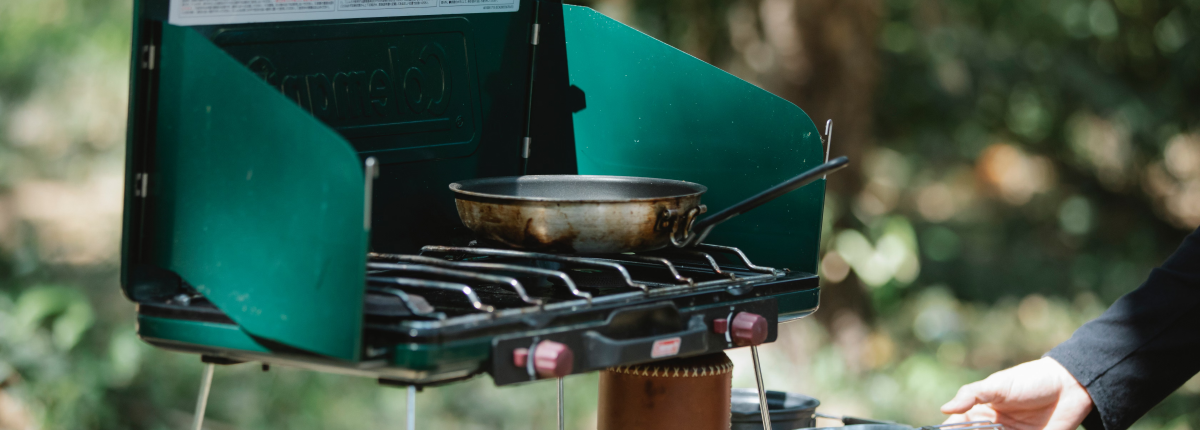
Cooking hot meals not only fuels your body but also boosts morale. A compact, fuel‑efficient stove lets you melt snow for water, boil soups, and reheat leftovers with minimal effort. Canister stoves like the Jetboil MiniMo or MSR PocketRocket are popular for their lightweight design and quick boil times.
If you expect longer trips or want more fuel flexibility, a liquid‑fuel stove such as the Optimus Crux can burn gasoline, white gas, or even kerosene. Always practice stove setup at home, and pack a windscreen to improve efficiency in breezy conditions.
6. Emergency First‑Aid Kit
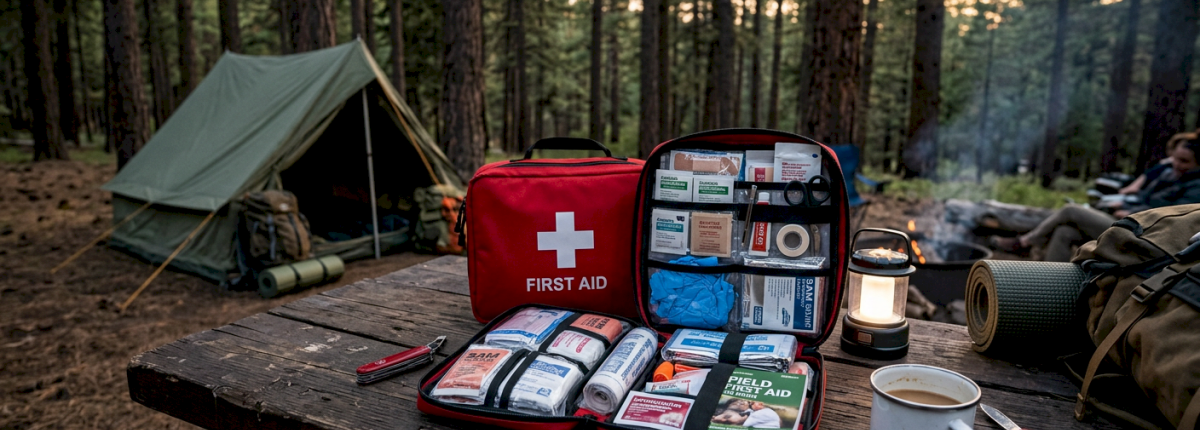
Injuries happen—sprained ankles, cuts, bites, or allergic reactions can turn a pleasant outing into a medical emergency. A well‑stocked first‑aid kit gives you the tools to treat minor issues and stabilize more serious conditions until help arrives.
Core items include adhesive bandages, sterile gauze, antiseptic wipes, tweezers, blister pads, and a multi‑use CPR mask. Add specific medications like antihistamines, pain relievers, and any personal prescriptions. Keep the kit in a waterproof pouch and familiarize yourself with each item’s purpose before you head out.
7. Durable Nylon Backpack
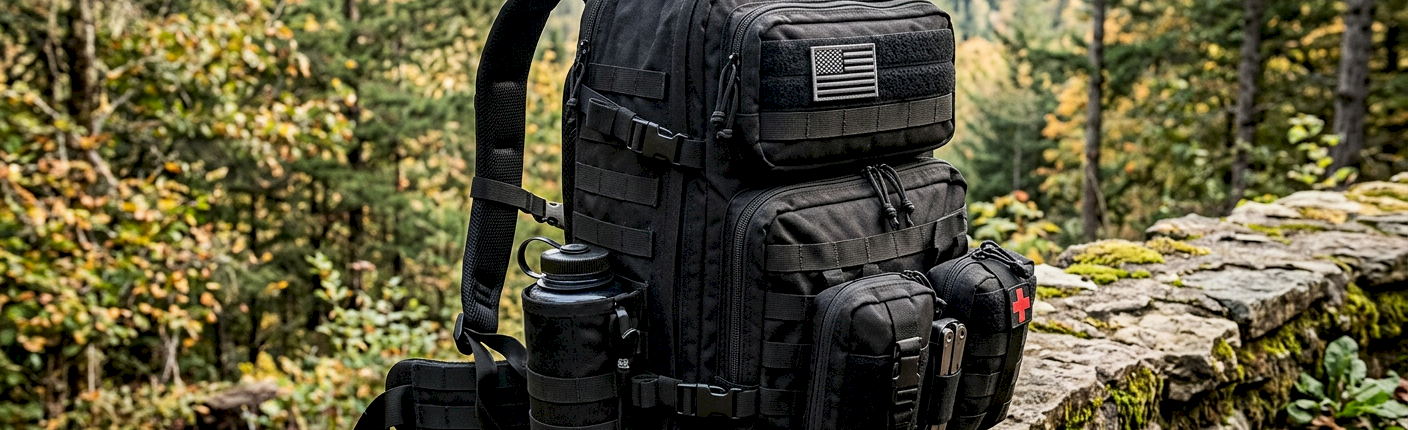
Your backpack is the foundation of your gear system. A well‑designed pack distributes weight evenly, protects contents from moisture, and offers easy access to essential items. Choose a backpack with a capacity matching your trip length—30‑40 L for a weekend, 45‑55 L for multi‑day treks.
Key features include padded shoulder straps, a ventilated back panel, multiple compartments, and a MOLLE system to attach accessories. Hydration‑compatible packs let you drink on the move, while external attachment points accommodate trekking poles or a sleeping pad.
8. Weather‑Resistant Tent

A sturdy tent shields you from rain, wind, and insects, creating a safe haven for sleep and gear storage. Look for a three‑season tent with a waterproof rating of at least 1,500 mm, a robust bathtub floor, and a rainfly that covers the vestibule.
Freestanding designs simplify setup, while lightweight options like the REI Half Dome or MSR Hubba Hubba are perfect for backpackers. If you anticipate heavy snow or strong winds, a four‑season model with additional guy lines and a stronger frame may be warranted.
9. Fire‑Starting Kit
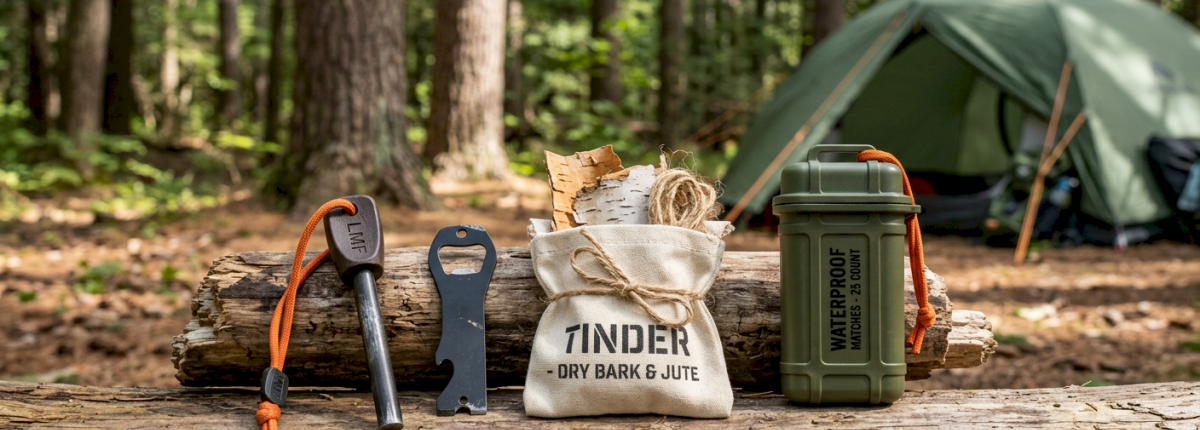
A reliable fire can provide warmth, a cooking platform, and a morale boost. A fire‑starting kit typically includes waterproof matches, a ferrocerium rod, and some tinder like cotton balls coated in petroleum jelly.
Practice using the ferro rod before your trip; it produces hot sparks that ignite tinder quickly, even in damp conditions. Store the kit in a waterproof container, and keep a small amount of tinder in an easily reachable pocket for emergencies.
10. Navigation Tools: Map, Compass, and GPS
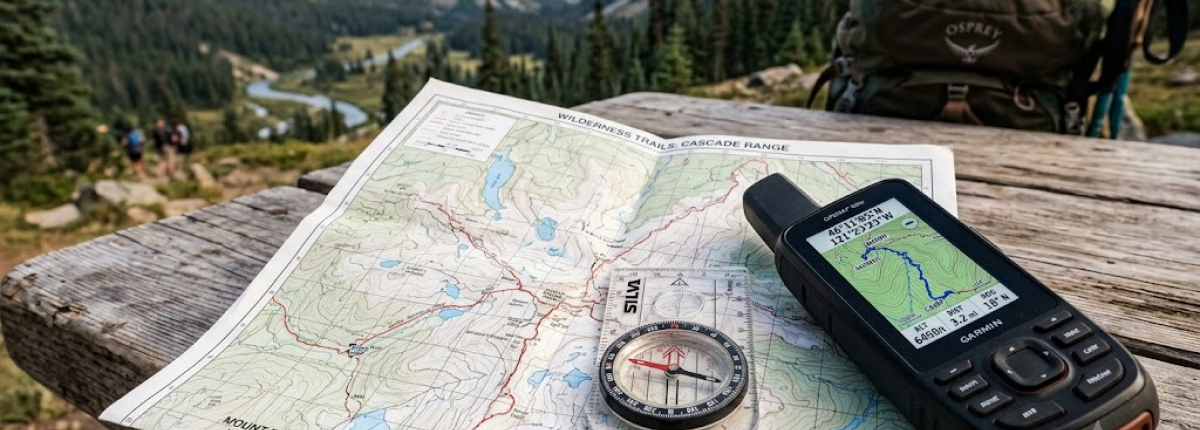
Even in an age of smartphone navigation, having a physical map and a compass is essential. Batteries die, signals drop, and electronic devices can fail. A topographic map gives you a detailed view of terrain, while a compass provides direction when you can’t rely on digital cues.
If you enjoy tech, a handheld GPS unit like the Garmin eTrex offers waypoint tracking and route planning. However, always carry a paper map as a backup and know how to triangulate your position using the compass and landmarks.
11. Lightweight Cooking Pot Set
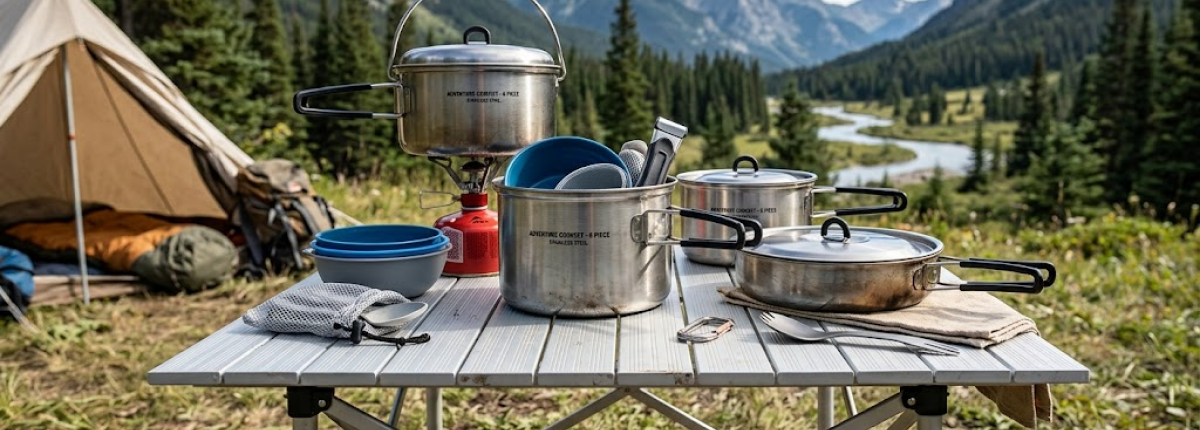
A versatile pot set lets you boil water, cook meals, and even serve food. Look for titanium or hard‑anodized aluminum pots with tight‑fitting lids that double as plates. A 1‑liter pot works for solo hikers, while a 2‑liter set suits small groups.
Some sets include a collapsible silicone handle for easier transport. Brands such as Snow Peak and Sea to Summit make durable, low‑weight options that resist dents and rust, making cleanup a breeze.
12. Emergency Shelter (Bivy or Space Blanket)
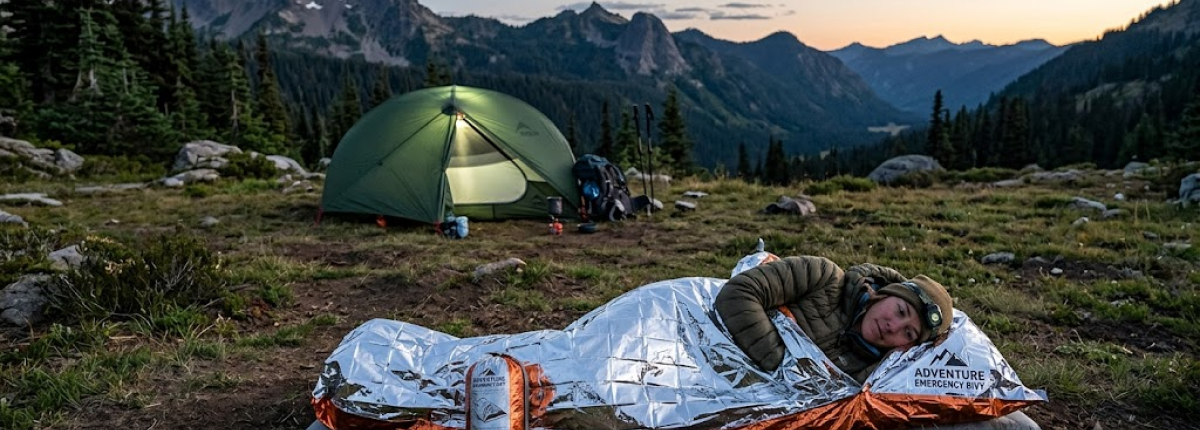
Even the best tent can be compromised by severe weather or unexpected route changes. An emergency bivy sack or space blanket provides a lightweight, compact fallback shelter. Bivys are waterproof shells that can be used over a sleeping pad, while space blankets reflect body heat and protect against wind.
Pack one in an accessible pocket of your backpack. In a pinch, you can combine a bivy with your tarp to create a quick, insulated shelter that keeps you dry and warm until you can reach your main camp.
Putting It All Together: Building Your Survival Kit
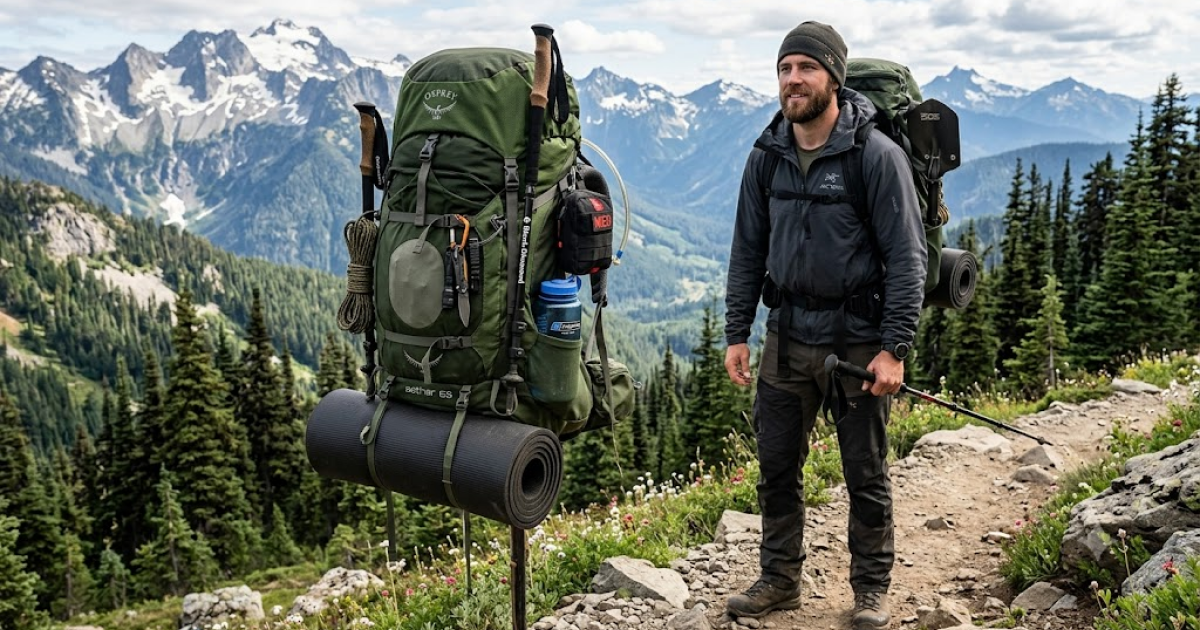
Now that you’ve reviewed each essential piece, the next step is assembling them into a cohesive system. Start by laying out every item on a flat surface and grouping related gear together—cooking, shelter, navigation, and safety. This visual arrangement helps you spot redundancies and gaps.
Next, weigh each component. Use a kitchen scale to log the weight of every item, then compare the total to your target backpack weight (typically 20‑30 % of your body weight). If you’re over budget, consider swapping heavier items for lighter alternatives—titanium pots for aluminum, down bags for synthetic, or a multi‑tool with fewer functions.
Finally, test pack your gear. Load your backpack as you would on a trip, adjusting straps for balance. Walk a short distance to assess comfort; make tweaks before hitting the trail. A well‑balanced pack reduces fatigue and prevents injuries, ensuring you stay energized for the entire adventure.
Maintenance Tips for Longevity
 Investing in quality gear is only half the battle; proper maintenance extends its lifespan. Rinse and dry your sleeping bag after each use, especially if it got wet. Store it loosely in a large sack, not compressed, to preserve loft.
Clean your water filter according to the manufacturer’s instructions—usually a back‑flush with clean water. Keep the filter dry between trips to avoid mold growth. For the multi‑tool, lubricate moving parts with a drop of oil and wipe away any debris after each outing.
Stove maintenance includes checking the fuel canister valve for leaks and cleaning the burner head to prevent clogging. After each use, empty any residual fuel and store the stove in a dry container. Regularly inspect your tent’s seams and poles, patching small holes before they become larger problems.
Final Thoughts: Confidence Comes from Preparation
Camping is a rewarding escape, but the wilderness respects only those who respect it. By equipping yourself with the top 12 outdoor camping survival gear items—multi‑tool, water filter, all‑season sleeping bag, compact stove, first‑aid kit, headlamp, durable backpack, weather‑proof tent, fire‑starter kit, navigation tools, cooking pot set, and emergency shelter—you’re setting the stage for a safe, enjoyable experience. You can also consider viewing the article on Gifts for Men Who Work Outside for some practical and cool ideas.
Preparation doesn’t guarantee a flawless trip, but it dramatically reduces the odds of being caught off‑guard. Pack smart, maintain your gear, and embrace the adventure with confidence. Happy trails!
Key Takeaways
- A multi‑tool, water filter, and reliable fire‑starter are non‑negotiable basics for safety and self‑sufficiency.
- Balance weight and durability: opt for titanium pots, synthetic sleeping bags, and lightweight backpacks.
- Regular maintenance—cleaning filters, drying sleeping bags, and inspecting tents—extends gear life and ensures reliability on future trips.