

Why Hard Knuckle Tactical Gloves Are a Must-Have for the Modern Adventurer
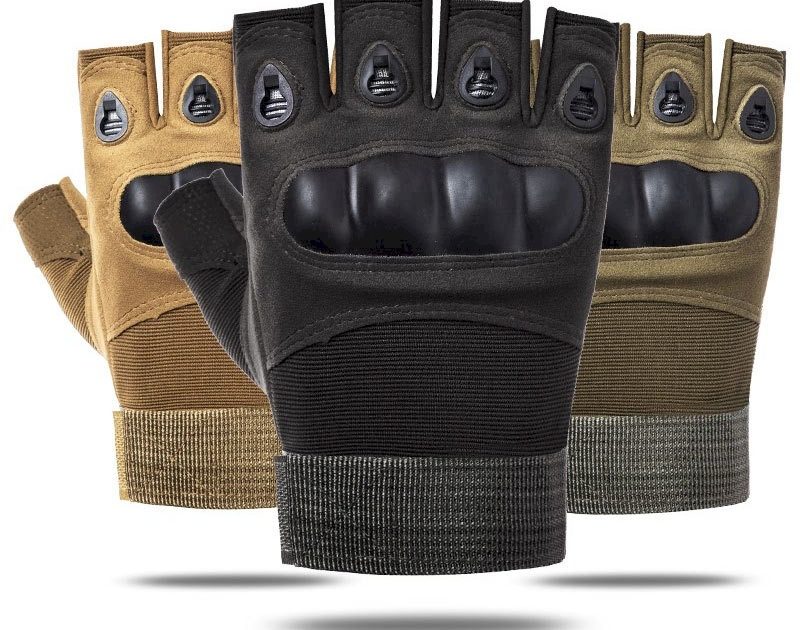
If you’ve ever found yourself scrambling over rough terrain, handling sharp objects, or needing that extra layer of protection for your hands, you know the value of a good pair of gloves. Self defense hard knuckle tactical gloves combine durability, dexterity, and comfort, making them a versatile choice for a wide range of activities. Whether you’re a weekend hiker, a security professional, or simply someone who enjoys a bit of DIY around the house, these gloves can elevate your performance and keep your hands safe.
The term “hard knuckle” refers to reinforced plates—usually made of carbon fiber, aluminum, or a high‑grade polymer—embedded in the glove’s palm and fingers. These plates absorb and distribute impact, protecting your knuckles from bruises, cuts, and even fractures. Unlike traditional work gloves that can be bulky and clunky, tactical designs prioritize a low profile, allowing you to retain fine motor control while still benefitting from serious protection.
In this guide, we’ll explore the myriad scenarios where hard knuckle tactical gloves shine, discuss the features you should look for when buying a pair, and provide practical tips on care and maintenance. By the end, you’ll have a clear understanding of why these gloves are worth the investment and exactly where you should be using them.
Outdoor Recreation: Hiking, Climbing, and Trail Running

When you’re out on the trail, your hands are constantly exposed to rocks, branches, and unpredictable obstacles. A slip on a wet rock can send a sharp edge straight to your knuckles, potentially ending your adventure early. Hard knuckle tactical gloves act as a protective barrier, reducing the risk of bruises and abrasions.
For hikers, the added grip from a textured palm is a game‑changer. It prevents slippage when you need to steady a trekking pole or scramble up a steep incline. Climbers, too, benefit from the gloves’ reinforced knuckles—especially when they’re executing dynamic moves that put pressure on the fingertips and knuckles. The gloves also keep your hands warm without sacrificing flexibility, an essential factor for high‑altitude climbs where temperatures can plummet.
Trail runners often underestimate hand protection, but a sudden fall can result in a painful knuckle impact. A lightweight tactical glove provides just enough cushioning to absorb that shock while still allowing you to feel the terrain beneath your fingers, which is crucial for balance and quick reflexes.
Law Enforcement and Security Professionals
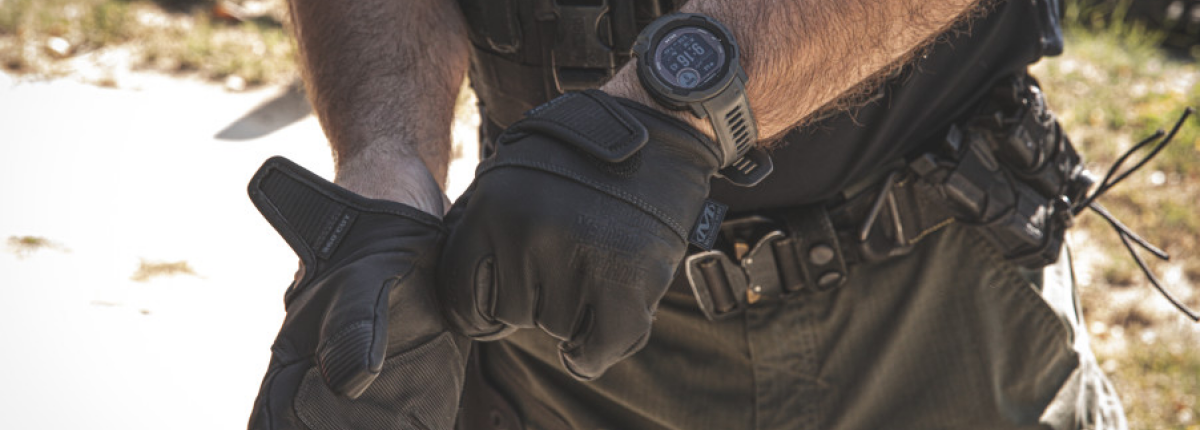
In law enforcement, a split‑second decision can mean the difference between safety and injury. Hard knuckle tactical gloves are standard issue for many agencies because they combine protection with the ability to handle weapons, restraints, and equipment effectively.
When making an arrest, officers may need to grapple with a suspect, use handcuffs, or draw a firearm. The reinforced knuckles protect against the impact of a struggle, while the tactile design ensures the officer can maintain a secure grip on a gun without compromising aim. Many models feature a Kevlar‑reinforced backhand, offering additional protection against blade attacks.
Security personnel working in high‑risk venues—concerts, nightclubs, or private events—also benefit from these gloves. They provide a level of confidence when dealing with aggressive patrons, allowing the guard to focus on de‑escalation rather than worrying about hand injuries.
Tactical and Military Use
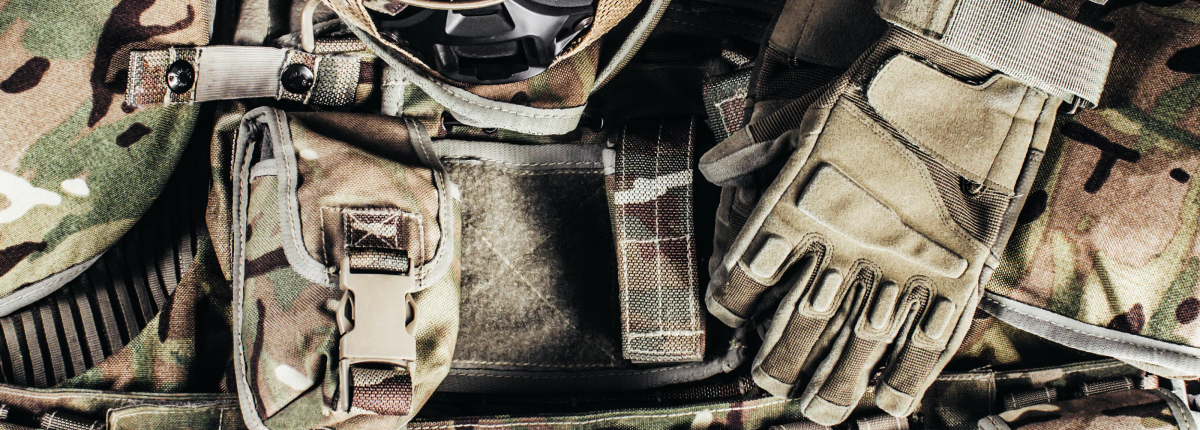
While the term “tactical” often conjures images of special forces, the average soldier or reservist can reap benefits from hard knuckle gloves during training and operations. The gloves protect against the harsh realities of combat: shrapnel, debris, and the occasional hard‑surface impact.
During weapons handling, a solid grip is paramount. The textured palm and reinforced knuckles ensure that a rifle or pistol stays firmly in the hand, even in wet or muddy conditions. Moreover, many tactical gloves are designed to be compatible with night‑vision goggles and other equipment, featuring cut‑resistant sleeves that can be pulled over the forearm without snagging.
In field exercises, soldiers often have to climb over obstacles, crawl through tight spaces, and handle heavy equipment. Hard knuckle gloves provide both protection and the flexibility needed for these varied tasks, reducing fatigue and the likelihood of hand injuries that could impede mission success.
DIY Projects and Home Improvement

You don’t need to be a professional contractor to appreciate the value of a sturdy pair of gloves around the house. Whether you’re assembling furniture, installing a fence, or working on a car, hard knuckle tactical gloves offer a blend of protection and dexterity that ordinary work gloves simply can’t match.
When handling power tools—like drills, saws, or grinders—the risk of a sudden slip or kickback can cause your hand to collide with a hard surface. The reinforced knuckles act as a shock absorber, minimizing the force transferred to your bones. At the same time, the glove’s thin, flexible design lets you feel the tool’s vibration, giving you better control.
For tasks that involve sharp edges, such as cutting lumber or trimming metal, the cut‑resistant fibers woven into the glove’s fabric protect against accidental nicks. The grip-enhancing palm also prevents the tool from slipping out of your grasp, reducing the chance of injury to yourself or anyone nearby.
Automotive and Motorcycle Maintenance

Mechanics and bike enthusiasts spend countless hours working under hoods, handling greasy parts, and tightening bolts with torque wrenches. Hard knuckle tactical gloves excel in this environment because they are both oil‑resistant and provide a secure grip on metal components.
When changing a tire or working on a brake system, you often need to apply significant force. The reinforced knuckles distribute pressure across a larger surface area, reducing strain on your joints. Additionally, many gloves feature a silicone‑coated palm that repels oil and grease, keeping the glove from becoming slippery.
Motorcyclists also appreciate these gloves for their dual purpose: protecting the hands in the event of a fall while still allowing precise control of the throttle and brakes. The hard knuckle plates can absorb impact if you slide on pavement, and the breathable back panel prevents overheating during long rides.
Hunting and Shooting Sports
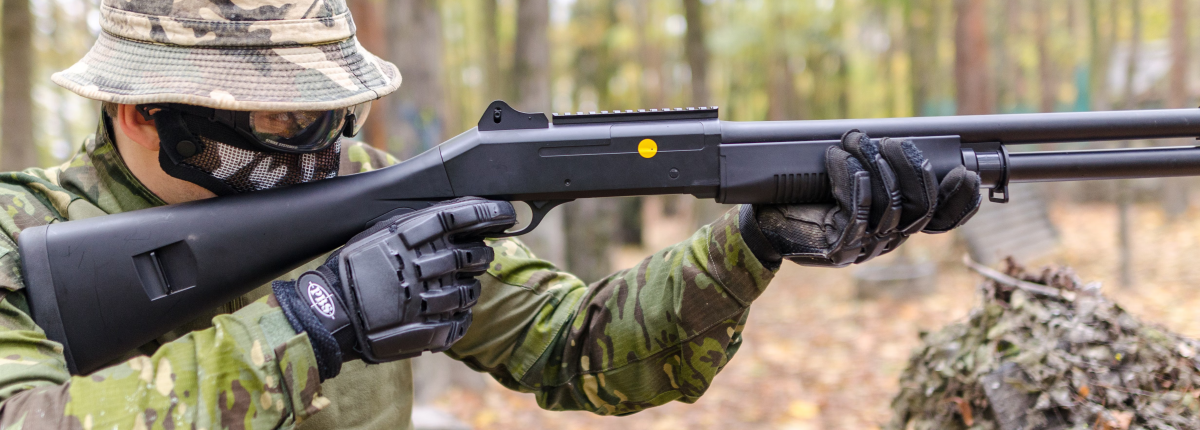
Hunters and competitive shooters require gloves that can handle the recoil of a rifle, the weight of a bow, and the need for a silent, steady grip. Hard knuckle tactical gloves meet these demands by offering both cushioning and tactile feedback.
When a rifle fires, the recoil can jolt the shooter’s hands, potentially causing bruised knuckles or reduced accuracy on follow‑up shots. The hard knuckle inserts absorb a portion of that shock, allowing for faster reacquisition of the target. Meanwhile, the glove’s thin design ensures you can still feel the trigger’s pull precisely.
Archers benefit from the gloves’ dexterity as well. The reinforced fingers protect against the bowstring’s snap, which can otherwise cause painful finger injuries. The grip‑enhancing palm prevents the bow from slipping, especially in wet conditions.
Choosing the Right Pair: Key Features to Consider
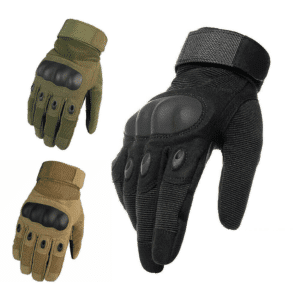
Not all hard knuckle tactical gloves are created equal. Below are the essential features to evaluate before making a purchase:
- Material of the Knuckle Plate: Carbon fiber offers the lightest weight and excellent impact resistance, while aluminum provides a sturdier feel. Polycarbonate is a budget‑friendly alternative that still offers solid protection.
- Palm Grip: Look for a silicone or rubber‑coated palm. This enhances traction on wet or oily surfaces and adds durability.
- Cut Resistance: Many gloves incorporate high‑tenacity fibers like Kevlar or Dyneema in the backhand. This is crucial if you’ll be handling sharp objects.
- Fit and Sizing: A snug fit ensures the glove stays in place during high‑intensity activity. Many brands offer sizes ranging from Small to XL, with stretch panels around the wrist for a secure seal.
- Breathability: Mesh panels or perforated leather keep hands cool during extended wear, preventing sweat buildup that can lead to slippage.
- Compatibility with Gear: If you need to wear the gloves with a wristwatch, gun holster, or vehicle steering wheel, verify that the cuff design won’t interfere.
Maintenance Tips to Extend Longevity
Proper care can dramatically extend the life of your hard knuckle tactical gloves. Follow these simple steps:
- Cleaning: Hand‑wash with mild soap and lukewarm water. Avoid harsh detergents that can degrade the polymer knuckle plates. Rinse thoroughly and squeeze out excess water—do not wring.
- Drying: Air‑dry in a well‑ventilated area away from direct sunlight. Excessive heat can warp the knuckle inserts.
- Inspection: Regularly check for cracks in the knuckle plates or fraying in the fabric. Early detection prevents sudden failure during use.
- Storage: Keep gloves in a dry pouch or a breathable bag. Avoid folding the knuckle plates sharply, as this can cause micro‑breaks over time.
- Re‑coating: Some gloves allow you to reapply a silicone spray to the palm for renewed grip.
By treating your gloves with care, you’ll enjoy reliable protection for years, whether you’re on the mountain or in the garage.
Frequently Asked Questions

Q: Can I wear hard knuckle tactical gloves in extreme cold? A: Yes, many models include insulated liners or can be layered with a thin thermal glove. Look for gloves with a breathable, water‑resistant outer shell to keep moisture out.
Q: Are these gloves legal for civilian use? A: Absolutely. Hard knuckle tactical gloves are considered personal protective equipment and are legal for civilian purchase and use in most jurisdictions.
Q: How do I know which size to buy? A: Measure the circumference of your hand just below the knuckles and compare it to the brand’s sizing chart. If you’re between sizes, opt for the larger for comfort.
Q: Will the gloves interfere with trigger pull on a firearm? A: A well‑designed tactical glove has a thin, tactile fingertip that maintains a crisp trigger feel while still offering protection.
Q: Can I use these gloves for snow sports? A: While they provide excellent grip, they’re not insulated enough for prolonged exposure to sub‑zero temperatures. Pair them with a dedicated ski glove liner for winter activities.
Final Thoughts: Invest in Protection and Performance
Hard knuckle tactical gloves are more than just an accessory—they’re an investment in safety, comfort, and efficiency across a broad spectrum of activities. From the rugged trails of a mountain hike to the precise demands of a shooting range, these gloves deliver the protection you need without compromising dexterity.
When selecting a pair, prioritize the material of the knuckle plates, grip quality, cut resistance, and overall fit. Proper maintenance will keep them performing at peak levels for years to come. Whether you’re a seasoned professional or a weekend enthusiast, adding a reliable pair of hard knuckle tactical gloves to your gear list is a decision you won’t regret.
Ready to experience the difference? Browse reputable brands, read user reviews, and choose the glove that aligns with your specific needs. Your hands will thank you.
Key Takeaways
- Hard knuckle tactical gloves protect against impacts, cuts, and abrasions while maintaining dexterity.
- Ideal for outdoor recreation, law enforcement, DIY projects, automotive work, and shooting sports.
- Look for carbon fiber or aluminum plates, silicone palm grip, cut‑resistant fibers, and a snug, breathable fit.
- Proper cleaning, drying, and storage extend glove lifespan.
- Choose the right size and consider insulation for cold‑weather use.