

What Is an 18650 Battery?
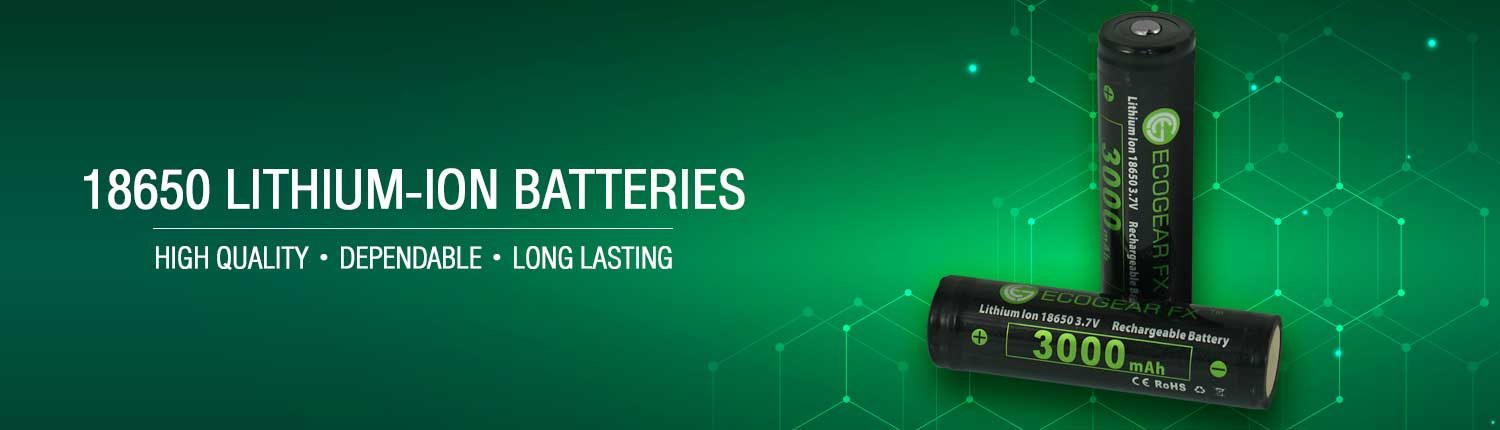
The right batteries are essential for any gear that you have. When you have the best 18650 rechargeable battery for the job, you can power your tools properly, get their best performance, and ensure they will keep going for longer. An 18650 battery is the ideal battery for a number of the products that you may use. If you have an LED flashlight or a wireless video doorbell, these batteries are perfect for you. They’re also great to use with a number of other common devices. If you’re looking for the right batteries for your devices, keep reading to find out more about 18650 batteries and whether they’re right for you.
What Does the Name 18650 Actually Mean?
 The string “18650” isn’t a random marketing code; it’s a precise description of the cell’s size. The first two digits (18) refer to the battery’s diameter in millimetres, while the next two (65) indicate its length. The final “0” simply designates the shape—a cylindrical, single‑cell format. In other words, an 18650 is a cylinder that measures about 18 mm across and 65 mm tall. This compact shape makes it a popular choice for devices that need a lot of power in a small package.
Because the dimensions are standardized, manufacturers worldwide can produce 18650 cells that fit the same holders, chargers, and battery packs. This interchangeability is a big reason the format dominates the portable power market.
Core Specifications: Voltage, Capacity, and Chemistry
Lithium-ion batteries and 18650 batteries, in particular, have a higher capacity than standard batteries. Most 18650 batteries are built with lithium‑ion chemistry, delivering a nominal voltage of 3.6 V or 3.7 V. When fully charged, the voltage peaks around 4.2 V, and it drops to roughly 2.5‑3.0 V as the cell empties. Capacity—the amount of energy the battery can store—is measured in milliamp‑hours (mAh). Today’s mainstream 18650s range from about 2000 mAh for high‑drain models to 3500 mAh for high‑capacity variants.
The trade‑off between capacity and discharge rate is important. High‑drain cells, often labeled with a “30A” or higher rating, can safely deliver large currents for short bursts—perfect for power tools or vaping mods. High‑capacity cells, on the other hand, excel at providing longer run‑times for low‑draw devices like flashlights or laptop battery packs.
An 18650 battery will power your devices for longer and give you excellent longevity too. These batteries offer you a huge range of benefits and they can be used in so many different devices. Anyone who has plenty of outdoor gear and tactical gear will find that having a collection of 18650 batteries is extremely useful. You’ll be able to easily swap them from one device to another if you need to.
When you’re looking for the right batteries for low-drain devices, whether it’s a flashlight or something else, 18650 batteries are ideal. These lithium-ion batteries power your devices for longer so you don’t have to worry about not having the power that you need.
Common Everyday Applications

You’ll find 18650 batteries in a surprisingly wide array of gadgets. The most visible uses include:
- Flashlights: Many high‑performance LED torches rely on a single 18650 because the cell’s size fits the torch’s body while supplying enough juice for bright, long‑lasting beams.
- Laptops: Some older notebook models use a pack of 18650 cells inside a proprietary enclosure. Replacement packs are often built from several of these cylinders.
- Vaping Devices: Mods and pod systems frequently accept 18650s for their high‑drain capability, allowing rapid power delivery for large atomizers.
- DIY Projects: Hobbyists building electric skateboards, RC cars, or portable power banks love 18650s for their modularity and high energy density.
- Outdoor Products: Various products around the home such as video doorbells, portable radios, bluetooth speakers, work lights, motion lights, cordless power tools, solar yard lights.
Because the cells are interchangeable, users can mix and match capacities or discharge ratings to tailor a battery pack to their specific needs.
Safety First: Handling and Charging Tips
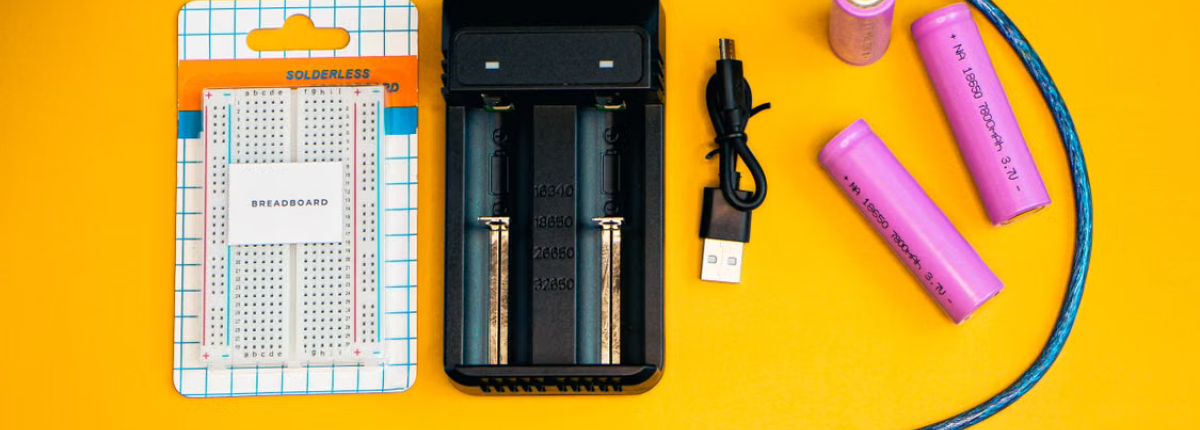
Lithium‑ion chemistry is powerful but can be temperamental if mishandled. Here are three practical safety rules:
- Use a Proper Charger: Only charge 18650s with a charger designed for lithium‑ion cells. These chargers regulate voltage and current, preventing over‑charging—a leading cause of thermal runaway.
- Avoid Physical Damage: Dropping, crushing, or puncturing a cell can damage internal separators, creating short circuits. Inspect batteries regularly for dents or swelling.
- Store at Moderate Temperatures: Extreme heat accelerates degradation, while very cold temperatures reduce performance. Aim for a storage range of 20‑25 °C (68‑77 °F).
Following these guidelines dramatically reduces the risk of fire or explosion, keeping both the user and the device safe.
Choosing the Right 18650 for Your Needs
When shopping for an 18650, start by defining what you need most: capacity or discharge rate. If you’re powering a high‑drain device like a vape mod, look for cells rated at 20 A or higher, even if the capacity is a bit lower. For low‑draw applications—like a camping lantern—opt for the highest mAh rating you can find within your budget.
Reputable brands tend to offer tighter quality control, reducing the chance of counterfeit cells, which often have inflated specifications and pose safety hazards. Buying from authorized retailers or directly from the manufacturer’s website adds another layer of protection.
Finally, consider whether you need a protected or unprotected cell. Protected 18650s include a small circuit board that guards against over‑charge, over‑discharge, and short circuits. They’re slightly larger, but the added safety is worth it for most consumer applications.
Benefits of 18650 Batteries
18650 lithium-ion batteries deliver multiple benefits to anyone who uses them. To begin with, they have a wide range of uses, as you can see above. If you have multiple battery-powered devices, having the best 18650 rechargeable battery at hand will ensure you will be able to keep them running. Another benefit is that this type of battery can be connected in a series to form a battery pack, providing more power.
You don’t need to run down the existing power before you recharge 18650 batteries which make them convenient to use. In fact, it’s a good idea to keep them charged above a certain point to help them last longer. These are high-voltage batteries with a large capacity, usually ranging between about 1200 mAh and 3600 mAh. Their long life makes them useful for longer too.

A key benefit of 18650 batteries is that they are rechargeable so you just need to have a compatible battery charger so that you can keep them charged. The rechargeable aspect means that you could save money over time by choosing these batteries too. Although you might spend a little more on them initially, they last a long time. In the time that you benefit from the full use of these batteries, you could have burnt through lots of other batteries and ended up spending more on them in total. You might think that you’re saving money by getting the cheapest batter, but you could actually be choosing the more expensive option.
These are very safe batteries, so you don’t have to worry about any dangerous incidents. When they have a protection board, as our batteries do, there’s no risk of overcharging the battery. Not only does this make the battery safer but it also extends the life of the battery. There’s no memory effect, so you don’t need to empty the battery before you charge it. These batteries can even help you to be a little kinder to the environment. Because they’re rechargeable and they last so long, you won’t be throwing away so many spent batteries.
Bottom Line
An 18650 battery is a versatile, high‑energy cylindrical lithium‑ion cell measuring 18 mm by 65 mm. Its standardized size, combined with a range of capacities (2000‑3500 mAh) and discharge rates, makes it a go‑to power source for flashlights, laptops, vaping devices, and countless DIY projects. By choosing a reputable brand, matching the cell’s specs to your device’s demands, and following basic safety practices, you can get reliable, long‑lasting power from this little powerhouse.